American Realism · 1951
First Row Orchestra (Edward Hopper, 1951)
Edward Hopper (1882–1967) made First Row Orchestra. It dates from 1951. It belongs to the American Realism movement. It is made in oil on canvas. It measures 79 × 102 cm.
- 1951
- Oil On Canvas
- 79 × 102 cm

 Preview

 Hand Made Oil Painting
 Send
 Share
 Fact sheet


 Download
 Similars
 X-Ray
 Diaporama
 Q&A

 Stats
First Row Orchestra, in brief
- Title
- First Row Orchestra
- Artist
- Edward Hopper (1882–1967)
- Artist born in
- Upper Nyack, United States of America
- Date
- 1951
- Medium
- Oil On Canvas
- Dimensions
- 79 × 102 cm
- Movement
- American Realism
- Subject
- orchestra, theater, audience, formalwear, isolation, evening
What does First Row Orchestra depict?
A Moment Frozen in Time: Edward Hopper’s “First Row Orchestra”
Edward Hopper's "First Row Orchestra," painted in 1951, isn’t merely a depiction of an evening at the theater; it’s a carefully constructed tableau of urban solitude and quiet contemplation – hallmarks of the artist’s enduring legacy. The painting captures a scene within the first row of an orchestra hall, bathed in the muted light of a late-night performance. It's a study in restraint, a masterful distillation of atmosphere rather than a vibrant narrative. Hopper, already renowned for his explorations of American alienation and the subtle dramas of everyday life, here presents us with a moment suspended in time, inviting viewers to consider the unspoken stories and quiet observations within this seemingly ordinary setting. The stark black-and-white palette—a deliberate choice by Hopper—amplifies the sense of detachment and emphasizes the formal architecture of the theater, creating an almost photographic quality that draws us into the scene.The Language of Light and Form
Hopper’s technique is characterized by a remarkable precision in rendering light and shadow. He employs a restrained use of color – primarily grays, browns, and blues – to create a sense of depth and atmosphere. The strong directional lighting, originating from unseen sources within the theater, sculpts the figures and architecture with dramatic effect. Notice how the light catches the folds of the woman’s fur coat, highlighting her posture and suggesting a private moment of absorption. The use of sharp edges and precise lines contributes to the painting's sense of formality and stillness. Hopper meticulously details the textures – from the plush velvet of the seats to the sheen of the polished wood – adding layers of visual interest without overwhelming the composition. The empty chairs in the foreground, a deliberate compositional element, serve as an invitation for the viewer to step into the scene and imagine themselves among the audience.A Portrait of Modern Isolation
“First Row Orchestra” is deeply rooted within the context of mid-20th century America – a period marked by rapid urbanization, social change, and a growing sense of isolation. Hopper’s work reflects this mood, portraying individuals often lost in their own thoughts, disconnected from one another despite being physically present in public spaces. The woman seated alone, engrossed in her program, embodies this theme perfectly. Her posture suggests both attentiveness to the performance and a profound detachment from the surrounding environment. The other figures – a couple engaged in conversation, a man observing with a slightly melancholic expression – further reinforce this sense of quiet solitude. Hopper wasn’t simply painting a scene; he was capturing a feeling—the subtle ache of loneliness that can permeate even the most crowded spaces.Symbolism and Emotional Resonance
Beyond its immediate visual appeal, “First Row Orchestra” is rich in symbolic meaning. The theater itself represents a temporary escape from the realities of everyday life, a space where individuals can momentarily lose themselves in art and entertainment. However, Hopper subtly suggests that this escape offers little solace. The darkened room, the muted colors, and the solitary figures all contribute to a sense of unease and melancholy. The curtain, a powerful visual element, acts as both a barrier between the audience and the stage and a symbol of separation – separating the performers from the spectators, and perhaps reflecting the emotional distance between individuals in modern society. The painting’s enduring power lies in its ability to evoke a complex range of emotions—a quiet sadness, a sense of longing, and a poignant awareness of human isolation.Bringing “First Row Orchestra” Home
OriginalUniqueArt offers meticulously crafted hand-painted reproductions of Edward Hopper's "First Row Orchestra," allowing you to experience the depth and nuance of this iconic artwork in your own space. Our skilled artists faithfully recreate Hopper’s masterful use of light, shadow, and composition, ensuring that your reproduction captures the painting’s original emotional impact. Whether displayed as a statement piece in a contemporary interior or as a thoughtful addition to a classic setting, “First Row Orchestra” is sure to spark conversation and evoke a sense of quiet contemplation—a timeless reminder of the beauty and melancholy inherent in the human experience. Explore our range of sizes and framing options to find the perfect reproduction for your collection.High-resolution images of First Row Orchestra

Protected by copyright: these files are for personal reference, not a licence to republish.
Edward Hopper, First Row Orchestra (1951).
Questions on First Row Orchestra, answered
What is the creation date of "First Row Orchestra" by Edward Hopper?
"First Row Orchestra" by Edward Hopper was created in 1951.
What medium is "First Row Orchestra" by Edward Hopper executed in?
"First Row Orchestra" is executed in oil on canvas.
What are the dimensions of the original "First Row Orchestra" by Edward Hopper?
The original "First Row Orchestra" by Edward Hopper measures 79 x 102 cm.
What is "First Row Orchestra" about?
The subjects of "First Row Orchestra" are orchestra, theater, audience, formalwear, isolation, evening, concert, quietness.
Can the image of "First Row Orchestra" by Edward Hopper be freely reproduced?
Regarding copyright, "First Row Orchestra" is still protected by copyright.
Who is the artist behind "First Row Orchestra"?
"First Row Orchestra" is attributed to Edward Hopper.
Which artistic current is "First Row Orchestra" by Edward Hopper part of?
"First Row Orchestra" by Edward Hopper belongs to the American Realism movement. This movement provides the stylistic context of the work.
What stage of Edward Hopper's development does "First Row Orchestra" represent?
"First Row Orchestra" belongs to the Mature Period of Edward Hopper's career. This classification relates the work to the artist's development.
What was Edward Hopper's age when "First Row Orchestra" was created?
Edward Hopper was 69 years old when creating "First Row Orchestra" in 1951. The age is computed from the artist's birth year, 1882.
About the artist, Edward Hopper
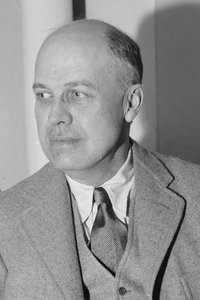
1882–1967, United States of America
Edward Hopper
The Quietude of the American Scene Edward Hopper was born in Upper Nyack, United States of America. His early years were spent observing the world with a steady eye, a habit that began with childhood sketches meticulously dated and signed. While his parents suggested a practical path in commercial illustration, his focus remained on fine art. He studied at the New York School of Art under William Merritt Chase and Robert Henri.
Also by Edward Hopper
 Nighthawks, The Art Institute of Chicago, Chica1942
 Automat (small)
 House by the Railroad1925
 New York Movie1939
Essays around First Row Orchestra
 Light and Loneliness: 25 Essential Edward Hopper PaintingsExplore 25 iconic Edward Hopper paintings and the stories behind his light and shadow. Discover the full collection online at OriginalUniqu…
 Solitude in Color: 10 Masterpieces That Capture the Essence of LonelinessExplore iconic works by Hopper and Dalí that capture profound solitude. Discover all masterpieces on OriginalUniqueArt.com.
 Figurative Expressionism: Integrating Raw Emotion and the Human Form into High-End Hospitality DesignElevate hospitality interiors with Figurative Expressionism. Discover how hand-painted oil reproductions of emotive human forms create prof…