

 Preview
 Send
Send Share
Share
 Details
 Guide
Guide

 Download
 Similars
 X-Ray
X-Ray Diaporama
 Stats
StatsForced from home


 Read More
The artwork displayed on this page is protected by copyright law, which means we cannot legally create or sell an identical reproduction. This protection is enforced under international agreements such as the Berne Convention and by national laws, including those outlined by the U.S. Copyright Law - Title 17.
This method fully complies with copyright regulations because it does not involve copying or duplicating the protected artwork. Instead, it is a creative reinterpretation - a new painting that is influenced by the original but not identical to it.
Giclée / Art Print
Museum-quality giclée or canvas print with fast production and flexible finish options. ( Buy Hand Made Painting Switch to Digital Image)




P118B $10

P118H $10

P118W $10

P438Z $10

P508JH $12

P508YH $12

P805H $10

P805Z $10

P919BZ $10

P919G $10

P919XJ $10

P959ZH $10

P968JZ $12

W106C $8

W218G $10

W218JH $8

W218Y $10

W307PJ $10

W316G $10

W316PJ $8

W316Y $10

W398PJ $8

W4111J $10

W500HY $15

W500JH $15

W692G $12

W849H $8

W940BG $15

W953PJ $8




Pick from our preset sizes that match the artwork's original proportions.

Type the width and the height you need, to fit your frame or your wall. A print can only be cut, never made bigger than the picture, so a size with a different shape loses a part of the image. We send you a digital mockup to approve before we print anything. The picture shown on this page does not show the real cut — only the mockup does.
Worldwide Delivery () in 2 weeks instead of standard 4/5 weeks. (28 October)

Free Worldwide Express Shipping

High-Quality Linen Canvas

Full Shipping Insurance

Customs Tax Refund Guarantee

True Color Matching Guarantee

100-Day Return Policy (Defects Only)

100% Money-Back Guarantee

Bulk Discount Offer
 Glass option is only available in size under 110 CM

Forced from home
Giclée / Art Print
Reproduction Size
-


Total Price
$ 81
A Stark Portrait of Displacement: Dorothea Lange's "Forced from Home"
Dorothea Lange’s “Forced from Home,” captured in 1942, is a profoundly moving black and white photograph that transcends mere documentation to become a powerful symbol of economic hardship and displacement. This work, created during her tenure with the Farm Security Administration (FSA), offers a glimpse into a period of significant social upheaval, likely reflecting the anxieties surrounding wartime conditions or the lingering effects of the Dust Bowl era. The image depicts a modest two-story house with a prominent "FOR SALE" sign affixed to its porch – a visual declaration of loss and transition that immediately draws the viewer into a narrative of uncertainty and potential heartbreak. Lange’s masterful use of composition, lighting, and texture elevates this seemingly simple scene into a poignant commentary on human resilience in the face of adversity.Style & Technique: Documentary Photography at its Finest
Lange was a pioneer of documentary photography, committed to capturing authentic moments that reflected the realities of American life during the Great Depression and beyond. Her style is characterized by a directness and empathy that avoids sensationalism while still conveying profound emotion. In "Forced from Home," Lange employs a slightly angled perspective, creating a sense of immediacy and inviting the viewer into the scene. The photograph’s grainy texture, inherent to traditional black and white photographic processes (film negatives and darkroom processing), lends it an air of realism and age, further grounding the image in its historical context. The careful arrangement of lines – strong verticals from the house's structure contrasted with horizontal elements like the balcony railing and sign – creates a visually compelling composition that guides the eye and reinforces the photograph’s central message. The diffused lighting softens shadows, highlighting the contours of the building without harshness, contributing to the overall feeling of quiet desperation.Historical Context & Symbolic Significance
The year 1942 was a pivotal moment in American history, marked by World War II and its associated economic and social changes. While the exact circumstances surrounding this particular house remain unknown, the photograph resonates with the broader anxieties of the time – rationing, wartime relocation, and the potential loss of homes and livelihoods. The "FOR SALE" sign is arguably the most potent symbol in the image, representing not just a property transaction but also forced migration, economic instability, and the disruption of lives. The reflection in the window, hinting at foliage or sky, adds another layer of complexity – suggesting both a connection to nature and an uncertain future beyond the confines of this home. Lange’s work with the FSA aimed to humanize these experiences, bringing attention to the plight of ordinary Americans struggling through extraordinary times.Emotional Impact & Lasting Legacy
"Forced from Home" evokes a profound sense of melancholy and empathy. The image isn't overtly dramatic; instead, its power lies in its quiet dignity and understated portrayal of loss. It prompts reflection on the fragility of security and the human cost of economic hardship. Lange’s ability to capture such raw emotion through a single frame cemented her place as one of the most important documentary photographers of the 20th century. This photograph continues to resonate with audiences today, serving as a timeless reminder of the importance of compassion and understanding in times of crisis. Owning a reproduction allows you to bring this powerful piece of American history into your home, sparking conversation and inspiring reflection on themes of resilience and social responsibility.Questions & Answers
Where can I find artworks similar to "Forced from home" by Dorothea Lange?
Works similar to "Forced from home" are listed on the artwork's Similars page.
What color leads the composition of "Forced from home" by Dorothea Lange?
espresso (#464646) is the leading color of "Forced from home" by Dorothea Lange.
What are the reproduction rights of "Forced from home" at the California Museum?
The original "Forced from home" is at the California Museum, and the work is still protected by copyright.
Artist Biography
A Life Etched in Empathy: The World Through Dorothea Lange’s Lens
Dorothea Lange, born Dorothea Margaretta Nutzhorn in Hoboken, New Jersey, in 1895, wasn't simply a photographer; she was a visual historian of the American spirit, particularly during times of profound hardship. Her life story itself held echoes of the resilience she would come to capture in her subjects. A childhood marked by polio, leaving her with a permanent limp, and the abrupt abandonment of her family by her father instilled within her an early awareness of vulnerability and displacement. These personal experiences undoubtedly shaped her empathetic approach to documenting the lives of others. Rather than succumb to a life dictated by circumstance, Lange resolutely pursued her passion for photography, studying under Clarence H. White at Columbia University and establishing herself as a portrait photographer in San Francisco during the 1920s. However, it was the seismic shift brought about by the Great Depression that would truly define her artistic trajectory.Documenting Despair: The FSA Years and the Power of Witness
The 1930s witnessed a dramatic transformation in Lange’s work. She turned her lens away from studio portraiture and towards the stark realities faced by those ravaged by economic collapse. This shift wasn't merely professional; it was deeply moral. Employed by the Resettlement Administration (RA) and later the Farm Security Administration (FSA), she embarked on a journey across rural America, documenting the plight of migrant workers, sharecroppers, and families struggling to survive. Her marriage to economist Paul Schuster Taylor proved pivotal, their collaboration blending economic data with Lange’s poignant imagery to create a powerful narrative of hardship and resilience. They traveled together extensively, particularly in California, witnessing firsthand the devastating effects of drought, displacement, and exploitation. It was during this period that she created some of her most iconic images, photographs that transcended mere documentation and became enduring symbols of an era.Migrant Mother: An Icon Forged in Compassion
Perhaps no single image is more synonymous with the Great Depression than Lange’s *Migrant Mother* (1936). The photograph, depicting Florence Owens Thompson, a destitute pea picker and her children, isn't simply a record of poverty; it’s an embodiment of human dignity in the face of unimaginable adversity. Lange didn’t merely capture a scene; she engaged with her subject, listening to Thompson’s story and establishing a connection that allowed for such raw emotional honesty to be conveyed through the image. The composition—the mother's worried gaze, the clinging children, the lines etched on her face—speaks volumes about the desperation of the times, yet also hints at an unwavering maternal strength. *Migrant Mother* became instantly recognizable, plastered across newspapers and magazines, galvanizing public support for relief efforts and solidifying Lange’s reputation as a photographer with a profound social conscience. It remains a testament to the power of photography to not only reflect reality but to shape it.Beyond the Depression: War, Remembrance, and Lasting Legacy
Lange's commitment to documenting human experience didn't end with the New Deal era. During World War II, she was commissioned by the War Relocation Authority to photograph the internment of Japanese Americans – a project that presented her with a profound moral dilemma. While fulfilling her contractual obligations, she deeply opposed the injustice of the internment and later expressed regret over her involvement, recognizing the devastating impact it had on those communities. These photographs, initially suppressed by the government, have since gained significant historical importance, serving as a stark reminder of a dark chapter in American history. In later years, Lange continued to travel with Paul Taylor, documenting cultures and traditions across Asia. Dorothea Lange died in 1965, leaving behind a body of work that continues to resonate deeply today. Her influence on documentary photography is immeasurable; she helped establish the genre as a powerful tool for social change, demonstrating the ability of images to raise awareness, inspire empathy, and ultimately, challenge injustice. Her legacy isn’t just about the photographs themselves, but about the unwavering humanism that informed her vision—a commitment to seeing and portraying individuals with dignity and respect, even in their most vulnerable moments.Influences and Enduring Impact
Lange's artistic development was shaped by several key influences. She admired the work of photographers like Clarence H. White and Arnold Genthe, learning technical skills and an appreciation for composition from them. The social realism found in the writing of John Steinbeck, particularly *The Grapes of Wrath*, also resonated deeply with her, reinforcing her belief in the importance of documenting the lives of marginalized communities. Her work, in turn, has inspired generations of photographers to use their art as a force for good. Lange’s photographs are not merely historical artifacts; they are timeless reminders of our shared humanity and the enduring power of empathy. They continue to be exhibited, studied, and celebrated, ensuring that her vision—a world seen through the lens of compassion—remains relevant and vital in the 21st century.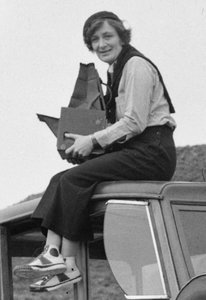
Dorothea Lange
1895 - 1965 , United States of America
Quick Facts
- Full Name: Dorothea Lange
- Nationality: American
- Date Of Birth: 1895
- Date Of Death: 1965
- Place Of Birth: Hoboken, United States of America
- Notable Artworks:
- Migrant Mother
- Forced from home
- Tractored Out
- Girl in Church
- Artistic Movement Or Style: Documentary photography
- Artists Who Influenced This Artist:
- Clarence H. White
- Arnold Genthe
- Artists Or Movements Influenced By This Artist: ['Documentary photography']
Related Articles
The Unfiltered Lens: Curating the Profound Emotional Depth of Documentary Photography Artworks
Explore the profound emotional depth of documentary photography art. Discover how collectors curate powerful historical narratives through museum-quality black and white prints and fine art reproductions that preserve humanity's most resilient moments.
Witnessing History: Documentary Photography as an Art Movement
Explore the powerful history of documentary photography – from its origins to contemporary masters like Gordon Parks. Discover how this art form shapes our understanding of society and witness pivotal moments in time.
Witnessing History Through Lens & Light: Documentary Photography's Enduring Legacy
Explore the powerful history of documentary photography – from its origins to contemporary masters like Gordon Parks & W. Eugene Smith. Discover how this art form shapes our understanding of society and witness pivotal moments in time.
Documentary Photography's Defining Moments: 10 Masterpieces for Your Home |
Explore 10 defining documentary photography masterpieces – from Dorothea Lange to Robert Capa. Discover powerful stories, iconic images & timeless art for your home. Museum-quality prints at .
The Lens of Truth: A Comprehensive History and Legacy of Documentary Photography
Explore the profound history of documentary photography. From early daguerreotypes to social reform movements, discover how the lens captures truth, preserves vanishing cultures, and shapes our global visual narrative through an expert art-historical lens.


