
 Preview
 Send
Send Share
Share
 Details
 Guide
Guide

 Download
 Similars
 X-Ray
X-Ray Diaporama
 Stats
StatsNo Title


 Read More
Purchase a high-resolution, enhanced digital image, far superior to the online preview.
Each file is meticulously prepared by our in-house specialists using advanced tools and expert manual retouching. We ensure every image has exceptional clarity, precise color accuracy, and fine detail.
The final file is delivered via email within 72 hours, optimized for immediate use in professional, editorial, and print environments. This is the same quality trusted by top-tier design studios, publishers, and galleries.
Digital Image
Download a high-resolution file for personal display, printing, and creative projects. ( Switch to Print Buy Hand Made Painting)
Included in Every Digital Image Order
Expert Digital Delivery, Guaranteed
When you choose OriginalUniqueArt.com, you're not just getting an image - you're receiving a professionally enhanced digital artwork, crafted with precision and backed by a satisfaction guarantee. Here's everything that comes with your order, automatically:

Fast Email Delivery
Your high-resolution digital image file will be emailed to you within 72 hours of ordering - ready for immediate use.

AI-Enhanced Digital File
Your artwork is professionally optimized using advanced AI tools and manual editing, ensuring maximum detail, clarity, and color accuracy.

Free Lifetime Re-Delivery
Accidentally deleted or lost your file? No worries - we'll resend it to you anytime, free of charge.

No Import Fees - Ever
Enjoy your artwork instantly with zero customs, duties, or delivery fees - digital downloads are always tax-free.

Color Accuracy Guarantee
We ensure your digital image reflects the original colors as closely as possible using professional tools and color management.

100-Day Satisfaction Guarantee
If you're not satisfied with your digital image, we'll revise it or refund 100% within 100 days - no questions asked.

100% Money-Back Guarantee
Not satisfied? Get a full refund within 100 days of receiving your digital file - no questions asked.

Bulk Order Discounts
Buy 3 images, save 10% - Buy 5, save 15% - Buy 10+, save 20%. Great for creative projects, galleries, and agencies.
George Orwell: A Life Forged in Defiance
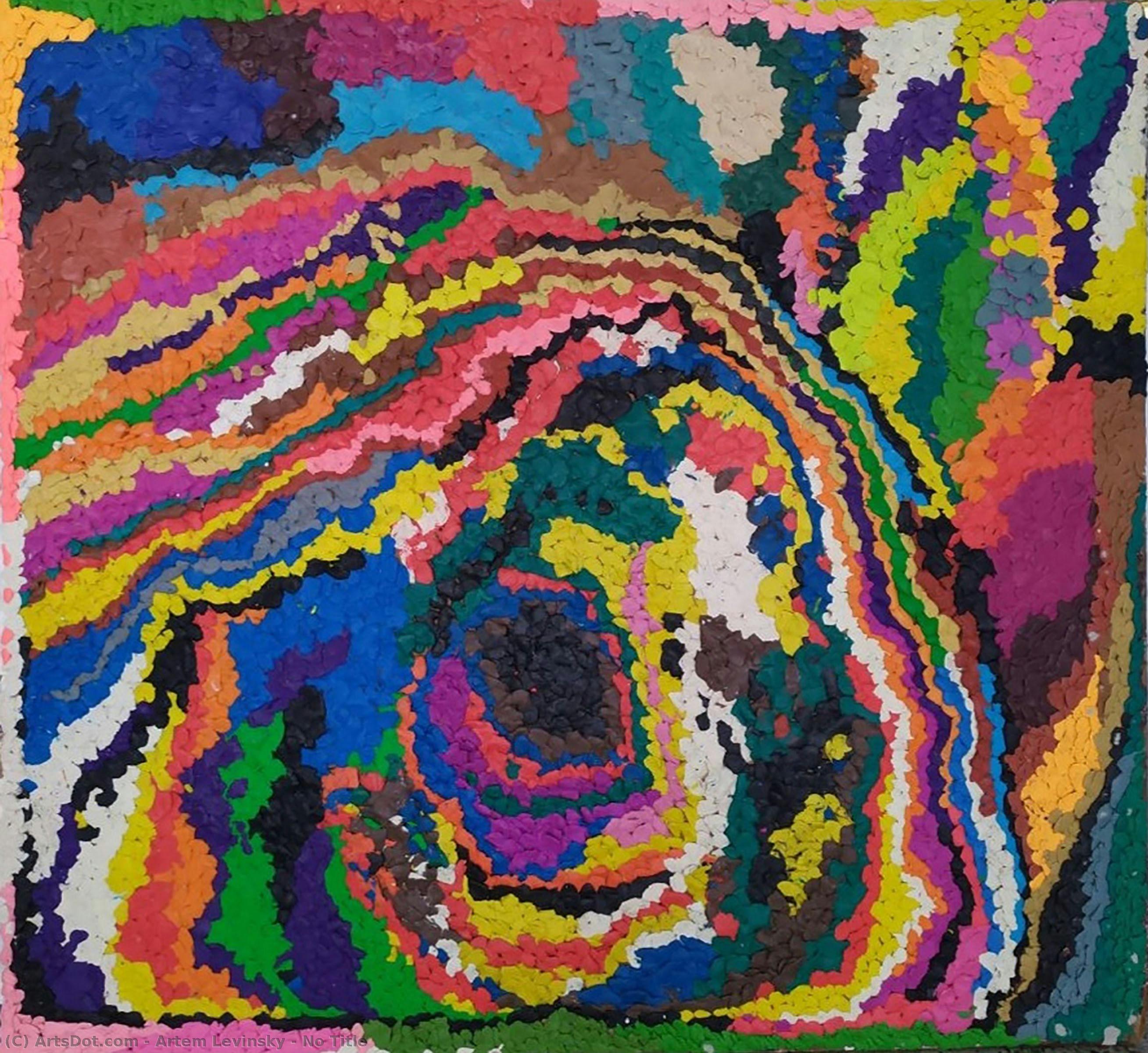
George Orwell, born Eric Arthur Blair on June 25, 1903, in Motihari, British India, remains one of the most profoundly influential writers and thinkers of the 20th century. His life was a testament to restless energy, unwavering commitment to social justice, and a deeply skeptical view of power – qualities that found their most potent expression in his seminal works, *Animal Farm* and, above all, *Nineteen Eighty-Four*. Orwell’s early years were shaped by a privileged but emotionally distant upbringing. His father, George Halliday Blair, was an Indian Civil Service officer, and his mother, Agnes Conway, was a devout Anglican. He spent much of his childhood in Burma, serving as a police constable – an experience that profoundly impacted his worldview, exposing him to the realities of colonial rule and its inherent inequalities. This early exposure instilled within him a critical eye towards authority and a deep empathy for those marginalized by ## Artistic Vision: Exploring Circular Symmetry and Vibrant Color Palette The artwork titled “No Title” embodies a striking visual aesthetic characterized by circular symmetry and an exuberant color palette. Created in 2020 by Artem Levinsky, the piece immediately captivates the viewer with its central circle – a dominant element that commands attention—and is punctuated by a carefully positioned hole. This deliberate asymmetry serves as a powerful counterpoint to the geometric precision of the circle, inviting contemplation on balance and disruption. The artist’s masterful use of color contributes significantly to the artwork's emotional impact; hues ranging from brilliant reds and yellows to deep blues and greens coalesce into an immersive experience that stimulates visual perception. Levinsky skillfully blends these colors to create a harmonious yet dynamic composition—a testament to his artistic prowess. ## Technique and Medium: Plastic Sculpture – A Bold Choice Artem Levinsky’s medium of choice is plastic sculpture, representing a significant departure from traditional artistic mediums. This selection demonstrates an innovative spirit and reflects a desire to push boundaries within the realm of contemporary art. The artist employs meticulous craftsmanship—a hallmark of his style—to transform pliable material into a captivating three-dimensional form. Precise shaping techniques ensure that the sculpture retains its structural integrity while simultaneously conveying subtle nuances of expression. Levinsky’s dedication to detail elevates the artwork beyond mere visual representation, imbuing it with depth and complexity. The resulting piece is both aesthetically pleasing and intellectually stimulating—a reflection of the artist's commitment to artistic excellence. ## Historical Context: Reflections on Societal Critique “No Title” emerges from a broader context of social critique prevalent in literature and art during its creation period (2020). Like Orwell’s novels, it speaks to themes of power dynamics, manipulation, and the importance of independent thought—concepts that resonate deeply with audiences grappling with issues of control and freedom. The artwork's circular form can be interpreted as symbolizing the cyclical nature of history and the enduring struggle against oppression. Simultaneously, the hole represents vulnerability and openness—inviting viewers to confront uncomfortable truths about themselves and their surroundings. Levinsky’s artistic endeavor aligns seamlessly with Orwellian ideals, demonstrating a shared conviction in challenging established norms and advocating for human dignity. ## Emotional Resonance: Capturing Beauty Amidst Uncertainty Ultimately, “No Title” transcends mere visual appeal; it evokes profound emotional resonance—a testament to Levinsky's ability to communicate complex ideas through artistic expression. The artwork’s vibrant colors inspire optimism and vitality, countering the anxieties of a world facing significant challenges. Yet, beneath the surface brilliance lies an underlying sense of contemplation—encouraging viewers to consider questions of identity and purpose. Like Orwell’s writings, “No Title” prompts introspection and fosters empathy for those experiencing hardship. It stands as a reminder that beauty can flourish even in times of uncertainty—a powerful message conveyed through masterful artistic technique and thoughtful conceptualization.Questions & Answers
What kind of colors does "No Title" use?
The colors of "No Title" form a dark palette. This classification describes the dominant color families.
What color saturation does "No Title" by Artem Levinsky have?
The palette of "No Title" is clear color presence in saturation.
What type of artwork is "No Title" by Artem Levinsky?
In the catalog, "No Title" by Artem Levinsky is filed as wall art. The category helps find similar works.
Artist Biography
The Visionary Geometry of Artem Levinsky
Born in Moscow, Russia, Artem Levinsky has emerged as a creator whose work invites profound contemplation through the lens of form and color. His artistic journey is marked by an exploration of the fundamental elements of perception, seeking to find harmony within the tension between order and disruption. In his practice, the viewer is often drawn into a world where geometric precision meets unexpected spontaneity, creating a visual language that speaks to both the mathematical and the emotional aspects of the human experience.
The essence of Levinsky’s artistic vision is perhaps most vibrantly captured in his exploration of circular symmetry. His work frequently utilizes a central, commanding presence—often a dominant circle—to anchor the viewer's gaze. Yet, he masterfully introduces elements of asymmetry, such as deliberate punctures or voids, to challenge the perfection of the shape. This interplay between the complete and the broken serves as a powerful metaphor for balance and the inherent disruptions found within life itself.
A Symphony of Color and Form
Beyond the structural integrity of his compositions, Levinsky is celebrated for an exuberant and immersive color palette. His ability to blend hues creates a dynamic atmosphere that stimulates the senses. One might observe a breathtaking transition where:
- Brilliant reds and yellows ignite the center of a composition, providing warmth and energy.
- Deep blues and greens coalesce around these warmer tones, offering a sense of depth and tranquility.
- The seamless blending of these diverse colors creates a harmonious yet restless movement across the surface.
In works such as his 2020 piece titled No Title, Levinsky demonstrates a bold approach to medium and technique, utilizing plastic sculpture to push the boundaries of three-dimensional expression. Through this mastery of color and shape, he crafts an immersive experience that transcends simple observation, inviting the audience to lose themselves in a captivating dance of light, pigment, and geometry.

Artem Levinsky
1984 - , Russia
Quick Facts
- Artistic Movement Or Style: Plastic Sculpture
- Full Name: Artem Levinsky
- Notable Artworks: ['No Title']
- Place Of Birth: Moscow, Russia
- Date Of Birth: 1984