Send
Send Share
Share
 Details
 Guide
Guide

 Download
 Similars
 Diaporama
 Stats
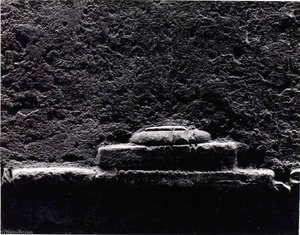
StatsSavoy Dancers
 Gelatin Silver Print
- Photo
- Abstract Expressionism
 Modern
 19.0 x 24.0 cm
 George Eastman Museum
 Read More
Giclée / Art Print
Museum-quality giclée or canvas print with fast production and flexible finish options. ( Buy Hand Made Painting Switch to Digital Image)




































Pick from our preset sizes that match the artwork's original proportions.

You may enter your own dimensions to fit a specific frame or space. If your selected size does not match the original image's proportions, we will either crop the artwork or extend the image with a mirrored or solid-fill edge. A digital mockup will be sent for your approval before production begins.
Please note that the on-screen preview does not reflect the actual cropping or extension. Only the mockup will accurately show the final composition.
While custom sizes are available, we recommend selecting a dimension from the predefined list to preserve the original proportions.
Worldwide Delivery () in 2 weeks instead of standard 4/5 weeks. (26 September)

Free Worldwide Express Shipping

High-Quality Linen Canvas

Full Shipping Insurance

Customs Tax Refund Guarantee

True Color Matching Guarantee

100-Day Return Policy (Defects Only)

100% Money-Back Guarantee

Bulk Discount Offer
 Glass option is only available in size under 110 CM

Savoy Dancers
Giclée / Art Print
Reproduction Size
-


Total Price
$ 81
A Symphony in Silver: The Kinetic Soul of Savoy Dancers
In the heart of 1936, amidst the rhythmic pulse of Harlem’s legendary Savoy Ballroom, Aaron Siskind captured more than just a dance; he froze a heartbeat. Savoy Dancers is not merely a photograph but a crystallized moment of pure exhilaration, an evocative window into the soul of the Swing Era. As the Lindy Hop surged through the ballroom, Siskind’s lens caught two dancers in a breathtaking mid-motion lift, creating a powerful diagonal thrust that commands the viewer's attention. The image transcends simple documentation, evolving into a profound exploration of movement and emotional resonance that speaks to the very essence of human joy and spontaneity.
The composition is a masterclass in dynamic balance, where the sharp, architectural lines of the ballroom’s setting contrast beautifully with the fluid, sweeping curves of the dancers' bodies. While the central couple serves as the emotional anchor, the background dissolves into a soft, rhythmic blur of other figures, suggesting a crowded, lively social milieu that breathes life into the frame. This use of depth—layering the sharp focus of the foreground against the receding shadows of the crowd—invites the observer to step directly into the heat and energy of the dance floor, making the piece feel less like a static image and more like a living memory.
The Intersection of Documentary and Abstraction
Siskind’s technical approach in Savoy Dancers marks a pivotal moment in the evolution of American photography, where the boundaries between social realism and Abstract Expressionism begin to blur. Utilizing the gelatin silver print process, Siskind embraced a grainy, textured aesthetic that prioritizes tonal variation over clinical sharpness. This deliberate choice allows the light and shadow to sculpt the figures, emphasizing the physical weight and texture of the clothing and skin. By focusing on the interplay of light, he achieves a flattened perspective characteristic of his "Feature Group" style, turning a social scene into a sophisticated arrangement of geometric forms and organic shapes.
For the discerning collector or interior designer, this piece offers a unique versatility. Its monochromatic palette provides a timeless elegance that integrates seamlessly into modern, minimalist, or mid-century contemporary spaces. The photograph does not merely decorate a wall; it introduces a narrative of cultural triumph and artistic innovation. It serves as a sophisticated focal point that celebrates the Harlem Renaissance—a period of profound social transformation and cultural assertion. To possess a reproduction of this work is to hold a fragment of history, embodying the themes of partnership, freedom of expression, and the unyielding optimism of an era defined by its rhythm.
Artist Biography
A Life Immersed in Vision
Aaron Siskind, born in the vibrant heart of New York City in 1903, stands as a pivotal figure in American photography—a bridge between the documentary impulse and the burgeoning world of Abstract Expressionism. His journey wasn’t one of immediate artistic calling; initially drawn to the lyrical power of poetry and literature, Siskind discovered his visual voice almost serendipitously with a camera received as a wedding gift. This sparked an exploration that would redefine how photography could engage with form, texture, and emotional resonance. For twenty-five years, he balanced a career teaching English in New York’s public schools with the passionate pursuit of his photographic vision—a testament to his dedication and unwavering commitment to artistic expression. His early influences were rooted in socially conscious documentary work, leading him to join the ranks of the New York Photo League in the 1930s, an organization dedicated to using photography as a tool for social commentary and change. This period instilled in him a deep empathy for his subjects and a commitment to portraying the realities of life with honesty and integrity.From Social Commentary to Abstract Realms
Siskind’s initial photographic endeavors were deeply engaged with the realities of his time. The project Harlem Document (1935-1940) stands as a powerful example, a collaborative effort alongside interviews and stories collected by members of the Federal Writers' Project. It wasn’t merely a collection of images; it was an immersive portrait of life in Harlem, capturing its vibrancy, struggles, and resilience with profound empathy. However, Siskind’s artistic trajectory took a significant turn in the 1940s. Influenced by the revolutionary canvases of Abstract Expressionist painters like Franz Kline, Mark Rothko, and Willem de Kooning, he began to shift his focus from depicting the world as it was to exploring the inherent beauty and expressive potential within its details. This transition wasn’t a rejection of reality but rather a deepening exploration of its underlying structures. He started isolating fragments—weathered walls revealing layers of history, torn posters hinting at forgotten narratives, and natural forms reduced to their essential elements—transforming everyday objects into compelling artistic subjects. The Most Crowded Block, a series capturing the energy and density of urban life, exemplified this new direction, with works like Watermelon Seller showcasing his ability to find abstract compositions within seemingly mundane scenes. This shift marked a pivotal moment in his career, solidifying his reputation as an innovator who challenged conventional notions of photographic representation.Exploring Texture, Form, and Artistic Dialogue
Siskind’s exploration of abstraction led him down increasingly experimental paths. His Tar Abstracts, for instance, were not simply depictions of tar pits but rather investigations into the textures, patterns, and tonal variations found within them—visual poems born from unexpected sources. This period marked a pivotal moment in his career, solidifying his reputation as an innovator who challenged conventional notions of photographic representation. His artistic kinship with painters continued to flourish, culminating in the Homage to Franz Kline (1972-1980s) series—a deeply personal tribute to his friend and fellow artist. These works weren’t imitations of Kline’s paintings but rather reflections on shared artistic concerns: form, gesture, and the expressive power of abstraction. Later in life, Siskind turned his attention to the landscapes surrounding Providence, Rhode Island, with the Providence Series, demonstrating a continued fascination with abstract forms found within nature itself. He saw patterns and rhythms in the natural world that echoed the compositions he had discovered in urban environments, further blurring the lines between representation and abstraction.A Legacy Forged Through Teaching and Innovation
Beyond his artistic achievements, Aaron Siskind left an indelible mark on the world of photography through his dedication to education. He spent two decades at the Illinois Institute of Technology (1951-1970), shaping the minds of aspiring photographers at its Institute of Design, and continued his teaching career at the Rhode Island School of Design (1971-1976) alongside Harry Callahan. As a founding member of the Society for Photographic Education in 1963, he actively contributed to the growing recognition of photography as a legitimate art form. Siskind’s work is celebrated for its ability to blur the boundaries between photography and painting—a testament to his belief that both disciplines could inform and enrich one another. He elevated everyday subjects into profound works of art, demonstrating the power of abstraction within a documentary context and significantly impacting the evolution of American photography. His legacy endures not only through his captivating images but also through the generations of artists he inspired to see the world with fresh eyes and embrace the limitless possibilities of visual expression.Key Characteristics & Influences
- Abstract Expressionism: Profoundly influenced by painters like Kline, Rothko, and de Kooning, Siskind moved towards abstraction, focusing on form and texture over literal representation.
- Social Documentary Roots: His early work with the Photo League instilled a commitment to social commentary and capturing the realities of life, even as his style evolved.
- Emphasis on Texture & Form: Siskind’s later works are characterized by a focus on the inherent beauty of textures, patterns, and abstract forms found in everyday objects and landscapes.
- Influence on Photographic Education: His decades-long teaching career at institutions like IIT and RISD shaped generations of photographers.
- Bridging Disciplines: Siskind successfully blurred the lines between photography and painting, demonstrating the potential for cross-disciplinary dialogue and innovation.

Aaron Siskind
1903 - 1991 , United States of America
Quick Facts
- Artistic Movement Or Style: Abstract Expressionism
- Artists Or Movements Influenced By This Artist:
- Abstract Expressionism
- Modern Photography
- Artists Who Influenced This Artist:
- Franz Kline
- Mark Rothko
- Willem de Kooning
- Date Of Birth: 1903
- Date Of Death: 1991
- Full Name: Aaron Siskind
- Nationality: American
- Notable Artworks:
- Harlem Document
- The Most Crowded Block
- Tar Abstracts
- Homage to Franz Kline
- Place Of Birth: New York, USA
Related Articles
The Jazz Age Canvas: Exploring Artistic Responses to Societal Shifts in 1920s America
Explore the artistic brilliance of the Jazz Age! Discover Art Deco's influence, Modernism’s impact & iconic artists like Tamara de Lempicka. Find museum-quality reproductions and expert art consultation at OriginalUniqueArt.

Stuart Davis: Modernist Abstraction & the Vibrant Spirit of the Jazz Age
Explore the vibrant world of Stuart Davis, a pioneer of American Modernism. Discover his jazz-inspired paintings, signature style & investment potential. Expert insights for art collectors.

Thomas Baines: Pioneering Landscape Art & Visual Documentation of 19th-Century Southern Africa
Explore the life & art of Thomas Baines, a pioneering British explorer and artist who documented 19th-century Southern Africa & Australia. Discover his stunning landscapes, war paintings, and invaluable cartographic contributions.
Aaron Siskind: Deconstructing Reality – A Photographic Exploration of Texture, Form & the Abstract Landscape
Explore the transformative journey of Aaron Siskind, from social realism to pioneering abstract photography. Discover his iconic series & lasting influence on modern art. A guide for collectors.

The Gleaming Geometry of Desire: Exploring Art Deco's Enduring Influence on Visual Culture
Explore the captivating world of Art Deco! Discover its history, key characteristics, enduring influence on design & collecting with expert insights from OriginalUniqueArt.com.