The Roaring Twenties: A Cultural Revolution
 Wikipedia: Roaring Twenties
The Roaring Twenties, sometimes stylized as Roaring '20s, refers to the 1920s decade in music and fashion, as it happened in Western society and Western culture. It was a period of economic prosperity with a distinctive cultural edge in the United St...
The decade following the First World War erupted with a fervor unlike any seen before – a seismic shift in societal norms, artistic expression, and cultural values that became known as the Roaring Twenties. It was an era defined by economic prosperity, technological advancement, and a defiant rejection of Victorian constraints. The war had irrevocably altered perspectives, leaving behind a generation eager to embrace modernity and indulge in newfound freedoms. This spirit manifested itself most vividly in the burgeoning jazz scene, which pulsed with energy and improvisation, mirroring the decade’s restless pursuit of novelty. Cities like New York, Paris, Berlin, and Buenos Aires became epicenters of this cultural upheaval, attracting artists, writers, and thinkers who sought to redefine beauty, challenge conventions, and capture the essence of a rapidly changing world. The very air crackled with possibility, fueling an explosion of creativity that would leave an indelible mark on art history.
Art Deco's Rise: Geometry, Luxury, and Modernity
Art Deco, short for the French Arts décoratifs (lit. 'Decorative Arts'), is a style of visual arts, architecture, and product design that first appeared in Paris in the 1910s just before World War I and flourished internationally during the 1920s to ...
Emerging from the French Arts Décoratifs movement just before World War I, Art Deco quickly blossomed into a defining aesthetic of the 1920s. It wasn’t merely a style; it was an ethos – a celebration of progress, luxury, and streamlined elegance. Rejecting the organic forms of Art Nouveau, Art Deco embraced geometry, symmetry, and bold ornamentation. Think sleek skyscrapers piercing the clouds, opulent cinemas radiating glamour, and meticulously crafted objects designed to elevate everyday life. The 1925 Exposition Internationale des Arts Décoratifs et Industriels Modernes in Paris served as a pivotal moment, showcasing the style’s potential and solidifying its international appeal. Materials like chrome, stainless steel, ebony, and ivory were favored for their exotic allure and association with sophistication. The Chrysler Building stands as an iconic testament to this era, its sunburst motifs and geometric detailing embodying the spirit of ambition and innovation. Art Deco wasn't confined to architecture; it permeated fashion, jewelry, furniture, and even the design of everyday objects like radios and vacuum cleaners, transforming the mundane into statements of style.
Modernism’s Influence: Breaking with Tradition
Modernism was an early 20th-century movement in literature, visual arts, performing arts, and music that emphasized experimentation, abstraction, and subjective experience. Philosophy, politics, architecture, and social issues were all aspects of thi...
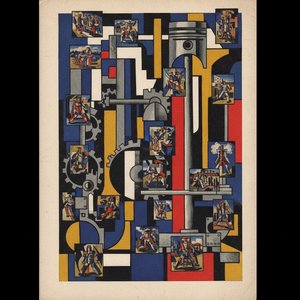
While Art Deco captured the exuberance of the Jazz Age, Modernism provided a crucial undercurrent of intellectual and artistic rebellion. Born from a growing alienation with traditional morality and convention, Modernist artists sought to redefine representation itself. Experimentation became paramount – abstraction challenged conventional forms, subjective experience took precedence over objective reality, and philosophical inquiries questioned the very nature of art’s purpose. Figures like Pablo Picasso, with his groundbreaking Cubism, paved the way for new ways of seeing and interpreting the world. The influence of technological innovation and industrialization was also profound, inspiring artists to explore fragmented perspectives and machine-like aesthetics. Modernism wasn't a unified movement but rather a constellation of diverse approaches united by a shared desire to break with the past and forge a new artistic language. This spirit of questioning and experimentation profoundly impacted painting, sculpture, literature, and architecture, laying the groundwork for subsequent generations of artists.
Tamara de Lempicka: An Icon of Jazz Age Glamour
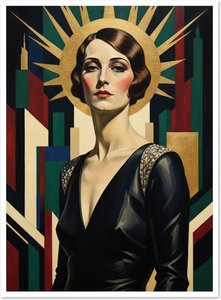
No discussion of 1920s art is complete without acknowledging Tamara de Lempicka. A Polish émigré who found her artistic voice in Paris, she became the quintessential portraitist of the era’s elite. Her paintings exude a captivating blend of sophistication, sensuality, and power. De Lempicka masterfully synthesized Art Deco's geometric precision with a distinctly personal style – characterized by polished surfaces, bold colors, and elongated figures. Self-Portrait in the Green Bugatti, for example, is not merely a depiction of a woman driving; it’s an embodiment of independence, confidence, and modern femininity. Her subjects are often depicted as aloof, glamorous, and undeniably stylish, reflecting the era's fascination with wealth, status, and self-image. De Lempicka didn’t simply paint portraits; she created icons – symbols of a generation that dared to embrace pleasure and challenge societal expectations. Her work continues to resonate today, embodying the timeless allure of Jazz Age glamour.
Beyond the Canvas: Art Deco in Everyday Life
The impact of Art Deco extended far beyond the walls of galleries and museums. It permeated every facet of daily life, transforming ordinary objects into works of art. Designers drew inspiration from skyscrapers and industrial forms, incorporating geometric patterns and streamlined aesthetics into furniture, textiles, and fashion. Ruth Reeves’s “Manhattan” pattern, for instance, vividly captured the energy of the city in a Cubist collage designed for wall hangings and upholstery. Stehli Silks Corporation commissioned artists to create fabrics featuring motifs inspired by jazz music and modern America. Even automobiles influenced design trends – Charles Lindbergh's Spirit of St. Louis adorned wallpaper and perfume bottles, while automotive styling informed the shape of cocktail shakers and traveling bars. This widespread adoption of Art Deco principles reflected a desire for progress, optimism, and a futuristic outlook. The machine-made symbolized efficiency and innovation, cleverly seen in items like bookends shaped as cogwheels or bowls molded after railroad signal lights.
Harmonizing Eras: Integrating 1920s Aesthetics into Contemporary Interiors
Blending classical elegance with the bold spirit of the Jazz Age can create a truly timeless interior. The key lies in balance and thoughtful curation. Incorporate Art Deco-inspired furniture – pieces with sleek lines, geometric detailing, and luxurious materials – alongside classic elements like antique rugs or traditional artwork. A statement piece like a Tamara de Lempicka reproduction can instantly elevate a space, adding a touch of sophistication and glamour. Consider using a color palette inspired by the era – rich jewel tones like emerald green, sapphire blue, and ruby red paired with metallic accents like gold and silver. Abstract art, particularly pieces that echo the geometric forms of Art Deco, can also complement the aesthetic beautifully. Don’t be afraid to mix textures and materials – velvet upholstery, polished wood surfaces, and chrome accents can create a sense of depth and visual interest. At OriginalUniqueArt, we specialize in museum-quality reproductions and custom paintings, allowing you to seamlessly integrate the artistic brilliance of the Jazz Age into your own home. Our expert artists hand-paint masterpieces to your specifications, ensuring that every detail is captured with precision and passion. Whether you’re seeking a bold statement piece or a subtle nod to the era, we can help you create a space that reflects your unique style and appreciation for timeless beauty.