1of 71
Δομήνικος Θεοτοκόπουλος 1541–1614
Ελληνική Ισπανική Born in Ηράκλειο Μανερισμός Βαρόκκο Wikipedia in 31/32 languages

Mannerist, one artist at a time
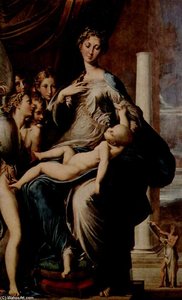
Δομήνικος Θεοτοκόπουλος (1541–1614) is the most famous Mannerist μάστορας, whose singular vision gave us Η Κουβαρισμός του Μεγάλου Οργάζ και Το Ένεκρινε Κρήτης. Next stand Τιντορέττο, Τζουζέπε Αρτσιμπόλντο, Άνιολο Μπροντσίνο και Σοφονίσμπα Ανγκουίσσολα. These 71 μάστορες της ζωγραφικής, from Αμίκο Ασπέρτινι (born 1475) to Κριστόφανο Αλλόρι (born 1577), came from 15 countries.
Our selection. Artists whose works our catalogue attaches to Mannerist, in the order of our fame ranking. Artists born after 1955 with no Wikidata identifier stay out until verified. The Wikipedia figure counts our 32 languages with an article on the artist.
In brief
One artist at a time
1of 71
Ελληνική Ισπανική Born in Ηράκλειο Μανερισμός Βαρόκκο Wikipedia in 31/32 languages
2of 71
Ιταλιάνος Born in Βενετία Μανιερισμός, Βενετσιανή σχολή Wikipedia in 31/32 languages

Rather than seeking the serene stillness of the High Renaissance, he leaned into the tension of the Mannerist style, populating his compositions with muscular figures and dramatic gestures that seemed to strain against the edges of the frame. The Origin of the Milky Way (Scuola Grande di San Rocco, Venice). Tintoretto occupied a singular position in the Venetian school, standing alongside Titian and Veronese as one of the three great painters of the sixteenth century.
Where to see The Scuola Grande di San Rocco remains the most concentrated repository of his output, housing over sixty canvases that transform the building's halls into a cinematic experience of biblical narratives.
3of 71
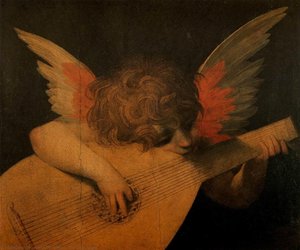
Ιταλός Born in Μιλάνο Μανιερισμός, Σουρεαλισμός Wikipedia in 30/32 languages

He specialized in grotesque symbolical compositions, where the anatomy of a face was reimagined through the arrangement of fruits, vegetables, flowers, animals, books, and various inanimate objects. These works were often viewed as curiosities, yet they required a sophisticated understanding of how to merge the organic with the artificial to create a recognizable human form. In his portraits of Summer and Winter, the human form is entirely subsumed by the textures of the harvest and the cold, creating a visual riddle that demands a second glance.
Where to see The physical remnants of Arcimboldo’s imagination are scattered across Europe, preserved within the halls of institutions that once served the very courts he once entertained.
4of 71
Ιταλός Born in Φλωρεντία Μανιερισμός Wikipedia in 29/32 languages

5of 71
Ιταλία Born in Κρεμόνα Ρενάσαンス Wikipedia in 29/32 languages

8of 71
Ιταλός Born in Αρέτσο Μανιερισμός Wikipedia in 31/32 languages

This groundbreaking text wasn’t merely a collection of biographies; it established a narrative framework for the development of Italian Renaissance art, tracing its evolution from the early masters like Cimabue and Giotto to his contemporaries Michelangelo and Raphael.
Teacher of Jacopo Zucchi #54, Federico Zuccari #41
11of 71
Ιταλός Born in Βενετία Ραινοσαβιονισμός Wikipedia in 23/32 languages

12of 71
Ολλανδός Born in Βραunschβουργ Νότια Μανιεριστική τέχνη Wikipedia in 19/32 languages

13of 71
Ιταλία Born in Καστελνουόβο Μπεραρντένγκα Μανιερισμός Wikipedia in 21/32 languages

14of 71
Ολλανδός Born in Άμστερνταμ Νότια Μανιερισμός Wikipedia in 28/32 languages

15of 71
Φλαμάνκος Born in Αντβέρπη Βόρειος Μανιερισμός Wikipedia in 18/32 languages

Spranger’s style is a quintessential example of Northern Mannerism, characterized by elongated figures, complex poses, and a deliberate emphasis on elegance and refinement. Spranger’s work is notable for its dynamism, achieved through carefully orchestrated diagonals and a sense of movement within each composition. Crucially, his travels extended into Italy, where he spent eight months in Milan and three months in Parma, assisting Bernardino Gatti on the ambitious fresco project for the dome of Santa Maria della Steccata.
16of 71
Ιταλίδα Born in Μπολόνια Μανιερισμός, Μπαρόκκο Wikipedia in 26/32 languages

Signature works · The 100 signature works
18of 71
Γερμανός Born in Κολωνία Μανιεριστική Ζωγραφική Wikipedia in 26/32 languages

19of 71
Ιταλός Born in Φλωρεντία Μανιερισμός Wikipedia in 23/32 languages

In the twilight of the Renaissance, as the balanced harmonies of the previous century gave way to the restless energy of Mannerism, Cristofano Allori emerged as a vital voice in the Florentine school. Born in 1577 into a city steeped in artistic prestige, Allori was destined for the brush.
20of 71
Ιταλός Born in Φλωρεντία Μανιερισμός Wikipedia in 24/32 languages

21of 71
Ιταλός Born in Μόντα Μανιερισμός Wikipedia in 25/32 languages

His landscapes are not simply scenic backgrounds; they are meticulously crafted environments imbued with a sense of depth, atmosphere, and psychological resonance. These landscapes frequently served as the setting for dramatic scenes featuring figures from classical mythology – tales of Orpheus and Eurydice, Proserpine’s abduction, and the Judgment of Paris. His innovative use of landscape as a compositional element paved the way for Claude Lorrain and Nicolas Poussin, who both drew inspiration from his ability to integrate natural settings into mythological narratives.
24of 71
Ιταλός Born in Φλωρεντία Μανιερlισμός Wikipedia in 17/32 languages

26of 71
Φλαμίνγος Born in Μιούλεμπεκε Βόρειος Μανιερισμός Wikipedia in 20/32 languages

Rome (1574-1577): Van Mander spent three years in Rome, where he encountered classical art and developed his artistic style. Vienna: During a return journey from Italy, he collaborated with Bartholomeus Spranger and Hans Mont on creating a triumphal arch for Emperor Rudolf II's royal entry. Influence on Dutch Art: He significantly influenced artists in Haarlem and beyond, shaping the artistic landscape of the Dutch Republic.
27of 71
Ιταλός Born in Βολτέρρα Μανιερισμός Wikipedia in 17/32 languages

29of 71
Ιταλός Born in Μπολόνια Τέτατη Αναγέννηση & Μαννερισμός Wikipedia in 18/32 languages

Fontana’s artistic style is often described as a synthesis of Renaissance ideals and Mannerist tendencies. His work also includes significant contributions to the decoration of the Santa Maria del Baraccano church in Bologna, including a captivating “Disputa di Santa Caterina.” His daughter, Lavinia Fontana, who herself became a successful painter, undoubtedly benefited from her father’s tutelage and artistic guidance. Fontana’s legacy endures through his surviving works, which are housed in prestigious collections such as the Pinacoteca di Vicenza and the La collezione Bonello (Malta).
30of 71
Ολλανδός Born in Ουτρέχτη Μανιερισμός Wikipedia in 14/32 languages

Wtewael's early training rooted him deeply in the sophisticated vocabulary of late 16th-century Haarlem Mannerism. A pivotal period arrived when he embarked on travels through Italy and France starting in 1586. These sojourns were crucial, exposing him to the rich artistic currents of the Second School of Fontainebleau.
31of 71
Italian Born in Μπολόνια Mannerism Wikipedia in 22/32 languages

Whether through the delicate line work of a chalk drawing like Ceres or the monumental scale of fresco fragments such as Ulysses Winning the Archery Contest in the Presence of Penelope, Primaticcio’s oeuvre remains a testament to an artist who could navigate the complexities of myth, majesty, and the human psyche with unparalleled grace.
32of 71
Ολλανδός Born in Λέιντεν Μαναρισμός Wikipedia in 15/32 languages

Pupil of Federico Zuccari #41
33of 71
Ιταλός Born in Μονέλια Γενουέζια Σχολή, Μανιερές Wikipedia in 15/32 languages

35of 71
Ιταλός Born in Μπάσσανο ντελ Γκράππα Βενεττανική Αναγέννηση Wikipedia in 12/32 languages

Within the bustling, cosmopolitan atmosphere of the Venetian Republic, he ascended rapidly through the ranks of the city's elite artistic circles. Conversely, in more mythologically charged pieces like ' The Forge of Vulcan ', he demonstrated a masterful command over light and shadow, using the glow of the forge to create a dramatic, theatrical atmosphere that captivated viewers. This collaborative environment, guided by the meticulous instruction of his father, Jacopo Bassano, allowed him to absorb the nuances of Venetian Mannerism and the burgeoning influences of the Baroque style.
36of 71
Flemish Late Mannerism

Early Life & Training: De Clerck’s formative years are shrouded in obscurity, though evidence suggests he received training under Jan Brueghel the Elder, a titan of Flemish landscape painting and a pivotal influence on de Clerck's artistic approach. Among De Clerck’s most celebrated achievements is “The Deposition,” commissioned for St.
37of 71
Ιταλός Born in Μπασσάνο ντελ Γκράππα Μανιερlισμός Wikipedia in 13/32 languages

38of 71
Italian Born in Florence Mannerist Painting Wikipedia in 15/32 languages

Whether depicting the celestial grace of a Madonna with Child or the dramatic tension found in works like The Fall of the Giants, Perino possessed a unique talent for blending the monumental with the delicate.
39of 71
Flemish Born in Bruges Renaissance, 16th Century Painting Wikipedia in 15/32 languages

In 1550, Stradanus embarked on a transformative journey to Florence, where he entered the service of the Medici family, then one of the most powerful and influential families in Europe. The Metropolitan Museum of Art’s collection features a significant drawing by Stradanus – “ Allegory of America” – offering valuable insight into his artistic vision and providing a tangible connection to this remarkable Florentine master.
Teacher of Antonio Tempesta #56
40of 71
Ιταλός Born in Πορντενόνε Καλλιτεχνικό κίνημα ή στυλ Wikipedia in 16/32 languages

41of 71
Italian Born in Sant'Angelo in Vado Mannerism Wikipedia in 18/32 languages

Their collaborative spirit yielded masterpieces such as “The Holy Family ” in Palazzo Vecchio, a work that serves as a testament to their unified artistic language. This ambition is perhaps most tangibly felt in Casa Zuccari in Florence, a residence built around 1578.
43of 71
Dutch Born in Gouda Mannerism Wikipedia in 13/32 languages

Encouragement also came from Dirck Crabeth, a celebrated stained-glass artist and brother to Wouter Crabeth, whose wife may have been related to Ketel – suggesting a network of familial support within the artistic community.
44of 71
Flemish Born in Hulst Mannerism, Renaissance Wikipedia in 8/32 languages

The influence of Hieronymus Bosch is also readily apparent in Mostaert’s oeuvre, particularly in compositions derived from tapestries based on Bosch's fantastical creations. Perhaps his most famous work, The Haywain (Allegory on Worldly and Clerical Abuses), exemplifies this inspiration. He played a crucial role in the development of both genre and landscape art within Antwerp, pushing boundaries and inspiring subsequent generations of artists.
45of 71
Italian Born in Φλωρεντία Florentine Mannerism Wikipedia in 11/32 languages

Unlike the balanced compositions favored by his contemporaries, Bacchiacca often employed asymmetrical arrangements, creating a feeling of instability and tension. He was particularly adept at portraying women, imbuing them with a captivating blend of vulnerability and strength. John the Baptist,” now housed in Berlin, and “Ghismonda with Heart of Guiscardo,” a dramatic portrayal of a tragic love story displayed at the Lowe Art Museum in Miami.
46of 71
Born in Γκαέτα Wikipedia in 11/32 languages

He developed a refined and detailed approach, characterized by precise rendering and a focus on naturalism. He skillfully balanced Renaissance ideals with emerging Baroque sensibilities.
47of 71
Italian Born in Florence Proto-Baroque & Counter-Maniera Wikipedia in 14/32 languages

The legacy of Santi di Tito is etched into the very fabric of Italian art history.
48of 71
Ιταλός Born in Καραβάζιο Μανιερισμός Wikipedia in 10/32 languages

Polidoro quickly distinguished himself not within the confines of panel painting or fresco but in a remarkably innovative arena: the decoration of Roman palace facades. Polidoro's skill lay in his ability to translate complex compositions into this challenging medium, creating dynamic friezes that brought classical history and contemporary life vividly to the city’s walls. Though many of his Roman frescoes are lost to time, Polidoro da Caravaggio remains an important and compelling figure in Italian Renaissance history—a testament to the power of artistic innovation and the enduring impact of personal experience on creative expression.
49of 71
Ιταλός Born in Κρεμόνα Φλαμανδική Στυλ / Λομπαρδικός Φυσικισμός Wikipedia in 13/32 languages

50of 71
Italian Born in Zadar Baroque Sculpture; Mannerism Wikipedia in 14/32 languages

The career of Andrea Schiavone was one of prolific achievement, leaving behind a body of work that includes everything from intimate etchings to monumental religious narratives.
51of 71
Ιταλός Born in Βερόνα Ύστερη Αναγέννηση & Μανιερισμός Wikipedia in 11/32 languages

52of 71
Italian Born in Bologna Mannerism Wikipedia in 10/32 languages
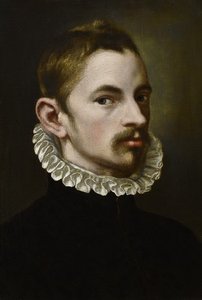
The historical significance of Bartolomeo Passarotti lies in his role as a foundational figure for the Carracci Academy and the broader Bolognese tradition.
53of 71
Italian Born in Vicenza Late Renaissance/Mannerist Wikipedia in 5/32 languages

Through his work, the halls of the palace—including the Sala del Senato and Sala dello Scrutinio—were transformed into theatrical stages where history and myth converged.
54of 71
Italian Born in Florence Mannerist Painting Wikipedia in 11/32 languages

His works often serve as windows into the complex allegories of the 16th century: Religious Devotion: In pieces such as Allegory of the Creation, Zucchi captures profound moments of divine connection, utilizing dramatic lighting and celestial figures to evoke a sense of awe and religious fervor.
55of 71
Ιταλός Born in Βενετία Μανιερισμός Wikipedia in 9/32 languages

His work remains a vital testament to the enduring legacy of the Robusti name and the intricate layers of influence that shaped the artistic identity of Venice. Born in Venice around 1560, Domenico grew up amidst the scent of oil paints and the dramatic tension of his father's workshop.
56of 71
Italian Born in Florence Mannerism Wikipedia in 11/32 languages

As a fresco painter, he contributed significantly to some of the most celebrated decorative programs of the age, including works for Villa Lante and Palazzo Farnese. He remains a testament to the interconnectedness of the European art world during the Renaissance and Baroque periods, serving as a bridge between the classical traditions of Italy and the burgeoning artistic spirit of the North.
Pupil of Stradanus #39
58of 71
German Born in Vienna Northern Mannerism

This rigorous training instilled in him a profound understanding of goldsmithing techniques—a craft that demanded precision, artistry, and meticulous attention to detail. Notably, he studied alongside Euclid's Elements and Plato’s Timaeus, texts considered foundational for geometric reasoning and philosophical contemplation – influences that would profoundly shape his later artistic pursuits. Born in Vienna, Italy, Wenzel was the son of Hans Jamnitzer the Elder, a goldsmith who established a tradition of excellence that would continue through subsequent generations.
59of 71
Italian Born in Vicenza

His monumental two-volume treatise, L'idea dell'architettura universale, published in Venice in 1615, stands as one of the final great works of the Renaissance.
60of 71
Italian Born in Melide Late Renaissance
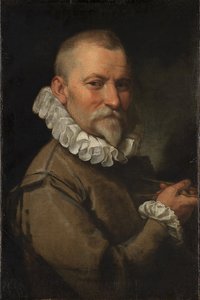
Born in Melide, a small village nestled on the shores of Lake Lugano in Switzerland – a region then caught between Swiss cantons and Italy – in 1543, Fontana’s life was one of relentless innovation and service to the Papal States. The Fontana dell'Acqua Felice (Fountain of Moses), built for Pope Sixtus V, stands as a prime example.
61of 71
Born in Antwerp Antwerp Mannerism Wikipedia in 9/32 languages
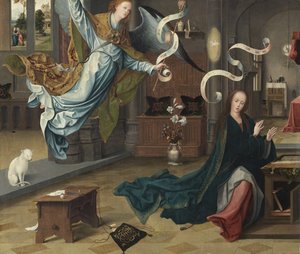
Though his name fell into obscurity following the end of the sixteenth century, Jan De Beer’s influence endured through the lasting impact of the Antwerp Mannerist style.
62of 71
Italian Born in Mazzo di Valtellina Mannerist Wikipedia in 10/32 languages

His most celebrated achievement remains the scaled oil copy of the Last Judgment, commissioned by Cardinal Alessandro Farnese.
63of 71
Γάλλος Born in Παρίσι Δευτεροφωντενάουα Σχολή Φοντένμπλουα Wikipedia in 8/32 languages

While relatively obscure compared to contemporaries like François Dubois and Ambroise Guillimaux, Dubreuil’s oeuvre possesses a distinctive character marked by elongated forms, undulating draperies, and densely populated compositions reminiscent of artists such as Francesco Primaticcio, reflecting the profound impact of Italian artistic ideals on French painting during his lifetime.
65of 71
Italian Born in Florence Mannerist Wikipedia in 10/32 languages

Beyond his fresco cycles, Conte also produced a series of individual portraits, most notably his portrait of Michelangelo (c. 1540). The “Virgin and Child with Saint Elizabeth and John the Baptist ” (1535), now housed in the Uffizi Gallery, exemplifies this evolution, showcasing a masterful command of perspective, drapery, and emotional expression. Conte's career took a significant turn in 1547-48 when he joined forces with Siciolante da Sermoneta on the ambitious fresco decoration of the chapel of San Remigio in San Luigi dei Francesi.
66of 71
Flemish Born in Antwerp Landscape with mythological and allegorical Wikipedia in 8/32 languages

By the time of his death in 1596, Fiammingo had left an indelible mark on the development of the Italianate Flemish School.
67of 71
French Born in Bassigny Northern Mannerism Wikipedia in 9/32 languages

Though his life was cut short in 1616, Bellange’s influence endured far beyond the borders of Lorraine.
68of 71
Italian Born in Parma Mannerist Painting Wikipedia in 8/32 languages

The significance of Girolamo Mazzola Bedoli extends beyond the individual canvases he left behind.
69of 71
Italian Born in Novellara Mannerist Wikipedia in 7/32 languages

Born in the small town of Novellara around 1508 or 1511, Orsi navigated an era defined by shifting theological certainties and the complex intellectual currents of humanism.
70of 71
Italian Born in Florence Renaissance and Mannerism Wikipedia in 5/32 languages

The historical significance of Michele Tosini lies in his role as a bridge between eras. His work serves as a luminous window into a time when Florence was the epicenter of the art world, reflecting both the spiritual devotion of the early century and the courtly sophistication of the later years. His early training under Lorenzo di Credi and Antonio del Ceraiolo anchored him in the refined traditions of the High Renaissance.
Signature works · The 100 signature works
71of 71
Spanish Born in Mascaraque Renaissance, Mannerism Wikipedia in 6/32 languages

Correa's early commissions, such as the altarpiece for the monastery of Santa María de Guadalupe in Mascaraque (circa 1532-1534), demonstrate a clear adherence to Raphael’s principles – elegant figures, balanced compositions, and harmonious color palettes.
Signature works
A timeline
Figures
| Ιταλία | 35 |
|---|---|
| Italy | 14 |
| Γαλλία | 3 |
| Belgium | 3 |
| Γερμανία | 2 |
| Ολλανδία | 2 |
| Βέλγιο | 2 |
| Netherlands | 2 |
| 1470s | 2 |
|---|---|
| 1480s | 3 |
| 1490s | 5 |
| 1500s | 11 |
| 1510s | 10 |
| 1520s | 8 |
| 1530s | 7 |
| 1540s | 11 |
| 1550s | 7 |
| 1560s | 4 |
| 1570s | 3 |
| Kunsthistorisches Museum | 23 |
|---|---|
| Μουσείο του Πράδο | 9 |
| Εθνική Πινακοθήκη Λονδίνου | 9 |
| Ερμιτάζ | 9 |
| Galleria degli Uffizi | 6 |
| Rijksmuseum | 6 |
| Bavarian State Painting Collections | 6 |
| Μουσείο του Λούβρου | 5 |
Every name
Δομήνικος ΘεοτοκόπουλοςΕλληνική Ισπανική · 1541–1614ΤιντορέττοΙταλιάνος · 1519–1594Τζουζέπε ΑρτσιμπόλντοΙταλός · 1527–1593Άνιολο ΜπροντσίνοΙταλός · 1503–1572Σοφονίσμπα ΑνγκουίσσολαΙταλία · 1532–1625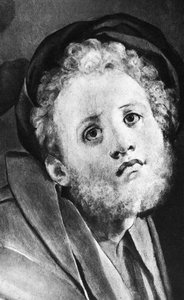 Τζάκοπο ΠοντόρμοΙταλός · 1494–1556
 Παρμιτζιάννο1503–1540Τζόρτζιο ΒαζάριΙταλός · 1511–1574
 Τζούλιο ΡομάνοΙταλός · 1499–1546
 Ρόσσο ΦιορεντίνοΙταλός · 1494–1540Σεμπαστιάνο ντελ ΠιόμποΙταλός · 1485–1547Χέντρικ ΧόλτσιουςΟλλανδός · 1558–1617Ντομένικο ΜπεκκαφούμιΙταλία · 1484–1551Πίτερ ΆρτσενΟλλανδός · 1508–1575Μπαρτολομέους ΣπράνγκερΦλαμάνκος · 1546–1611Λαβίνια ΦοντάναΙταλίδα · 1552–1614
 Φεντερίκο Μπαρότσι1535–1612Χανς Φον ΆαχενΓερμανός · 1552–1615Κριστόφανο ΑλλόριΙταλός · 1577–1621Αλεσσάντρο ΑλλόριΙταλός · 1535–1607Νικολό Ντελ' ΑμπάτεΙταλός · 1512–1571
 Τζοβάννι Μπαττίστα Μορόνι1525–1578
 Μπενβένουτο Τσελίνι1500–1571Φραντσεσκο ΣαλβιάτιΙταλός · 1510–1563
 ΤζιαμπολόνιαΦλαμανδός · 1529–1608Καρέλ Φαν Μάντερ Ο ΠαλαιότεροςΦλαμίνγος · 1548–1606Ντανιέλε ντα ΒολτέρραΙταλός · 1509–1566
 Jean GoujonΓάλλος · 1510–1567Πρόσπερο ΦοντάναΙταλός · 1512–1597Γιόαχιμ ΓκτεβέλΟλλανδός · 1566–1638Φραντσέσκο ΠριματίτσοItalian · 1504–1570Όττο φαν ΦέινΟλλανδός · 1556–1629Λούκα ΚαμπιάσοΙταλός · 1527–1585
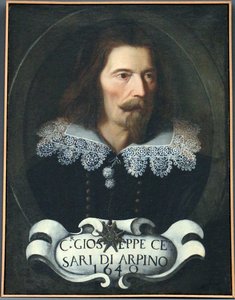 Τζουζέπε ΤσεσάριΙταλός · 1568–1640Φραντσέσκο Μπασσάνο Ο ΝεότεροςΙταλός · 1549–1592Hendrick De ClerckFlemish · 1570–1630Λεάντρο ΜπασσάνοΙταλός · 1557–1622Perino del VagaItalian · 1501–1547StradanusFlemish · 1523–1605Ιλ ΠορντενόνεΙταλός · 1484–1539Federico ZuccariItalian · 1539–1609
 Τσέκκινο Ντελ ΣαλβιάτιΙταλός · 1510–1563Cornelis KetelDutch · 1548–1616Gillis MostaertFlemish · 1528–1598Φραντσέσκο ΜπακιάκκαItalian · 1494–1557Σκιπιόνε Πουλτσόνε1550–1598Santi di TitoItalian · 1536–1603Πολιντόρο Ντα ΚαραβάζιοΙταλός · 1499–1543Βιντσέντσο ΚάμπιΙταλός · 1536–1591Andrea SchiavoneItalian · 1522–1563Ιάκοπος ΛιγότσιΙταλός · 1547–1627Bartolomeo PassarottiItalian · 1529–1592Andrea VicentinoItalian · 1542–1617Jacopo ZucchiItalian · 1542–1596Ντομένικο ΤιντορέτοΙταλός · 1560–1635Antonio TempestaItalian · 1555–1630
 Αμίκο ΑσπέρτινιΙταλός · 1475–1552Wenzel JamnitzerGerman · 1507–1585Vincenzo ScamozziItalian · 1548–1616Domenico FontanaItalian · 1543–1607Jan De Beer1475–1528Marcello VenustiItalian · 1510–1579Τουσαίν ΝτυμπρέιγΓάλλος · 1561–1602
 Τομπίας ΣτίμερSwiss · 1539–1584Jacopino del ConteItalian · 1510–1598Paolo FiammingoFlemish · 1540–1596Jacques BellangeFrench · 1575–1616Girolamo Mazzola BedoliItalian · 1500–1569Lelio OrsiItalian · 1508–1587Michele TosiniItalian · 1503–1577Juan Correa De VivarSpanish · 1510–1566
Questions
First place goes to Δομήνικος Θεοτοκόπουλος (#1); Τιντορέττο (#2) and Τζουζέπε Αρτσιμπόλντο (#3) complete the podium.
Δομήνικος Θεοτοκόπουλος (#1), Τιντορέττο (#2), Τζουζέπε Αρτσιμπόλντο (#3), Άνιολο Μπροντσίνο (#4) και Σοφονίσμπα Ανγκουίσσολα (#5).
Ιταλία: 35 of the 71 μάστορες της ζωγραφικής in this list were born there, then Italy (14) και Γαλλία (3).
Most μάστορες της ζωγραφικής in this list were born in the 1540s (11 of 71), between 1475 and 1577 overall.
Τζόρτζιο Βαζάρι (#8) taught Jacopo Zucchi (#54) και Federico Zuccari (#41); Stradanus (#39) taught Antonio Tempesta (#56).
The earliest-born μάστορας in this list is Αμίκο Ασπέρτινι (#57), born in 1475.
The museums holding the most key works of this list are Kunsthistorisches Museum (23), Μουσείο του Πράδο (9) και Εθνική Πινακοθήκη Λονδίνου (9).
This list includes 2 women: Σοφονίσμπα Ανγκουίσσολα (#5) και Λαβίνια Φοντάνα (#16).
The highest-ranked μάστορες της ζωγραφικής born in Ιταλία are Τιντορέττο (#2), Τζουζέπε Αρτσιμπόλντο (#3), Άνιολο Μπροντσίνο (#4), Σοφονίσμπα Ανγκουίσσολα (#5) και Τζάκοπο Ποντόρμο (#6).
Φλωρεντία: 8 of the μάστορες της ζωγραφικής in this list were born there.
“His brushwork was often rapid, loose, and occasionally left appearing incomplete, a technique that lent his canvases a sense of restless movement.” — from our biography of Τιντορέττο (#2).
Our catalogue holds 5,179 works by these μάστορες της ζωγραφικής.
Read
Other movements
 Σημαντοί καλλιτέχνες BaroqueRembrandt van Rijn · Ρέμπραντ
 Σημαντοί καλλιτέχνες Contemporary RealistΟι Συλλέκτριες · Ζαν Φρανσουά Μιγέ
 Σημαντοί καλλιτέχνες ImpressionistΗ Νύχτα Πλούσια Στα Άστρα (Νέα Υόρκη, MoMA) · Βίνσεντ Βαν Γκογκ
 Σημαντοί καλλιτέχνες RomanticistΚρόνος να καταβροχθίζει τον Γιο του · Φρανθίσκο Γκόγια
 Σημαντοί καλλιτέχνες NeoclassicistΗ Σταυροφόρος του Μαρά · Ζακ-Λουί Νταβίντ
 Σημαντοί καλλιτέχνες RealistΗ Αρχή του Κόσμου · Γκυστάβ Κουρμπέ
 Σημαντοί καλλιτέχνες RenaissanceΜόνα Λίζα (La Gioconda) · Λεονάρντο Ντα Βίντσι
 Σημαντοί καλλιτέχνες Dutch Golden AgeΤο Κορίτσι με το Μαργαριτάρι · Γιοχάνες Βερμέερ
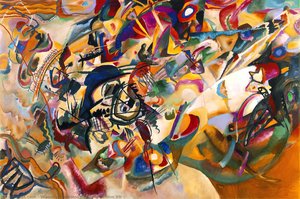 Σημαντοί καλλιτέχνες ExpressionistΣύνθεση Ζ · Βασίλι Καντίνσκι
 Σημαντοί καλλιτέχνες RococoΗ Πρώτη Επίσκεψη στην Κύθηρα · Αντουάν Βαττώ
Other periods
 Σημαντοί καλλιτέχνες Early MedievalSnowy River · Wáng Wéi
 Σημαντοί καλλιτέχνες High MedievalΜάδονα σε Μαέστα (Μάδονα Ογνιαντίνι) · Τζόττο
 Σημαντοί καλλιτέχνες Late MedievalΗ Αναγγελία και οι Δύο Άγιοι · Σιμόνε Μαρτίνι
 Σημαντοί καλλιτέχνες RenaissanceΗ Δημιουργία του Αδάμ · Μιχαήλ Άγγελος
 Σημαντοί καλλιτέχνες Early ModernΗ Κλήση του Ματθαίου · Καραβάτζο
 Σημαντοί καλλιτέχνες 19th CenturyΝυφάδες του Νερού (ή Λιλιές του Νερού) · Κλόντ Μονέ
 Σημαντοί καλλιτέχνες ModernΓκουέρνικα · Πάμπλο Πικάσο
 Σημαντοί καλλιτέχνες ContemporaryWind Sculpture III (one in a series of nine) · Yinka Shonibare
Discover more