Rococo, one artist at a time

100 Famous Rococo Ζωγράφοι Who Shaped the Movement

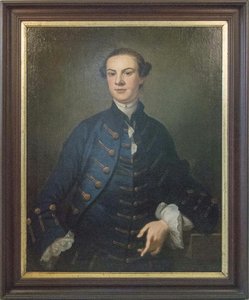
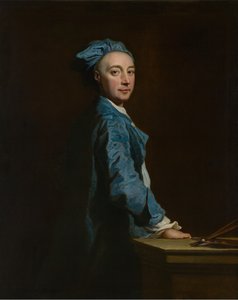
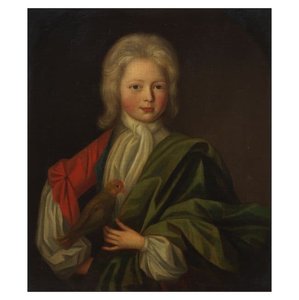
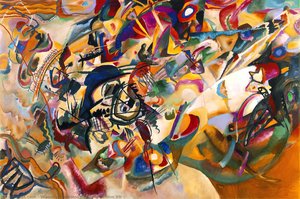
Αντουάν Βαττώ (1684–1721) is the most famous Rococo μάστορας, whose singular vision gave us Η Πρώτη Επίσκεψη στην Κύθηρα και Γκίλες. Next stand Καναλέττο, Τζιοβάνι Μπατίστα Τιέπολο, Φρανσουά Μπουσέ και Ζαν Ονορέ Φραγκονάρ. These 100 μάστορες της ζωγραφικής, from Jean-François De Troy (born 1645) to Εdouard Honoré Ave (born 1818), came from 18 countries.

Our selection. Artists whose works our catalogue attaches to Rococo, in the order of our fame ranking. Artists born after 1955 with no Wikidata identifier stay out until verified. The Wikipedia figure counts our 32 languages with an article on the artist.

  1. Η Πρώτη Επίσκεψη στην Κύθηρα του Αντουάν Βαττώ1Αντουάν Βαττώ
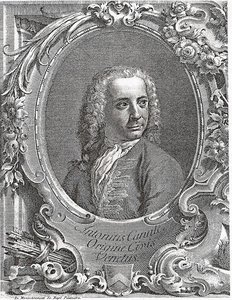
  2. The Stonemason's Yard του Καναλέττο2Καναλέττο
  3. Annunciation του Τζιοβάνι Μπατίστα Τιέπολο3Τζιοβάνι Μπατίστα Τιέπολο

In brief

Rococo in brief

  • 100Καλλιτέχνες
  • 1645–1818Έτη γέννησης
  • 18Χώρες γέννησης
  • 5Γυναίκες
  • 1Ζωντανοί καλλιτέχνες
  • 11.037Έργα στον κατάλογό μας
Πόλεις με τον μεγαλύτερο αριθμό γεννήσεων
Παρίσι (15), Βενετία (9), Venice (4), Βαλανσιέν (2)
Μουσεία που διαθέτουν τα περισσότερα σημαντικά έργα
Μουσείο του Λούβρου (17), Ερμιτάζ (15), Nationalmuseum (9), Μετροπολιτικό Μουσείο Τέχνης (7)

One artist at a time

100 Rococo Ζωγράφοι and their signature works

1of 100

Αντουάν Βαττώ

Γάλλος Born in Βαλανσιέν Ροκοκό Wikipedia in 31/32 languages

Αντουάν Βαττώ

By employing a delicate layering of colors, he achieved a shimmering effect, as if the very light of the scene were caught in a moment of transition. This method allowed him to build a world that felt both present and fleeting, a quality that defined his unique approach to the canvas. Even in his most quiet works, the legacy of his vision remains clear: The Country Dance.

Signature works · The 100 signature works

2of 100

Καναλέττο

Italian Born in Βενετία Vedute, topographical style Wikipedia in 30/32 languages

Καναλέττο

After returning to Venice, Canaletto began to settle into a signature topographical style. He also recorded the movement of the water and the crowds during public events, such as the Regatta on the Grand Canal. Across the Atlantic, the National Gallery of Art in Washington holds his 1742 work, View of the Church and the Doge's Palace from the Procuratie Vecchie.

Where to see His presence remains felt in the collections of major institutions across Europe and beyond.

Signature works · The 100 signature works

3of 100

Τζιοβάνι Μπατίστα Τιέπολο

Italian Born in Βενετία Rococo and Baroque Wikipedia in 30/32 languages

Τζιοβάνι Μπατίστα Τιέπολο

Signature works · The 100 signature works

6of 100

Ζαν Σιμεόν Σαρντέν

Γάλλος Born in Παρίσι Φυσιοκρατισμός Wikipedia in 27/32 languages

Ζαν Σιμεόν Σαρντέν

Chardin’s presence in Paris was marked by a steady, quiet ascent through the city's artistic circles. For much of his career, he resided on the Left Bank near Saint-Sulpice, a location that anchored his life within the familiar rhythms of the neighborhood. By focusing on the tangible reality of a copper pot or a piece of fruit, he paved the way for the Realist movement, influencing painters like Gustave Courbet who sought to depict life without embellishment.

Where to see His presence is felt strongly in Paris, where the Musée du Louvre holds a significant portion of his output.

Signature works · The 100 signature works

7of 100

Τόμας Γκένσμπορο

British Born in Σάντμπερι Rococo, Romanticism Wikipedia in 29/32 languages

Τόμας Γκένσμπορο

He favored a light palette, often marrying soft tones with deep, grounding browns to create a sense of naturalism. He would place his subjects within the wide, open air of the English countryside, allowing the atmosphere of the sky and the texture of the trees to inform the character of the person depicted.

Where to see To walk through the rooms of Gainsborough’s House in Sudbury is to step into the very environment that nurtured his early vision.

Signature works · The 100 signature works

8of 100

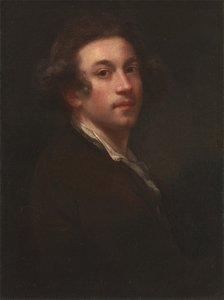
Τζόσουα Ρέινολντς

British Born in Πλίμουθ Grand Style Wikipedia in 31/32 languages

Τζόσουα Ρέινολντς

Between 1750 and 1752, Reynolds traveled to Italy. He returned to England with a clear vision for how British art could move beyond simple likenesses. His works remain central to the study of this era, held in significant collections such as the National Gallery and the National Portrait Gallery Collection.

Signature works · The 100 signature works

9of 100

Ζαν-Μπατίστ Γκρεζ

Γάλλος Born in Τουρνύ Ροκοκό, Γενρε ζωγραφική Wikipedia in 22/32 languages

Ζαν-Μπατίστ Γκρεζ

Le Père de famille expliquant la Bible à ses enfants (1755): Κεντρικό έργο της πρώτης επιτυχίας του, που ενσωματώνει τις ιδέες του Διαφωτισμού για την οικογενειακή αγνότητα και ηθική διδασκαλία. La Jeune Fille qui pleure son oiseau mort (c. 1765): Δείχνει την ικανότητα του Γκρούζ να αποτυπώνει συναισθήματα και να αφηγείται συγκινητικές ιστορίες.

Signature works · The 100 signature works

10of 100

Μπερνάρντο Μπελλοττο

Ιταλιάνος Born in Βενετία Veduta, αστικό τοπίο, τεχνίτης γραφιστής Wikipedia in 27/32 languages

Μπερνάρντο Μπελλοττο

He moved away from the bright, high-contrast palettes often found in Venetian scenes, choosing instead to work with a more restrained color scheme. Rio dei Mendicanti with the Scuola di San Marco (detail) (1738). This meticulous restoration effort was so successful that the historic centre of Warsaw was recognized as a UNESCO World Heritage Site in 1980.

Where to see In Dresden, the Gemäldegalerie holds a significant portion of his output, including views of the city that captured its architectural life before the ravages of war.

Signature works · The 100 signature works

13of 100

Τιεπόλο, Τιεπόλο

Ιταλιάνος Born in Βενετία Ροκοκό Wikipedia in 18/32 languages

Τιεπόλο, Τιεπόλο

In the luminous heart of eighteenth-century Venice, a period defined by the decadent splendor of the Rococo, Giandomenico Tiepolo emerged as a master of both grand spectacle and intimate human drama.

Signature works · The 100 signature works

14of 100

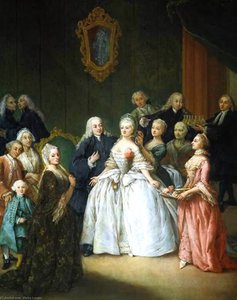
Τζιοβάνι Μπατίστα Πιατσεττά

Ιταλός Born in Βενετία Ροκοκό Wikipedia in 16/32 languages

Τζιοβάνι Μπατίστα Πιατσεττά

Signature works · The 100 signature works

19of 100

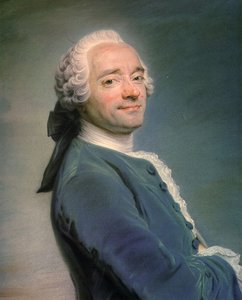
Μωρίς Κεντέν ντε Λα Τουρ

Γάλλος Born in Σαιν-Καντέν Ροκακό Wikipedia in 23/32 languages

Μωρίς Κεντέν ντε Λα Τουρ

The stylistic imprint of Flemish Baroque artists is evident in De La Tour’s meticulous attention to detail, particularly in the rendering of drapery folds and facial expressions—characteristics that would become hallmarks of his oeuvre. Furthermore, he absorbed inspiration from English Rococo aesthetics, which favored a lighter palette and an emphasis on decorative elements. His initial portraits—particularly the captivating depiction of Voltaire (1731)—demonstrated an innate talent for capturing not merely likeness but also psychological nuance.

Signature works · The 100 signature works

21of 100

Ιωάννης Ζόφηνός

Γερμανός Born in Φρανκφούρτη Νεοκλασικισμός Wikipedia in 15/32 languages

Ιωάννης Ζόφηνός

Tribuna of the Uffizi (1772-1778): Ίσως το πιο διάσημο έργο του, μια ακριβής απεικόνιση της Galleria degli Uffizi στη Φλωρεντία. Dr William Hunter Teaching Anatomy at the Royal Academy (1779): Ένα συναρπαστικό πορτρέτο της ιατρικής εκπαίδευσης και της επιστημονικής έρευνας. George III (1771): Ένα βασιλικό πορτρέτο που αναδεικνύει τη δύναμη και την κομψότητα του Βασιλιά.

Signature works · The 100 signature works

22of 100

Λουί-Μισέλ βαν Λου

French Born in Τουλόν Rococo Wikipedia in 17/32 languages

Λουί-Μισέλ βαν Λου

He was a master of capturing the nuances of texture and light, creating portraits that possessed both realism and an air of aristocratic refinement. Van Loo’s work played a crucial role in shaping the visual image of European royalty during the 18th century. Even at this nascent stage, van Loo demonstrated exceptional talent, earning a prize from the prestigious Académie Royale de Peinture et de Sculpture in Paris in 1725 – a testament to his burgeoning skill and promise.

Pupil of Jean-Baptiste van Loo #53

Signature works · The 100 signature works

23of 100

Ζαν-Ετιέν Λιοτάρ

Ελβετός Born in Γενεύη Wikipedia in 20/32 languages

Ζαν-Ετιέν Λιοτάρ

Liotard’s approach to art was rooted in a rigorous commitment to naturalism. He sought to capture the world with a precision that avoided the artificiality often found in the portraiture of his era.

Where to see The distribution of Liotard’s output across Europe and beyond allows for a varied study of his technical precision.

Signature works · The 100 signature works

26of 100

Ζαν-Μπαστίστ Σιμων Τσαρίν

Γάλλος Born in Βαλανσιέν Ροκοκό Παστέλ Wikipedia in 13/32 languages

Ζαν-Μπαστίστ Σιμων Τσαρίν

Signature works · The 100 signature works

27of 100

Σαρλ Αντρέ βαν Λου

Γάλλος Born in Νίκαια Ροκοκό ζωγραφική Wikipedia in 16/32 languages

Σαρλ Αντρέ βαν Λου

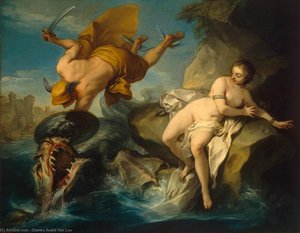
Portrait of Marie Leszczynska, Queen of France – Ένα αξιοσημάντο βασιλικό πορτρέτο. Self Portrait – Προσφέρει μια ματιά στην αυτοεικόνα του καλλιτέχνη. Perseus and Andromeda (πολλαπλές εκδοχές) – Εικονοποιεί την ικανότητα στην απεικόνιση της κλασικής μυθολογίας.

Pupil of Jean-Baptiste van Loo #53

Signature works · The 100 signature works

30of 100

Σαρλ-Ζοζέφ Νατουάρ

Γάλλος Born in Νιμ Ροκοκό Wikipedia in 15/32 languages

Σαρλ-Ζοζέφ Νατουάρ

Signature works · The 100 signature works

31of 100

Franz Anton Maulbertsch

Γερμανός/ Αυστριακός Born in Langenargen Ροκοκό, 巴洛κ Wikipedia in 16/32 languages

Franz Anton Maulbertsch

Signature works · The 100 signature works

32of 100

Σαρλ Αντουάν Κουαπέλ

Γάλλος Born in Παρίσι Μπαρόκ Ροκοκό Wikipedia in 11/32 languages

Σαρλ Αντουάν Κουαπέλ

Signature works · The 100 signature works

33of 100

Adélaïde Labille-Guiard

French Born in Paris Rococo to Neoclassicism Wikipedia in 20/32 languages

Adélaïde Labille-Guiard

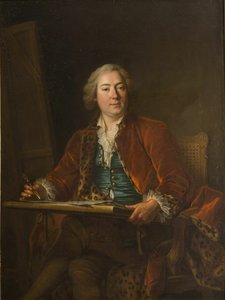
Adélaïde Labille-Guiard (1749–1803) stands as a remarkable figure in the history of French art, not merely for her exquisite portraits but also for her courageous challenge to the restrictive conventions that governed women’s roles within the artistic world. She defied societal expectations, navigated institutional barriers, and ultimately paved the way for future generations of female painters.

Signature works · The 100 signature works

34of 100

Ντμίτρι Γκριγκόριεβιτς Λεβίτσκυ

Ουκρανο-Ρώσος Born in Κίεβο Κλασική Πορτραϊριστική Wikipedia in 16/32 languages

Ντμίτρι Γκριγκόριεβιτς Λεβίτσκυ

Signature works · The 100 signature works

38of 100

Τζανμπαττίστα Πιττόνι

Born in Βενετία Late Baroque, Rococo Wikipedia in 19/32 languages

Τζανμπαττίστα Πιττόνι

Classical Mythology: His depictions of tales such as The Continence of Scipio and Bacchus and Ariadne highlight his skill in rendering the grandeur and drama of ancient legends with a distinctly Venetian flair.

Pupil of Antonio Balestra #69

Signature works · The 100 signature works

41of 100

Φρανσουά Ομπέρ Ντρουά

Born in Παρίσι Rococo Wikipedia in 12/32 languages

Φρανσουά Ομπέρ Ντρουά

Through his eyes, we witness the quiet dignity and understated elegance of figures such as Madame Jacques Benoit Loys and the Comte de Vaudreuil.

Signature works · The 100 signature works

42of 100

Βλαντιμίρ Λουκίτς Μποροβίσκοβσκι

Born in Μίρχοροντ Wikipedia in 14/32 languages

Βλαντιμίρ Λουκίτς Μποροβίσκοβσκι

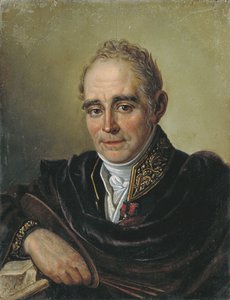
Stylistic Characteristics: Borovikovsky’s portraits are known for their intimacy, sentimental quality, and delicate rendering of textures. Influences: He was influenced by Dmitry Levitzky and Johann Baptist Lampi, receiving private lessons from both.

Signature works · The 100 signature works

45of 100

Elisabeth-Louise Vigée-Lebrun

Elisabeth-Louise Vigée-Lebrun

The French Revolution brought upheaval to Vigée Le Brun’s world. In 1792, fearing for her safety, she fled Paris with her daughter, embarking on an exile that would last over a decade. Vigée Le Brun returned to France after the fall of Napoleon in 1804.

Signature works · The 100 signature works

46of 100

Κοράντο Γιακίντο

Ιταλικός Born in Μολφέττα Ροκοκό Wikipedia in 11/32 languages

Κοράντο Γιακίντο

Signature works · The 100 signature works

47of 100

Γιόχαν Χάινριχ Τίշμπαϊν

Γερμανός Born in Χάινα Ροκοκό Wikipedia in 10/32 languages

Γιόχαν Χάινριχ Τίշμπαϊν

The historical importance of Johann Heinrich Tischbein the Elder extends far beyond his individual achievements; he served as the cornerstone of a multi-generational artistic dynasty. His appointment as the court painter to William VIII, Landgrave of Hesse-Kassel, marked a pinnacle in his professional life.

Signature works · The 100 signature works

48of 100

Κρίστιαν Βίλχελμ Ερνστ Ντίτριχ

German Born in Βαιμάρ Imitation of Dutch & Italian masters Wikipedia in 11/32 languages

Κρίστιαν Βίλχελμ Ερνστ Ντίτριχ

He was an artist who found his voice through the voices of others, ensuring that the brilliance of the Dutch and Italian masters continued to shine brightly within the German courts.

Signature works · The 100 signature works

49of 100

Charles Amédée Philippe Van Loo

French Born in Rivoli Rococo, Portraiture Wikipedia in 13/32 languages

Charles Amédée Philippe Van Loo

Vanloo's artistic style was deeply rooted in the traditions of the Baroque and Roman art academies, but he also drew inspiration from the work of contemporary artists such as Nicolas Lancret and Jean-Honoré Fragonard. His compositions are often dynamic and asymmetrical, creating a sense of movement and energy.

Pupil of Jean-Baptiste van Loo #53

Signature works · The 100 signature works

50of 100

Γκουστάφ Λούντμπεργ

Σουηδός Born in Στοκχόλμη Ροκοκό ζωγράφος παστέλ Wikipedia in 14/32 languages

Γκουστάφ Λούντμπεργ

Beyond the halls of Versailles, Lundberg maintained deep ties to his Swedish roots, acting as a cultural bridge between Paris and Stockholm. Cultural Synthesis: He successfully blended the technical rigor of French academic painting with the soft, expressive qualities of the Venetian school. Immersed in the rigorous traditions of French academies, he studied under luminaries such as Hyacinthe Rigaud and Nicolas de Largillière, absorbing the grandiosity of classical portraiture.

Pupil of Jean-François De Troy #25

Signature works · The 100 signature works

51of 100

Λαγκρενέ Ο Λớος

English Born in Παρίσι Romanticism, Animal Painting Wikipedia in 15/32 languages

Λαγκρενέ Ο Λớος

Landscape with Salmacis and Hermaphroditus, ένα εξαιρετικό δείγμα της δεξιοτεχνίας του στη ζωγραφική ελαίου, το οποίο στεγάζεται σήμερα στο Mauritshuis (Το Όχρη, Ολλανδία).

Signature works · The 100 signature works

53of 100

Jean-Baptiste van Loo

French Born in Aix-en-Provence Baroque, Rococo Wikipedia in 15/32 languages

Jean-Baptiste van Loo

His father, Louis-Abraham van Loo, himself the son of Jacob van Loo, instilled in him not only technical skill but also an appreciation for the power and prestige associated with portraiture.

Signature works · The 100 signature works

54of 100

John Wollaston

English Rococo Painting

John Wollaston

His work bears an unmistakable resemblance to the portraits of Thomas Hudson and Allan Ramsay, capturing not just the likeness of his subjects but the very essence of their social standing. His journey across the Atlantic in 1749 marked a transformative chapter for both the artist and the colonies. While later giants like Benjamin West and Gilbert Stuart would command the spotlight of American portraiture, Wollaston’s true contribution lies in his role as a pioneer, introducing the delicate elegance and shimmering sophistication of the Rococo style to North America.

Signature works · The 100 signature works

55of 100

Καρλ Γουστώς Πιλό

Svensk Born in Runtuna Rokoko Wikipedia in 12/32 languages

Καρλ Γουστώς Πιλό

Signature works · The 100 signature works

56of 100

Anna Dorothea Therbusch

German Born in Berlin Rococo Wikipedia in 13/32 languages

Anna Dorothea Therbusch

Anna Dorothea Therbusch (1721-1782) stands as a remarkable figure in the annals of Rococo art history —a woman artist who defied societal expectations and achieved considerable renown during the Enlightenment. Born into a family steeped in artistic tradition, her father, Georg Lisiewski, was himself a celebrated Berlin portrait painter, establishing a lineage dedicated to visual representation. Therbusch's artistic journey took an extraordinary turn when she relocated to Paris in 1765, seeking opportunities for advancement within the vibrant artistic landscape of the French capital.

Signature works · The 100 signature works

59of 100

Michele Marieschi

Italian Born in Venice Vedute Venice Wikipedia in 9/32 languages

Michele Marieschi

In the golden age of the Venetian Rococo, few artists captured the ephemeral magic of the Serenissima with as much vitality as Michele Giovanni Marieschi. Scholars often point to the influence of masters such as Gaspare Diziani and the legendary Canaletto, whose works provided a blueprint for capturing the grandeur of urban environments.

Signature works · The 100 signature works

60of 100

Antonio Corradini

Italian Born in Este Rococo

Antonio Corradini

Corradini’s artistic significance lies not only in his technical virtuosity but also in his role as a transitional figure between the Baroque and Rococo movements. He built upon the dramatic energy of the former while embracing the lightness, elegance, and playful sensuality of the latter. After leaving Vienna, Corradini spent his final years in Rome and Naples, continuing to refine his art until his death in 1752.

Signature works · The 100 signature works

61of 100

Μάισεν

Γερμανός Born in Μάισεν Κεραμικό σκληρό πλασματισμός (Hard-paste porcelain)

Μάισεν

"Αλληγορικές Σκέψεις της Αρετής" – Καταδεικνύει την ικανότητα του εργοστασίου να αποτυπώνει σύνθετες έννοιες σε γλυπτική μορφή, αναδεικνύοντας λεπτομερή λεπτομέρειες και εξεrefined καλλιτεχνική όραση. "Κάτω Λεοπάρδος" – Αντιπροσωπεύει ένα επιδεξιοτεχνό μείγμα ρεαλισμού και κομψότητας, αντανακλώντας την αφοσίωση του Meissen στην απεικόνιση των ζώων με αξιοσημείωτη ακρίβεια και χάρη.

Signature works · The 100 signature works

62of 100

Gerard van Spaendonck

Born in Tilburg Wikipedia in 12/32 languages

Gerard van Spaendonck

He contributed over fifty works to Les Vélins du Roi, a renowned collection of botanical watercolors commissioned by the French royal family. These pieces demonstrate his exceptional skill in capturing the nuances of floral forms. 1788: Appointed as an advisor to the Académie. 1795: Became a founding member of the Institut de France. 1804: Received the Légion d'honneur and was ennobled by Napoleon Bonaparte, acknowledging his contributions to French art and culture.

Signature works · The 100 signature works

63of 100

Ιωσήφ Χάιμορς

Βρετανός Born in Λονδίνο Ροκοκό Wikipedia in 10/32 languages

Ιωσήφ Χάιμορς

He continued to refine his craft until his retirement to Canterbury in 1762, where he lived with his daughter and son-in-law, pursuing scholarly interests alongside his artistic pursuits.

Signature works · The 100 signature works

66of 100

Φράνσις Χέιμαν

English Born in Έξετερ Rococo Wikipedia in 10/32 languages

Φράνσις Χέιμαν

Signature works · The 100 signature works

67of 100

Λουί Τοκέ

French Born in Παρίσι Portrait painting Wikipedia in 11/32 languages

Λουί Τοκέ

Nattier’s atelier became Tocqué’s formative environment, where he honed his skills under the tutelage of masters like Hyacinthe Rigaud and Nicolas Bertin. Invited to Copenhagen, he accepted a position at the Royal Danish Academy of Fine Arts, where he not only taught but also produced stunning portraits of the Danish royal family.

Signature works · The 100 signature works

69of 100

Antonio Balestra

Born in Verona Wikipedia in 11/32 languages

Antonio Balestra

By 1690, Balestra moved to Venice, where he further honed his skills under the guidance of Antonio Bellucci for three years. Venetian Influence: His time in Venice instilled a sense of color and dramatic composition. He then traveled to Bologna and subsequently Rome, working in the workshop of the renowned Carlo Maratta.

Signature works · The 100 signature works

71of 100

Georg Desmarées

Swedish-German Born in Stockholm City Rococo, Portraiture Wikipedia in 9/32 languages

Georg Desmarées

His early works, heavily influenced by his uncle Meytens and the French masters, exhibited a meticulous attention to detail and a restrained elegance. However, the Venetian influence introduced a new dynamism – a play of light and shadow that imbued his portraits with greater emotional depth and visual intrigue. Other notable works include portraits of members of the Elector’s family, such as The Countess Holstein (Lenbachhaus, Munich) and The Princess Portia (Staatsgalerie, Stuttgart).

Signature works · The 100 signature works

73of 100

Κορνέλις Τροστ

Ολλανδός Born in Άμστερνταμ Rοκοκό σκηνές είδους Wikipedia in 8/32 languages

Κορνέλις Τροστ

Signature works · The 100 signature works

74of 100

Jacques De Lajoue

French Born in Paris Neoclassical Painting Wikipedia in 8/32 languages

Jacques De Lajoue

In pieces such as " Fantaisie architecturale," the viewer is invited to wander through spaces where neoclassical elegance meets the untamed beauty of nature. While his name may not resonate with the same immediate thunder as contemporaries like Boucher or Watteau, Lajoue occupied a unique niche in the French canon, serving as an artist who could bridge the gap between the rigid grandeur of classical structure and the delicate, emotive spirit of the Rococo.

Signature works · The 100 signature works

77of 100

Per Krafft the Elder

Swedish Born in Arboga Rococo Wikipedia in 7/32 languages

Per Krafft the Elder

Beyond his individual achievements, Per the Elder Krafft’s historical significance is cemented by the artistic legacy he left within his own family. Ultimately, the work of Per the Elder Krafft remains a vital touchstone for understanding the cultural heartbeat of eighteenth-century Sweden. His children, Per Krafft the Younger and the miniaturist Wilhelmina Krafft, both studied at the Royal Swedish Academy of Fine Arts, carrying forward the technical excellence and emotive depth instilled by their father.

Signature works · The 100 signature works

78of 100

Johann Georg Pinzel

Ukrainian, Czech Born in Buchach Baroque, Rococo

Johann Georg Pinzel

His close collaboration with architect Bernard Meretyn proved pivotal. This synergy is particularly evident in projects like the Buchach Town Hall (1750s) and the Trinitarian Church (1756-1757), where architecture and sculpture coalesce into a unified expression of Baroque grandeur. Despite his prolific output, Pinsel’s life ended relatively early, between September 16, 1761, and October 24, 1762, likely in Buchach.

Signature works · The 100 signature works

79of 100

Alessandro Longhi

Born in Venice Wikipedia in 10/32 languages

Alessandro Longhi

Unlike some contemporaries who focused on grand historical or mythological scenes, Longhi concentrated on portraying individuals within their social context. His portraits often feature elaborate robes and emblems of office, reflecting his subjects’ positions and power – a characteristic noted in comparison to artists like Sebastiano Bombelli. This is evident in the “tumultuous and unusual” quality of his etchings, as described by Olimpia Theodoli, showcasing a first-hand knowledge of Rembrandt's techniques.

Signature works · The 100 signature works

80of 100

Giuseppe Bonito

Italian Born in Castellammare di Stabia Rococo Wikipedia in 11/32 languages

Giuseppe Bonito

His journey was shaped by the prestigious studio of Francesco Solimena, the titan of Neapolitan painting, whose influence provided Bonito with a rigorous foundation in composition and light. While he possessed the technical mastery required for grand religious commissions—such as his ambitious altarpieces for the Caserta Royal Palace—he found his true voice in the genre scene. The historical significance of Giuseppe Bonito lies in his role as a chronicler of the Neapolitan spirit.

Signature works · The 100 signature works

82of 100

Λουί Ντε Σιλβέστρ

Γάλλος Born in Σο, Μπαρόκ, Ροκοκό Wikipedia in 7/32 languages

Λουί Ντε Σιλβέστρ

Amongst his most celebrated Dresden works are the frescos depicting scenes from Ovid’s Metamorphoses. The “ Arion playing the Lyre ” is a particularly striking example, capturing the drama and emotion of the myth in a visually stunning composition. He represents a crucial link between the Baroque traditions of France and the emerging Rococo style, embodying a synthesis of classical learning and aristocratic patronage.

Signature works · The 100 signature works

83of 100

Luis Paret Y Alcázar

Spanish Born in Madrid Rococo Wikipedia in 8/32 languages

Luis Paret Y Alcázar

In the vibrant, sun-drenched tapestry of 18th-century Spain, few artists captured the delicate interplay of light and social elegance as masterfully as Luis Paret y Alcázar. Under the tutelage of Antonio González Velázquez, he absorbed the rigorous techniques of the Spanish tradition, yet his spirit yearned for something more cosmopolitan. His influence traveled across oceans, notably shaping the trajectory of Puerto Rican art through his pupil, José Campeche.

Signature works · The 100 signature works

84of 100

Γιόχαν Σαλόμον Βάλ

Γερμανική, Δανική Born in Χέμνιτς Wikipedia in 5/32 languages

Γιόχαν Σαλόμον Βάλ

Signature works · The 100 signature works

85of 100

Giuseppe Nogari

Italian Born in Venice Rococo Wikipedia in 8/32 languages

Giuseppe Nogari

His talent attracted the attention of powerful international patrons, most notably the German nobility residing in Venice, such as Sigismund Streit and Johann Matthias von der Schulenburg.

Signature works · The 100 signature works

86of 100

Ζαν Ρανκ

French Born in Μονπελιέ Baroque/Neoclassical Wikipedia in 8/32 languages

Ζαν Ρανκ

Rigaud's influence extended beyond technique; he championed a new iconography for the Bourbon monarchy, emphasizing dignity and composure—principles Ranc skillfully adopted in his portraits. Notable Commissions: Ranc’s portraits of Verdier and Carlos III exemplify his dedication to capturing character and conveying emotion through nuanced observation. Jean Ranc's contribution to 18th-century portraiture lies in his embodiment of the Rigaudian style—a synthesis of Baroque grandeur and Rococo delicacy that solidified its position as a dominant aesthetic during Philip V’s reign.

Signature works · The 100 signature works

87of 100

Ναθανιέλ Χον Ο Παλαιότερος

Irish Born in Δουβλίν Barbizon landscapes & Rococo portraiture Wikipedia in 4/32 languages

Ναθανιέλ Χον Ο Παλαιότερος

His depictions of figures like ‘The Honourable Mrs Curzon,’ exemplify Rococo elegance, utilizing pastel hues and delicate ornamentation to convey aristocratic status. “ Portrait of a Gentleman ” (circa 1770): Hone’s depiction of a gentleman exemplifies Neoclassical ideals through its restrained composition and idealized portrayal. Despite a relatively short career, Hone I left an indelible mark on British art history.

Signature works · The 100 signature works

88of 100

Jean Raoux

French Born in Montpellier Symbolist Art Wikipedia in 7/32 languages

Jean Raoux

While not achieving the widespread renown of contemporaries like Watteau or Boucher, Raoux carved a unique niche for himself with his subtly evocative portraits and scenes imbued with a delicate, almost melancholic charm. Raoux’s works were widely disseminated through engravings by prominent artists such as Poilly, Moyreau, and Dupuis, ensuring that his style reached a broader audience.

Signature works · The 100 signature works

90of 100

Francesco Zugno

Italian Born in Venice Rococo Wikipedia in 6/32 languages

Francesco Zugno

Within the luminous and often overwhelming splendor of eighteenth-century Venice, the name Francesco Zugno emerges as a vital, if somewhat enigmatic, thread in the tapestry of the Rococo era. His early years were shaped by the prestigious traditions of his ancestors, including the fifteenth-century painter Giambattista Zugno, and he received formal training at the Academy of Painting and Sculpture of Venice.
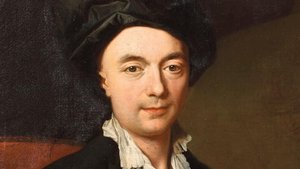
Signature works · The 100 signature works

91of 100

Joseph Boze

French Born in Martigues Portraiture Wikipedia in 7/32 languages

Joseph Boze

Notably, he survived the Reign of Terror thanks to his unwavering loyalty and diplomatic connections, demonstrating an astute awareness of political realities. The Palace of Versailles became his canvas for many years, where he created stunning depictions of royal families and dignitaries. Despite the upheavals of his time, Joseph Boze persevered, continuing to produce portraits until his death in Paris in 1826.

Signature works · The 100 signature works

92of 100

Louis Joseph Watteau

French Born in Valenciennes Fêtes galantes Wikipedia in 6/32 languages

Louis Joseph Watteau

Watteau’s formative years were marked by a privileged upbringing within the aristocratic circles of Lille, Belgium. His father, Jean Watteau, was a silk merchant and instilled in François a keen appreciation for craftsmanship and visual aesthetics. Watteau’s aesthetic ideals—characterized by elegance, grace, and a preoccupation with sensual pleasure—became synonymous with the aristocratic culture of the Enlightenment.

Signature works · The 100 signature works

93of 100

Jacobus Buys

Dutch Born in Amsterdam Rococo Wikipedia in 5/32 languages

Jacobus Buys

His studies under Pronk and de Wit undoubtedly shaped his understanding of color theory and composition, while Troost likely instilled in him a deeper appreciation for portraiture techniques. Buys’s ability to seamlessly blend these influences—the Dutch tradition of realism with the French Rococo's emphasis on elegance and ornamentation—is what sets him apart. The influence of earlier Dutch masters is subtly present in Buys's work, particularly in his meticulous attention to detail and the use of light and shadow reminiscent of the Golden Age painters.

Signature works · The 100 signature works

94of 100

Ιερώνυμος Θηός

Ελβετικός Born in Κουρ Ροκακό Wikipedia in 5/32 languages

Ιερώνυμος Θηός

Theus’s artistic style is characterized by an astute assimilation of prevailing trends from England—specifically Rococo art. Unlike many artists of his time who slavishly imitated Italian models, Theus consciously adopted stylistic elements favored by the British aristocracy, mirroring their penchant for elaborate ornamentation and idealized depictions of beauty.

Signature works · The 100 signature works

95of 100

Vigilius Eriksen

Danish Born in Copenhagen Rococo Wikipedia in 7/32 languages

Vigilius Eriksen

These small-scale works, which included depictions of Frederick V and Catherine the Great, showcased a different facet of his virtuosity, requiring an even more intense focus on minute detail and color gradation.

Signature works · The 100 signature works

96of 100

Georg David Matthieu

German Born in Berlin Rococo Wikipedia in 6/32 languages

Georg David Matthieu

Matthieu utilizes specific elements to communicate status: The inclusion of books and maps to suggest intellectual pursuit and territorial dominion. His friendship with Jakob Philipp Hackert likely brings broader European influences into his practice, particularly through shared study trips to Italy.

Signature works · The 100 signature works

97of 100

Robert Tournières

Born in Ifs Wikipedia in 6/32 languages

Robert Tournières

He skillfully blended elements of Dutch intimacy – particularly evident in his genre scenes – with the emerging lightness and elegance that would come to define the Rococo style. His palette was noted for its delicate coloring, and he demonstrated a keen talent for capturing both pose and drapery. Tournières was deeply influenced by Dutch masters such as Godfried Schalken and Gerard Dou, dedicating considerable study to their techniques.

Signature works · The 100 signature works

98of 100

Jose Del Castillo

Spanish Born in Madrid Neoclassical Wikipedia in 7/32 languages

Jose Del Castillo

Religious Works: Occasional but powerful devotional pieces, such as his depiction of Saint Dominic and Saint Francis, which demonstrated his ability to handle spiritual gravity.

Signature works · The 100 signature works

100of 100

Domenico Duprà

Italian Born in Turin Rococo Wikipedia in 6/32 languages

Domenico Duprà

To reflect upon the breadth of his contributions, one might consider the following pillars of his career: Stylistic Synthesis: The seamless blending of Roman classical training with the light, decorative elegance of French Rococo portraiture. Courtly Service: A distinguished career serving the House of Braganza in Portugal, the Stuart family in Rome, and the House of Savoy in Italy.

Signature works · The 100 signature works

Signature works

Signature Rococo works

  1. Η Πρώτη Επίσκεψη στην Κύθηρα του Αντουάν Βαττώ

    Η Πρώτη Επίσκεψη στην Κύθηρα

    Αντουάν Βαττώ

    1717 · Μουσείο του Λούβρου, Παρίσι

  2. The Stonemason's Yard του Καναλέττο

    The Stonemason's Yard

    Καναλέττο

    1726 · Εθνική Πινακοθήκη Λονδίνου

  3. Annunciation του Τζιοβάνι Μπατίστα Τιέπολο

    Annunciation

    Τζιοβάνι Μπατίστα Τιέπολο

    1724 · Ερμιτάζ, Σουζ ή Αγία Πετρούπολη

  4. Diana getting out of her bath του Φρανσουά Μπουσέ

    Diana getting out of her bath

    Φρανσουά Μπουσέ

    1742

  5. Η Ναογραφία της Νεαρής Γυναίκας που Διαβάζει του Ζαν Ονορέ Φραγκονάρ

    Η Ναογραφία της Νεαρής Γυναίκας που Διαβάζει

    Ζαν Ονορέ Φραγκονάρ

  6. Άνθος περασμένων χρόνων του Ζαν Σιμεόν Σαρντέν

    Άνθος περασμένων χρόνων

    Ζαν Σιμεόν Σαρντέν

    1768 · Μουσείο του Λούβρου, Παρίσι

  7. Conversation in a Park του Τόμας Γκένσμπορο

    Conversation in a Park

    Τόμας Γκένσμπορο

    1740 · Μουσείο του Λούβρου, Παρίσι

  8. Lady Dorothea Harrison (1702–1773) του Τζόσουα Ρέινολντς

    Lady Dorothea Harrison (1702–1773)

    Τζόσουα Ρέινολντς

    1758 · Guildhall Art Gallery, Λονδίνο

A timeline

Rococo through its signature works

  1. 1690
  2. 1724
  3. 1726
  4. 1729
  5. 1735
  6. 1736
  7. 1742
  8. 1744
  9. 1745
  10. 1758
  11. 1763
  12. 1768
  13. 1777
  14. 1780

Figures

The figures

Every name

List of 100 famous Rococo μάστορες της ζωγραφικής, every name

  1. 1Αντουάν ΒαττώΑντουάν ΒαττώΓάλλος · 1684–1721
  2. 2ΚαναλέττοΚαναλέττοItalian · 1697–1768
  3. 3Τζιοβάνι Μπατίστα ΤιέπολοΤζιοβάνι Μπατίστα ΤιέπολοItalian · 1696–1770
  4. 4Φρανσουά ΜπουσέΦρανσουά ΜπουσέΓάλλος · 1703–1770
  5. 5Ζαν Ονορέ ΦραγκονάρΖαν Ονορέ ΦραγκονάρΓάλλος · 1732–1806
  6. 6Ζαν Σιμεόν ΣαρντένΖαν Σιμεόν ΣαρντένΓάλλος · 1699–1779
  7. 7Τόμας ΓκένσμποροΤόμας ΓκένσμποροBritish · 1727–1788
  8. 8Τζόσουα ΡέινολντςΤζόσουα ΡέινολντςBritish · 1723–1792
  9. 9Ζαν-Μπατίστ ΓκρεζΖαν-Μπατίστ ΓκρεζΓάλλος · 1725–1805
  10. 10Μπερνάρντο ΜπελλοττοΜπερνάρντο ΜπελλοττοΙταλιάνος · 1722–1780
  11. 11Φραντσέσκο ΓκουάρντιΦραντσέσκο ΓκουάρντιΙταλός · 1712–1793
  12. 12Πιέτρο ΛόνγκιΠιέτρο ΛόνγκιΙταλός · 1701–1785
  13. 13Τιεπόλο, ΤιεπόλοΤιεπόλο, ΤιεπόλοΙταλιάνος · 1727–1804
  14. 14Τζιοβάνι Μπατίστα ΠιατσεττάΤζιοβάνι Μπατίστα ΠιατσεττάΙταλός · 1683–1754
  15. 15Νικολά ΛανκρέΝικολά Λανκρέ1689–1743
  16. 16Ζοζέφ ΒερνέΖοζέφ Βερνέ1714–1789
  17. 17Ροζάλμπα ΚαρριέραΡοζάλμπα ΚαρριέραΙταλίδα · 1675–1757
  18. 18Ζαν-Μαρκ ΝατιέΖαν-Μαρκ ΝατιέΓάλλος · 1685–1766
  19. 19Μωρίς Κεντέν ντε Λα ΤουρΜωρίς Κεντέν ντε Λα ΤουρΓάλλος · 1704–1788
  20. 20Αλεξάντερ ΡόσλινΑλεξάντερ Ρόσλιν1718–1793
  21. 21Ιωάννης ΖόφηνόςΙωάννης ΖόφηνόςΓερμανός · 1733–1810
  22. 22Λουί-Μισέλ βαν ΛουΛουί-Μισέλ βαν ΛουFrench · 1707–1771
  23. 23Ζαν-Ετιέν ΛιοτάρΖαν-Ετιέν ΛιοτάρΕλβετός · 1702–1789
  24. 24Φρανσουά ΛεμουάνΦρανσουά Λεμουάν1688–1737
  25. 25Jean-François De TroyJean-François De Troy1645–1730
  26. 26Ζαν-Μπαστίστ Σιμων ΤσαρίνΖαν-Μπαστίστ Σιμων ΤσαρίνΓάλλος · 1695–1736
  27. 27Σαρλ Αντρέ βαν ΛουΣαρλ Αντρέ βαν ΛουΓάλλος · 1705–1765
  28. 28ΦρανচেስΚο ΖουκαρέλιΦρανচেስΚο ΖουκαρέλιΙταλός · 1702–1788
  29. 29Γιάκοπο ΑμιγκόνιΓιάκοπο ΑμιγκόνιΙταλός · 1682–1752
  30. 30Σαρλ-Ζοζέφ ΝατουάρΣαρλ-Ζοζέφ ΝατουάρΓάλλος · 1700–1777
  31. 31Franz Anton MaulbertschFranz Anton MaulbertschΓερμανός/ Αυστριακός · 1724–1796
  32. 32Σαρλ Αντουάν ΚουαπέλΣαρλ Αντουάν ΚουαπέλΓάλλος · 1694–1752
  33. 33Adélaïde Labille-GuiardAdélaïde Labille-GuiardFrench · 1749–1803
  34. 34Ντμίτρι Γκριγκόριεβιτς ΛεβίτσκυΝτμίτρι Γκριγκόριεβιτς ΛεβίτσκυΟυκρανο-Ρώσος · 1735–1822
  35. 35Ζαν-Μπατίστ ΠιγκαλέΖαν-Μπατίστ Πιγκαλέ1725–1805
  36. 36Άννα Βαλλαιέρ-ΚόστερΆννα Βαλλαιέρ-ΚόστερΓαλλική · 1744–1818
  37. 37Λουδοβίκος ΛαγκρανέΛουδοβίκος ΛαγκρανέΓάλλος · 1756–1827
  38. 38Τζανμπαττίστα ΠιττόνιΤζανμπαττίστα Πιττόνι1687–1767
  39. 39Κασπάρ φαν ΒίττελΚασπάρ φαν ΒίττελΟλλανδός · 1653–1736
  40. 40Φώτωρ Στεπάνοβιτς ΡοκότοφΦώτωρ Στεπάνοβιτς Ροκότοφ1730–1808
  41. 41Φρανσουά Ομπέρ ΝτρουάΦρανσουά Ομπέρ Ντρουά1727–1775
  42. 42Βλαντιμίρ Λουκίτς ΜποροβίσκοβσκιΒλαντιμίρ Λουκίτς Μποροβίσκοβσκι1757–1825
  43. 43Αντουάν ΠεσνΑντουάν ΠεσνΓαλλική · 1683–1757
  44. 44Άλαν ΡάμσεϊΆλαν Ράμσεϊ1713–1784
  45. 45Elisabeth-Louise Vigée-LebrunElisabeth-Louise Vigée-Lebrun
  46. 46Κοράντο ΓιακίντοΚοράντο ΓιακίντοΙταλικός · 1703–1766
  47. 47Γιόχαν Χάινριχ ΤίշμπαϊνΓιόχαν Χάινριχ ΤίշμπαϊνΓερμανός · 1722–1789
  48. 48Κρίστιαν Βίλχελμ Ερνστ ΝτίτριχΚρίστιαν Βίλχελμ Ερνστ ΝτίτριχGerman · 1712–1774
  49. 49Charles Amédée Philippe Van LooCharles Amédée Philippe Van LooFrench · 1719–1795
  50. 50Γκουστάφ ΛούντμπεργΓκουστάφ ΛούντμπεργΣουηδός · 1695–1786
  51. 51Λαγκρενέ Ο ΛớοςΛαγκρενέ Ο ΛớοςEnglish · 1725–1805
  52. 52Τζάκομπ Ντε ΒίτΤζάκομπ Ντε ΒίτΟλλανδός · 1695–1754
  53. 53Jean-Baptiste van LooJean-Baptiste van LooFrench · 1684–1745
  54. 54John WollastonJohn WollastonEnglish · 1742–1775
  55. 55Καρλ Γουστώς ΠιλόΚαρλ Γουστώς ΠιλόSvensk · 1711–1793
  56. 56Anna Dorothea TherbuschAnna Dorothea TherbuschGerman · 1721–1782
  57. 57Γιόχαν Γκιοργ ΠλάτσερΓιόχαν Γκιοργ ΠλάτσερΑυστριακός · 1704–1761
  58. 58Ναθαναέλ ΧονΝαθαναέλ ΧονΟλλανδός · 1718–1784
  59. 59Michele MarieschiMichele MarieschiItalian · 1710–1743
  60. 60Antonio CorradiniAntonio CorradiniItalian · 1668–1752
  61. 61ΜάισενΜάισενΓερμανός · γεννημένος το 1710
  62. 62Gerard van SpaendonckGerard van Spaendonck1746–1822
  63. 63Ιωσήφ ΧάιμορςΙωσήφ ΧάιμορςΒρετανός · 1692–1780
  64. 64Ζαν Ζακ ΚαφιέριΖαν Ζακ ΚαφιέριΓάλλος · 1678–1755
  65. 65Ζαν-Μπατίστ ΠερονώΖαν-Μπατίστ ΠερονώΓαλλικός · 1715–1783
  66. 66Φράνσις ΧέιμανΦράνσις ΧέιμανEnglish · 1708–1776
  67. 67Λουί ΤοκέΛουί ΤοκέFrench · 1696–1772
  68. 68Ντόνατο ΚρέτιΝτόνατο ΚρέτιΙταλός · 1671–1749
  69. 69Antonio BalestraAntonio Balestra1666–1740
  70. 70Γκάσπαρε ΤραβέρσιΓκάσπαρε ΤραβέρσιΙταλός · 1722–1770
  71. 71Georg DesmaréesGeorg DesmaréesSwedish-German · 1697–1776
  72. 72Ζαν-Μπατίστ ΠιλμάνΖαν-Μπατίστ ΠιλμάνΓαλλική · 1728–1808
  73. 73Κορνέλις ΤροστΚορνέλις ΤροστΟλλανδός · 1696–1750
  74. 74Jacques De LajoueJacques De LajoueFrench · 1686–1761
  75. 75Ρίchard ΚοσουάιΡίchard ΚοσουάιΒρετανός · 1742–1821
  76. 76Φίλιπ ΜερσιέΦίλιπ ΜερσιέΓάλλος · 1689–1760
  77. 77Per Krafft the ElderPer Krafft the ElderSwedish · 1724–1793
  78. 78Johann Georg PinzelJohann Georg PinzelUkrainian, Czech · 1715–1761
  79. 79Alessandro LonghiAlessandro Longhi1733–1813
  80. 80Giuseppe BonitoGiuseppe BonitoItalian · 1707–1789
  81. 81Κριστόφ ΧουέΚριστόφ ΧουέΓάλλος · 1700–1759
  82. 82Λουί Ντε ΣιλβέστρΛουί Ντε ΣιλβέστρΓάλλος · 1675–1760
  83. 83Luis Paret Y AlcázarLuis Paret Y AlcázarSpanish · 1746–1799
  84. 84Γιόχαν Σαλόμον ΒάλΓιόχαν Σαλόμον ΒάλΓερμανική, Δανική · 1689–1765
  85. 85Giuseppe NogariGiuseppe NogariItalian · 1699–1766
  86. 86Ζαν ΡανκΖαν ΡανκFrench · 1674–1735
  87. 87Ναθανιέλ Χον Ο ΠαλαιότεροςΝαθανιέλ Χον Ο ΠαλαιότεροςIrish · 1718–1784
  88. 88Jean RaouxJean RaouxFrench · 1677–1734
  89. 89Εdouard Honoré AveΕdouard Honoré AveΓάλλος · 1818–1890
  90. 90Francesco ZugnoFrancesco ZugnoItalian · 1708–1787
  91. 91Joseph BozeJoseph BozeFrench · 1745–1826
  92. 92Louis Joseph WatteauLouis Joseph WatteauFrench · 1731–1798
  93. 93Jacobus BuysJacobus BuysDutch · 1724–1801
  94. 94Ιερώνυμος ΘηόςΙερώνυμος ΘηόςΕλβετικός · 1716–1774
  95. 95Vigilius EriksenVigilius EriksenDanish · 1722–1782
  96. 96Georg David MatthieuGeorg David MatthieuGerman · 1737–1778
  97. 97Robert TournièresRobert Tournières1667–1752
  98. 98Jose Del CastilloJose Del CastilloSpanish · 1737–1793
  99. 99Αγοστίνος ΜπρουνιάςΑγοστίνος ΜπρουνιάςΙταλός · 1730–1796
  100. 100Domenico DupràDomenico DupràItalian · 1689–1770

Questions

Your questions

Read

Stories on OriginalUniqueArt.com

Other movements

Famous artists of other movements

Other periods

Famous artists across the periods

Discover more

More artists to discover