1of 100
Λεονάρντο Ντα Βίντσι 1452–1519
Ιταλός Born in Αντσιάνο Υψηλή Αναγέννηση Wikipedia in 32/32 languages

Renaissance, one artist at a time
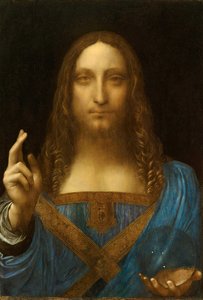
Λεονάρντο Ντα Βίντσι (1452–1519) is the most famous Renaissance μάστορας, whose singular vision gave us Το Τελευταίο Δείπνο και Σαλβατόρ Μούντι. Next stand Μιχαήλ Άγγελος, Άλμπρεχτ Ντύρερ, Ραφαήλ και Τζόττο. These 100 μάστορες της ζωγραφικής, from Τσιμαμπούε (born 1240) to Λούκα Τζορντάνο (born 1634), came from 8 countries.
Our selection. Artists whose works our catalogue attaches to Renaissance, in the order of our fame ranking. Artists born after 1955 with no Wikidata identifier stay out until verified. The Wikipedia figure counts our 32 languages with an article on the artist.
In brief
One artist at a time
1of 100
Ιταλός Born in Αντσιάνο Υψηλή Αναγέννηση Wikipedia in 32/32 languages
2of 100
Ιταλιάνος Born in Καπρέζε Μικελάντζελο Γειακές Αναγέννηση, Μανιερισμός Wikipedia in 32/32 languages

Born in 1475, Michelangelo di Lodovico Buonarroti Simoni spent his early years near Settignano, where his father owned a quarry. By the time he reached Rome in 1496, he was already carving figures that possessed a heavy, palpable presence. The Pietà, completed in 1499, shows this early ability to make marble appear as soft as flesh, even as it carries the weight of a dead man.
3of 100
Γερμανός Born in Νυρεμβέργη Βόρεια Αναγέννηση Wikipedia in 32/32 languages
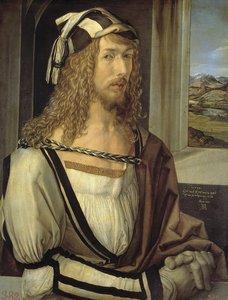
He did not merely observe the surface of things; he applied a rigorous, analytical approach to the way light falls upon a limb or how a body occupies space. He took the meticulous, sharp-edged precision of the Northern European tradition and infused it with the grace and harmonious composition he encountered in Italy. Even in his later years, his curiosity remained active, leading him through the Netherlands between 1520 and 1521.
Where to see In London, the British Museum holds a vast assembly of sixty-seven of his works, offering a deep look into the precision of his vision.
4of 100
Ιταλιάνος Born in Ουρμπίνο Ύψλοτερη Αναγέννηση Wikipedia in 32/32 languages

6of 100
Ιταλός Born in Πιέβε ντι Καντόρε Ρενασαμέντο, Βενετσιάνικο Wikipedia in 32/32 languages

As the years passed, the soft, ethereal qualities of his youth gave way to something much more muscular and dramatic. He moved away from the quietude of his early training to embrace a bolder approach to color. His paintings remain in the great collections of the world, from the Prado in Madrid to the National Gallery in London, serving as a permanent record of a man who mastered the art of seeing.
7of 100
Ιταλιάνος Born in Φλωρεντία Πρώιμη Αναγέννηση Wikipedia in 31/32 languages
8of 100
Ιταλός Born in Σαν Τζοβάνι Βαλντάρνο Πρώιμη Αναγέννηση Wikipedia in 31/32 languages

9of 100
Ολλανδός Born in Σέρτοχενμπος Σουρεαλισμός, Συμβολισμός Wikipedia in 32/32 languages

He does not seek the smooth, invisible surface favored by many of his contemporaries. Through the precise use of glazing—layering thin, translucent washes of color—he achieves a sense of luminous depth and intricate texture. Pieter Bruegel the Elder emerges as his most significant follower, adopting and expanding upon the complex compositional structures and moralizing themes that Bosch pioneered.
Where to see The weight of Bosch's legacy is concentrated heavily in Madrid.
10of 100
Italian Born in Σανσεπόλκρο Early Renaissance Wikipedia in 30/32 languages

11of 100
Φλαμανδός Born in Μπρέντα Βόρεια Αναγέννηση Wikipedia in 32/32 languages

His path into the arts began around 1545 when he entered the workshop of Pieter Coecke van Aelst. Between 1551 and 1552, he was admitted as a free master into the Guild of Saint Luke in Antwerp. By 1552, he had reached Rome and even traveled as far south as Reggio Calabria.
Where to see In Vienna, the Kunsthistorisches Museum holds a vast assembly of his creations, preserving many of the scenes that once filled the halls of the powerful.
13of 100
Ιταλός Born in Πάδοβα Πρώιμη Αναγέννηση Wikipedia in 30/32 languages

Born near Padua around 1431, Andrea Mantegna entered the world of art through a complex and somewhat contentious apprenticeship. His social and professional standing continued to expand through strategic connections; in 1453, he married into the Venetian Bellini firm, a move that linked his burgeoning career to one of the most significant artistic lineages in the region. Within Italy, his stylistic innovations traveled through his family connections, notably affecting his brother-in-law Giovanni Bellini.
Where to see The physical presence of Mantegna’s vision remains scattered across the major cultural centers of Europe and the Americas.
14of 100
Ιταλιάνος Born in Καστελφράνκο Βένετο Βενετιανή Σχολή Wikipedia in 31/32 languages

While the exact year of his birth remains a subject of debate, his presence in the Venetian art scene was established early. Records identify him as a colleague of the master Vincenzo Catena. Beyond Titian, his direct teaching shaped the hands of several notable figures, including Dosso Dossi, Giovanni da Udine, Andrea Schiavone, and Francesco Torbido.
Where to see His presence is felt most strongly in Vienna, where the Kunsthistorisches Museum houses several significant pieces, including the Portrait of Francesco Maria della Rovere.
15of 100
Ιταλιάνος Born in Πρατοβετσίου Wikipedia in 31/32 languages
Mary's Presentation in the Temple - Duomo, Prato. Funerary Monument to Sir John Hawkwood - Duomo, Florence.
16of 100
Γερμανός Born in Άουγκσμπουργκ Βόρεια Αναγέννηση Wikipedia in 29/32 languages

Holbein’s work operates through a Northern Renaissance style that prioritizes a hyper-realistic clarity. He did not rely on vague impressions; instead, he used oil paint to achieve vivid colors and a level of precise detail that makes the subjects feel immediate. Through his brush, we see the faces and the intellectual weight of the humanists who shaped European thought, such as Desiderius Erasmus and Thomas More.
Where to see The National Gallery in London maintains a significant presence of his output, providing a direct link to the Tudor era through several of his portraits.
17of 100
Ιταλιάνος Born in Σιένα Σιενέζικη Σχολή, Γοτθικό Τρεκέντο Wikipedia in 31/32 languages

18of 100
Ιταλός Born in Φλωρεντία Βυζαντινή & Αναγέννηση Wikipedia in 28/32 languages

He was a child of the Florentine streets, growing up in a landscape where the heavy, golden formality of the East met a new, restless desire for something more human. While the exact details of his childhood remain veiled by the passage of centuries, his early years were clearly shaped by the rigorous discipline of the Florentine workshops.
Where to see To follow the path of his brush is to travel across the great cities of Europe and beyond.
19of 100
Ιταλιάνος Born in Βερόνα Μανιερισμός, Φυσιοκρατισμός, Βενετσιάνικη σχολή Wikipedia in 31/32 languages

20of 100
Italian Born in Βενετία Venetian Renaissance Wikipedia in 30/32 languages
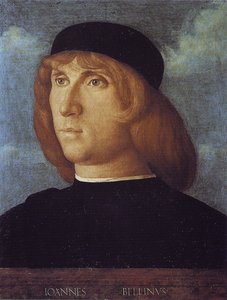
However, as he matured, he began to move away from this rigid clarity. This mastery of the medium changed the very nature of Venetian painting, moving it toward a more sensuous and coloristic style.
Where to see To walk through the halls of the Gallerie dell'Accademia di Venezia is to encounter the very heart of his legacy, for this collection holds twenty-four of his works.
21of 100
Ιταλός Born in Φλωρεντία Πρώινο Αναγέννησης Wikipedia in 31/32 languages

22of 100
Γερμανός Born in Κρόναχ Γερμανική Αναγέννηση Wikipedia in 31/32 languages

23of 100
Italian Born in Τσιττά ντελλα Πιέβε Renaissance Wikipedia in 30/32 languages

«Η Παναγία και το Παιδί περιτριβασμένη από δύο Άγγελο»: Θεωρούμενο ως ένα από τα κορυφαία επιτεύγματά του, αυτό το αριστούργημα exemplifies την κυριαρχία του στο χρώμα και τη σύνθεση, αγγίζοντας την τρυφερότητα της Μαρίας και του Ιησού με εκπληκτική ευαισθησία.
24of 100
Italian Born in Βενετία Venetian Renaissance Wikipedia in 26/32 languages

Born in Venice around 1465, Vittore Carpaccio grew up in a city defined by its maritime trade and its unique light. As a young man in the Venetian school, he sought out the guidance of Gentile Bellini. He drew heavily from the style of Antonello da Messina and the meticulous traditions of early Netherlandish art.
25of 100
Ιταλία Born in Κρεμόνα Ρενάσαンス Wikipedia in 29/32 languages

26of 100
Ιταλός Born in Φλωρεντία Πρώιμη Αναγέννηση Wikipedia in 30/32 languages
28of 100
Γερμανός Born in Βύρτσμπουργκ Γερμανική Αναγέννηση, Γοτικό Στυλ Wikipedia in 29/32 languages

The year 1515 marks a peak of expressive power. In the hospital chapel of the Monastery of St Anthony in Isenheim, Alsace, a massive polyptych is being realized.
29of 100
Φλαμίνγος Born in Βρυξελλές Χρυσή Εποχή της Ολλανδίας Wikipedia in 27/32 languages

He acted as a vital bridge between the late Renaissance and the burgeoning Flemish Baroque, maintaining the integrity of his father's humanist traditions while adapting to the commercial demands of a growing export market. Ultimately, the legacy of Brueghel the Younger is one of continuity and expansion. Born in Brussels around 1564, his life was inextricably woven into the very fabric of the Northern Renaissance.
30of 100
Ιταλός Born in Φλωρεντία Υψηλή Αναγέννηση και Μανιερισμός Wikipedia in 28/32 languages

31of 100
Γερμανός Born in Ρέγκενσμπουργκ Δάνουβερική Σχολή Wikipedia in 28/32 languages

34of 100
Ιταλία Born in Περούτζα Ρενάσαンス Wikipedia in 28/32 languages
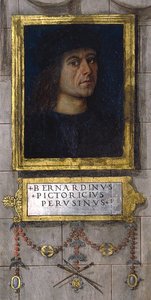
Notable Works: Frescoes in the Sistine Chapel (destroyed), Borgia Apartments in the Vatican, Piccolomini Library in Siena.
36of 100
Βελγιοςέζος Born in Γάνδη Πρώιμη Νόρεια Ρεναίσα Wikipedia in 25/32 languages

38of 100
Ιταλός Born in Φλωρτία Πρωϊνή Αναγέννηση Wikipedia in 31/32 languages

Born in Florence, Italy, Donatello grew up in a city that acted as the primary epicenter for the burgeoning Renaissance. His connection to the Florentine landscape was deep, as the city's evolving values shaped his early approach to form and figure. Donatello's approach to form did not find immediate acceptance within his community.
39of 100
Ιταλός Born in Φλωρεντία Εμφωλιακή Αναγέννηση Wikipedia in 31/32 languages

40of 100
Ιταλός Born in Βενετία Ρενασάνς, Μανιερισμός Wikipedia in 29/32 languages

He was profoundly influenced by the Venetian masters, especially Giovanni Bellini, whose use of muted colors and spiritual themes resonated deeply within Lotto’s own artistic sensibilities. Later, during his extended stay in Bergamo, he absorbed elements of Lombard realism, adding a grounded physicality to his figures—a shift towards greater attention to detail and the depiction of human anatomy. However, a sojourn in Rome brought him into contact with the art of Raphael, imbuing his work with a newfound clarity of form and compositional balance.
41of 100
Ιταλός Born in Φλωρεντία Αναγεννησιακή Γλυπτική Wikipedia in 24/32 languages

42of 100
Ιταλός Born in Βενετία Αναγέννηση Wikipedia in 29/32 languages

Lorenzo Bridge (περίπου 1500). Το πρώτο είναι ένα μαγευτικό πανόραμα της βενετσιάνιας ζωής, που αποτυπώνει την ενέργεια και το θέαμα μιας θρησκευτικής παράταξης με λεπτομερή ακρίβεια. Αναδεικνύει την ικανότητά του να απεικονίζει μεγάλους πλήθους και περίπλοκα αρχιτεκτονικά περιβάλλοντα με αξιοσημείωτη ακρίβεια. Το The Miracle of the True Cross at the S.
43of 100
Ιταλός Born in Φλωρεντία Αναγέννηση Wikipedia in 23/32 languages

44of 100
Γερμανός Born in Σβέμπις Γκμυντ Ρενάσαンス, Μανιερισμός Wikipedia in 25/32 languages

45of 100
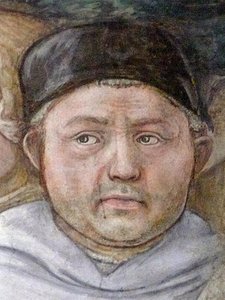
Ιταλός Born in Φλωρεντία Διεθνής Γοτθικός Ρυθμός, Πρώιμη Αναγέννηση Wikipedia in 25/32 languages

There, under the watchful eye of Pope Eugene IV, he worked within the Vatican Palace. Women at the Tomb (detail) - Convent of San Marco, Florence.
Where to see There, within the Palazzo Medici-Riccardi, the walls of the Magi Chapel hold the details of the procession of the Magi.
47of 100
Ιταλός Born in Σιένα Πρώιμη Αναγέννηση Wikipedia in 27/32 languages

48of 100
Φλαμανδός Born in Μωμπέζ Ρομανιστική Ζωγραφική Wikipedia in 23/32 languages

49of 100
Ιταλός Born in Φλωρεντία Καλλιτεχνικό movement ή στυλ Wikipedia in 27/32 languages

50of 100
Ιταλός Born in Βενετία Ραινοσαβιονισμός Wikipedia in 23/32 languages

51of 100
Ιταλός Born in Πανικάλε Πρώιμη Αναγέννηση Wikipedia in 23/32 languages

53of 100
Ολλανδός Born in Αουντεβάτερ Εarly Netherlandish Wikipedia in 22/32 languages

54of 100
Αγγλικός Born in Έξετερ Λιμνισμός Wikipedia in 19/32 languages

56of 100
Ιταλός Born in Βερτσέλλι Ύψος Αναγέννηση & Μανιερές Wikipedia in 25/32 languages

58of 100
Ιταλός Born in Πίζα Μπαρόκ, Καραβανγκισμός Wikipedia in 22/32 languages

59of 100
Γαλλικός Born in Τουρ Ροκοκό ζωγράφος Wikipedia in 21/32 languages
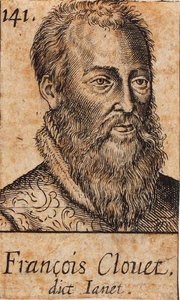
Jean Clouet, originating from the Southern Netherlands, brought with him to the French court the meticulous detail and realistic approach characteristic of Flemish painting. A pivotal moment arrived in 1541 when François inherited his father's estate, formally stepping into his artistic inheritance and assuming the responsibilities that came with it. Born around 1510 in Tours, France, his life unfolded against a backdrop of evolving artistic sensibilities and the opulent world of the Valois monarchy.
60of 100
Ιταλός Born in Βενετία Πρώιμη Αναγέννηση Wikipedia in 21/32 languages

61of 100
Τιρολέζιος Born in Φάλτσες Αναγέννηση & Γοτθική τέχνη Wikipedia in 18/32 languages

62of 100
Ιταλός Born in Φλωρεντία Πρώιμη Αναγέννηση Wikipedia in 23/32 languages
63of 100
Γερμανός Born in Ρόττβαϊλ Ύστερος Γοτικός Ρεαλισμός Wikipedia in 18/32 languages

64of 100
Italian Born in Σερίνα High Renaissance Wikipedia in 22/32 languages

The initial stages of Palma’s career reveal a clear debt to Giovanni Bellini's refined technique and devotional style. Yet, Palma wasn't merely an imitator; he possessed a unique gift for rendering the human form with a sensual grace and a captivating realism that set him apart. He swiftly embraced Giorgione’s use of color, light, and composition, infusing his own paintings with a similar sense of lyrical beauty.
65of 100
Ιταλός Born in Φερράρα Ιταλική Αναγέννηση Wikipedia in 17/32 languages

67of 100
Ολλανδός Born in Χάαρλεμ Πρώιμη Ολλανδική Τέχνη Wikipedia in 22/32 languages

68of 100
Φλαμάνκος Born in Αντβέρπη Βόρειος Μανιερισμός Wikipedia in 18/32 languages

Spranger’s style is a quintessential example of Northern Mannerism, characterized by elongated figures, complex poses, and a deliberate emphasis on elegance and refinement. Spranger’s work is notable for its dynamism, achieved through carefully orchestrated diagonals and a sense of movement within each composition. Crucially, his travels extended into Italy, where he spent eight months in Milan and three months in Parma, assisting Bernardino Gatti on the ambitious fresco project for the dome of Santa Maria della Steccata.
69of 100
Ιταλιάνος Born in Κορτόνα Ιταλική Αναγέννηση Wikipedia in 27/32 languages

70of 100
Ιταλός Born in Σιένα Ύστερη Γοτθική περίοδος, Σιενέσκια Σχολή Wikipedia in 17/32 languages

The Ecstasy of St Francis: Μια βαθιά εξερεύνηση της πνευματικής έκστασης, όπου χρησιμοποιεί μια πλούσια παλέτα από μπλε, κόκκινα και κίτρινα χρώματα για να περιγράψει την μεταμορφωτική δύναμη της πίστης. The Arte della Lana Altarpiece: Ένα από τα πρώτα του βέβαια έργα, που αναδεικνύει την τεχνική πληρότητα που θα γινόταν το σήμα κατατεθέν του.
71of 100
Italian Born in Κονεγλιάνο Venetian Renaissance Art Wikipedia in 19/32 languages

Unlike many artists of his time who sought dramatic visual impact, Cima favored subtle nuances of color and light—creating canvases that radiate an aura of contemplative peace. His masterful use of sfumato—a blurring technique pioneered by Leonardo da Vinci —further enhanced the ethereal quality of his paintings, lending them an otherworldly luminescence. His influence extended beyond his immediate contemporaries; he served as a teacher to Carlo da Conegliano and Vittore Belliniano —artists who carried forward Cima's aesthetic principles into subsequent artistic lineages.
72of 100
Γερμανικό Born in Βίτενμπεργκ Περιόδιστο ζωγραφική Wikipedia in 25/32 languages

74of 100
Ιταλιάνος Born in Βενετία Γοθικό ύφος, Βενετικό Γοθικό Wikipedia in 23/32 languages

He was a master of trompe l'oeil, using paint to mimic the physical world with startling accuracy. This combination of the highly decorative and the intensely realistic created a visual language that was uniquely his own, characterized by: A strong linear decorative sense. The works he left behind, many of which reside in collections such as the Pinacoteca di Brera and the National Gallery, reveal a painter of immense technical skill.
75of 100
Italian Born in Σιένα International Gothic Wikipedia in 22/32 languages

76of 100
Ιταλιάνος Born in Φερμινιάνο Γνωστή Αναγέννηση Wikipedia in 30/32 languages

This is perhaps most brilliantly realized in his work at Santa Maria presso San Satiro, where he employed architectural magic to dissolve the boundaries between reality and art, creating illusions that transcended physical limitations.
77of 100
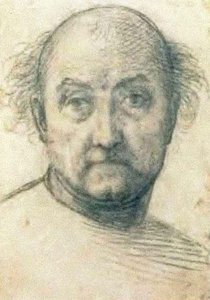
Ιταλός Born in Πράτο Ύψος της Αναγέννησης Wikipedia in 27/32 languages
78of 100
Βενεσιανός Born in Μπασσάνο ντελ Γκράππα Βενεσιανή Αναγέννηση Wikipedia in 24/32 languages

80of 100
Ιταλός Born in Φλωρεντία Βενεσιανή Σχολή Wikipedia in 22/32 languages

81of 100
Ιταλός Born in Σιένα Ρενεσάνς Wikipedia in 19/32 languages

82of 100
Italian Born in Φλωρεντία Gothic, Early Renaissance Wikipedia in 20/32 languages

83of 100
Γαλλική Born in Βρυξέλλες Ρενεεμανσάνικη πορτραίτο Wikipedia in 20/32 languages

84of 100
Ιταλός Born in Ντουμέντσα Ρενεσαρίσμα, Μανιερισμός Wikipedia in 20/32 languages

85of 100
Ιταλός Born in Σαν Γκοντέντσο Έκθεση Ρενάσαρς Wikipedia in 24/32 languages
86of 100
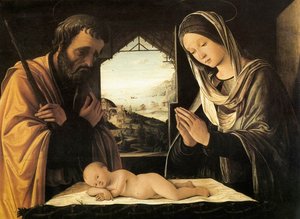
Ιταλική Αναγέννηση Born in Φερράρα Σχολές Ferrara & Bologna Wikipedia in 22/32 languages
87of 100
Ολλανδός Born in Λέιντεν Πρώιμη Νότια Wikipedia in 20/32 languages
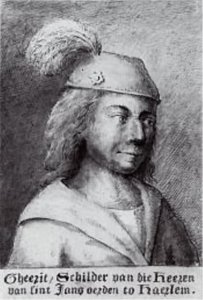
88of 100
Φλαμανδός Born in Αντβέρπη Ρομαντισμός Wikipedia in 19/32 languages

Known to history as Frans Floris the Elder, this Flemish Renaissance pioneer acted as a vital bridge between the Northern traditions of his homeland and the monumental grandeur of the Italian High Renaissance.
90of 100
Born in Άουγκσπουργ Renaissance portraiture Wikipedia in 19/32 languages

He initially sought patronage from Sir Thomas More, a prominent humanist scholar and statesman. This connection led to commissions from other members of the English court, including Henry VIII and various nobles. His influence can be seen in the works of later artists, including Rembrandt and Van Dyck, who admired his mastery of light and shadow and his ability to convey personality through portraiture.
91of 100
Ιταλός Born in Μπολόνια Στυλ μαρτιλίας της Σιένα Wikipedia in 19/32 languages

92of 100
Φλαμπός Born in Μπουβιν Τοπίο της Αναγέννησης Wikipedia in 18/32 languages

Patinir absorbed Bosch's penchant for imaginative landscapes populated with peculiar creatures and symbolic motifs, but he steered away from the moralizing allegories that characterized Bosch’s work. A journey to Genoa in 1511 alongside David and Adrien Ysenbrandt likely broadened his artistic horizons, exposing him to different visual traditions and further refining his observational skills.
93of 100
Φλαμανδός Born in Ντιναν Φλαμανδική Αναγέννηση

By the time of his death in Antwerp in 1524, Patenier had helped establish landscape as an independent genre.
94of 100
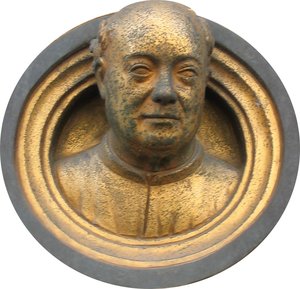
Ιταλός Born in Φλωρεντία Άρχαιο-Ρεναίσορας Wikipedia in 28/32 languages
95of 100
Ολλανδός Born in Ουτρέχτη Πορτραίτο της Αναγέννησης Wikipedia in 20/32 languages

Mor’s influence extended far beyond his immediate contemporaries.
96of 100
Italian Born in Μπρέσια Renaissance art Wikipedia in 16/32 languages

97of 100
Born in Αντβέρπη Wikipedia in 13/32 languages

He employed a sophisticated technique involving layered glazes that created a luminous effect and enhanced the richness of his palette. His figures are typically elongated and graceful, reflecting the influence of Italian Mannerism, yet they retain a distinctly Northern sensibility in their realistic rendering and attention to individual character. His early work also shows the impact of Jan van Scorel, another artist who brought Italian influences to Northern Europe.
98of 100
Ολλανδός Born in Σχόορλ Ρομανισμός, Αναγέννηση Wikipedia in 20/32 languages

99of 100
Ιταλός Born in Μιλάνο Ύψος της Αναγέννησης Wikipedia in 15/32 languages

100of 100
Γερμανός Born in Α ऑगஸ்பούρβη Ιταλική Αναγέννηση Wikipedia in 20/32 languages

Burgkmair’s artistic style is a fascinating blend of Northern European tradition and Italian Renaissance ideals. His son, Hans Burgkmair the Younger, continued his father’s legacy, collaborating on the “Turnierbuch,” a lavish illustrated tournament book.
Signature works
A timeline
Figures
| Ιταλία | 69 |
|---|---|
| Γερμανία | 10 |
| Βέλγιο | 8 |
| Ολλανδία | 7 |
| Γαλλία | 3 |
| Ηνωμένο Βασίλειο | 1 |
| Βελγίου | 1 |
| Β()Ολλανδία | 1 |
| 13thος thếχνου | 5 |
|---|---|
| 14thος thếχνου | 11 |
| 15thος thếχνου | 69 |
| 16thος thếχνου | 14 |
| 17thος thếχνου | 1 |
| Galleria degli Uffizi | 20 |
|---|---|
| Εθνική Πινακοθήκη Λονδίνου | 19 |
| Μουσείο του Λούβρου | 13 |
| Kunsthistorisches Museum | 11 |
| Εθνική Πινακοθήκη Τέχνης | 10 |
| Μετροπολιτικό Μουσείο Τέχνης | 8 |
| Μουσείο του Πράδο | 6 |
| Ερμιτάζ | 6 |
Every name
Λεονάρντο Ντα ΒίντσιΙταλός · 1452–1519Μιχαήλ ΆγγελοςΙταλιάνος · 1475–1564Άλμπρεχτ ΝτύρερΓερμανός · 1471–1528ΡαφαήλΙταλιάνος · 1483–1520 Τζόττο1267–1337ΤιτσιάνοΙταλός · 1490–1576Σάντρο ΜποττιτσέλλιΙταλιάνος · 1445–1510ΜαζάτσοΙταλός · 1401–1428Ιερώνυμος ΜποςΟλλανδός · 1450–1516Πιέρο ντέλλα ΦραντσέσκαItalian · 1415–1492Πίτερ Μπρίγκελ Ο ΠρεσβύτεροςΦλαμανδός · 1525–1569
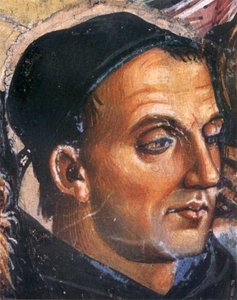 Φρα Αντζέλικο1395–1455Αντρέα ΜαντένιαΙταλός · 1431–1506ΤζορτζόνεΙταλιάνος · 1478–1510Πάολο ΟυτσέλλοΙταλιάνος · 1397–1475Χανς Χόλμπαϊν ο νεότεροςΓερμανός · 1497–1543Ντούτσιο ντι ΜπουονινσένιαΙταλιάνος · 1255–1319ΤσιμαμπούεΙταλός · 1240–1302Παόλο ΒερονέζεΙταλιάνος · 1528–1588Τζοβάνι ΜπελλίνιItalian · 1430–1516Ντομένικο ΓκιρλαντάιοΙταλός · 1448–1494Λούκας Κράναχ ο ΠρεσβύτεροςΓερμανός · 1472–1553ΠερουτζίνοItalian · 1448–1523Βιττόρε ΚαρπάτσιοItalian · 1465–1526Σοφονίσμπα ΑνγκουίσσολαΙταλία · 1532–1625Φιλίππο ΛίππιΙταλός · 1406–1469
 Κορρέτζο1489–1534Ματίας ΓκρύνεβαλντΓερμανός · 1480–1528Πίτερ ΜπรูΓκελ Ο ΝέοςΦλαμίνγος · 1564–1638Αντρέα ντελ ΣάρτοΙταλός · 1486–1530Άλμπρεχτ ΆλτντορφερΓερμανός · 1480–1538
 Αντονέλο Ντα Μεσίνα1430–1479
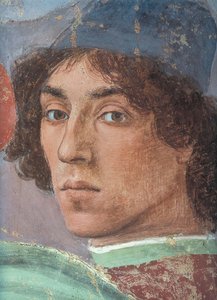 Φιλιππίνο Λίππι1457–1504ΠιντουρίκκιοΙταλία · 1454–1513
 Αμπρότζο Λορεντσέττι1290–1348Χούγκο φαν ντερ ΧουςΒελγιοςέζος · 1440–1482
 Κουέντιν Μασσάις1466–1530ΝτονατέλλοΙταλός · 1386–1466Αντρέα ντελ ΒερρόκκιοΙταλός · 1435–1488Λορέντσο ΛόττοΙταλός · 1480–1556Λούκα Ντελλα ΡόμπιαΙταλός · 1399–1482Τζεντίλε ΜπελλίνιΙταλός · 1429–1507Αντόνιο Ντελ ΠολλαϊόλοΙταλός · 1429–1498Χανς Μπάλντουνγκ ΓκρινΓερμανός · 1485–1545Μπενότσο ΓκοτσόλιΙταλός · 1420–1497
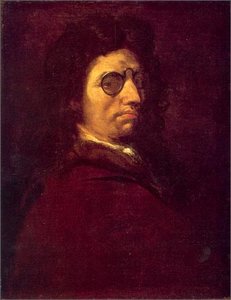 Λούκα ΤζορντάνοΙταλός · 1634–1705Πιέτρο ΛορεντσέττιΙταλός · 1280–1348Γιαν ΜαμπούζεΦλαμανδός · 1478–1532Πιέρο ντι ΚόζιμοΙταλός · 1462–1522Σεμπαστιάνο ντελ ΠιόμποΙταλός · 1485–1547Μαζολίνο Ντα ΠανικάλεΙταλός · 1383–1447
 Λούκας Φαν Λέιντεν1494–1533Γκέραρντ ΝτάβιντΟλλανδός · 1460–1523Νικόλαος ΧιλιάρδοςΑγγλικός · 1547–1619
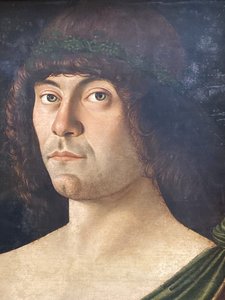 Γιάκοπο ΜπελλίνιΙταλός · 1400–1470Ιλ ΣοντόμαΙταλός · 1477–1549
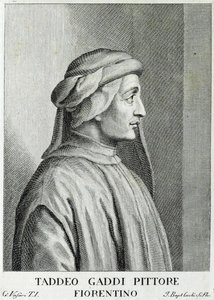
 Κοσμέ ΤούραΙταλός · 1430–1495Οράτσιο ΤζεντιλέσκιΙταλός · 1563–1639Φρανσουά ΚλουέΓαλλικός · 1510–1572Ντομένικο ΒενετσιάνοΙταλός · 1410–1461Μίχαελ ΠάχερΤιρολέζιος · 1435–1498Ταντέο ΓκάντιΙταλός · 1300–1366Κόνραντ ΒίτςΓερμανός · 1400–1445Πάλμα ΒέκιοItalian · 1480–1528ΦρανচেስΚο Ντελ ΚόσαΙταλός · 1436–1477
 Ζαν ΦουκέΓάλλος · 1420–1478Ντίρικ ΜπάουτςΟλλανδός · 1415–1475Μπαρτολομέους ΣπράνγκερΦλαμάνκος · 1546–1611Λούκα ΣινιορέλλιΙταλιάνος · 1450–1523Σασσέτα (Στεφάνο Ντι Τζιοβάννι)Ιταλός · 1392–1450Τζοβάννι Μπαττίστα ΤσίμαItalian · 1459–1517Λούκας Κράναχ ο νεότεροςΓερμανικό · 1515–1586
 Κόσιμο ΡοσέλιΙταλός · 1439–1507Κάρλο ΚριβέλλιΙταλιάνος · 1435–1495Λορέντσο ΜόνακοItalian · 1370–1425Ντόνατο ΜπραμάντεΙταλιάνος · 1444–1514Φρα ΜπαρτολομέοΙταλός · 1472–1517Γιάκοπο ΜπασσάνοΒενεσιανός · 1510–1592
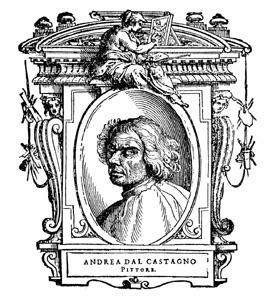
 Φιλιππός Μπρουνέλλεςκι1377–1446Λορέντσο Ντι ΚρέντιΙταλός · 1459–1537Φραντσέσκο Ντι Τζορτζίο ΜαρτίνιΙταλός · 1439–1501Άνιολο ΓκάντιItalian · 1350–1396Ζαν ΚλούεΓαλλική · 1480–1541Μπερναρντίνο ΛουίνιΙταλός · 1480–1532Αντρέα ντελ ΚαστάνιοΙταλός · 1420–1457Λορέντσο ΚόσταΙταλική Αναγέννηση · 1460–1535Χέρτχεν τοτ Σιντ ΓιανςΟλλανδός · 1460–1490Φρανς ΦλόριςΦλαμανδός · 1517–1570
 Πάρις ΜπορντόνεΙταλός · 1500–1571Χανς Χόλμπαϊν Ο Πρεσβύτερος1465–1524Φραντσέσκο ΦράντσαΙταλός · 1447–1517Γιοάχιμ ΠατινίρΦλαμπός · 1480–1524Joachim PatenierΦλαμανδός · 1481–1524Λόρετζο ΓκίμπερτιΙταλός · 1378–1455Άντονις ΜορΟλλανδός · 1519–1575Μορέττο ντα ΜπρέσιαItalian · 1498–1554Μαέρτεν Ντε Φος1532–1603Γιαν φαν ΣκόρελΟλλανδός · 1495–1562Φραντσέσκο ΜέλτσιΙταλός · 1491–1570Χανς Μπούργκμαϊρ Ο ΠρεσβύτεροςΓερμανός · 1473–1531
Questions
First place goes to Λεονάρντο Ντα Βίντσι (#1); Μιχαήλ Άγγελος (#2) and Άλμπρεχτ Ντύρερ (#3) complete the podium.
Λεονάρντο Ντα Βίντσι (#1), Μιχαήλ Άγγελος (#2), Άλμπρεχτ Ντύρερ (#3), Ραφαήλ (#4) και Τζόττο (#5).
The museums holding the most key works of this list are Galleria degli Uffizi (20), Εθνική Πινακοθήκη Λονδίνου (19) και Μουσείο του Λούβρου (13).
The earliest-born μάστορας in this list is Τσιμαμπούε (#18), born in 1240.
“He spent hours in difficult positions, his body strained by the reach and the heavy application of fresco technique.” — from our biography of Μιχαήλ Άγγελος (#2).
The highest-ranked μάστορες της ζωγραφικής born in Γερμανία are Άλμπρεχτ Ντύρερ (#3), Χανς Χόλμπαϊν ο νεότερος (#16), Λούκας Κράναχ ο Πρεσβύτερος (#22), Ματίας Γκρύνεβαλντ (#28) και Άλμπρεχτ Άλτντορφερ (#31).
The highest-ranked μάστορες της ζωγραφικής born in Ιταλία are Λεονάρντο Ντα Βίντσι (#1), Μιχαήλ Άγγελος (#2), Ραφαήλ (#4), Τζόττο (#5) και Τιτσιάνο (#6).
This list includes 1 women: Σοφονίσμπα Ανγκουίσσολα (#25).
Φλωρεντία: 16 of the μάστορες της ζωγραφικής in this list were born there.
Ιταλία: 69 of the 100 μάστορες της ζωγραφικής in this list were born there, then Γερμανία (10) και Βέλγιο (8).
Most μάστορες της ζωγραφικής in this list were born in the 15thος thếχνου (69 of 100), between 1240 and 1634 overall.
Our catalogue holds 19,218 works by these μάστορες της ζωγραφικής.
Read
Other movements
 Σημαντοί καλλιτέχνες BaroqueRembrandt van Rijn · Ρέμπραντ
 Σημαντοί καλλιτέχνες Contemporary RealistΟι Συλλέκτριες · Ζαν Φρανσουά Μιγέ
 Σημαντοί καλλιτέχνες ImpressionistΗ Νύχτα Πλούσια Στα Άστρα (Νέα Υόρκη, MoMA) · Βίνσεντ Βαν Γκογκ
 Σημαντοί καλλιτέχνες RomanticistΚρόνος να καταβροχθίζει τον Γιο του · Φρανθίσκο Γκόγια
 Σημαντοί καλλιτέχνες NeoclassicistΗ Σταυροφόρος του Μαρά · Ζακ-Λουί Νταβίντ
 Σημαντοί καλλιτέχνες RealistΗ Αρχή του Κόσμου · Γκυστάβ Κουρμπέ
 Σημαντοί καλλιτέχνες Dutch Golden AgeΤο Κορίτσι με το Μαργαριτάρι · Γιοχάνες Βερμέερ
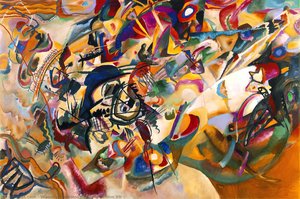 Σημαντοί καλλιτέχνες ExpressionistΣύνθεση Ζ · Βασίλι Καντίνσκι
 Σημαντοί καλλιτέχνες RococoΗ Πρώτη Επίσκεψη στην Κύθηρα · Αντουάν Βαττώ
 Σημαντοί καλλιτέχνες Pop ArtΚάνσελς Κάμπελ Πουρ · Άντι Γουόρχολ
Other periods
 Σημαντοί καλλιτέχνες Early MedievalSnowy River · Wáng Wéi
 Σημαντοί καλλιτέχνες High MedievalMadonna and Child Enthroned (Maesta) · Τσιμαμπούε
 Σημαντοί καλλιτέχνες Late MedievalΗ Αναγγελία και οι Δύο Άγιοι · Σιμόνε Μαρτίνι
 Σημαντοί καλλιτέχνες Early ModernΗ Κλήση του Ματθαίου · Καραβάτζο
 Σημαντοί καλλιτέχνες 19th CenturyΝυφάδες του Νερού (ή Λιλιές του Νερού) · Κλόντ Μονέ
 Σημαντοί καλλιτέχνες ModernΓκουέρνικα · Πάμπλο Πικάσο
 Σημαντοί καλλιτέχνες ContemporaryWind Sculpture III (one in a series of nine) · Yinka Shonibare
Discover more