1of 36
Λεονάρντο Ντα Βίντσι 1452–1519
Ιταλός Born in Αντσιάνο Υψηλή Αναγέννηση Wikipedia in 32/32 languages

High Renaissance, one artist at a time
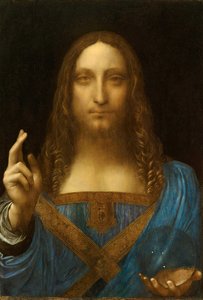
Λεονάρντο Ντα Βίντσι (1452–1519) is the most famous High Renaissance μάστορας, whose singular vision gave us Το Τελευταίο Δείπνο και Σαλβατόρ Μούντι. Next stand Μιχαήλ Άγγελος, Ραφαήλ, Τιτσιάνο και Τζορτζόνε. These 36 μάστορες της ζωγραφικής, from Giuliano da Sangallo (born 1443) to Γιάκοπο Μπασσάνο (born 1510), came from 3 countries.
Our selection. Artists whose works our catalogue attaches to High Renaissance, in the order of our fame ranking. Artists born after 1955 with no Wikidata identifier stay out until verified. The Wikipedia figure counts our 32 languages with an article on the artist.
In brief
One artist at a time
1of 36
Ιταλός Born in Αντσιάνο Υψηλή Αναγέννηση Wikipedia in 32/32 languages
2of 36
Ιταλιάνος Born in Καπρέζε Μικελάντζελο Γειακές Αναγέννηση, Μανιερισμός Wikipedia in 32/32 languages

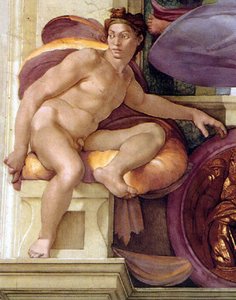
Born in 1475, Michelangelo di Lodovico Buonarroti Simoni spent his early years near Settignano, where his father owned a quarry. By the time he reached Rome in 1496, he was already carving figures that possessed a heavy, palpable presence. The Pietà, completed in 1499, shows this early ability to make marble appear as soft as flesh, even as it carries the weight of a dead man.
4of 36
Ιταλός Born in Πιέβε ντι Καντόρε Ρενασαμέντο, Βενετσιάνικο Wikipedia in 32/32 languages

As the years passed, the soft, ethereal qualities of his youth gave way to something much more muscular and dramatic. He moved away from the quietude of his early training to embrace a bolder approach to color. His paintings remain in the great collections of the world, from the Prado in Madrid to the National Gallery in London, serving as a permanent record of a man who mastered the art of seeing.
5of 36
Ιταλιάνος Born in Καστελφράνκο Βένετο Βενετιανή Σχολή Wikipedia in 31/32 languages

While the exact year of his birth remains a subject of debate, his presence in the Venetian art scene was established early. Records identify him as a colleague of the master Vincenzo Catena. Beyond Titian, his direct teaching shaped the hands of several notable figures, including Dosso Dossi, Giovanni da Udine, Andrea Schiavone, and Francesco Torbido.
Where to see His presence is felt most strongly in Vienna, where the Kunsthistorisches Museum houses several significant pieces, including the Portrait of Francesco Maria della Rovere.
6of 36
Italian Born in Τσιττά ντελλα Πιέβε Renaissance Wikipedia in 30/32 languages

«Η Παναγία και το Παιδί περιτριβασμένη από δύο Άγγελο»: Θεωρούμενο ως ένα από τα κορυφαία επιτεύγματά του, αυτό το αριστούργημα exemplifies την κυριαρχία του στο χρώμα και τη σύνθεση, αγγίζοντας την τρυφερότητα της Μαρίας και του Ιησού με εκπληκτική ευαισθησία.
Teacher of Lo Spagna #33
8of 36
Ιταλός Born in Φλωρεντία Υψηλή Αναγέννηση και Μανιερισμός Wikipedia in 28/32 languages

10of 36
Ιταλός Born in Βενετία Ρενασάνς, Μανιερισμός Wikipedia in 29/32 languages

He was profoundly influenced by the Venetian masters, especially Giovanni Bellini, whose use of muted colors and spiritual themes resonated deeply within Lotto’s own artistic sensibilities. Later, during his extended stay in Bergamo, he absorbed elements of Lombard realism, adding a grounded physicality to his figures—a shift towards greater attention to detail and the depiction of human anatomy. However, a sojourn in Rome brought him into contact with the art of Raphael, imbuing his work with a newfound clarity of form and compositional balance.
11of 36
Ιταλός Born in Βενετία Ραινοσαβιονισμός Wikipedia in 23/32 languages

12of 36
Italian Born in Σερίνα High Renaissance Wikipedia in 22/32 languages

The initial stages of Palma’s career reveal a clear debt to Giovanni Bellini's refined technique and devotional style. Yet, Palma wasn't merely an imitator; he possessed a unique gift for rendering the human form with a sensual grace and a captivating realism that set him apart. He swiftly embraced Giorgione’s use of color, light, and composition, infusing his own paintings with a similar sense of lyrical beauty.
13of 36
Ιταλιάνος Born in Φερμινιάνο Γνωστή Αναγέννηση Wikipedia in 30/32 languages

This is perhaps most brilliantly realized in his work at Santa Maria presso San Satiro, where he employed architectural magic to dissolve the boundaries between reality and art, creating illusions that transcended physical limitations.
14of 36
Ιταλός Born in Πράτο Ύψος της Αναγέννησης Wikipedia in 27/32 languages
15of 36
Βενεσιανός Born in Μπασσάνο ντελ Γκράππα Βενεσιανή Αναγέννηση Wikipedia in 24/32 languages

16of 36
Ιταλός Born in Ντουμέντσα Ρενεσαρίσμα, Μανιερισμός Wikipedia in 20/32 languages

17of 36
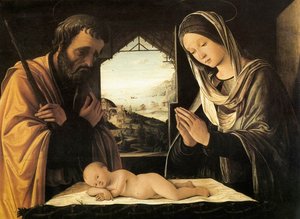
Ιταλική Αναγέννηση Born in Φερράρα Σχολές Ferrara & Bologna Wikipedia in 22/32 languages
18of 36
Ιταλός Born in Σιένα Ύψος Αναγέννησης & Μανιερής Wikipedia in 23/32 languages

19of 36
Born in Φλωρεντία Ύψος Αναγέννησης/Μανιερισμός Wikipedia in 16/32 languages

20of 36
Ιταλός Born in Μπρέσια Ύψατη Αναγέννηση Wikipedia in 15/32 languages

21of 36
Ιταλιάνος Born in Τράμακκι Σχολή της Φεράρα Wikipedia in 24/32 languages

While his roots were in the precision of the early Renaissance, he moved toward a style that anticipated Mannerism through his use of striking disharmonies in color and unusual figure poses.
22of 36
Ιταλιάνος Born in Φλωρεντία Φλωρεντιάτικη Αναγέννηση Wikipedia in 22/32 languages

His early works, produced independently of Fra Bartolomeo, are stylistically distinct and reveal a sophisticated taste for detail. A period of independence followed Fra Bartolomeo’s entry into the Dominican order in 1500, allowing Albertinelli to develop his own voice while still maintaining a connection to his former mentor's style. Albertinelli’s style demonstrates the influence of several prominent artists including Perugino, Piero di Cosimo, Lorenzo di Credi, and Flemish painters.
23of 36
Γερμανός Born in Μιλάνο Βόρεια Αναγέννηση Wikipedia in 15/32 languages

24of 36
Ιταλική Αναγέννηση Born in Μιλάνο Μιλάνοσαϊκή Σχολή Wikipedia in 17/32 languages

25of 36
Italian Born in Μπρέσια High Renaissance Wikipedia in 13/32 languages

Throughout his life, Romanino's contributions to the Lombard and Venetian landscapes left an indelible mark on the Renaissance. Regional Impact: Serving as a pivotal figure in the Brescia school, enriching the cultural heritage of both Lombardy and the Veneto.
26of 36
Italian Born in Bologna Mannerism Wikipedia in 19/32 languages

Sebastiano Serlio was an Italian Mannerist architect, painter, writer, designer, and civil engineer. Born in Bologna, he worked in the atelier of Baldassare Peruzzi in Rome and later lived in Venice. His career was significantly shaped by an invitation from François I to France, where he advised on the construction and decoration of the Château of Fontainebleau.
27of 36
Italian Born in Florence Renaissance

His influence was not merely structural but also deeply personal; through his brother Antonio da Sangallo the elder and his sons, Antonio and Francesco, the architectural language he helped pioneer continued to evolve and dominate the European landscape for decades.
29of 36
Italian Born in Northern Italy Renaissance Art Wikipedia in 12/32 languages

Around 1520, Bartolomeo relocated to Milan, a city still resonating with the legacy of Leonardo da Vinci.
30of 36
Italian Born in Φλωρεντία Italian Renaissance Wikipedia in 11/32 languages

Narrative Depth: The capacity to weave complex biblical or mythological stories into vibrant, social snapshots that reflect the spirit of Florentine society. Color and Light: A rich palette featuring deep reds, vibrant blues, and earthy tones, utilized through careful layering to create texture and luminosity. The historical significance of Giuliano Bugiardini lies in his role as a bridge between the traditions of the late 15th century and the burgeoning dynamism of the 16th century.
31of 36
Κροατο-Ιταλός Born in Γκριζάνε-Μπελγκράντ Ύψος της Αναγέννησης Wikipedia in 17/32 languages

32of 36
German Born in Florence German Renaissance, Mannerism

His work is now appreciated for its complex psychological depth, its masterful use of color, and its crucial role in bridging the gap between late Gothic art and the Renaissance.
33of 36
Spanish Born in Perugia Wikipedia in 9/32 languages

The name Lo Spagna carries the weight of a traveler's identity, a nod to Spanish origins etched into his Italian life. Born Giovanni di Pietro, he moved through the landscapes of Umbria and the Marches, leaving traces of his brush in places like Perugia, Todi, Trevi, and Spoleto. His presence in Perugia is noted as early as 1470, though by 1492, he was a recognized member of Perugino's workshop.
34of 36
Italian Born in Venice High Renaissance Wikipedia in 8/32 languages

Licinio’s art represents a fascinating synthesis of prevailing Venetian styles. This is particularly visible in his later altarpieces, which echo Titian’s dramatic use of light, rich color harmonies, and dynamic compositions—most notably in pieces like Madonna Enthroned with Saints (1535). It wasn't until the early 20th century, thanks to the meticulous research and clarifying intervention of Gustav Ludwig in 1903, that Licinio began to receive the recognition he deserved.
35of 36
Italian Rococo Art

He was a founding member and professor at the Accademia di Scoltura, Pittura, ed Architettura Civile in Venice (established 1766), an institution dedicated to reviving classical artistic ideals and fostering excellence in sculpture, painting, and architecture. His frescoes—particularly “The Study of Adam”—are considered masterpieces of Venetian fresco painting, showcasing unparalleled color palettes and textural nuances.
36of 36
Italian Born in Chivasso Renaissance Art; Late Gothic Style Wikipedia in 8/32 languages

His achievements can be summarized through several key pillars of his artistry: Stylistic Synthesis: The seamless blending of Northern European Flemish detail with Italian Renaissance humanism.
Signature works
A timeline
Figures
| Ιταλία | 27 |
|---|---|
| Italy | 7 |
| Κροατία | 1 |
| 1440s | 3 |
|---|---|
| 1450s | 3 |
| 1460s | 3 |
| 1470s | 6 |
| 1480s | 15 |
| 1490s | 3 |
| 1500s | 1 |
| 1510s | 1 |
| Galleria degli Uffizi | 7 |
|---|---|
| Kunsthistorisches Museum | 6 |
| Μουσείο του Λούβρου | 5 |
| Μετροπολιτικό Μουσείο Τέχνης | 4 |
| Ερμιτάζ | 4 |
| Εθνική Πινακοθήκη Τέχνης | 3 |
| Εθνική Πινακοθήκη Λονδίνου | 3 |
| Μουσείο Τέχνης Βουδαπέστης | 3 |
Every name
Λεονάρντο Ντα ΒίντσιΙταλός · 1452–1519Μιχαήλ ΆγγελοςΙταλιάνος · 1475–1564 ΡαφαήλΙταλιάνος · 1483–1520ΤιτσιάνοΙταλός · 1490–1576ΤζορτζόνεΙταλιάνος · 1478–1510ΠερουτζίνοItalian · 1448–1523
 Κορρέτζο1489–1534Αντρέα ντελ ΣάρτοΙταλός · 1486–1530
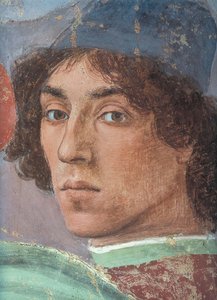 Φιλιππίνο Λίππι1457–1504Λορέντσο ΛόττοΙταλός · 1480–1556Σεμπαστιάνο ντελ ΠιόμποΙταλός · 1485–1547Πάλμα ΒέκιοItalian · 1480–1528Ντόνατο ΜπραμάντεΙταλιάνος · 1444–1514Φρα ΜπαρτολομέοΙταλός · 1472–1517Γιάκοπο ΜπασσάνοΒενεσιανός · 1510–1592Μπερναρντίνο ΛουίνιΙταλός · 1480–1532Λορέντσο ΚόσταΙταλική Αναγέννηση · 1460–1535Μπαλντασσάρε ΠερούτσιΙταλός · 1481–1536Ριντόλφο Γκιρλαντάιο1483–1561Τζιρόλαμο ΣαβόλντοΙταλός · 1480–1548Ντόσσο ΝτόσιΙταλιάνος · 1480–1542Μαριόττο ΑλμπερτινέλλιΙταλιάνος · 1474–1515Τζιοβάννι Αντόνιο ΜπολτραφίοΓερμανός · 1467–1516Αντρέα ΣολάριΙταλική Αναγέννηση · 1460–1524Τζιρολάμο ΡομανίνοItalian · 1485–1562Sebastiano SerlioItalian · 1475–1554Giuliano da SangalloItalian · 1443–1516
 ΦρανκιαμπίτζιοΙταλός · 1484–1525Bartolomeo VenetoItalian · 1502–1555Τζουλιάνο ΜπουτζαρντίνιItalian · 1475–1554Τζιούλιο ΚλόβιοΚροατο-Ιταλός · 1498–1578Antonio Da Sangallo The YoungerGerman · 1484–1546Lo SpagnaSpanish · 1450–1528Bernardino LicinioItalian · 1489–1565Michelangelo MorlaiterItalian · Defendente FerrariItalian · 1490–1540
Questions
First place goes to Λεονάρντο Ντα Βίντσι (#1); Μιχαήλ Άγγελος (#2) and Ραφαήλ (#3) complete the podium.
Λεονάρντο Ντα Βίντσι (#1), Μιχαήλ Άγγελος (#2), Ραφαήλ (#3), Τιτσιάνο (#4) και Τζορτζόνε (#5).
“He spent hours in difficult positions, his body strained by the reach and the heavy application of fresco technique.” — from our biography of Μιχαήλ Άγγελος (#2).
Ιταλία: 27 of the 36 μάστορες της ζωγραφικής in this list were born there, then Italy (7) και Κροατία (1).
The highest-ranked μάστορες της ζωγραφικής born in Italy are Sebastiano Serlio (#26), Giuliano da Sangallo (#27), Bartolomeo Veneto (#29), Antonio Da Sangallo The Younger (#32) και Lo Spagna (#33).
Περουτζίνο (#6) taught Lo Spagna (#33).
Most μάστορες της ζωγραφικής in this list were born in the 1480s (15 of 36), between 1443 and 1510 overall.
The highest-ranked μάστορες της ζωγραφικής born in Ιταλία are Λεονάρντο Ντα Βίντσι (#1), Μιχαήλ Άγγελος (#2), Ραφαήλ (#3), Τιτσιάνο (#4) και Τζορτζόνε (#5).
The museums holding the most key works of this list are Galleria degli Uffizi (7), Kunsthistorisches Museum (6) και Μουσείο του Λούβρου (5).
The earliest-born μάστορας in this list is Giuliano da Sangallo (#27), born in 1443.
Φλωρεντία: 5 of the μάστορες της ζωγραφικής in this list were born there.
Our catalogue holds 5,647 works by these μάστορες της ζωγραφικής.
Read
Other movements
 Σημαντοί καλλιτέχνες BaroqueRembrandt van Rijn · Ρέμπραντ
 Σημαντοί καλλιτέχνες Contemporary RealistΟι Συλλέκτριες · Ζαν Φρανσουά Μιγέ
 Σημαντοί καλλιτέχνες ImpressionistΗ Νύχτα Πλούσια Στα Άστρα (Νέα Υόρκη, MoMA) · Βίνσεντ Βαν Γκογκ
 Σημαντοί καλλιτέχνες RomanticistΚρόνος να καταβροχθίζει τον Γιο του · Φρανθίσκο Γκόγια
 Σημαντοί καλλιτέχνες NeoclassicistΟ Θάνατος του Μαράτ · Ζακ-Λουί Νταβίντ
 Σημαντοί καλλιτέχνες RealistΗ Αρχή του Κόσμου · Γκυστάβ Κουρμπέ
 Σημαντοί καλλιτέχνες RenaissanceΜόνα Λίζα (La Gioconda) · Λεονάρντο Ντα Βίντσι
 Σημαντοί καλλιτέχνες Dutch Golden AgeΤο Κορίτσι με το Μαργαριτάρι · Γιοχάνες Βερμέερ
 Σημαντοί καλλιτέχνες ExpressionistΣύνθεση Ζ · Βασίλι Καντίνσκι
 Σημαντοί καλλιτέχνες RococoΗ Πρώτη Επίσκεψη στην Κύθηρα · Αντουάν Βαττώ
Other periods
 Σημαντοί καλλιτέχνες Early MedievalSnowy River · Wáng Wéi
 Σημαντοί καλλιτέχνες High MedievalΜάδονα σε Μαέστα (Μάδονα Ογνιαντίνι) · Τζόττο
 Σημαντοί καλλιτέχνες Late MedievalΗ Αναγγελία και οι Δύο Άγιοι · Σιμόνε ΜαρτίνιΣημαντοί καλλιτέχνες Renaissance
 Σημαντοί καλλιτέχνες Early ModernΗ Κλήση του Ματθαίου · Καραβάτζο
 Σημαντοί καλλιτέχνες 19th CenturyΝυφάδες του Νερού (ή Λιλιές του Νερού) · Κλόντ Μονέ
 Σημαντοί καλλιτέχνες ModernΓκουέρνικα · Πάμπλο Πικάσο
 Σημαντοί καλλιτέχνες ContemporaryWind Sculpture III (one in a series of nine) · Yinka Shonibare
Discover more