


1

A Girl with a Lute
A Girl with a Lute is a painting by Bartolomeo Veneto. Dated 1520, this work is also known by the alternative title Lady Lutanist. The subject of the portrait is a girl playing a lute.

Ενημερωμένο Νοέμβριος 2026 · κατάταξη βάσει του σκορ δημοφιλίας μας (αναζητήσεις, επισκέψεις και παραγγελίες για κάθε έργο) · 45 έργα του Μπαρτολομέο Βένετο στον κατάλογό μας
Με σύντομη περιγραφή
Το έργο A Girl with a Lute (1520) είναι το ποίτευμα του Μπαρτολομέο Βένετο που τραβάει τα περισσότερα βλέμματα· το πρωτότυπο ανήκει στο Μουσείο Isabella Stewart Gardner, Μαστρούνια. Μετά από αυτό, το βλέμμα στρέφεται στο Lady Playing a Lute (1530) και στο Portrait of a Gentleman (1512). Ανάμεσα στα 45 έργα του Μπαρτολομέο Βένετο στον κατάλογό μας, αυτά τα 43 είναι τα πιο διάσημα, το καθένα ένα μοναδικό πρωτότυπο που παρουσιάζεται με την χρονολογία του, το μουσείο του και τον λόγο για τον οποίο παραμένει αιώνιο.
A Girl with a Lute is a painting by Bartolomeo Veneto. Dated 1520, this work is also known by the alternative title Lady Lutanist. The subject of the portrait is a girl playing a lute.

The portrait titled Lady Playing a Lute is a work attributed to Bartolomeo Veneto and his workshop. It depicts an unidentified young woman engaged with her instrument. This painting belongs to a specific series of works by Bartolomeo Veneto, which features various unidentified female sitters captured in the act of playing the lute. In some variations of this composition, the lute is replaced by a wheel, transforming the subject into…

The Portrait of a Gentleman is an oil on canvas work by the artist Bartolomeo Veneto. Created in 1512, the painting captures a singular presence through a vertical orientation. The figure is framed within a space of 73 x 58 cm, a scale that invites a close, quiet observation of the sitter's features and attire.

In this portrait from 1512, we encounter a man whose very posture commands a quiet authority. He is positioned centrally, his body turned slightly to his left, meeting our gaze with a serious and dignified expression. There is a stillness here, a moment of composure captured through the meticulous application of oil paint. The subject is draped in the heavy, luxurious textures of the Renaissance, from the soft fur of…

The Portrait of a Lady as Mary Magdalen is a work by the Italian painter Bartolomeo Veneto. Created in 1520, this oil on wood panel presents a serene and elegant Renaissance portrait of a woman. The subject's quiet dignity suggests she is a representation of Mary Magdalene. She sits in a medium close-up, her form emerging from a dark, atmospheric green background.

The air feels heavy with the scent of old wood and incense as we gaze upon this 1520 composition. A woman, likely Saint Catherine, emerges from a dark, textured void, her presence commanding yet serene. Her long, wavy hair is delicately adorned with small white flowers that seem to catch a stray beam of light. She wears a dark garment, its neckline heavy with intricate embroidery that speaks of a…

A three-quarter view captures a man positioned against a landscape, his gaze meeting the viewer with a steady, direct confidence. He is dressed in dark attire accented by a crisp white collar, a costume suggesting the status of a nobleman or high-ranking official. A heavy red curtain drapes dramatically on the left, partially obscuring a view of a distant town nestled along a riverbank. This composition creates a layered sense…

This portrait, titled Saint Catherine, is attributed to the Italian painter Bartolomeo Veneto. It represents a significant moment in the artist's development, dating from approximately 1510–1520. During this period, Veneto was refining his ability to capture the subtle nuances of his subjects, moving toward a style that would eventually reflect the influence of Leonardo da Vinci.

The painting presents a man positioned in a half-length view against a deep red background. He wears a dark suit and a heavy coat, layered to suggest formal attire. A hat rests upon his head, decorated with a single feather that extends upward. Around his neck, a metallic chain is visible, catching the light against the fabric of his clothing. The man possesses a beard and a mustache, and his…

The Portrait of a Bearded Gentleman is an oil on panel work by the artist Bartolomeo Veneto. Created in 1508, this portrait captures a man from the Renaissance era. The subject is rendered with a focus on the textures of his clothing and the steady gaze of his eyes. Every detail of the man's status is held within the pigment, from the heavy folds of his cloak to the subtle…
 Portrait of Bernardino Da Lesmo1530
12
 Lodovico Martinengo1530
13
 Portrait of a Noble LadyΕθνική Πινακοθήκη του Καναδά
14
 LA CIRCONCISIONΜουσείο του Λούβρου
15
 Portrait of jewish woman with attributes of joele
16
 Portrait of a ManDetroit Institute of Arts
17
 Saint Catherine of AlexandriaΜουσείο Τέχνης Βοστώνης
18
 Madonna and Child
19
 Francesco Maria Della Rovere
20
 Young Woman as Saint Catherine
21
 LA VIERGE ET L'ENFANTMusée du Petit Palais
22
 Madonna with childGemäldegalerie
23
 Ritratto Di Gentiluomo
24
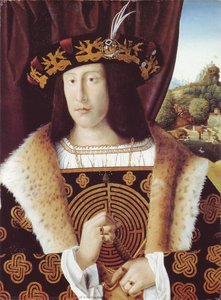 Portrait of a Noble ManΜουσείο Φιτσίουελλ
25
 Ritratto Di GentiluomoΜουσείο Τέχνης Βουδαπέστης
26
 Beatrice d'Este
27
 Portrait of a Lady
28
 John the Baptist
29
 Portrait of a ManPennsylvania Academy of Fine Arts
30
 St. Catherine of Alexandria
31
 Madonna della pera
32
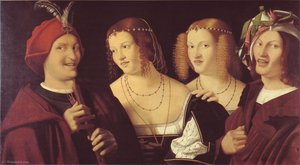 Four characters laughing
33
 Madonna with child
34
 Madonna with child
35
 Portrait of young gentlemanΜουσείο Τέχνης Κλίβελαντ
36
 Portrait of a ManΜουσείο Φιτσίουελλ
37
 Portrait of a gentlewomanΜουσείο Καλών Τεχνών του Χιούστον
38Portrait of a Woman1520 · Städelsche Kunstinstitut Und Städtische Galerie
39
 Woman Playing a Lute1520 · Pinacoteca di Brera
40
 Portrait of a Young LadyΕθνική Πινακοθήκη Λονδίνου
41
 Lodovico martinengoΕθνική Πινακοθήκη Λονδίνου
42
 Salome with the tesa del battistaStaatliche Kunstsammlungen Dresden
43
 Circoncision
Τα τέσσερα θέματα που εμφανίζονται πιο συχνά σε αυτά τα πρωτότυπα έργα, το καθένα με το εξαιρετικό του παράδειγμα.
Τα 8 μουσεία που φιλοξενούν το μεγαλύτερο μέρος των έργων σε αυτήν τη σελίδα.
| Μουσείο | Πόλη | Έργα του Μπαρτολομέο Βένετο | Πάτρια από αυτή τη λίστα |
|---|---|---|---|
 Μουσείο Καλών Τεχνών του Χιούστον |
Χιούστον | 2 | A Man, Portrait of a gentlewoman |
 Μουσείο Φιτσίουελλ |
Κέμπριτζ | 2 | Portrait of a Noble Man, Portrait of a Man |
 Εθνική Πινακοθήκη Λονδίνου |
Λονδίνο | 2 | Portrait of a Young Lady, Lodovico martinengo |
 Μουσείο Isabella Stewart Gardner |
Μαστρούνια | 1 | A Girl with a Lute |
 Μουσείο J. Paul Getty |
Λος Άντζελες | 1 | Lady Playing a Lute |
 Galleria Nazional d Art Antica |
Ρώμη | 1 | Portrait of a Gentleman |
 Brooklyn Museum |
Μπρούκλιν | 1 | Portrait of a Lady as Mary Magdalen |
 Kelvingrove Art Gallery and Museum |
Γλασκώβη | 1 | Saint Catherine |
Επιλέξτε μια δεκαετία για να δείτε το πρωτότυπο έργο που την χαρακτηρίζει.
The Portrait of a Gentleman is an oil on canvas work by the artist Bartolomeo Veneto. Created in 1512, the painting captures a singular presence through a vertical orientation. The figure is framed within a space of 73 x 58 cm, a scale that invites a close, quiet observation of the sitter's features and attire.
A Girl with a Lute is a painting by Bartolomeo Veneto. Dated 1520, this work is also known by the alternative title Lady Lutanist. The subject of the portrait is a girl playing a lute.
The portrait titled Lady Playing a Lute is a work attributed to Bartolomeo Veneto and his workshop. It depicts an unidentified young woman engaged with her instrument. This painting belongs to a specific series of works by Bartolomeo Veneto, which features various unidentified female sitters captured in the act of playing the lute. In some variations of this composition, the lute is replaced by a wheel, transforming the subject into…
A Girl with a Lute (1520), Μουσείο Isabella Stewart Gardner, Μαστρούνια. Στη συνέχεια ακολουθούν το Lady Playing a Lute (1530) και το Portrait of a Gentleman (1512).
18 ετών: το έργο A Girl with a Lute είναι του 1520, και ο/η Μπαρτολομέο Βένετο γεννήθηκε το 1502.
A Girl with a Lute, Lady Playing a Lute, Portrait of a Gentleman, A Man, Portrait of a Lady as Mary Magdalen, Saint Catherine, Portrait of a Man, Saint Catherine, Portrait of a Gentleman και Portrait of a Bearded Gentleman. Η κατάταξη παραπάνω αναγράφει το έτος και το μουσείο για το κάθε έργο.
Ο κατάλογός μας περιλαμβάνει 45 έργα του Μπαρτολομέο Βένετο, με ημερομηνίες από 1512 έως 1530.
Κυρίως σε Μουσείο Καλών Τεχνών του Χιούστον (Χιούστον), Μουσείο Φιτσίουελλ (Κέμπριτζ) και Εθνική Πινακοθήκη Λονδίνου (Λονδίνο). Ο πίνακας μουσείου παραπάνω τους περιλαμβάνει όλους.
Κατά την περίοδο 1520s: 7 από τα 43 έργα σε αυτήν τη σελίδα δημιουργήθηκαν τότε, με A Girl with a Lute από αυτά να είναι μοναδικά.
Σε αυτήν τη σελίδα, το παλαιότερο είναι Portrait of a Gentleman (1512) και το νεότερο Lady Playing a Lute (1530).
Woman (9), Man (6) και Virgin mary (5), σε συνολικά 43 έργα σε αυτήν τη σελίδα.
Oil On Panel, για 8 από τα 43 έργα σε αυτήν τη σελίδα.
Renaissance και High renaissance, όπως προκύπτει από τα πρωτότυπα σε αυτήν τη σελίδα.
A Man και Portrait of a gentlewoman: το Μουσείο Καλών Τεχνών του Χιούστον, Χιούστον διαθέτει 2 από τα έργα σε αυτήν τη σελίδα.


