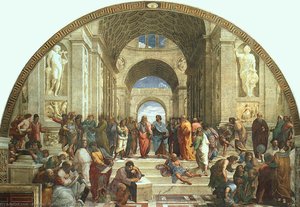
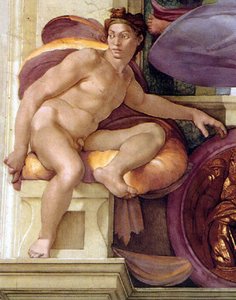
1of 36
ლეონარდო და ვინჩი 1452–1519
Italian Born in ვინჩი High Renaissance Wikipedia in 32/32 languages

High Renaissance, one artist at a time
ლეონარდო და ვინჩი (1452–1519) is the most famous High Renaissance მხატვარი, whose singular vision gave us The Last Supper (with names of Apostles labelled) და The proportions of the human figure (The Vitruvian Man). Next stand მიქელანჯელო ბუანაროტი, რაფაელ სანტი, ტიციანი და ჯორჯონე. These 36 მესმენები, from Giuliano da Sangallo (born 1443) to ჯაკპო ბასანო (born 1510), came from 3 countries.
Our selection. Artists whose works our catalogue attaches to High Renaissance, in the order of our fame ranking. Artists born after 1955 with no Wikidata identifier stay out until verified. The Wikipedia figure counts our 32 languages with an article on the artist.
In brief
One artist at a time
1of 36
Italian Born in ვინჩი High Renaissance Wikipedia in 32/32 languages
2of 36
იტალიელი Born in კაპრეზე-მიქელანჯელო მაღალი რენესანსი, მანერიზმი Wikipedia in 32/32 languages

Born in 1475, Michelangelo di Lodovico Buonarroti Simoni spent his early years near Settignano, where his father owned a quarry. By the time he reached Rome in 1496, he was already carving figures that possessed a heavy, palpable presence. The Pietà, completed in 1499, shows this early ability to make marble appear as soft as flesh, even as it carries the weight of a dead man.
3of 36
იტალიელი Born in ურბინო უმაღლესი რენესანსი Wikipedia in 32/32 languages

Upon his arrival in Florence in 1504, the young painter entered a city defined by the presence of giants. His development was shaped by a careful study of their distinct approaches, alongside the influences of Fra Bartolommeo and Masaccio.
Where to see The physical remnants of his prolific career are scattered across the major centers of European art.
4of 36
იტალიელი Born in პიევე-დი-კადორე ვენეციური რენესანსი Wikipedia in 32/32 languages

As the years passed, the soft, ethereal qualities of his youth gave way to something much more muscular and dramatic. He moved away from the quietude of his early training to embrace a bolder approach to color. His paintings remain in the great collections of the world, from the Prado in Madrid to the National Gallery in London, serving as a permanent record of a man who mastered the art of seeing.
5of 36
იტალიელი Born in კასტელფრანკო ვენეტო ვენეციური სკოლა Wikipedia in 31/32 languages

While the exact year of his birth remains a subject of debate, his presence in the Venetian art scene was established early. Records identify him as a colleague of the master Vincenzo Catena. Beyond Titian, his direct teaching shaped the hands of several notable figures, including Dosso Dossi, Giovanni da Udine, Andrea Schiavone, and Francesco Torbido.
Where to see His presence is felt most strongly in Vienna, where the Kunsthistorisches Museum houses several significant pieces, including the Portrait of Francesco Maria della Rovere.
Signature works · The 100 signature works
6of 36
იტალიური Born in პერუჯა რენესანსი Wikipedia in 30/32 languages

Teacher of Lo Spagna #33
7of 36
იტალიური Born in კორეგიო მაღალი რენესანსიო Wikipedia in 29/32 languages

8of 36
იტალიელი Born in ფლორენცია მაღალი რენესანსი და მანიერიზმი Wikipedia in 28/32 languages

His hand moved with a specific kind of precision, whether working in fresco, oil, or chalk. Madonna and Child with St Elisabeth, the Infant St John, and Two Angels, 1515. While his name was often overshadowed by the massive presence of Leonardo da Vinci, Michelangelo, and Raphael, his influence remained deeply felt.
Where to see To see his hand in person, one often begins in Florence.
9of 36
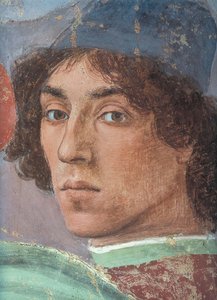
იტალიელი Born in პრატო უმაღლესი რენესანსი Wikipedia in 26/32 languages
10of 36
იტალიელი Born in ვენეცია რენესანსი, მანერიზმი Wikipedia in 29/32 languages

11of 36
იტალიური Born in ვენეცია მაღალი რენესანსიო, მანერიზმი Wikipedia in 23/32 languages

12of 36
იტალიელი Born in სერინა უმაღლესი რენესანსი Wikipedia in 22/32 languages

The initial stages of Palma’s career reveal a clear debt to Giovanni Bellini's refined technique and devotional style. Yet, Palma wasn't merely an imitator; he possessed a unique gift for rendering the human form with a sensual grace and a captivating realism that set him apart. He swiftly embraced Giorgione’s use of color, light, and composition, infusing his own paintings with a similar sense of lyrical beauty.
13of 36
Italian Born in ფერმინჯანო High Renaissance Wikipedia in 30/32 languages

This is perhaps most brilliantly realized in his work at Santa Maria presso San Satiro, where he employed architectural magic to dissolve the boundaries between reality and art, creating illusions that transcended physical limitations.
14of 36
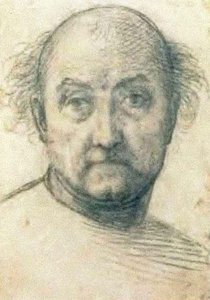
იტალიელი Born in პრატო უმაღლესი რენესანსი Wikipedia in 27/32 languages
15of 36
ვენეციის Born in ბასანო-დელ-გრაპა ვენეციის რენესანსი Wikipedia in 24/32 languages

16of 36
იტალიელი Born in რუნო რენესანსი, მანერიზმი Wikipedia in 20/32 languages

Bernardino Zenale-ს Cantù Polyptych-ის გავლენაც ჩანს ნამუშევრებში, როგორიცაა St. Anthony of Padua (1510s), რაც აჩვენებს ლუინის უნარს სინთეზირდეს მრავალფეროვანი გავლენა ერთიან მხატვრულ ხედვაში.
17of 36
იტალიური რენესანსი Born in ფერარა ფერარას და ბოლონიის სკოლები Wikipedia in 22/32 languages
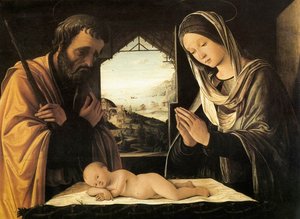
18of 36
იტალიელი Born in სიენა უმაღლესი რენესანსი და მანერიზმი Wikipedia in 23/32 languages

19of 36
Born in ფლორენცია უმაღლესი რენესანსი/მანერიზმი Wikipedia in 16/32 languages

20of 36
იტალიური Born in ბრეშა მაღალი რენესანსიო Wikipedia in 15/32 languages

21of 36
იტალიელი Born in ტრამაკიო ფერარის სკოლა Wikipedia in 24/32 languages

While his roots were in the precision of the early Renaissance, he moved toward a style that anticipated Mannerism through his use of striking disharmonies in color and unusual figure poses.
22of 36
Italian Born in ფლორენცია Florentine Renaissance Wikipedia in 22/32 languages

His early works, produced independently of Fra Bartolomeo, are stylistically distinct and reveal a sophisticated taste for detail. A period of independence followed Fra Bartolomeo’s entry into the Dominican order in 1500, allowing Albertinelli to develop his own voice while still maintaining a connection to his former mentor's style. Albertinelli’s style demonstrates the influence of several prominent artists including Perugino, Piero di Cosimo, Lorenzo di Credi, and Flemish painters.
23of 36
გერმანელი Born in მილანი ჩრდილოეთ რენესანსი Wikipedia in 15/32 languages

24of 36
იტალიური რენესანსი Born in მილანი მილანური სკოლა Wikipedia in 17/32 languages

25of 36
Italian Born in ბრეშა High Renaissance Wikipedia in 13/32 languages

Throughout his life, Romanino's contributions to the Lombard and Venetian landscapes left an indelible mark on the Renaissance. Regional Impact: Serving as a pivotal figure in the Brescia school, enriching the cultural heritage of both Lombardy and the Veneto.
26of 36
Italian Born in Bologna Mannerism Wikipedia in 19/32 languages

Sebastiano Serlio was an Italian Mannerist architect, painter, writer, designer, and civil engineer. Born in Bologna, he worked in the atelier of Baldassare Peruzzi in Rome and later lived in Venice. His career was significantly shaped by an invitation from François I to France, where he advised on the construction and decoration of the Château of Fontainebleau.
27of 36
Italian Born in Florence Renaissance

His influence was not merely structural but also deeply personal; through his brother Antonio da Sangallo the elder and his sons, Antonio and Francesco, the architectural language he helped pioneer continued to evolve and dominate the European landscape for decades.
28of 36
იტალიელი Born in ფლორენცია რენესანსი Wikipedia in 13/32 languages

Franciabiegos გავლენა სცდებოდა მის უშუალო თანამედროვეებსაც; რაფაელ სანჩიოს სტილისტური კვალი აშკარად იგრძნობა რამდენიმე მის მიკუთვნებულ ნამუშევარში — განსაკუთრებით კი „მადალენე და ბავშვი“-ში, რაც ხაზს უსვამს რენესანსის მხატვრული პრინციპების ყოვლისმომცველ გავლენას. მისი მარადიული მემკვიდრეობა ეფუძნება ჰუმანისტური იდეების ვიზუალურ ფორმაში გარდაქმნის უნარს, ადამიანური ემოციის სირთულეების დაჭერას შეუდარებელი ხელოვნებით — რაც ფლორენციის ხელოვნების ისტორიაში მისი გამორჩეული წვლილის დასტურია.
29of 36
Italian Born in Northern Italy Renaissance Art Wikipedia in 12/32 languages

Around 1520, Bartolomeo relocated to Milan, a city still resonating with the legacy of Leonardo da Vinci.
30of 36
Italian Born in ფლორენცია Italian Renaissance Wikipedia in 11/32 languages

Narrative Depth: The capacity to weave complex biblical or mythological stories into vibrant, social snapshots that reflect the spirit of Florentine society. Color and Light: A rich palette featuring deep reds, vibrant blues, and earthy tones, utilized through careful layering to create texture and luminosity. The historical significance of Giuliano Bugiardini lies in his role as a bridge between the traditions of the late 15th century and the burgeoning dynamism of the 16th century.
31of 36
ქროატ-იტალიელი Born in გრიჟანე უმაღლესი რენესანსი Wikipedia in 17/32 languages

32of 36
German Born in Florence German Renaissance, Mannerism

His work is now appreciated for its complex psychological depth, its masterful use of color, and its crucial role in bridging the gap between late Gothic art and the Renaissance.
33of 36
Spanish Born in Perugia Wikipedia in 9/32 languages

The name Lo Spagna carries the weight of a traveler's identity, a nod to Spanish origins etched into his Italian life. Born Giovanni di Pietro, he moved through the landscapes of Umbria and the Marches, leaving traces of his brush in places like Perugia, Todi, Trevi, and Spoleto. His presence in Perugia is noted as early as 1470, though by 1492, he was a recognized member of Perugino's workshop.
34of 36
Italian Born in Venice High Renaissance Wikipedia in 8/32 languages

Licinio’s art represents a fascinating synthesis of prevailing Venetian styles. This is particularly visible in his later altarpieces, which echo Titian’s dramatic use of light, rich color harmonies, and dynamic compositions—most notably in pieces like Madonna Enthroned with Saints (1535). It wasn't until the early 20th century, thanks to the meticulous research and clarifying intervention of Gustav Ludwig in 1903, that Licinio began to receive the recognition he deserved.
35of 36
Italian Rococo Art

He was a founding member and professor at the Accademia di Scoltura, Pittura, ed Architettura Civile in Venice (established 1766), an institution dedicated to reviving classical artistic ideals and fostering excellence in sculpture, painting, and architecture. His frescoes—particularly “The Study of Adam”—are considered masterpieces of Venetian fresco painting, showcasing unparalleled color palettes and textural nuances.
36of 36
Italian Born in Chivasso Renaissance Art; Late Gothic Style Wikipedia in 8/32 languages

His achievements can be summarized through several key pillars of his artistry: Stylistic Synthesis: The seamless blending of Northern European Flemish detail with Italian Renaissance humanism.
Signature works
A timeline
Figures
| იტალია | 27 |
|---|---|
| Italy | 7 |
| ხორვატია | 1 |
| 1440s | 3 |
|---|---|
| 1450s | 3 |
| 1460s | 3 |
| 1470s | 6 |
| 1480s | 15 |
| 1490s | 3 |
| 1500s | 1 |
| 1510s | 1 |
| კუნსტისტორიშეს მუზეუმი | 7 |
|---|---|
| უფიციების გალერეა | 6 |
| ნაციონალური გალერეა | 4 |
| მეტროპოლიტენის ხელოვნების მუზეუმი | 4 |
| ერმიტაჟის მუზეუმი | 4 |
| National Gallery of Art | 3 |
| Szépművészeti Múzeum | 3 |
| ჰარვარდის ხელოვნების მუზეუმები | 3 |
Every name
ლეონარდო და ვინჩიItalian · 1452–1519მიქელანჯელო ბუანაროტიიტალიელი · 1475–1564რაფაელ სანტიიტალიელი · 1483–1520ტიციანიიტალიელი · 1490–1576ჯორჯონეიტალიელი · 1478–1510პიეტრო პერუჯინოიტალიური · 1448–1523ანტონიო ალეგრი და კორრეგიოიტალიური · 1489–1534ანდრეა დელ სარტოიტალიელი · 1486–1530ფილიპინო ლიპიიტალიელი · 1457–1504ლორენცო ლոտტოიტალიელი · 1480–1556სებასტიანო დელ პიომბოსიტალიური · 1485–1547პალმა ვეკიოიტალიელი · 1480–1528დონატო ბრამანტეItalian · 1444–1514ფრა ბარტოლომეოიტალიელი · 1472–1517ჯაკპო ბასანოვენეციის · 1510–1592ბერნარდინო ლუინიიტალიელი · 1480–1532ლორენცო კოსტა (უფრო უფროსი)იტალიური რენესანსი · 1460–1535ბალდასარეპერუზიიტალიელი · 1481–1536მიკელე დი Ridolfo დელ გირლანდაიო1483–1561ჟოვანი ჯიროლამო სავოლდოიტალიური · 1480–1548დოსო დოსიიტალიელი · 1480–1542მარიოტო ალბერტინელიItalian · 1474–1515ჯოვანი ანტონიო ბოლტრაფियोგერმანელი · 1467–1516ანდრეა სოლიარიიტალიური რენესანსი · 1460–1524ჯიროლამო რომანინოItalian · 1485–1562Sebastiano SerlioItalian · 1475–1554Giuliano da SangalloItalian · 1443–1516فرانჩიაბიჯოიტალიელი · 1484–1525Bartolomeo VenetoItalian · 1502–1555ჯულიანო ბუგიარდინიItalian · 1475–1554ჯულიო კლავიოქროატ-იტალიელი · 1498–1578Antonio Da Sangallo The YoungerGerman · 1484–1546Lo SpagnaSpanish · 1450–1528Bernardino LicinioItalian · 1489–1565Michelangelo MorlaiterItalian · Defendente FerrariItalian · 1490–1540Questions
First place goes to ლეონარდო და ვინჩი (#1); მიქელანჯელო ბუანაროტი (#2) and რაფაელ სანტი (#3) complete the podium.
ლეონარდო და ვინჩი (#1), მიქელანჯელო ბუანაროტი (#2), რაფაელ სანტი (#3), ტიციანი (#4) და ჯორჯონე (#5).
“He spent hours in difficult positions, his body strained by the reach and the heavy application of fresco technique.” — from our biography of მიქელანჯელო ბუანაროტი (#2).
იტალია: 27 of the 36 მესმენები in this list were born there, then Italy (7) და ხორვატია (1).
The highest-ranked მესმენები born in Italy are Sebastiano Serlio (#26), Giuliano da Sangallo (#27), Bartolomeo Veneto (#29), Antonio Da Sangallo The Younger (#32) და Lo Spagna (#33).
პიეტრო პერუჯინო (#6) taught Lo Spagna (#33).
Most მესმენები in this list were born in the 1480s (15 of 36), between 1443 and 1510 overall.
The highest-ranked მესმენები born in იტალია are ლეონარდო და ვინჩი (#1), მიქელანჯელო ბუანაროტი (#2), რაფაელ სანტი (#3), ტიციანი (#4) და ჯორჯონე (#5).
The museums holding the most key works of this list are კუნსტისტორიშეს მუზეუმი (7), უფიციების გალერეა (6) და ნაციონალური გალერეა (4).
The earliest-born მხატვარი in this list is Giuliano da Sangallo (#27), born in 1443.
ფლორენცია: 5 of the მესმენები in this list were born there.
Our catalogue holds 5,647 works by these მესმენები.
Read
Other movements
 ცნობილი Baroque ხელოვანებიმოხევე მცველი · რემბრანდტი
 ცნობილი Contemporary Realist ხელოვანებიმოსაკრებლები · ჟან-ფრანსუა მილე
 ცნობილი Impressionist ხელოვანებივარსკვლავების ღამე (ნიუ-იორკი, MoMA) · ვინსენტ ვან გოგი
 ცნობილი Romanticist ხელოვანებისატურნმა თავისი ვაჟი შეყაზჷნა · ფრანსისკო გოია
 ცნობილი Neoclassicist ხელოვანებიმარატის სიკვდილი · ჟაკ-ლუი დავიდი
 ცნობილი Realist ხელოვანებიმშვიდობის წყარო · გიუსტავ კურბე
 ცნობილი Renaissance ხელოვანებიმონა ლიზა (ლა ჯოკონდა) · ლეონარდო და ვინჩი
 ცნობილი Dutch Golden Age ხელოვანებიგოგონა მარგალითიან ყურსთით · იან ვერმეერი
 ცნობილი Expressionist ხელოვანებიკომპოზიცია VII · ვასილი კანდინსკი
 ცნობილი Rococo ხელოვანებიცითერის გასეირნება · ჟან-ანტუან ვატო
Other periods
 ცნობილი Early Medieval ხელოვანებიSnowy River · ვან ვეი
 ცნობილი High Medieval ხელოვანებიმადონა მაესტაში (ოგნსანტოსი მადონა) · ჯოტო დი ბონდონე
 ცნობილი Late Medieval ხელოვანებიგესტუა და ორი წმინდა · სიმონე მარტინიცნობილი Renaissance ხელოვანები
 ცნობილი Early Modern ხელოვანებიწმინდა მატევის მოძახებA · კარავაჯო
 ცნობილი 19th Century ხელოვანებიყვავილების ბუჩქები (ან ნიმფეები) · კლოდ მონე
 ცნობილი Modern ხელოვანებიგერნიკა · პაბლო პიკასო
 ცნობილი Contemporary ხელოვანებიWind Sculpture III (one in a series of nine) · Yinka Shonibare
Discover more