1of 100
ლეონარდო და ვინჩი 1452–1519
Italian Born in ვინჩი High Renaissance Wikipedia in 32/32 languages

Renaissance, one artist at a time
ლეონარდო და ვინჩი (1452–1519) is the most famous Renaissance მხატვარი, whose singular vision gave us The Last Supper (with names of Apostles labelled) და The proportions of the human figure (The Vitruvian Man). Next stand მიქელანჯელო ბუანაროტი, ალბრეხტ დიურერი, რაფაელ სანტი და ჯოტო დი ბონდონე. These 100 მესმენები, from ციმბუე (born 1240) to ლუკა ჯორდანო (born 1634), came from 7 countries.
Our selection. Artists whose works our catalogue attaches to Renaissance, in the order of our fame ranking. Artists born after 1955 with no Wikidata identifier stay out until verified. The Wikipedia figure counts our 32 languages with an article on the artist.
In brief
One artist at a time
1of 100
Italian Born in ვინჩი High Renaissance Wikipedia in 32/32 languages
2of 100
იტალიელი Born in კაპრეზე-მიქელანჯელო მაღალი რენესანსი, მანერიზმი Wikipedia in 32/32 languages

Born in 1475, Michelangelo di Lodovico Buonarroti Simoni spent his early years near Settignano, where his father owned a quarry. By the time he reached Rome in 1496, he was already carving figures that possessed a heavy, palpable presence. The Pietà, completed in 1499, shows this early ability to make marble appear as soft as flesh, even as it carries the weight of a dead man.
3of 100
გერმანელი Born in ნიურნბერგი ჩრდილოეთ ევროპული რენესანსი Wikipedia in 32/32 languages
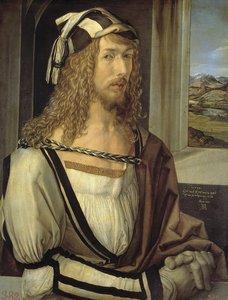
He did not merely observe the surface of things; he applied a rigorous, analytical approach to the way light falls upon a limb or how a body occupies space. He took the meticulous, sharp-edged precision of the Northern European tradition and infused it with the grace and harmonious composition he encountered in Italy. Even in his later years, his curiosity remained active, leading him through the Netherlands between 1520 and 1521.
Where to see In London, the British Museum holds a vast assembly of sixty-seven of his works, offering a deep look into the precision of his vision.
4of 100
იტალიელი Born in ურბინო უმაღლესი რენესანსი Wikipedia in 32/32 languages

Upon his arrival in Florence in 1504, the young painter entered a city defined by the presence of giants. His development was shaped by a careful study of their distinct approaches, alongside the influences of Fra Bartolommeo and Masaccio.
Where to see The physical remnants of his prolific career are scattered across the major centers of European art.
5of 100
იტალიელი Born in ფლორენცია რანელესანსისწინასწარმდეგი Wikipedia in 31/32 languages

Instead of the distant, symbolic figures common in the Byzantine tradition, he focused on a clear and simple structure. He sought to depict the world as it appeared to the eye, introducing the practice of drawing accurately from life. By moving away from the flat, gold-backed figures of the Byzantine tradition, he changed the direction of Italian painting.
Where to see The Scrovegni Chapel holds the large fresco cycles that changed how stories were told on walls.
6of 100
იტალიელი Born in პიევე-დი-კადორე ვენეციური რენესანსი Wikipedia in 32/32 languages

As the years passed, the soft, ethereal qualities of his youth gave way to something much more muscular and dramatic. He moved away from the quietude of his early training to embrace a bolder approach to color. His paintings remain in the great collections of the world, from the Prado in Madrid to the National Gallery in London, serving as a permanent record of a man who mastered the art of seeing.
7of 100
იტალიელი Born in ფლორენცია ადრეული რენესანსი Wikipedia in 31/32 languages
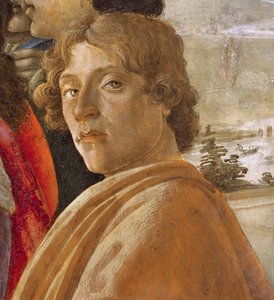
His hand moved with a specific, rhythmic grace. This precision allowed him to build up layers of tempera paint, which provided a way to render fine details and maintain a clear, bright color palette. For nearly three centuries, his paintings sat in quiet corners, overshadowed by the heavy presence of High Renaissance figures.
Where to see Walking through the halls of the Galleria degli Uffizi in Florence, one finds his most famous subjects.
8of 100
იტალიელი Born in სან-ჯოვანი-ვალდარნო რენესანსის ადრეული პერიოდი Wikipedia in 31/32 languages

9of 100
Нидерландцы Born in ჰერტოგენბოსი Сюрреализм и Символизм Wikipedia in 32/32 languages

He does not seek the smooth, invisible surface favored by many of his contemporaries. Through the precise use of glazing—layering thin, translucent washes of color—he achieves a sense of luminous depth and intricate texture. Pieter Bruegel the Elder emerges as his most significant follower, adopting and expanding upon the complex compositional structures and moralizing themes that Bosch pioneered.
Where to see The weight of Bosch's legacy is concentrated heavily in Madrid.
10of 100
იტალიური Born in სან-სეპოლკრო ადრეული რენესანსი Wikipedia in 30/32 languages

"ფედერიკო დე მონტეფელტროსა და მისი ცოლის, ბატი스타 სფორცას პორტრეტი" კიდევ ერთი შედევრია, რომელიც გამოირჩევა ფონების უნიკალური გამოყენებით, რაც მას განსაკუთრებულ სიღრმეს ანიჭებს.
11of 100
Flemish Born in ბრედა Northern Renaissance Wikipedia in 32/32 languages

His path into the arts began around 1545 when he entered the workshop of Pieter Coecke van Aelst. Between 1551 and 1552, he was admitted as a free master into the Guild of Saint Luke in Antwerp. By 1552, he had reached Rome and even traveled as far south as Reggio Calabria.
Where to see In Vienna, the Kunsthistorisches Museum holds a vast assembly of his creations, preserving many of the scenes that once filled the halls of the powerful.
12of 100
იტალიელი Born in რუპესანა ადრეული რენესანსი Wikipedia in 31/32 languages
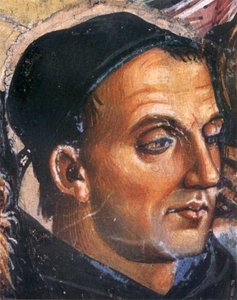
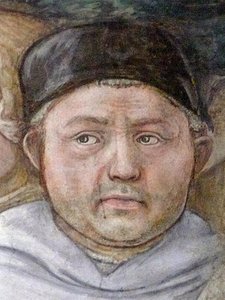
These early habits of the brush reveal a hand accustomed to the meticulous precision of manuscript illumination. Every choice on the panel was tied to his life as a Dominican friar. This recognition continued in 1984, when the same Pope declared him the patron of artists.
13of 100
იტალიელი Born in კარტურო ადრეული რენესანსი Wikipedia in 30/32 languages

Born near Padua around 1431, Andrea Mantegna entered the world of art through a complex and somewhat contentious apprenticeship. His social and professional standing continued to expand through strategic connections; in 1453, he married into the Venetian Bellini firm, a move that linked his burgeoning career to one of the most significant artistic lineages in the region. Within Italy, his stylistic innovations traveled through his family connections, notably affecting his brother-in-law Giovanni Bellini.
Where to see The physical presence of Mantegna’s vision remains scattered across the major cultural centers of Europe and the Americas.
14of 100
იტალიელი Born in კასტელფრანკო ვენეტო ვენეციური სკოლა Wikipedia in 31/32 languages

While the exact year of his birth remains a subject of debate, his presence in the Venetian art scene was established early. Records identify him as a colleague of the master Vincenzo Catena. Beyond Titian, his direct teaching shaped the hands of several notable figures, including Dosso Dossi, Giovanni da Udine, Andrea Schiavone, and Francesco Torbido.
Where to see His presence is felt most strongly in Vienna, where the Kunsthistorisches Museum houses several significant pieces, including the Portrait of Francesco Maria della Rovere.
Signature works · The 100 signature works
15of 100
იტალიელი Born in პრატოვეკიო Wikipedia in 31/32 languages
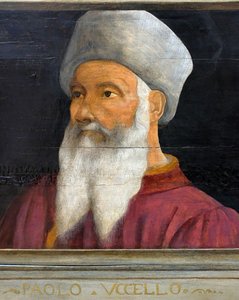
Uccello was as much a mathematician as he was a painter. By applying a scientific method to the canvas, he attempted to translate the complexities of three-dimensional space into a two-dimensional plane. Uccello’s impact on the trajectory of Western art is found in his rigorous investigation of spatial logic.
Where to see In Florence, his presence remains deeply integrated into the city's architecture.
16of 100
გერმანელი Born in აუგსბურგი ჩრდილოეთის რენესანსი Wikipedia in 29/32 languages

Holbein’s work operates through a Northern Renaissance style that prioritizes a hyper-realistic clarity. He did not rely on vague impressions; instead, he used oil paint to achieve vivid colors and a level of precise detail that makes the subjects feel immediate. Through his brush, we see the faces and the intellectual weight of the humanists who shaped European thought, such as Desiderius Erasmus and Thomas More.
Where to see The National Gallery in London maintains a significant presence of his output, providing a direct link to the Tudor era through several of his portraits.
17of 100
იტალიელი Born in სიენა სიონის სკოლა, ტრენტოს გოთიკური სტილი Wikipedia in 31/32 languages

He frequently embellished these surfaces with gold leaf, a practice that maintained a visual connection to the Byzantine tradition. His compositions often featured the gold backgrounds and religious scenes characteristic of the era, yet he sought to move beyond the flat, static nature of his predecessors. The stylistic footprint left by Duccio di Buoninsegna helped define the visual language of the Trecento Gothic style and established the foundations of the Sienese school.
Where to see The physical remnants of Duccio's career are scattered across several major institutions, offering a way to encounter his specific approach to light and form.
18of 100
ประเทศ อิตาลี Born in ფლორენცია แบบ บายเซนต์ และ เรเนสซองส์ Wikipedia in 28/32 languages

He was a child of the Florentine streets, growing up in a landscape where the heavy, golden formality of the East met a new, restless desire for something more human. While the exact details of his childhood remain veiled by the passage of centuries, his early years were clearly shaped by the rigorous discipline of the Florentine workshops.
Where to see To follow the path of his brush is to travel across the great cities of Europe and beyond.
19of 100
იტალიელი Born in ვერონა რენესანსი, მანერიზმი Wikipedia in 31/32 languages

He was part of the great trio of Venetian painters, alongside Titian and Tintoretto, yet he occupied a space of his own through his sheer exuberance.
20of 100
Italian Born in ვენეცია Venetian Renaissance Wikipedia in 30/32 languages
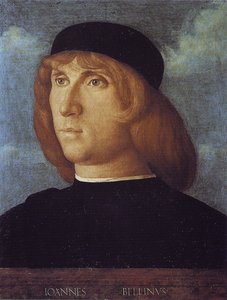
However, as he matured, he began to move away from this rigid clarity. This mastery of the medium changed the very nature of Venetian painting, moving it toward a more sensuous and coloristic style.
Where to see To walk through the halls of the Gallerie dell'Accademia di Venezia is to encounter the very heart of his legacy, for this collection holds twenty-four of his works.
21of 100
იტალიელი Born in ფლორენცია ადრეული რენესანსი Wikipedia in 31/32 languages

22of 100
German Born in კრონახი German Renaissance Wikipedia in 31/32 languages

Collaborative Workshop Production: A method that ensured his stylistic hallmarks were perpetuated by his successors.
24of 100
იტალიელი Born in ვენეცია ვენეციური რენესანსი Wikipedia in 26/32 languages

25of 100
იტალიელი Born in კრემონა რენესანსი, მანერიზმი Wikipedia in 29/32 languages

26of 100
იტალიელი Born in ფლორენცია ადრეული რენესანსი Wikipedia in 30/32 languages
27of 100
იტალიური Born in კორეგიო მაღალი რენესანსიო Wikipedia in 29/32 languages

28of 100
გერმანელი Born in ვიურცბურგი გერმანული რენესანსი, გვიანდელი გოთიკა Wikipedia in 29/32 languages

The year 1515 marks a peak of expressive power. In the hospital chapel of the Monastery of St Anthony in Isenheim, Alsace, a massive polyptych is being realized.
29of 100
ფლანგრიული Born in ბრიუსელი ნიდერლანდური ოქროს ხანა Wikipedia in 27/32 languages

He acted as a vital bridge between the late Renaissance and the burgeoning Flemish Baroque, maintaining the integrity of his father's humanist traditions while adapting to the commercial demands of a growing export market. Ultimately, the legacy of Brueghel the Younger is one of continuity and expansion. Born in Brussels around 1564, his life was inextricably woven into the very fabric of the Northern Renaissance.
30of 100
იტალიელი Born in ფლორენცია მაღალი რენესანსი და მანიერიზმი Wikipedia in 28/32 languages

His hand moved with a specific kind of precision, whether working in fresco, oil, or chalk. Madonna and Child with St Elisabeth, the Infant St John, and Two Angels, 1515. While his name was often overshadowed by the massive presence of Leonardo da Vinci, Michelangelo, and Raphael, his influence remained deeply felt.
Where to see To see his hand in person, one often begins in Florence.
31of 100
გერმანელი Born in რეგენსბურგი დუნაის სკოლა, რენესანსი Wikipedia in 28/32 languages

Signature works · The 100 signature works
 The Large Spruce
 ალბრეხტ ალtdორferi
, რომელიც დაიბადა დაახლოებით 1480 წელს რეგენსბურგში, გერმანიაში, არის მნიშვნელოვანი ფიგურა, რომელიც აკავშირებს თხუთხუთასა და განვითარებად გერმანულ რენესანსს. ის არ იყო მხოლოდ თავისი დროის მხატვარი; მან აქტიურად შეცვალ
 Lovers
32of 100
Italian Born in მესინა Early Renaissance, Flemish influence

“სალტის მადონა” (დაახლოებით 1460), რომელიც ამ შეხვედრის შემდეგ შეიქმნა, მაგნიტურად წარმოადგენს ამ ცვლილებას, აჩვენებს უფრო ჰარმონიულ ფერწერულ სქემას და ადრეულ ნამუშევრებზე მეტ ელეგანტურობას. ანტონელოს ყველაზე სახელოვანი ნახატები – მათ შორის “სწ. იერონიმი თავის კაბინეტში” (დაახლოებით 1475) და “განცხადება” (დაახლოებით 1475) – მისი მხატვრული უმაღლესობის 증거ა.
33of 100
იტალიელი Born in პრატო უმაღლესი რენესანსი Wikipedia in 26/32 languages
35of 100
იტალიელი Born in სიენა სიენური სკოლა Wikipedia in 29/32 languages

36of 100
ფლამანდიური Born in გენტი რანაissance-ის ადრეული ეტაპი Wikipedia in 25/32 languages

37of 100
ფლამანდიური Born in ლევენი ანტვერპის სკოლა Wikipedia in 23/32 languages

38of 100
იტალიელი Born in ფლორენცია ადრეული რენესანსი Wikipedia in 31/32 languages

Born in Florence, Italy, Donatello grew up in a city that acted as the primary epicenter for the burgeoning Renaissance. His connection to the Florentine landscape was deep, as the city's evolving values shaped his early approach to form and figure. Donatello's approach to form did not find immediate acceptance within his community.
39of 100
იტალიელი Born in ფლორენცია ად Frühe Renaissance (ადრეული რენესანსი) Wikipedia in 31/32 languages

40of 100
იტალიელი Born in ვენეცია რენესანსი, მანერიზმი Wikipedia in 29/32 languages

41of 100
იტალიელი Born in ფლორენცია რენესანსის სკულპტურა Wikipedia in 24/32 languages

43of 100
იტალიელი Born in ფლორენცია რენესანსი Wikipedia in 23/32 languages

44of 100
გერმანელი Born in შვებიშ-გმიუნდი რენესანსი, მანერიზმი Wikipedia in 25/32 languages

National Gallery of Art, ვაშინგტონი, აშშ: NGA ინახავს ბალდუნგის რამდენიმე მნიშვნელოვან ხეზე ნაკვეთსა და ნახატს, რაც გვაწვდის ინფორმაციას მისი გრავირების ტექნიკისა და შემოქმედებითი პროცესის შესახებ. Paul Getty Museum, ლოს-ანჯელესი: წარმოადგენს ნამუშევრებს, რომლებიც აჩვენებენ ბალდუნგის ნიჭის მასშტაბებს. Kunstmuseum Basel, შვეიცარია: მუზეუმი მდიდარი კოლექციით, რომელიც მოიცავს სხვადასხვა პერიოდს და გვთავაზობს ევროპული რენესანსის უფრო ფართო გაგებას. ეს ინსტიტუტები იძლევა შესაძლებლობას, პირადად შეიგრძნოთ ჰანს ბალდუნგ გრიენის მომხიბვლელი ხელოვნება და მისი მარადიული მემკვიდრეობა.
45of 100
Italian Born in ფლორენცია International Gothic, Early Renaissance Wikipedia in 25/32 languages

There, under the watchful eye of Pope Eugene IV, he worked within the Vatican Palace. Women at the Tomb (detail) - Convent of San Marco, Florence.
Where to see There, within the Palazzo Medici-Riccardi, the walls of the Magi Chapel hold the details of the procession of the Magi.
46of 100
იტალიელი Born in ნეაპოლი უ late ბაროკო Wikipedia in 23/32 languages
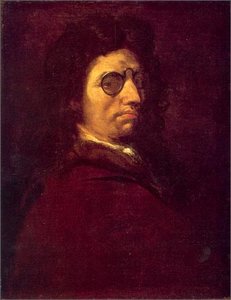
The heavy, dark shadows of the early 17th-century Neapolitan tradition begin to recede as Giordano’s hand moves. He replaces deep, murky tones with a luminosity that defines his mature period. He acted as a bridge between the heavy, dramatic High Baroque and the lighter, more playful Rococo period.
Where to see The physical presence of Giordano’s output remains scattered across the major repositories of Europe.
47of 100
იტალიელი Born in სიენა ადრეული რენესანსი Wikipedia in 27/32 languages

48of 100
ფლამენდიელი Born in მაუბეჟი რომანისტული ფერწერის სტილი Wikipedia in 23/32 languages

49of 100
იტალიელი Born in ფლორენცია რენესანსის ხელოვნება Wikipedia in 27/32 languages

50of 100
იტალიური Born in ვენეცია მაღალი რენესანსიო, მანერიზმი Wikipedia in 23/32 languages

51of 100
იტალიელი Born in პანიკალე ადრეული რენესანსი Wikipedia in 23/32 languages

52of 100
ჰოლანდიელი Born in ლეიდენი ადრეული რენესანსი Wikipedia in 23/32 languages

53of 100
ნიდერლანდური Born in ოუდევერი რანაissance-ის ადრეული ხანა Wikipedia in 22/32 languages

View in a Forest-ის ტილოზე, რომელიც ტრიპტიქის გარეთა ფრთას წარმოადგენს, ეს მხოლოდ ფონი არ არის, არამედ საკუთარი სამყაროა, რომელიც ზუსტი დეტალებითა და ატმოსფერული პერსპექტივით არის შესრულებული. რელიგიურ ნამუშევრებში David-მა ღრმა სულიერებათა და ადამიანური ემოციების გამოხატვის უნიკალური უნარი წარმოაჩინა.
54of 100
ინგლისელი Born in ექსეტერი ელიზაბეტის ეპოქის მინიატურისტი Wikipedia in 19/32 languages

56of 100
იტალიელი Born in ვერჩელი უმაღლესი რენესანსი და მანერიზმი Wikipedia in 25/32 languages

57of 100
იტალიელი Born in ფერარა რენესანსის ადრეული პერიოდი Wikipedia in 24/32 languages

58of 100
Italian Born in პიზა Baroque, Caravaggism Wikipedia in 22/32 languages

Major Works: “danae”, "the annunciation", "the virgin mary".
59of 100
ფრანგი Born in ტური რენესანსის პორტრეტული ჟანრი Wikipedia in 21/32 languages
60of 100
იტალიელი Born in ვენეცია ად Frühe Renaissance (ადრეული რენესანსი) Wikipedia in 21/32 languages

61of 100
ტიროლისელი Born in ბოლზანო რენესანსი და გოთიკა Wikipedia in 18/32 languages

62of 100
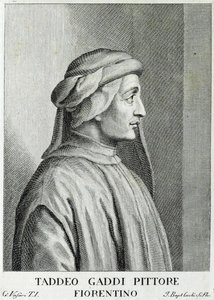
იტალიელი Born in ფლორენცია ად Frühe Renaissance (ადრეული რენესანსი) Wikipedia in 23/32 languages
63of 100
გერმანული Born in როტვაილი გვიანი გოთური რეალიზმი Wikipedia in 18/32 languages

64of 100
იტალიელი Born in სერინა უმაღლესი რენესანსი Wikipedia in 22/32 languages

The initial stages of Palma’s career reveal a clear debt to Giovanni Bellini's refined technique and devotional style. Yet, Palma wasn't merely an imitator; he possessed a unique gift for rendering the human form with a sensual grace and a captivating realism that set him apart. He swiftly embraced Giorgione’s use of color, light, and composition, infusing his own paintings with a similar sense of lyrical beauty.
65of 100
იტალიური Born in ფერარა იტალიური რენესანსიო Wikipedia in 17/32 languages

66of 100
ფრანგი Born in ტური რენესანსის ადრეული პერიოდი Wikipedia in 24/32 languages

67of 100
ნიდერლანდელი Born in ჰარლემი რანგული ნიდერლანდური Wikipedia in 22/32 languages

This work shows Christ performing the consecration of the Eucharistic host, with four servants dressed in Flemish attire. His other known works include the Justice Panels, which depict the life of the Holy Roman Emperor Otto III, and various devotional panels, such as the Virgin and Child.
68of 100
Flemish Born in ანტვერპენი Northern Mannerism Wikipedia in 18/32 languages

Spranger’s style is a quintessential example of Northern Mannerism, characterized by elongated figures, complex poses, and a deliberate emphasis on elegance and refinement. Spranger’s work is notable for its dynamism, achieved through carefully orchestrated diagonals and a sense of movement within each composition. Crucially, his travels extended into Italy, where he spent eight months in Milan and three months in Parma, assisting Bernardino Gatti on the ambitious fresco project for the dome of Santa Maria della Steccata.
69of 100
იტალიელი Born in კორტონა იტალიური რენესანსი Wikipedia in 27/32 languages

In 1472, he is working in Arezzo, followed by a period in Città di Castello in 1474. His ability to render the human body in motion helped bridge the gap between the early Renaissance and the more complex compositions of the High Renaissance.
70of 100
იტალიელი Born in სიენა უგვიანდელი გოთიკა, სიენური სკოლა Wikipedia in 17/32 languages

71of 100
Italian Born in კონელიანო Venetian Renaissance Art Wikipedia in 19/32 languages

Unlike many artists of his time who sought dramatic visual impact, Cima favored subtle nuances of color and light—creating canvases that radiate an aura of contemplative peace. His masterful use of sfumato—a blurring technique pioneered by Leonardo da Vinci —further enhanced the ethereal quality of his paintings, lending them an otherworldly luminescence. His influence extended beyond his immediate contemporaries; he served as a teacher to Carlo da Conegliano and Vittore Belliniano —artists who carried forward Cima's aesthetic principles into subsequent artistic lineages.
72of 100
გერმანიელი Born in ვიტენბერგი რენესანსის მხატვრობა Wikipedia in 25/32 languages

73of 100
იტალიელი Born in ფლორენცია ადრეული რენესანსი Wikipedia in 24/32 languages

74of 100
იტალიელი Born in ვენეცია გვიანდელი გოთიკა, ვენეციის გოთიკური სტილი Wikipedia in 23/32 languages

He was a master of trompe l'oeil, using paint to mimic the physical world with startling accuracy. This combination of the highly decorative and the intensely realistic created a visual language that was uniquely his own, characterized by: A strong linear decorative sense. The works he left behind, many of which reside in collections such as the Pinacoteca di Brera and the National Gallery, reveal a painter of immense technical skill.
75of 100
იტალიელი Born in სიენა გოთიკა, რენესანსი Wikipedia in 22/32 languages

Pietà, რომელიც ფლორენციის Galleria dell'Accademia-ში ინახება, მისი ადრეული უსწავლავეობის ტესტამენტია, წარმოადგენს ნერვოზულ ენერგიას მის ხაზებში და ხელშესახებ ემოციურ დაძაბულობას. Coronation of the Virgin, რომელიც ახლა Uffizi Gallery-ში არის განთავსებული, მაგალითად ასახულია მისი მომწიფებული სტილი - მკვეთრი ფორმებითა და გაბრწყინებულ ფერებით რენდერირებული წმინდანების თვალწარმტაცი ტაპესტრი.
76of 100
Italian Born in ფერმინჯანო High Renaissance Wikipedia in 30/32 languages

This is perhaps most brilliantly realized in his work at Santa Maria presso San Satiro, where he employed architectural magic to dissolve the boundaries between reality and art, creating illusions that transcended physical limitations.
77of 100
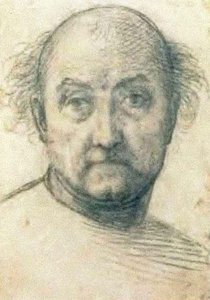
იტალიელი Born in პრატო უმაღლესი რენესანსი Wikipedia in 27/32 languages
78of 100
ვენეციის Born in ბასანო-დელ-გრაპა ვენეციის რენესანსი Wikipedia in 24/32 languages

80of 100
იტალიელი Born in ფლორენცია ვენეციის სკოლა Wikipedia in 22/32 languages

81of 100
იტალიელი Born in სიენა რენესანსი Wikipedia in 19/32 languages

82of 100
იტალიელი Born in ფლორენცია გოთიკა, ადრეული რენესანსი Wikipedia in 20/32 languages

83of 100
ფრანგული Born in ბრიუსელი რენესანსის პორტრეტული მხატვრობა Wikipedia in 20/32 languages

84of 100
იტალიელი Born in რუნო რენესანსი, მანერიზმი Wikipedia in 20/32 languages

Bernardino Zenale-ს Cantù Polyptych-ის გავლენაც ჩანს ნამუშევრებში, როგორიცაა St. Anthony of Padua (1510s), რაც აჩვენებს ლუინის უნარს სინთეზირდეს მრავალფეროვანი გავლენა ერთიან მხატვრულ ხედვაში.
85of 100
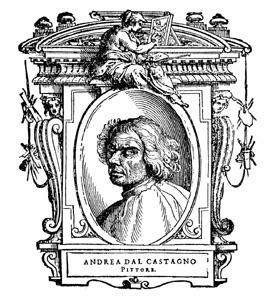
იტალიელი Born in კასტანოლი ადრეული რენესანსი Wikipedia in 24/32 languages
86of 100
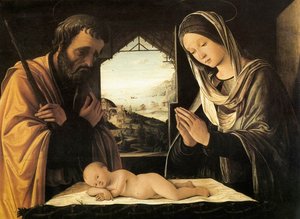
იტალიური რენესანსი Born in ფერარა ფერარას და ბოლონიის სკოლები Wikipedia in 22/32 languages
87of 100
Born in ლეიდენი რ frühen ნიდერლანდური ფერწერის სტილი Wikipedia in 20/32 languages
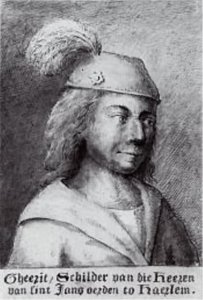
გერტგენ ტოტ სინტ იანსის სახელი ნაზად ეხმიანება ადრეული ნიდერლანდური ფერწერის ანალებს; ეს არის ბრწყინვალების ჩურჩული იმ ხელოვანისა, რომლის ცხოვრებაც დღემდე შემაწუხებლად ბუნდოვანი რჩება.
88of 100
ფლანდრიელი Born in ანტვერპენი რომაიზმი Wikipedia in 19/32 languages

Known to history as Frans Floris the Elder, this Flemish Renaissance pioneer acted as a vital bridge between the Northern traditions of his homeland and the monumental grandeur of the Italian High Renaissance.
90of 100
Born in აუგსბურგი Renaissance portraiture Wikipedia in 19/32 languages

He initially sought patronage from Sir Thomas More, a prominent humanist scholar and statesman. This connection led to commissions from other members of the English court, including Henry VIII and various nobles. His influence can be seen in the works of later artists, including Rembrandt and Van Dyck, who admired his mastery of light and shadow and his ability to convey personality through portraiture.
91of 100
იტალიელი Born in ბოლონია სიენური სალთლწერლობის სტილი Wikipedia in 19/32 languages

92of 100
ფლანდრიელი Born in ბუვინ-სურ-მეზ რენესანსის პეიზაჟი Wikipedia in 18/32 languages

Patinir absorbed Bosch's penchant for imaginative landscapes populated with peculiar creatures and symbolic motifs, but he steered away from the moralizing allegories that characterized Bosch’s work. A journey to Genoa in 1511 alongside David and Adrien Ysenbrandt likely broadened his artistic horizons, exposing him to different visual traditions and further refining his observational skills.
93of 100
ფლანდრიელი Born in დინანტი ფლანდრიული რენესანსი

By the time of his death in Antwerp in 1524, Patenier had helped establish landscape as an independent genre.
94of 100
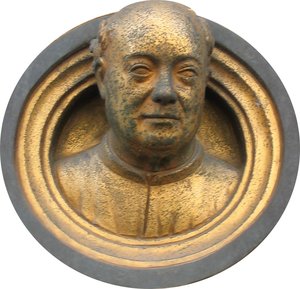
იტალიელი Born in Florence ად Frühe Renaissance (ადრეული რენესანსი) Wikipedia in 28/32 languages
95of 100
Dutch Born in უტრეხტი Renaissance Portraiture Wikipedia in 20/32 languages

Mor’s influence extended far beyond his immediate contemporaries.
96of 100
იტალიელი Born in ბრეშა რენესანსის ხელოვნება Wikipedia in 16/32 languages

97of 100
Born in ანტვერპენი Wikipedia in 13/32 languages

He employed a sophisticated technique involving layered glazes that created a luminous effect and enhanced the richness of his palette. His figures are typically elongated and graceful, reflecting the influence of Italian Mannerism, yet they retain a distinctly Northern sensibility in their realistic rendering and attention to individual character. His early work also shows the impact of Jan van Scorel, another artist who brought Italian influences to Northern Europe.
98of 100
ჰოლანდიელი Born in შორილ რომანისტული, რენესანსი Wikipedia in 20/32 languages

99of 100
იტალიელი Born in მილანი უმაღლესი რენესანსი Wikipedia in 15/32 languages

100of 100
გერმანელი Born in აუგსბურგი უმაღლესი რენესანსი Wikipedia in 20/32 languages

Burgkmair’s artistic style is a fascinating blend of Northern European tradition and Italian Renaissance ideals. His son, Hans Burgkmair the Younger, continued his father’s legacy, collaborating on the “Turnierbuch,” a lavish illustrated tournament book.
Signature works
A timeline
Figures
| იტალია | 68 |
|---|---|
| გერმანია | 10 |
| ბელგია | 9 |
| ნიდერლანდები | 8 |
| საფრანგეთი | 3 |
| გაერთიანებული სამეფო | 1 |
| Italy | 1 |
| 13th საუკუნე | 5 |
|---|---|
| 14th საუკუნე | 11 |
| 15th საუკუნე | 69 |
| 16th საუკუნე | 14 |
| 17th საუკუნე | 1 |
| ნაციონალური გალერეა | 22 |
|---|---|
| უფიციების გალერეა | 19 |
| კუნსტისტორიშეს მუზეუმი | 14 |
| ლუვრი | 11 |
| National Gallery of Art | 11 |
| მეტროპოლიტენის ხელოვნების მუზეუმი | 9 |
| ბერლინის შტატული მუზეუმები | 7 |
| ვენეციის აკადემიის გალერეა | 6 |
Every name
ლეონარდო და ვინჩიItalian · 1452–1519მიქელანჯელო ბუანაროტიიტალიელი · 1475–1564ალბრეხტ დიურერიგერმანელი · 1471–1528რაფაელ სანტიიტალიელი · 1483–1520ჯოტო დი ბონდონეიტალიელი · 1267–1337ტიციანიიტალიელი · 1490–1576სანდრო ბოტიჩელიიტალიელი · 1445–1510მასაჩიოიტალიელი · 1401–1428ჰიერონიმუს ბოსხიНидерландцы · 1450–1516პიერო დელა ფრანჩესკაიტალიური · 1415–1492პიტერ ბრეიგელიFlemish · 1525–1569ფრა ანჯელიკოიტალიელი · 1395–1455Andrea Manteniaიტალიელი · 1431–1506ჯორჯონეიტალიელი · 1478–1510პაოლო უჩელოიტალიელი · 1397–1475ჰანს ჰოლბაინ უმცროსიგერმანელი · 1497–1543დუჩო დი ბუონინსენიაიტალიელი · 1255–1319ციმბუეประเทศ อิตาลี · 1240–1302ვერონეზეიტალიელი · 1528–1588ჯოვანი ბელინიItalian · 1430–1516დომენიკო გირლანდაიოიტალიელი · 1448–1494ლუკას კრანახი უფროსიGerman · 1472–1553 პიეტრო პერუჯინოიტალიური · 1448–1523ვიტორი კარპაციოიტალიელი · 1465–1526სოფონისბა ანგისოლაიტალიელი · 1532–1625ფილიპო ლიპიიტალიელი · 1406–1469ანტონიო ალეგრი და კორრეგიოიტალიური · 1489–1534მათის ნაითჰარდტიგერმანელი · 1480–1528პიტერ ბრუგელი უმცროსიფლანგრიული · 1564–1638ანდრეა დელ სარტოიტალიელი · 1486–1530ალბრეხტ ალტდორფერიგერმანელი · 1480–1538ანტონელო და მესინაItalian · 1430–1479ფილიპინო ლიპიიტალიელი · 1457–1504
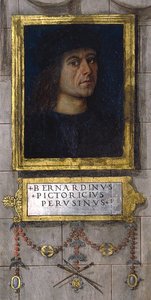 პინტურიკიო1454–1513ამბროჯო ლორენცეტიიტალიელი · 1290–1348ჰუგო ვან დერ გოესიფლამანდიური · 1440–1482კანტენ მასისიფლამანდიური · 1466–1530დონატელოიტალიელი · 1386–1466ანდრეა დელ ვეროკიოიტალიელი · 1435–1488ლორენცო ლոտტოიტალიელი · 1480–1556ლუკა დელა რობიაიტალიელი · 1399–1482
 ჯენტილე ბელინიიტალიელი · 1429–1507ანტონიო დელ პოლაიუოლოიტალიელი · 1429–1498ჰანს ბალდუნგიგერმანელი · 1485–1545ბენოცო გოცოლიItalian · 1420–1497ლუკა ჯორდანოიტალიელი · 1634–1705პიეტრო ლორენცეტიიტალიელი · 1280–1348იან გოსერტი (მაბუზე)ფლამენდიელი · 1478–1532პიერო დი კოსიმო (პიერო დი ლორენცო)იტალიელი · 1462–1522სებასტიანო დელ პიომბოსიტალიური · 1485–1547მასოლინო და პანიკალეიტალიელი · 1383–1447ლუკას ვან ლეიდენიჰოლანდიელი · 1494–1533ჟერარ დევიდინიდერლანდური · 1460–1523ნიკოლას ჰილიარდიინგლისელი · 1547–1619
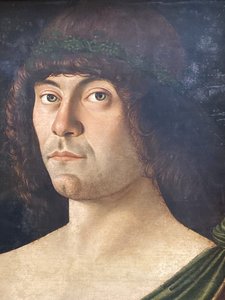 ჯაკაპო ბელინიიტალიელი · 1400–1470ილ სოდომა (ჯოვანი ანტონიო ბაცი)იტალიელი · 1477–1549კოსმე ტურაიტალიელი · 1430–1495ორაციო ჯენტილესკიItalian · 1563–1639ფრანსუა კლუეფრანგი · 1510–1572დომენიკო ვენეციანოიტალიელი · 1410–1461მიქაელ პახერიტიროლისელი · 1435–1498ტადეო გადიიტალიელი · 1300–1366კონრად ვიცგერმანული · 1400–1445პალმა ვეკიოიტალიელი · 1480–1528ფრან체სკო დელ კოსაიტალიური · 1436–1477ჟან ფუკეფრანგი · 1420–1478დირიკ ბოუსინიდერლანდელი · 1415–1475ბარტოლომეუს სპრანგერიFlemish · 1546–1611ლუკა სინიორელიიტალიელი · 1450–1523სასეტაიტალიელი · 1392–1450ჯოვანი ბატისტა চিმა და კონელიანოItalian · 1459–1517ლუკას კრანახი უმცროსიგერმანიელი · 1515–1586კოზიმო როსელიიტალიელი · 1439–1507კარლო კრიველიიტალიელი · 1435–1495ლორენცო მონაკოიტალიელი · 1370–1425დონატო ბრამანტეItalian · 1444–1514ფრა ბარტოლომეოიტალიელი · 1472–1517ჯაკპო ბასანოვენეციის · 1510–1592
 ფილიპო ბრუნელესკიიტალიელი · 1377–1446ლორენცო დი კრედიიტალიელი · 1459–1537ფრანჩესკო დი ჯორჯიო მარტინიიტალიელი · 1439–1501ანიოლო გადიიტალიელი · 1350–1396ჟან კლუეფრანგული · 1480–1541ბერნარდინო ლუინიიტალიელი · 1480–1532ანდრეა დელ კასტანიოიტალიელი · 1420–1457ლორენცო კოსტა (უფრო უფროსი)იტალიური რენესანსი · 1460–1535გერტგენ ტოტ სინტ იანს1460–1490ფრანს ფლოჩიფლანდრიელი · 1517–1570
 პარი ბორდონეიტალიელი · 1500–1571ჰანს ჰოლბაინ უფროსი1465–1524ფრანჩესკო ფრანჩია (ფრანჩესკო რაიბოლინი)იტალიელი · 1447–1517ჯოაきიმ პატინირიფლანდრიელი · 1480–1524იოახიმ პატენიერიფლანდრიელი · 1481–1524ლორენცო გიბერტიიტალიელი · 1378–1455ანტონის მორიDutch · 1519–1575ალესანდრო ბონვიჩინო (მორეტო და ბრესია)იტალიელი · 1498–1554მარტენ დე ვოსი1532–1603იან ვან სკორელიჰოლანდიელი · 1495–1562ფრანჩესკო მელზიიტალიელი · 1491–1570ჰანს ბურგკმაირი უფროსიგერმანელი · 1473–1531
Questions
First place goes to ლეონარდო და ვინჩი (#1); მიქელანჯელო ბუანაროტი (#2) and ალბრეხტ დიურერი (#3) complete the podium.
ლეონარდო და ვინჩი (#1), მიქელანჯელო ბუანაროტი (#2), ალბრეხტ დიურერი (#3), რაფაელ სანტი (#4) და ჯოტო დი ბონდონე (#5).
The museums holding the most key works of this list are ნაციონალური გალერეა (22), უფიციების გალერეა (19) და კუნსტისტორიშეს მუზეუმი (14).
The earliest-born მხატვარი in this list is ციმბუე (#18), born in 1240.
“He spent hours in difficult positions, his body strained by the reach and the heavy application of fresco technique.” — from our biography of მიქელანჯელო ბუანაროტი (#2).
The highest-ranked მესმენები born in გერმანია are ალბრეხტ დიურერი (#3), ჰანს ჰოლბაინ უმცროსი (#16), ლუკას კრანახი უფროსი (#22), მათის ნაითჰარდტი (#28) და ალბრეხტ ალტდორფერი (#31).
The highest-ranked მესმენები born in იტალია are ლეონარდო და ვინჩი (#1), მიქელანჯელო ბუანაროტი (#2), რაფაელ სანტი (#4), ჯოტო დი ბონდონე (#5) და ტიციანი (#6).
This list includes 1 women: სოფონისბა ანგისოლა (#25).
ფლორენცია: 17 of the მესმენები in this list were born there.
იტალია: 68 of the 100 მესმენები in this list were born there, then გერმანია (10) და ბელგია (9).
Most მესმენები in this list were born in the 15th საუკუნე (69 of 100), between 1240 and 1634 overall.
Our catalogue holds 19,218 works by these მესმენები.
Read
Other movements
 ცნობილი Baroque ხელოვანებიმოხევე მცველი · რემბრანდტი
 ცნობილი Contemporary Realist ხელოვანებიმოსაკრებლები · ჟან-ფრანსუა მილე
 ცნობილი Impressionist ხელოვანებივარსკვლავების ღამე (ნიუ-იორკი, MoMA) · ვინსენტ ვან გოგი
 ცნობილი Romanticist ხელოვანებისატურნმა თავისი ვაჟი შეყაზჷნა · ფრანსისკო გოია
 ცნობილი Neoclassicist ხელოვანებიThe Death of Marat · ჟაკ-ლუი დავიდი
 ცნობილი Realist ხელოვანებიმშვიდობის წყარო · გიუსტავ კურბე
 ცნობილი Dutch Golden Age ხელოვანებიმარგარიტა ერთ მარგალითიან ყელსით · იან ვერმეერი
 ცნობილი Expressionist ხელოვანებიკომპოზიცია VII · ვასილი კანდინსკი
 ცნობილი Rococo ხელოვანებიცითერის გასეირნება · ჟან-ანტუან ვატო
 ცნობილი Pop Art ხელოვანებიკამბელის სუპის ქილები · ენდი უორჰოლი
Other periods
 ცნობილი Early Medieval ხელოვანებიSnowy River · ვან ვეიცნობილი High Medieval ხელოვანები
 ცნობილი Late Medieval ხელოვანებიგესტუა და ორი წმინდა · სიმონე მარტინი
 ცნობილი Early Modern ხელოვანებიწმინდა მატევის მოძახებA · კარავაჯო
 ცნობილი 19th Century ხელოვანებიყვავილების ბუჩქები (ან ნიმფეები) · კლოდ მონე
 ცნობილი Modern ხელოვანებიგერნიკა · პაბლო პიკასო
 ცნობილი Contemporary ხელოვანებიWind Sculpture III (one in a series of nine) · Yinka Shonibare
Discover more