პიტერ ბრეიგელი პორტრეტი

პიტერ ბრეიგელი-ის ნახატები: 100 ყველაზე ცნობილი ნამუშევარი, গალერეის თcraftით

განახლდა ნოემბერი 2026 · დალაგებულია ჩვენი პოპულარობის ქულების მიხედვით (ძიება, ნახვა და შეკვეთები თითოეული ნამუშწაროსთვის) · 254 ნამუშევარი პიტერ ბრეიგელი ჩვენს კატალოგში

მოკლედ რომ ვთქვათ

გალერეის შეხედულებით, პიტერ ბრეიგელი-ის ყველაზე ცნობილი ნამუშწაროა Explore Pieter Bruegel’s ‘Tower of Babel’! A monumental 1563 oil painting depicting human ambition & divine judgment. Northern Renaissance detail, rich symbolism, and historical significance. The Tower of Babel artworks_database /en/art/pieter-bruegel- (1563), რომლის ორიგინალი კუნსტისტორიშეს მუზეუმი-ში, ვენა-ში hangs. ნახევრად გაყინულ მდგომარეობაში შემავალი მონτανები (ზამთარი) (1565) და ჰოლანდიელთა ჭეშმარიტებები (1559) ქმნიან იმ ტრიოს, რომელიც ყველამ იცნობს. ჩვენს კატალოგში არსებული პიტერ ბრეიგელი-ის 254 ნამუშწაროდან, გალერეა ქვემოთ წარმოგიდგენთ 100 ყველაზე ცნობილ მათგანს; თითოეული მათგანი არის ორიგინალი, რომლის აღწერა მოიცავს შემოქმედების წელს, მუზეუმს და იმ დეტალებს, რაც მას უნიკალურს ხდის.

1525 – 1569, ბრედა Ჩრდილოური რენესანსი ყველაზე მეტი ნამشევრი: კუნსტისტორიშეს მუზეუმი

გალერეის პიტერ ბრეიგელი 10 საუკეთესო ნამი에도

1
Explore Pieter Bruegel’s ‘Tower of Babel’! A monumental 1563 oil painting depicting human ambition & divine judgment. Northern Renaissance detail, rich symbolism, and historical significance.

The Tower of Babel

artworks_database

/en/art/pieter-bruegel- (1563) ავტორის: პიტერ ბრეიგელი

Explore Pieter Bruegel’s ‘Tower of Babel’! A monumental 1563 oil painting depicting human ambition & divine judgment. Northern Renaissance detail, rich symbolism, and historical significance. The Tower of Babel artworks_database /en/art/pieter-bruegel-

1563 · ზეთი პანელზე · კუნსტისტორიშეს მუზეუმი, ვენა

Pieter Bruegel the Elder-ის 1563 წლის შედევრი, "ბელისოეთის კოშკი", უბრალოდ ბიბლიური მოთხრობის აღწერა არ არის; ესაა ღრმა ფილოსოფიური მსჯელობა ადამიანის მისწრებნებზე, საზოგადოების ძალზედ გაერთიანებულ შრომებზე და ამბიციისაგან გამოწვეული განუვალი შედეგების შესახებ. ეს მონუმენტალური ტილო ასახავს ბელისოეთის კოშკის აწყობას – სტრუქტურას, რომელიც, როგორც ვშიშვლად აღნიშნულია დაბადებაში (Genesis), უნდა მიეღწია ზეციერს. ამ ნაწარმოების გამორჩეული ძალაუფლება არა მხოლოდ მოთხრობაში, არამედ ბრუგელის მხატვრული შესრულებისა და სიმბოლური στρωμάτων მრავალფეროვნებაში მდგომარეობს.

2
ნახევრად გაყინულ მდგომარეობაში შემავალი მონτανები (ზამთარი) (1565) ავტორის: პიტერ ბრეიგელი

ნახევრად გაყინულ მდგომარეობაში შემავალი მონτανები (ზამთარი)

1565 · ზეთი პანელზე · კუნსტისტორიშეს მუზეუმი, ვენა

ჰოლანდიელი რენესანსის ერთ-ერთი უდიდესი მხატვარი, პეტერ ბრუგელის "მთაში მონადირეები" (1565) არა მხოლოდ შესანიშნავი ზამთრის სცენაა, არამედ XVI საუკუნის ცხოვრების, იმჟამინდელი სოციალური და გარემო პირობების ღრმა ანალიზიცა. ეს ტილო, რომელიც "სეზონების" ციკლის ნაწილია, გვეძლევა უნიკალური შესაძლებლობა შევხედოთ იმ ხანაში ადამიანის ყოველდღიურ ცხოვრებას, როდესაც ევროპას პატარა 빙하기 ეწყობოდა. ბრუგელის ეს შედევრი, ზუსტად აღწერილი დეტალებითა და სიმბოლური მნიშვნელობებით, დღემდე იწვევს შთაბეჭდილებას.

3
ჰოლანდიელთა ჭეშმარიტებები (1559) ავტორის: პიტერ ბრეიგელი

ჰოლანდიელთა ჭეშმარიტებები

1559 · ზეთი პანელზე · Gemäldegalerie, ბერლინი

მსოფლიოს სიკვდილის და ბნელის Giảiდადванне Bruegel-ის *Netherlandish Proverbs* Предметი და ისტორია: Питера Брюгела უფროსის 1559 წლის შედევრი, *Netherlandish Proverbs*, არის სამოცდათხუთმეტი ფერადი და ხანძარული პანოрама, რომელიც მდიდალად არის შევსებული მეტ-ზემოქმედი პროვერბებითა და იディオмами. ეს მხოლოდ ნიდერლანდების ყოველდღიური ცხოვრების გამოსახატავია; ეს არის საზოგადოებრივი დაკვირთვის, მორალური გაკვეთல்கებისა და ადამიანის ბნელის ვიზუალური ენციკლოპედია. სცენა dérouલેται როგორც ნათელ სოფლის მოედანი, სადაც ნათქვას სიტყვები ცხადად გამოხატულია - "მწყური წყლების დასალოდი" და "დარჩვის მარაჯული". Брюгель ამბროზულად…

4
მరణი დიდება და ბრუგელი ძველი (1562) ავტორის: პიტერ ბრეიგელი

მరణი დიდება და ბრუგელი ძველი

1562 · ზეთი ტილოზე · პრადოს მუზეუმი, მადრიდი

პიეტერ ბრეგელი დიდი, რენესანსული ფერწერის გიგანტური ფიგურა, "სიკვდილის ტრიუმფი" დაახლოებით 1562 წელს შექმნა. ეს შედევრი მისი ინოვაციური მიდგომის დასტურია საკითხისადმი და ადამიანური მდგომათეს აღმოჩენის ღრმა უნარის მაგალითია, რაც ამას შეუდარებელ დეტალიზაციითა და ემოციური სიღრმით ახდენს.

5
ბავშვთა თამაშები (1560) ავტორის: პიტერ ბრეიგელი

ბავშვთა თამაშები

1560 · ზეთი პანელზე · კუნსტისტორიშეს მუზეუმი, ვენა

Vivid Depiction of Childhood Joy and Community Immerse yourself in a bustling scene that captures the innocence and exuberance of childhood through the masterful brushwork of Pieter Bruegel the Elder. This vibrant composition vividly portrays children engaged in a multitude of playful activities within a lively village setting, offering a window into 16th-century Flemish life. The scene’s dynamic energy and rich storytelling evoke a sense of communal harmony, making it…

6
ბრმათა იგავი (1568) ავტორის: პიტერ ბრეიგელი

ბრმათა იგავი

1568 · ტემპერა · კაპოდიმონტის მუზეუმი, ნეპოლი

In the annals of Northern Renaissance art, few works possess the haunting, visceral power of Pieter Bruegel the Elder’s 1568 masterpiece, The Blind Leading the Blind. This is not merely a landscape or a genre scene; it is a profound psychological study captured on linen. At first glance, the viewer is met with a somber procession of six men traversing a rugged Brabant terrain. Yet, as the eye lingers, the…

7
გლეხის ქორწილი (1568) ავტორის: პიტერ ბრეიგელი

გლეხის ქორწილი

1568 · ზეთი ტილოზე · კუნსტისტორიშეს მუზეუმი, ვენა

Step into a vibrant tableau of communal celebration with Pieter Bruegel the Elder’s “Peasant Wedding,” a masterpiece that captures the bustling energy and intricate details of 16th-century Flemish life. Painted in 1568 during the Northern Renaissance, this artwork isn't merely a depiction of a wedding feast; it's a profound observation of social dynamics, human interaction, and the simple joys of everyday existence. The scene unfolds within a rustic interior, densely…

8
ამბოხებული ანგელოზების पতন (1562) ავტორის: პიტერ ბრეიგელი

ამბოხებული ანგელოზების पতন

პიეტერ ბრეგელი უფროსის „ამბოხებული ანგელოზების पতন“ მონუმენტური ზეთის ფერების ტილოა, რომელიც ცოცხლად ასახავს ბიბლიურ მოვლენას, აღწერილს გამოცხადების წიგნში – ლუციფერისა და მისი დაცემული ანგელოზების ცათაგან განდევნას. ეს ნამუშევარი, რომელიც დაახლოებით 1562 წელს შეიქმნა, წარმო stands როგორც ბრეგელის ნიჭის დასტური ქაოსური სცენების დეტალური და სიმბოლური სიღრმით გადმოცემის ხელოვში. ნამუშევარი აფიქსირებს ინტენსიური კონფლიქტის მომენტს, სადაც ნათლად ჩანს ბრძოლა ღვთიურ ძალებს შორის, რომელსაც არქანგელ მიქაელი ხელმძღვანელობს, და ამბოხებულ არსებებს შორის, რომლებიც სიბნელეში იქნეს…

9
მသာრხველები (1565) ავტორის: პიტერ ბრეიგელი

მသာრხველები

1565 · ზეთი ტილოზე · მეტროპოლიტენის ხელოვნების მუზეუმი, ნიუ-იორკი

სოფლის ცხოვრების ხედი: პიეტერ ბრეგელი უფლის „მოსავლის აღმომკვეთ\",\"ה 1565 წელს შექმნილი პიეტერ ბრეგელი უფლის „მოსავლის აღმომკვეთ“ უფრო მეტია, ვიდრე უბრალოდ სასოფლო-სამეღblueათო შრომის გამოსახულება; ეს არის გარდამტეხი მიღწევა, რომელმაც ხელახლა განსაზღვრა პეიზაჟური ფერწერის ჟანრი და ადამიანის არსებობაზე ღრმა კომენტარი შემოიტანა. ამჟამად ნიუ-იორკის მეტროპოლიტენის ხელოვნების მუზეუმში დაცული ეს შედევრი (119 x 162 სმ), შესრულებული ზეთით木ზე, აუწყებადად ატყვევებს მაყურებელს თავისი რთული დეტალებითა და მარადიული აქტუალობით. ისტორიული კონტექსტი და შეკვეთა ანტვერპენელმა ვაჭর-ბანკირმა ნიკოლას ჯონგელინკმა,…

10
დულე გრიეტ (გიჟა მეგ) (1564) ავტორის: პიტერ ბრეიგელი

დულე გრიეტ (გიჟა მეგ)

1564 · ზეთი ტილოზე · Museum Mayer van den Bergh, ანტვერპი

ქაოსის ხედვა: პიეტერ ბრუგელის უფროსის „დულე გრიეტის“ (გიჟ მეგ) გამოვლენა პიეტერ ბრუგელის უფროსის ნამუშევარი „დულე გრიეტი“, რომელიც 1564 წელს შესრულდა, მხოლოდ картина არ არის; ეს არის ვიზერული ჩაძირვა სამყაროში, რომელიც ტურბულაციითა და პრიმიტიული ინსტინქტებითაა გაჯერებული. 117 x 162 სმ ზომის ეს თეთრფერი ხგვაზე შესრულებული სიგარული ნამუშევარი თავისი ზომას აღემატება, რათა წარმოადგინოს საზოგადოების დაშლის და ადამიანური ბუნების ყველაზე მუქი ასპექტების გადამეტებული განცდა – ეს არის ჩრდილოეთ 르ენესანსის ნიშანი. სცენის გაშიფვრა: თემა…

პიტერ ბრეიგელი-ის ნახატები, რეიტინგით 11-დან 100-მდე

11უწყინारोंთა ხოცვა (1567) ავტორის: პიტერ ბრეიგელიუწყინारोंთა ხოცვა1567 · Royal Collection 12კოკეინიის ქვეყანა ავტორის: პიტერ ბრეიგელიკოკეინიის ქვეყანაბავარიის სახელმწიფო ფერწერის კოლექციები 13Careli hanging structure-ზე (1568) ავტორის: პიტერ ბრეიგელიCareli hanging structure-ზე1568 · ჰესის სახელმწიფო მუზეუმი 14გალვარიისკენ მიმავალი პროცესია (1564) ავტორის: პიტერ ბრეიგელიგალვარიისკენ მიმავალი პროცესია1564 · კუნსტისტორიშეს მუზეუმი 15Winter Landscape with Skaters and a Bird Trap (1565) ავტორის: პიტერ ბრეიგელიWinter Landscape with Skaters and a Bird Trap1565 · ტოლედოს ხელოვნების მუზეუმი 16აღწერა ბეთლემში (1566) ავტორის: პიტერ ბრეიგელიაღწერა ბეთლემში1566 · ბელგიის სახვით ხელოვნების სამეფო მუზეუმები 17მშიზანთროპის (1568) ავტორის: პიტერ ბრეიგელიმშიზანთროპის1568 · კაპოდიმონტის მუზეუმი 18საულეს თვითმკვლელობა (1562) ავტორის: პიტერ ბრეიგელისაულეს თვითმკვლელობა1562 · კუნსტისტორიშეს მუზეუმი 19გლეხების ცეკვა (1567) ავტორის: პიტერ ბრეიგელიგლეხების ცეკვა1567 · კუნსტისტორიშეს მუზეუმი 20ქორწილის ცეკვა ავტორის: პიტერ ბრეიგელიქორწილის ცეკვადეტროიტის ხელოვნების ინსტიტუტი 21ხეირება (1565) ავტორის: პიტერ ბრეიგელიხეირება1565 · The Lobkowicz Collections 22მღვნერო დღე (თებერვალი) ავტორის: პიტერ ბრეიგელიმღვნერო დღე (თებერვალი)კუნსტისტორიშეს მუზეუმი 23कळটির დაბრუნება (ასევე ცნობილი როგორც ნოემბერი) (1565) ავტორის: პიტერ ბრეიგელიकळটির დაბრუნება (ასევე ცნობილი როგორც ნოემბერი)1565 · კუნსტისტორიშეს მუზეუმი 24დამსხვრევილები (1568) ავტორის: პიტერ ბრეიგელიდამსხვრევილები1568 · ლუვრი 25ქრისტე და ქალი, რომელიც ღალატში იყო caught (1565) ავტორის: პიტერ ბრეიგელიქრისტე და ქალი, რომელიც ღალატში იყო caught1565 · Courtauld Gallery 26განიხილეთ Pieter Bruegel-ის „ქრისტე ჯვრის ტანით“! რენესანსის შედევრი, რომელიც აერთებს ფიცს და ყოველდღიურ ცხოვრებას. აღმოაჩინეთ მისი მდიდრი დეტალები, სიმბოლოზმი და დინამიური კომპოზიცია - საუკუნო ნაწარმოები.

ქრისტე ჯვრის ტანით

artworks_database

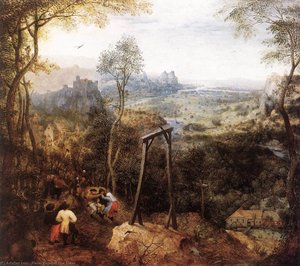
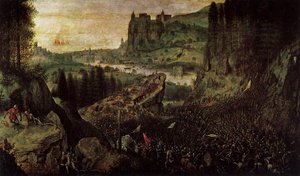
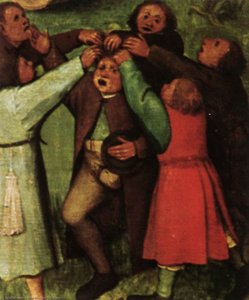
/en/art/p (1564) ავტორის: პიტერ ბრეიგელიგანიხილეთ Pieter Bruegel-ის „ქრისტე ჯვრის ტანით“! რენესანსის შედევრი, რომელიც აერთებს ფიცს და ყოველდღიურ ცხოვრებას. აღმოაჩინეთ მისი მდიდრი დეტალები, სიმბოლოზმი და დინამიური კომპოზიცია - საუკუნო ნაწარმოები. ქრისტე ჯვრის ტანით artworks_database /en/art/p1564 · კუნსტისტორიშეს მუზეუმი 27ბეთლემის ეწიკვწება (1566) ავტორის: პიტერ ბრეიგელიბეთლემის ეწიკვწება1566 · ბელგიის სახვით ხელოვნების სამეფო მუზეუმები 28სტ. იოანე ბაბილონის თაობა (1566) ავტორის: პიტერ ბრეიგელისტ. იოანე ბაბილონის თაობა1566 · Szépművészeti Múzeum 29ამბოხებული ანგელოზების पতন (1562) ავტორის: პიტერ ბრეიგელიამბოხებული ანგელოზების पতন1562 30ხედი იკარუსის დაცემის თემატიკით1 ავტორის: პიტერ ბრეიგელიხედი იკარუსის დაცემის თემატიკით1ბელგიის სახვით ხელოვნების სამეფო მუზეუმები 31ბავშვური თამაშები (1560) ავტორის: პიტერ ბრეიგელიბავშვური თამაშები1560 · კუნსტისტორიშეს მუზეუმი 32ცეკვა ღია ცის ქვეშ ქორწილზე (1566) ავტორის: პიტერ ბრეიგელიცეკვა ღია ცის ქვეშ ქორწილზე1566 33კოკეინის მხარე (1567) ავტორის: პიტერ ბრეიგელიკოკეინის მხარე1567 · ალტერ პინაკოთეკა 34წმინდა იოანე ბपतिკოსის ქადაგება (დეტალი) (1566) ავტორის: პიტერ ბრეიგელიწმინდა იოანე ბपतिკოსის ქადაგება (დეტალი)1566 · Szépművészeti Múzeum 35წმინდა იოანემაგwashingის ქადაგება (დეტალი) (1566) ავტორის: პიტერ ბრეიგელიწმინდა იოანემაგwashingის ქადაგება (დეტალი)1566 · Szépművészeti Múzeum 36მარწყვის მოსავალი (აგვისტო) (1565) ავტორის: პიტერ ბრეიგელიმარწყვის მოსავალი (აგვისტო)1565 · მეტროპოლიტენის ხელოვნების მუზეუმი 37Desidia (სიზარმაცი), 1557 (1557) ავტორის: პიტერ ბრეიგელიDesidia (სიზარმაცი), 15571557 · ალბერტინა 38ბრმათა ბრმების მიერ წარმართვის იგავი (1568) ავტორის: პიტერ ბრეიგელიბრმათა ბრმების მიერ წარმართვის იგავი1568 39გლეხის ცეკვა (დეტალი) (1567) ავტორის: პიტერ ბრეიგელიგლეხის ცეკვა (დეტალი)1567 · კუნსტისტორიშეს მუზეუმი 40ქარვის მოსავალი (დეტალი) (1565) ავტორის: პიტერ ბრეიგელიქარვის მოსავალი (დეტალი)1565 · მეტროპოლიტენის ხელოვნების მუზეუმი 41უდანაშაულთა სიმקვლევა (1566) ავტორის: პიტერ ბრეიგელიუდანაშაულთა სიმקვლევა1566 · კუნსტისტორიშეს მუზეუმი 42Landscape with the Parable of the Sower (1557) ავტორის: პიტერ ბრეიგელიLandscape with the Parable of the Sower1557 · Timken Museum of Art 43ბავშვური თამაშები (დეტალი) (20) (1559) ავტორის: პიტერ ბრეიგელიბავშვური თამაშები (დეტალი) (20)1559 · კუნსტისტორიშეს მუზეუმი 44გლეხის ქორწილი (დეტალი) (1568) ავტორის: პიტერ ბრეიგელიგლეხის ქორწილი (დეტალი)1568 · კუნსტისტორიშეს მუზეუმი 45ვნება (1558) ავტორის: პიტერ ბრეიგელივნება1558 46ცეკვა ღია ცის ქვეშ ქორწილის დროს (1566) ავტორის: პიტერ ბრეიგელიცეკვა ღია ცის ქვეშ ქორწილის დროს1566 · დეტროიტის ხელოვნების ინსტიტუტი 47მეფეთა თაყვანისცემა თოვლში (1557) ავტორის: პიტერ ბრეიგელიმეფეთა თაყვანისცემა თოვლში1557 · Museum collection Am Römerholz 48გლეხის ცეკვა (დეტალი) (1567) ავტორის: პიტერ ბრეიგელიგლეხის ცეკვა (დეტალი)1567 · კუნსტისტორიშეს მუზეუმი 49ბავშვთა თამაშები (დეტალი) (17) (1559) ავტორის: პიტერ ბრეიგელიბავშვთა თამაშები (დეტალი) (17)1559 · კუნსტისტორიშეს მუზეუმი 50ბავშვთა თამაშები (დეტალი) (9) (1559) ავტორის: პიტერ ბრეიგელიბავშვთა თამაშები (დეტალი) (9)1559 · კუნსტისტორიშეს მუზეუმი 51The Hunters in the Snow (January) ავტორის: პიტერ ბრეიგელიThe Hunters in the Snow (January) 52კალვარიის პროცესია [დეტალი] (1564) ავტორის: პიტერ ბრეიგელიკალვარიის პროცესია [დეტალი]1564 · კუნსტისტორიშეს მუზეუმი 53გლეხის ქორწილი (დეტალი) (1568) ავტორის: პიტერ ბრეიგელიგლეხის ქორწილი (დეტალი)1568 · კუნსტისტორიშეს მუზეუმი 54წმინდა იოანე ბपतिკოსის ქרედებული (1566) ავტორის: პიტერ ბრეიგელიწმინდა იოანე ბपतिკოსის ქרედებული1566 · Szépművészeti Múzeum 55ბავშვთა თამაშები (დეტალი) (1559) ავტორის: პიტერ ბრეიგელიბავშვთა თამაშები (დეტალი)1559 · კუნსტისტორიშეს მუზეუმი 56ბავშვური თამაშები (დეტალი) (19) (1559) ავტორის: პიტერ ბრეიგელიბავშვური თამაშები (დეტალი) (19)1559 · კუნსტისტორიშეს მუზეუმი 57Superbia (Pride) ავტორის: პიტერ ბრეიგელიSuperbia (Pride) 58„პატარა“ ვანაბელეს კოშკი (1563) ავტორის: პიტერ ბრეიგელი„პატარა“ ვანაბელეს კოშკი1563 · Museum Boijmans Van Beuningen 59Two Chained Monkeys (1562) ავტორის: პიტერ ბრეიგელიTwo Chained Monkeys1562 60The Census at Bethlehem (1566) ავტორის: პიტერ ბრეიგელიThe Census at Bethlehem1566 61Two Chained Monkeys (1562) ავტორის: პიტერ ბრეიგელიTwo Chained Monkeys1562 · Gemäldegalerie 62Children's Games (detail) (15) (1559) ავტორის: პიტერ ბრეიგელიChildren's Games (detail) (15)1559 · კუნსტისტორიშეს მუზეუმი 63კORN მოსავალი (დეტალი) (1565) ავტორის: პიტერ ბრეიგელიკORN მოსავალი (დეტალი)1565 · მეტროპოლიტენის ხელოვნების მუზეუმი 64გლეხის ცეკვა (დეტალი) (1567) ავტორის: პიტერ ბრეიგელიგლეხის ცეკვა (დეტალი)1567 · კუნსტისტორიშეს მუზეუმი 65Christ Carrying the Cross (detail) (1564) ავტორის: პიტერ ბრეიგელიChrist Carrying the Cross (detail)1564 · კუნსტისტორიშეს მუზეუმი 66ბაბილონის კოშკი [დეტალი] (1563) ავტორის: პიტერ ბრეიგელიბაბილონის კოშკი [დეტალი]1563 · კუნსტისტორიშეს მუზეუმი 67Conversion of St. Paul (1567) ავტორის: პიტერ ბრეიგელიConversion of St. Paul1567 · კუნსტისტორიშეს მუზეუმი 68Gula (Gluttony) ავტორის: პიტერ ბრეიგელიGula (Gluttony) 69Dulle Griet (detail) (1562) ავტორის: პიტერ ბრეიგელიDulle Griet (detail)1562 70Landscape with Christ Appearing to the Apostles at the Sea of Tiberias (1553) ავტორის: პიტერ ბრეიგელიLandscape with Christ Appearing to the Apostles at the Sea of Tiberias1553 71გლეხის ქორწილი (დეტალი) (1568) ავტორის: პიტერ ბრეიგელიგლეხის ქორწილი (დეტალი)1568 · კუნსტისტორიშეს მუზეუმი 72The Blind Leading the Blind (1568) ავტორის: პიტერ ბრეიგელიThe Blind Leading the Blind1568 · კაპოდიმონტის მუზეუმი 73The Fight between Carnival and Lent (detail) (1559) ავტორის: პიტერ ბრეიგელიThe Fight between Carnival and Lent (detail)1559 · კუნსტისტორიშეს მუზეუმი 74ქარვის მოსავალი (დეტალი) (1565) ავტორის: პიტერ ბრეიგელიქარვის მოსავალი (დეტალი)1565 · მეტროპოლიტენის ხელოვნების მუზეუმი 75წმინდა იოანემაწამებლის ქადაგება (დეტალი) (9) (1566) ავტორის: პიტერ ბრეიგელიწმინდა იოანემაწამებლის ქადაგება (დეტალი) (9)1566 · Szépművészeti Múzeum 76კარნავალსა და ლენტს შორის ბრძოლა (დეტალი) (1559) ავტორის: პიტერ ბრეიგელიკარნავალსა და ლენტს შორის ბრძოლა (დეტალი)1559 · კუნსტისტორიშეს მუზეუმი 77Ice Skating before the Gate of Saint George, Antwerp ავტორის: პიტერ ბრეიგელიIce Skating before the Gate of Saint George, Antwerp 78Landscape with the Flight into Egypt (1563) ავტორის: პიტერ ბრეიგელიLandscape with the Flight into Egypt1563 · Courtauld Gallery 79Peasant Wedding (detail) (1568) ავტორის: პიტერ ბრეიგელიPeasant Wedding (detail)1568 · კუნსტისტორიშეს მუზეუმი 80ბავშვური თამაშები (დეტალი) (1559) ავტორის: პიტერ ბრეიგელიბავშვური თამაშები (დეტალი)1559 · კუნსტისტორიშეს მუზეუმი 81The Census at Bethlehem (detail) (1566) ავტორის: პიტერ ბრეიგელიThe Census at Bethlehem (detail)1566 82საულის თვითმკვლელობა (დეტალი) (1562) ავტორის: პიტერ ბრეიგელისაულის თვითმკვლელობა (დეტალი)1562 · კუნსტისტორიშეს მუზეუმი 83Big Fishes Eat Little Fishes ავტორის: პიტერ ბრეიგელიBig Fishes Eat Little Fishes 84ბავშვური თამაშები (დეტალი) (18) (1559) ავტორის: პიტერ ბრეიგელიბავშვური თამაშები (დეტალი) (18)1559 · კუნსტისტორიშეს მუზეუმი 85ბავშვური თამაშები (დეტალი) (22) (1559) ავტორის: პიტერ ბრეიგელიბავშვური თამაშები (დეტალი) (22)1559 · კუნსტისტორიშეს მუზეუმი 86The Misanthrope (1568) ავტორის: პიტერ ბრეიგელიThe Misanthrope1568 · კაპოდიმონტის მუზეუმი 87საულის მოქცევა (დეტალი) (1567) ავტორის: პიტერ ბრეიგელისაულის მოქცევა (დეტალი)1567 · კუნსტისტორიშეს მუზეუმი 88Big fishes eat small fishes (1556) ავტორის: პიტერ ბრეიგელიBig fishes eat small fishes1556 89საულის გარდაქმნა (1567) ავტორის: პიტერ ბრეიგელისაულის გარდაქმნა1567 · კუნსტისტორიშეს მუზეუმი 90Landscape with the Fall of Icarus (detail) (1558) ავტორის: პიტერ ბრეიგელიLandscape with the Fall of Icarus (detail)1558 91The Fair on St. George's Day (1559) ავტორის: პიტერ ბრეიგელიThe Fair on St. George's Day1559 92The Wine of Saint Martin's Day (1568) ავტორის: პიტერ ბრეიგელიThe Wine of Saint Martin's Day1568 · პრადოს მუზეუმი 93The Massacre of the Innocents (detail) (1565) ავტორის: პიტერ ბრეიგელიThe Massacre of the Innocents (detail)1565 · კუნსტისტორიშეს მუზეუმი 94The Census at Bethlehem (detail) (1566) ავტორის: პიტერ ბრეიგელიThe Census at Bethlehem (detail)1566 95The Sermon of St John the Baptist (detail) (1566) ავტორის: პიტერ ბრეიგელიThe Sermon of St John the Baptist (detail)1566 · Szépművészeti Múzeum 96Summer (1568) ავტორის: პიტერ ბრეიგელიSummer1568 97გლეხის ქორწილი (დეტალი) (1568) ავტორის: პიტერ ბრეიგელიგლეხის ქორწილი (დეტალი)1568 · კუნსტისტორიშეს მუზეუმი 98Rabbit Hunt (La chasse au Lapin Sauvage) (1560) ავტორის: პიტერ ბრეიგელიRabbit Hunt (La chasse au Lapin Sauvage)1560 99ქრისტე ჯვარს ატარებს (დეტალი) (1564) ავტორის: პიტერ ბრეიგელიქრისტე ჯვარს ატარებს (დეტალი)1564 · კუნსტისტორიშეს მუზეუმი 100Haymaking (detail) (1565) ავტორის: პიტერ ბრეიგელიHaymaking (detail)1565 · პრაგის ეროვნული გალერეა

პიტერ ბრეიგელი-ის ცნობილი სურათები, პერიოდების მიხედვით

სუბიექტები, რომლებმაც პიტერ ბრეიგელი-ის ყურადღება მიიპყრო

ამ ორიგინალებში ყველაზე ხშირად განმეორებადი არის 네 თემა, რომელთაგან თითოეულს თავისი საუკეთესო ნიმუში წარმოგვიდგება.

მუზეუმები, სადაც პიტერ ბრეიგელი-ის ორიგინალები ინახება

ამ გვერდზე წარმოდგენილი მხატვრობის შედეგების უმეტესობას 8 მუზეუმი ინახავს.

მუზეუმი ქალაქი პიტერ ბრეიგელი შემოქმედებაలు ამ სიიდან მოპოვებული ნახატები
კუნსტისტორიშეს მუზეუმი, ვენაკუნსტისტორიშეს მუზეუმი ვენა 71 Explore Pieter Bruegel’s ‘Tower of Babel’! A monumental 1563 oil painting depicting human ambition & divine judgment. Northern Renaissance detail, rich symbolism, and historical significance. The Tower of Babel artworks_database /en/art/pieter-bruegel-, ნახევრად გაყინულ მდგომარეობაში შემავალი მონτανები (ზამთარი), ბავშვთა თამაშები
Szépművészeti Múzeum, ბუდაპეშტიSzépművészeti Múzeum ბუდაპეშტი 11 სტ. იოანე ბაბილონის თაობა, წმინდა იოანე ბपतिკოსის ქადაგება (დეტალი), წმინდა იოანემაგwashingის ქადაგება (დეტალი)
მეტროპოლიტენის ხელოვნების მუზეუმი, ნიუ-იორკიმეტროპოლიტენის ხელოვნების მუზეუმი ნიუ-იორკი 6 მသာრხველები, მარწყვის მოსავალი (აგვისტო), ქარვის მოსავალი (დეტალი)
ბელგიის სახვით ხელოვნების სამეფო მუზეუმები, ბრიუსელიბელგიის სახვით ხელოვნების სამეფო მუზეუმები ბრიუსელი 7 ამბოხებული ანგელოზების पতন, აღწერა ბეთლემში, ბეთლემის ეწიკვწება
კაპოდიმონტის მუზეუმი, ნეპოლიკაპოდიმონტის მუზეუმი ნეპოლი 4 ბრმათა იგავი, მშიზანთროპის, The Blind Leading the Blind
Courtauld Gallery, ლონდონიCourtauld Gallery ლონდონი 4 ქრისტე და ქალი, რომელიც ღალატში იყო caught, Landscape with the Flight into Egypt
დეტროიტის ხელოვნების ინსტიტუტი, დეტროიტიდეტროიტის ხელოვნების ინსტიტუტი დეტროიტი 3 ქორწილის ცეკვა, ცეკვა ღია ცის ქვეშ ქორწილის დროს
Gemäldegalerie, ბერლინიGemäldegalerie ბერლინი 2 ჰოლანდიელთა ჭეშმარიტებები, Two Chained Monkeys

პიტერ ბრეიგელი, ყოველი წლის გამორჩეული ნამუშევრები

16 წელი პიტერ ბრეიგელი-ის შემოქმედებიდან 1553-დან 1568-მდე: გალერეა მათ წელიწადী마다, თითოეული მათგანის ყველაზე ცნობილი ორიგინალების მეშვეობით

ნამუშევრები წლების მიხედვით

შეარჩიეთ წელი ორიგინალების სანახავად.

პიტერ ბრეიგელი-ის ნახატები: გალერეის პასუხები

რომელი პიტერ ბრეიგელი ტილოა ყველაზე ცნობილი?გაამჟღავნეთ პასუხი

Explore Pieter Bruegel’s ‘Tower of Babel’! A monumental 1563 oil painting depicting human ambition & divine judgment. Northern Renaissance detail, rich symbolism, and historical significance. The Tower of Babel artworks_database /en/art/pieter-bruegel- (1563), კუნსტისტორიშეს მუზეუმი, ვენა. შემდეგ მოდიან ნახევრად გაყინულ მდგომარეობაში შემავალი მონτανები (ზამთარი) (1565) და ჰოლანდიელთა ჭეშმარიტებები (1559).

რამდენage იყო პიტერ ბრეიგელი Explore Pieter Bruegel’s ‘Tower of Babel’! A monumental 1563 oil painting depicting human ambition & divine judgment. Northern Renaissance detail, rich symbolism, and historical significance. The Tower of Babel artworks_database /en/art/pieter-bruegel--ის დასრულებისას?გაამჟღავნეთ პასუხი

38 წლის: Explore Pieter Bruegel’s ‘Tower of Babel’! A monumental 1563 oil painting depicting human ambition & divine judgment. Northern Renaissance detail, rich symbolism, and historical significance. The Tower of Babel artworks_database /en/art/pieter-bruegel- შექმნილია 1563 წელს, ხოლო პიტერ ბრეიგელი დაიბადა 1525 წელს.

რომელია პიტერ ბრეიგელი-ის 10 საუკეთესო ნამუშწარო?გაამჟღავნეთ პასუხი

Explore Pieter Bruegel’s ‘Tower of Babel’! A monumental 1563 oil painting depicting human ambition & divine judgment. Northern Renaissance detail, rich symbolism, and historical significance. The Tower of Babel artworks_database /en/art/pieter-bruegel-, ნახევრად გაყინულ მდგომარეობაში შემავალი მონτανები (ზამთარი), ჰოლანდიელთა ჭეშმარიტებები, მరణი დიდება და ბრუგელი ძველი, ბავშვთა თამაშები, ბრმათა იგავი, გლეხის ქორწილი, ამბოხებული ანგელოზების पতন, მသာრხველები და დულე გრიეტ (გიჟა მეგ). ზემოთ მოცემული რეიტინგი ასახავს თითოეულის შემოქმედების წელსა და მუზეუმს.

რამდენიმე ნამუშწარები შექმნა პიტერ ბრეიგელი-მა?გაამჟღავნეთ პასუხი

ჩვენს კატალოგში წარმოდგენილია 254 ნამუშწევრი პიტერ ბრეიგელი-ისგან, დათარიღებული 1553-დან 1568-მდე.

სად hanging პიტერ ბრეიგელი-ის ყველაზე ცნობილი ორიგინალები?გაამჟღავნეთ პასუხი

ძირითადად კუნსტისტორიშეს მუზეუმი (ვენა), Szépművészeti Múzeum (ბუდაპეშტი) და მეტროპოლიტენის ხელოვნების მუზეუმი (ნიუ-იორკი)-ში. ზემოთ მოცემულ მუზეუმების ცხრილში ისინი ყველა listed.

როდის შექმნა პიტერ ბრეიგელი-მა ყველაზე ცნობილი სურათები?გაამჟღავნეთ პასუხი

1568-ში: ამ გვერდზე წარმოდგენილი 100 ნამუშწარwerksიდან 15 შეიქმნა მაშინ, მათგან ბრმათა იგავი.

რომლებიც პიტერ ბრეიგელი-ის ყველაზე ადრეული და ბოლო ცნობილი ნამუშევრებია?გაამჟღავნეთ პასუხი

ამ გვერდზე ყველაზე ადრეული არის Landscape with Christ Appearing to the Apostles at the Sea of Tiberias (1553), ხოლო ყველაზე გვიანდელი — ბრმათა იგავი (1568).

რომელ თემებს მიმართავდა პიტერ ბრეიგელი ყველაზე ხშირად?გაამჟღავნეთ პასუხი

Landscape (12), Სოციალური კომენტარი (10) და Ლანდშაფტი (9), ამ გვერდზე წარმოდგენილ 100 ნამუშწარეს შორის.

რა ტექნიკით მუშაობდა პიტერ ბრეიგელი ყველაზე ხშირად?გაამჟღავნეთ პასუხი

Ზეთი პანელზე, ამ გვერდზე არსებული 100 ნამუშწაროსგან 45 ცალიდან.

რომელ მიძღვნასთან არის დაკავშირებული პიტერ ბრეიგელი?გაამჟღავნეთ პასუხი

Ჩრდილოური რენესანსი, ამ გვერდზე წარმოდგენილი ორიგინალების მიხედვით.

რომელი პიტერ ბრეიგელი-ის ორიგინალები ინახავს კუნსტისტორიშეს მუზეუმი?გაამჟღავნეთ პასუხი

Explore Pieter Bruegel’s ‘Tower of Babel’! A monumental 1563 oil painting depicting human ambition & divine judgment. Northern Renaissance detail, rich symbolism, and historical significance. The Tower of Babel artworks_database /en/art/pieter-bruegel-, ნახევრად გაყინულ მდგომარეობაში შემავალი მონτανები (ზამთარი) და ბავშვთა თამაშები: კუნსტისტორიშეს მუზეუმი, ვენა-ში წარმოდგენილია ამ გვერდზე მოცემული ნამუშევრების 40 ცალი.

პიტერ ბრეიგელი: მხატვარი

The Life of Pieter Bruegel the Elder

The story of Pieter Bruegel the Elder begins in the shifting landscapes of the mid-sixteenth century. He was born in or near Breda, likely within the Duchy of Brabant, sometime between 1525 and 1530. This was a time of great movement and change, where the quiet rhythms of rural life met the growing complexity of the merchant cities. He was a man of many hands, working as a painter, draftsman, printmaker, and designer of prints. His talent allowed him to capture the world through many different mediums, from the delicate touch of a drawing to the bold lines of an engraving.

His life was marked by a restless curiosity that led him far from his beginnings. He did not merely observe the world from a distance; he sought to understand the very essence of human existence through his art. Whether he was sketching the rugged terrain of the Alps or documenting the boisterous energy of a village festival, his work remained deeply rooted in the reality of the people around him. He moved through the great centers of the era, eventually finding his way to the bustling streets of Antwerp and later to Brussels. His presence in these cities helped shape the visual language of the Dutch and Flemish Renaissance.

Though his time was cut short, his impact remained. He passed away on 9 September 1569, leaving behind a body of work that reflected both the humor and the hardship of his age. His ability to find meaning in the mundane ensured that his vision would endure long after he was gone. His life was a testament to the power of observation and the enduring nature of the human spirit.

Early Life and Artistic Training

The formative years of Pieter Bruegel the Elder unfolded amidst a landscape of profound religious upheaval and a flourishing merchant culture. Though the exact details of his childhood remain somewhat elusive, he was born in or near Breda, within the Duchy of Brabant. This was a time of great movement and shifting loyalties, where the steady pulse of trade met the turbulent currents of faith. Such an environment, filled with both the prosperity of the markets and the tension of spiritual change, would surely have shaped the keen eye he later brought to the human condition.

His path into the arts began around 1545 when he entered the workshop of Pieter Coecke van Aelst. As an apprentice to this respected Antwerp painter, Bruegel learned the technical rigors of oil painting and drawing. Van Aelst was a man of many talents, known for his artistry and his designs for tapestries, and his studio provided a crucible where traditional methods met the new humanist ideas of the era. For five years, Bruegel labored under his master, absorbing the discipline required to translate the complexities of life onto a wooden panel or a sheet of paper.

By the time he completed his apprenticeship around 1550, the young man had gained the skill necessary to claim his own place among the professionals. Between 1551 and 1552, he was admitted as a free master into the Guild of Saint Luke in Antwerp. This achievement granted him professional independence and established him as a recognized figure within the city's busy artistic community. He was no longer merely a student of the craft, but a master ready to face the world on his own terms.

Travels and the Italian Influence

After completing his apprenticeship, Bruegel set out to see the wider world, driven by a desire to observe the lands that had shaped the artistic spirit of the age. Between 1551 and 1553, he moved through France and the Swiss Alps, leaving the familiar sights of the North behind. These years were spent sketching the rugged contours of the mountains and immersing himself in the diverse cultures he encountered along the way. He was a man of observation, seeking to understand the rhythm of life in places far from his home.

His path eventually led him into the heart of Italy, where the influence of the Renaissance was most palpable. By 1552, he had reached Rome and even traveled as far south as Reggio Calabria. He returned to Rome by 1553, having absorbed the light and the compositions of the Italian masters. He did not simply mimic their style; instead, he filtered these new perspectives through his own northern sensibility. The dramatic peaks and valleys he encountered in the Alps left a lasting mark on his sense of space, influencing how he would later structure the vast landscapes of his own compositions.

Settling in Antwerp and Brussels

After his long wanderings through the landscapes of France and Italy, Bruegel returned to the bustling streets of Antwerp in 1555. This was a city of commerce and industry, a place where the pulse of trade dictated the rhythm of daily life. It was here that he sought to establish his professional standing, eventually gaining admission as a free master into the Guild of Saint Luke. This recognition was a significant milestone, marking his transition from a traveling student to a recognized professional within the competitive Antwerp art community. He became deeply associated with the publishing house of Hieronymus Cock, working closely with the printers to bring his designs to a wider audience through engravings.

The stability of Antwerp eventually gave way to a new chapter in 1563, when he moved to Brussels. This shift brought him closer to the seat of power and the court, perhaps reflecting the changing tides of his own ambitions or the shifting political climate of the Netherlands. He remained in Brussels for the final years of his life, continuing to observe the world with a keen, unblinking eye. He died there in 1569, leaving behind a body of work that had already begun to reshape how the common man was seen on canvas.

Technique and Artistic Style

Bruegel possessed a rare ability to find the monumental within the mundane. He was a pioneer who broke away from the tradition of treating landscapes and genre scenes as mere secondary backgrounds, instead presenting them as large-scale paintings that commanded the viewer's full attention. His brushwork was driven by a meticulous realism, a desire to capture the world exactly as it appeared to the eye. He did not merely observe; he interpreted the human condition through a lens of profound social commentary, often embedding subtle truths about the struggles and joys of the common people within his vast compositions. Through his work, the simple act of a peasant laboring in a field or a villager celebrating a festival took on a weight and significance previously reserved for the divine.

To achieve this sense of presence, he masterfully employed chiaroscuro, using the dramatic interplay of light and shadow to sculpt form and create a palpable sense of depth. This technique allowed him to build a world that felt three-dimensional and lived-in. In his more detailed studies, such as his engravings, he relied on precise hatching and cross-hatching to define the rugged textures of facial features and the heavy folds of clothing. This technical precision extended to his depictions of the most innocent of subjects. In his large-scale works, one might find a wide variety of games played by children, rendered with such clarity that the specific motions of their play become almost tangible. He captured the rhythmic chaos of a village square and the quiet stillness of a winter morning with equal skill, ensuring that every figure, no matter how small, contributed to the larger narrative of life.

Key Works and Masterpieces

His brush often sought the heavy truths of our existence. In The Triumph of Death, he offered a chilling vision of human mortality, where the end of life arrives with a sudden and grotesque certainty. He turned his gaze toward the earth and its people, finding a profound sense of life in the most common settings. In Peasant Wedding, he captured the boisterous energy of a rural celebration, portraying the customs of village life with a keen, unadorned eye. Even in his depictions of the spiritual, he remained grounded in the reality of the human condition, as seen in The Sermon of St John the Baptist, which he created in 1566.

Nature itself became a central character in his compositions. Hunters in the Snow remains a work celebrated for its atmospheric beauty, where the biting chill of a winter landscape is rendered with such clarity that one can almost feel the frost. He also possessed a grander, more ambitious scale of vision. The Tower of Babel stands as a monumental work, illustrating the heights of human ambition through its intricate and complex structure. He could also find a darker, more psychological edge to his observations, as seen in The Blind Leading the Blind, which is held in the Museo di Capodimonte in Naples.

Legacy and Lasting Influence

The ripples of his vision reached far beyond the borders of the Low Countries, shaping the very foundations of the Dutch Golden Age. By turning his gaze toward the common man and the vastness of the natural world, he provided a blueprint for the generations of painters who followed. These later artists found in his work a way to depict the human condition without the heavy weight of classical myth or religious idealization. He taught them how to find the profound within the mundane, ensuring that the rhythms of rural life and the changing seasons would remain central to Northern European art for centuries.

His presence has endured through the ages, moving from the canvas into the modern imagination. His imagery has found a strange and striking new life in the medium of film, appearing in works such as Solaris (1972) and Melancholia (2011). This ability to haunt and inspire continues to draw modern audiences to his scenes, where the frost of a winter landscape or the chaos of a village festival still feels tangible. Even as centuries pass, the way he captured the struggle and joy of existence remains a powerful force for those who look upon his work.

Where to See the Works Today

To find the traces of his brush and the spirit of his observations, one must travel across the continent to several great repositories. In Vienna, the Kunsthistorisches Museum holds a vast assembly of his creations, preserving many of the scenes that once filled the halls of the powerful. It is there that his vision of the seasons and the social dances of the Flemish people remains most concentrated. The weight of his presence is felt heavily in these galleries, where his detailed compositions invite a slow, quiet study of the human condition.

Across the sea in New York, the Metropolitan Museum of Art keeps several of his paintings, allowing his northern sensibilities to meet a global audience. In Madrid, the Museo del Prado preserves his more somber and intense visions, including the haunting imagery of mortality. These works have survived the passage of centuries to remain accessible to those who seek the truth of his depictions. In Brussels, the Royal Museums of Fine Arts of Belgium house works that speak to the very heart of the region where he once walked and worked.