ჯორჯონე პორტრეტი

83 ყველაზე ცნობილი ჯორჯონე-ის ნახატი, თითოეული მათგანი უნიკალური

განახლდა ნოემბერი 2026 · დალაგებულია ჩვენი პოპულარობის ქულების მიხედვით (ძიება, ნახვა და შეკვეთები თითოეული ნამუშწაროსთვის) · 92 ნამუშევარი ჯორჯონე ჩვენს კატალოგში

მოკლედ რომ ვთქვათ

მძინარე ვენერა (1510) არის ჯორჯონე-ის ის ნამუშწარო, რომელიც ყველაზე მეტ ყურადღებას იქცევს; ორიგინალი იმყოფება Gemäldegalerie Alte Meister-ში, დრეზდენი. ამის შემდეგ, მზერა გადადის ტემპესტი-სა და სამი ფილოსოფოსი (1508)-ზე. ჩვენს კატალოგში არსებული ჯორჯონე-ის 92 ნამუშწაროდან ეს 83 ყველაზე ცნობილია; თითოეული მათგანი წარმოადგენს უნიკალურ ორიგინალს, რომელიც წარმოდგენილია წელით, მუზეუმითა და იმ მიზეზით, რის გამოც ის დღემდე ცოცხლობს.

1478 – 1510, კასტელფრანკო ვენეტო Მაღალი რენესანსი ყველაზე მეტი ნამشევრი: კუნსტისტორიშეს მუზეუმი

ჯორჯონე-ის 10 საუკეთესო ნამუშgeryო, გალერეის თcraftით

1
მძინარე ვენერა (1510) ავტორის: ჯორჯონე

მძინარე ვენერა

1510 · ზეთი ტილოზე · Gemäldegalerie Alte Meister, დრეზდენი

The Sleeping Venus, also known as Venere dormiente, the Dresden Venus, or Venere di Dresda, is a significant work of the Italian Renaissance. Attributed to Giorgione and/or Titian, the painting emerged around 1510. It represents a departure from the rigid linear styles of the era, aligning instead with the Venetian School and the Naturalistic movement of the Renaissance.

2
ტემპესტი ავტორის: ჯორჯონე

ტემპესტი

ზეთი ტილოზე · ვენეციის აკადემიის გალერეა, ვენეცია

ვენეციელი მხატვრის ჯორჯონეს შექმნილი „ტემპესტი“ XVI საუკუნის ი탈ური ხელოვნების ერთ-ერთი ყველაზე მომხიბლავი და განმარტებული ნაწარმოებია. ეს არის არა უშუალო მოვლენის აღწერა, არამედ ატმოსფეროს მდიდარი სამყარო, რომელიც რეალობისა და ოცნების საზღვრებს შორის ტრიალებს. ტილოზე გამოსახული სცენა გულწრფელ შემოქმედებას ეხება სიყვარულის, დაკარგვისა და ბუნების ძალაუფლების მარადიულ თემებს.

3
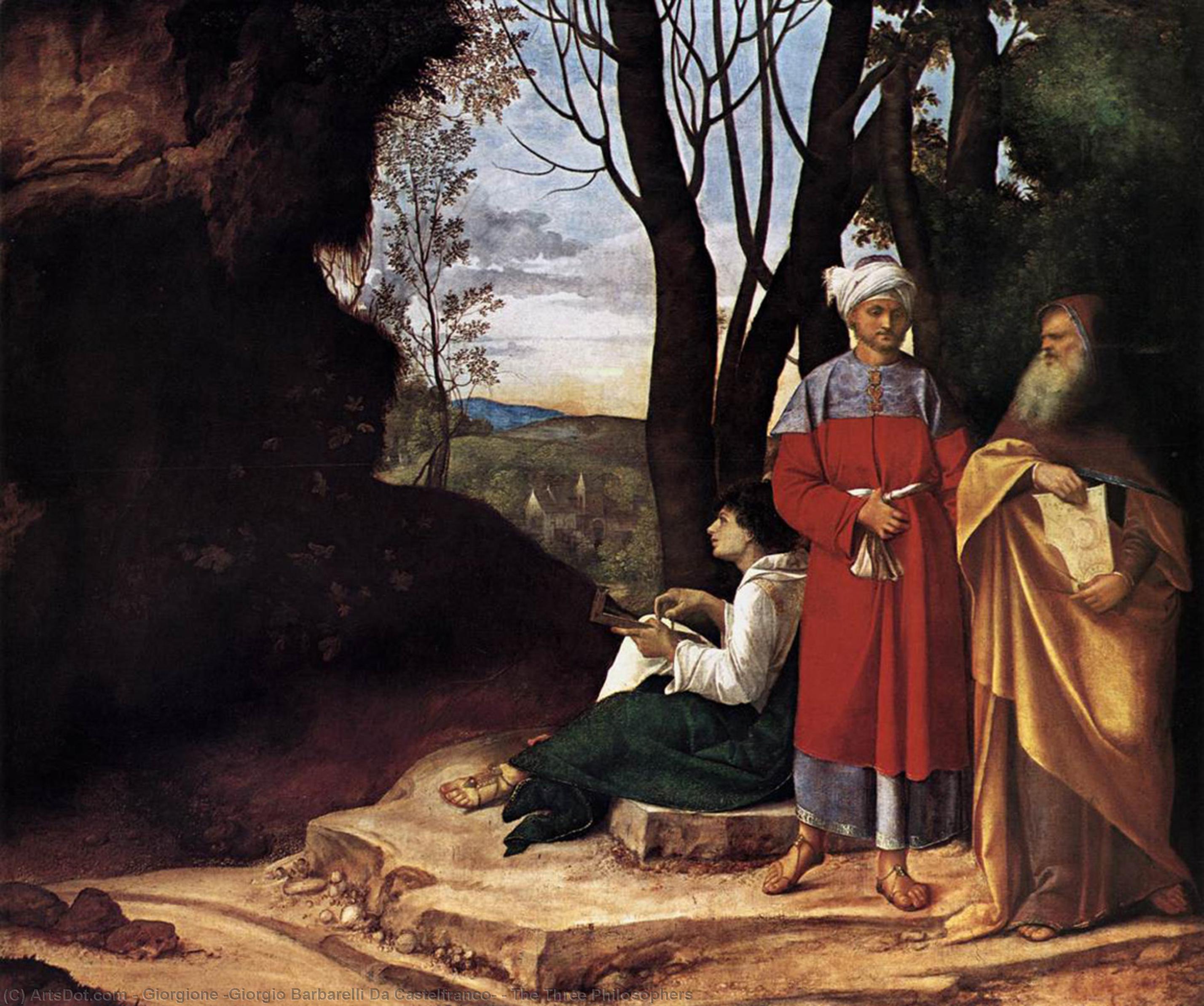
სამი ფილოსოფოსი (1508) ავტორის: ჯორჯონე

სამი ფილოსოფოსი

1508 · ზეთი ტილოზე · კუნსტისტორიშეს მუზეუმი, ვენა

Θέμα και Σύνθεση „Οι Τρεις Φιλόσοφοι“ είναι ένα έργο που απεικονίζει τρεις βαθιά συγκεντρωμένους ανθρώπους, οι οποίοι βρίσκονται σε μια ήρεμη φύση, συμβολίζοντας την αναζήτηση της γνώσης και τη φιλοσοφική σκέψη. Η σκηνή καταγράφει μια στιγμή σιωπηλού διαλόγου ή ενδοσκόπησης, όπου κάθε μορφή είναι αφιερωμένη στην ανάγνωση, τη συγγραφή ή την βαθιά σκέψη. Η αρμονική διάταξη των φιλοσόφων και του τοπίου προσκαλεί τους θεατές σε έναν κόσμο όπου η ανθρώπινη…

4
იუდიათი (1500) ავტორის: ჯორჯონე

იუდიათი

1500 · ზეთი ტილოზე

In this serene Renaissance painting, we encounter a woman in a state of profound contemplation. Set against a soft, atmospheric landscape of distant mountains and trees, the figure of Judith is positioned with a balanced, tranquil grace. There is a stillness here that contradicts the violent nature of her biblical narrative. She is draped in flowing garments of terracotta and sage green, her form integrated into the environment through the…

5
მᅨნᅨᲡ დᅩᲣᲛᲘᲐᲜᲔᲑᲔᲠᲔ ავტორის: ჯორჯონე

მᅨნᅨᲡ დᅩᲣᲛᲘᲐᲜᲔᲑᲔᲠᲔ

ზეთი ტილოზე

ჯორჯიონეს „ძინარე ვენერა“ არის საკულტო ნამუშევარი, რომელიც მაღალი რენესანსის ხელოვნების არსს ასახავს. ეს მომხიბვლელი ტილო კლასიკური სილამაზის, ნატურალიზმისა და პოეტური სიმშვიდის ჰარმონიულ შერწყმას წარმოადგენს. ვენერას მოთევინი ფიგურა, რომელიც მშვიდი მოსვენების მდგომარეობაშია გამოსახული, სენსუალურობისა და ელეგანტურობის აურას ასხივებს, რაც მას ნებისმიერი დახვეწილი ინტერიერის მომხიბვლელ ცენტრად აქცევს.

6
세 명의 철학자 (1509) ავტორის: ჯორჯონე

세 명의 철학자

1509 · ზეთი ტილოზე · კუნსტისტორიშეს მუზეუმი, ვენა

Giorgione’s “Three Philosophers,” painted around 1509, isn't merely a portrait; it’s an invitation to a silent conversation across centuries. The painting, shrouded in mystery and speculation, resides within a captivating web of historical accounts, artistic interpretations, and tantalizing symbolism. Originally conceived as a monumental work for the Venetian merchant Taddeo Contarini, its journey through time – from the opulent collections of Venice to the Brussels court – has subtly altered…

7
აბაჟი (1510) ავტორის: ჯორჯონე

აბაჟი

1510 · ზეთი ტილოზე

In the annals of the High Renaissance, few figures possess the enigmatic allure of Giorgio Barbarelli da Castelfranco, known to history as Giorgione. His work, often shrouded in a poetic and atmospheric mystery, finds one of its most profound expressions in the painting Armor. This captivating portrait presents a nobleman clad in gleaming, meticulously rendered armor, a powerful symbol of status and military prowess that resonated deeply within the Venetian…

8
პასტორალური კონცერტი (Fête champêtre) (1509) ავტორის: ჯორჯონე

პასტორალური კონცერტი (Fête champêtre)

1509 · ზეთი ტილოზე · ლუვრი, პარიზი

პასტორალური კონცერტი, რომელიც ჯორჯიონეს სახელს მიეწერება — სახელს, რომელიც ხელოვნების საიდუმლოებთან არის სინონიმური — მაღალი რენესანსის ერთ-ერთ ყველაზე აღიარებულ ნამუშევრად გვევლინება. ეს არ არის მხოლოდ მშვიდ ლანდშაფტში მოთქმაული ფიგურების ლამაზი აღწერა; იგი განასახიერებს იმ ეპოქის გატაცებას კლასიკური იდეალებით და წარმოადგენს გარდამტეხ მომენტს ხელოვნების ისტორიაში. პარიზში, ლუვრის მუზეუმში წარმოდგენილი ეს მონუმენტური ზეთოვანი ფერწერა დღემდე ატყვევებს დამკვირვებელს თავისი ეთერული ნათებითა და ღრმა სიმბოლური რეზონანსით.

9
სამი ასაკი ავტორის: ჯორჯონე

სამი ასაკი

A Renaissance Dialogue: Unveiling Giorgione’s “The Three Ages” “The Three Ages”, attributed to the enigmatic Venetian master Giorgione (Giorgio Barbarelli da Castelfranco, 1477/78-1510), is a captivating portrait that transcends mere representation, inviting viewers into a world of philosophical contemplation and quiet human connection. Though its precise dating remains debated due to the limited number of definitively attributed works by this artist, it stands as a testament to Giorgione’s innovative approach…

10
დავითი (1501) ავტორის: ჯორჯონე

დავითი

1501 · ზეთი · Statens Museum For Kunst, კობენჰაგენი

The light falls from the upper left, striking the polished surface of plate armor and carving a face out of the deep, heavy shadows. In this monochrome world, a man emerges, his presence felt through the sharp highlights on his forehead and nose. He wears the metallic weight of a warrior, yet there is a quiet, somber stillness in his gaze. Behind him, an ethereal face drifts into view from…

ჯორჯონე-ის ცნობილი ნამუშევრები, 11-დან 83-მდე ნომრებით

11Rustic Concert (1530) ავტორის: ჯორჯონეRustic Concert1530 12ცერესა (1510) ავტორის: ჯორჯონეცერესა1510 · Gemäldegalerie 13Tempest (detail)_5 ავტორის: ჯორჯონეTempest (detail)_5 14Sacred conversation (1505) ავტორის: ჯორჯონეSacred conversation1505 15Judith ავტორის: ჯორჯონეJudithერმიტაჟის მუზეუმი 16კასტელფრანკოს მადონა ავტორის: ჯორჯონეკასტელფრანკოს მადონა 17Nude young woman (1508) ავტორის: ჯორჯონეNude young woman1508 18ახალგაზრდა ქალი („ლორა“) (1506) ავტორის: ჯორჯონეახალგაზრდა ქალი („ლორა“)1506 · კუნსტისტორიშეს მუზეუმი 19მზე ჩრდილს (Il Tramonto) ავტორის: ჯორჯონემზე ჩრდილს (Il Tramonto) 20Portrait of Giovanni Borgherini and Trifone Gabriele (1509) ავტორის: ჯორჯონეPortrait of Giovanni Borgherini and Trifone Gabriele1509 · ბავარიის სახელმწიფო ფერწერის კოლექციები 21Tempest (detail)_3 ავტორის: ჯორჯონეTempest (detail)_3 22Portrait of a Young Man (1501) ავტორის: ჯორჯონეPortrait of a Young Man1501 · Statens Museum For Kunst 23ახალგაზრდა მამაკაცის პორტრეტი1 ავტორის: ჯორჯონეახალგაზრდა მამაკაცის პორტრეტი1ბავარიის სახელმწიფო ფერწერის კოლექციები 24Virgin and Child (The Tallard Madonna) (1510) ავტორის: ჯორჯონეVirgin and Child (The Tallard Madonna)1510 · Ashmolean Museum of Art and Archaeology 25მოხუცი ქალი ავტორის: ჯორჯონემოხუცი ქალივენეციის აკადემიის გალერეა 26Madonna And Child Enthroned Between St Francis And St Liberalis (detail) ავტორის: ჯორჯონეMadonna And Child Enthroned Between St Francis And St Liberalis (detail) 27Woman with a Unicorn (1510) ავტორის: ჯორჯონეWoman with a Unicorn1510 · Rijksmuseum 28Self-Portrait ავტორის: ჯორჯონეSelf-Portrait 29Tempest (detail)_4 ავტორის: ჯორჯონეTempest (detail)_4 30Judith (detail) ავტორის: ჯორჯონეJudith (detail) 31Madonna And Child Enthroned Between St Francis And St Liberalis (detail)_2 ავტორის: ჯორჯონეMadonna And Child Enthroned Between St Francis And St Liberalis (detail)_2 32Tempest_2 ავტორის: ჯორჯონეTempest_2 33David with the Head of Goliath (1500) ავტორის: ჯორჯონეDavid with the Head of Goliath1500 34The Reading Madonna ავტორის: ჯორჯონეThe Reading Madonna 35Adoration Of The Magi ავტორის: ჯორჯონეAdoration Of The Magi 36Homage to a poet ავტორის: ჯორჯონეHomage to a poetნაციონალური გალერეა 37The Judgment of Solomon ავტორის: ჯორჯონეThe Judgment of Solomon 38Adoration of the Shepherds ავტორის: ჯორჯონეAdoration of the ShepherdsNational Gallery of Art 39Portrait of a Venetian Gentleman (1510) ავტორის: ჯორჯონეPortrait of a Venetian Gentleman1510 40Adoration Of The Shepherds (detail)_3 ავტორის: ჯორჯონეAdoration Of The Shepherds (detail)_3 41Globe, moon, sun (astronomy) (1510) ავტორის: ჯორჯონეGlobe, moon, sun (astronomy)1510 42Arithmetic (1510) ავტორის: ჯორჯონეArithmetic1510 43მებრძოლი მეუღლესთან ერთად (1510) ავტორის: ჯორჯონემებრძოლი მეუღლესთან ერთად1510 · უფიციების გალერეა 44Nymphs and Children in a Landscape with Shepherds ავტორის: ჯორჯონეNymphs and Children in a Landscape with Shepherdsნაციონალური გალერეა 45Giovanni Borgherini and His Tutor (1508) ავტორის: ჯორჯონეGiovanni Borgherini and His Tutor1508 · National Gallery of Art 46A Man in Armour ავტორის: ჯორჯონეA Man in Armour 47Self-portrait (1510) ავტორის: ჯორჯონეSelf-portrait1510 · ჰერცოგ ანტონ ულრიხის მუზეუმი 48Self-portrait ავტორის: ჯორჯონეSelf-portrait 49Portrait of a Young Woman (Laura) ავტორის: ჯორჯონეPortrait of a Young Woman (Laura) 50David with the Head of Goliath (1510) ავტორის: ჯორჯონეDavid with the Head of Goliath1510 · კუნსტისტორიშეს მუზეუმი 51Portrait of young man ავტორის: ჯორჯონეPortrait of young manალტერ პინაკოთეკა 52The Hour Glass ავტორის: ჯორჯონეThe Hour GlassThe Phillips Collection 53Tempest (detail)_2 ავტორის: ჯორჯონეTempest (detail)_2 54Tempest (detail) ავტორის: ჯორჯონეTempest (detail) 55Pastoral Concert (detail) ავტორის: ჯორჯონეPastoral Concert (detail) 56Madonna and Child with St. Anthony and St. Roch ავტორის: ჯორჯონეMadonna and Child with St. Anthony and St. Roch 57Portrait of a Man ავტორის: ჯორჯონეPortrait of a Man 58Portrait of An Archer ავტორის: ჯორჯონეPortrait of An Archerშოტლანდიის ეროვნული გალერეა 59Portrait of a Young Man ავტორის: ჯორჯონეPortrait of a Young Man 60Tempest (detail)_7 ავტორის: ჯორჯონეTempest (detail)_7 61Madonna And Child Enthroned Between St Francis And St Liberalis (detail)_3 ავტორის: ჯორჯონეMadonna And Child Enthroned Between St Francis And St Liberalis (detail)_3 62Tempest (detail)_6 ავტორის: ჯორჯონეTempest (detail)_6 63Portrait of a Young Man (The Broccardo Portrait) (1510) ავტორის: ჯორჯონეPortrait of a Young Man (The Broccardo Portrait)1510 · Szépművészeti Múzeum 64Adoration Of The Shepherds (detail) ავტორის: ჯორჯონეAdoration Of The Shepherds (detail) 65Adoration Of The Shepherds (detail)_2 ავტორის: ჯორჯონეAdoration Of The Shepherds (detail)_2 66Portrait Of A Youth (antonio Broccardo) ავტორის: ჯორჯონეPortrait Of A Youth (antonio Broccardo) 67Boy with flute (1508) ავტორის: ჯორჯონეBoy with flute1508 · ჰემპტონ-कोर्टის სასახლე 68Il Tramonto (The Sunset) (1508) ავტორის: ჯორჯონეIl Tramonto (The Sunset)1508 · ნაციონალური გალერეა 69ფრანჩესკო მარია დელა როვერეს პორტრეტი (1502) ავტორის: ჯორჯონეფრანჩესკო მარია დელა როვერეს პორტრეტი1502 · კუნსტისტორიშეს მუზეუმი 70A Young Man ავტორის: ჯორჯონეA Young ManGemäldegalerie 71Portrait of a Gentleman in Armor ავტორის: ჯორჯონეPortrait of a Gentleman in Armor 72Self-portrait (1510) ავტორის: ჯორჯონეSelf-portrait1510 · Szépművészeti Múzeum 73ქალიშვილი და ბავშვი პეიზაჟში ავტორის: ჯორჯონექალიშვილი და ბავშვი პეიზაჟშიერმიტაჟის მუზეუმი 74სამაგალობელოების თაყვანისცემა (1506) ავტორის: ჯორჯონესამაგალობელოების თაყვანისცემა1506 · ნაციონალური გალერეა 75Musical instruments (music) (1510) ავტორის: ჯორჯონეMusical instruments (music)1510 76Moses' Trial by Fire ავტორის: ჯორჯონეMoses' Trial by Fire 77Nude (1508) ავტორის: ჯორჯონეNude1508 · ვენეციის აკადემიის გალერეა 78The Impassioned Singer ავტორის: ჯორჯონეThe Impassioned Singerბორგეზეს გალერეა 79Double Portrait (1502) ავტორის: ჯორჯონეDouble Portrait1502 · Museo Nazionale del Palazzo di Venezia 80Youth holding an Arrow (1505) ავტორის: ჯორჯონეYouth holding an Arrow1505 · კუნსტისტორიშეს მუზეუმი 81A Soldier (1510) ავტორის: ჯორჯონეA Soldier1510 · კუნსტისტორიშეს მუზეუმი 82The Holy Family ავტორის: ჯორჯონეThe Holy FamilyNational Gallery of Art 83Giovanni Borgherini and His Tutor ავტორის: ჯორჯონეGiovanni Borgherini and His TutorNational Gallery of Art

ჯორჯონე-ის ცნობილი სურათები, პერიოდების მიხედვით

Late Renaissance

1510 · 3 ნამუშწარwerks ამ სიაში

სუბიექტები, რომლებმაც ჯორჯონე-ის ყურადღება მიიპყრო

ამ ორიგინალებში ყველაზე ხშირად განმეორებადი არის 네 თემა, რომელთაგან თითოეულს თავისი საუკეთესო ნიმუში წარმოგვიდგება.

მუზეუმები, სადაც ჯორჯონე-ის ორიგინალები ინახება

ამ გვერდზე წარმოდგენილი მხატვრობის შედეგების უმეტესობას 8 მუზეუმი ინახავს.

მუზეუმი ქალაქი ჯორჯონე შემოქმედებაలు ამ სიიდან მოპოვებული ნახატები
კუნსტისტორიშეს მუზეუმი, ვენაკუნსტისტორიშეს მუზეუმი ვენა 7 სამი ფილოსოფოსი, 세 명의 철학자, ახალგაზრდა ქალი („ლორა“)
ნაციონალური გალერეა, ლონდონინაციონალური გალერეა ლონდონი 4 Homage to a poet, Nymphs and Children in a Landscape with Shepherds, Il Tramonto (The Sunset)
National Gallery of Art, ვაშინგტონიNational Gallery of Art ვაშინგტონი 4 Adoration of the Shepherds, Giovanni Borgherini and His Tutor, The Holy Family
ვენეციის აკადემიის გალერეა, ვენეციავენეციის აკადემიის გალერეა ვენეცია 3 ტემპესტი, მოხუცი ქალი, Nude
Statens Museum For Kunst, კობენჰაგენიStatens Museum For Kunst კობენჰაგენი 2 დავითი, Portrait of a Young Man
Gemäldegalerie, ბერლინიGemäldegalerie ბერლინი 2 ცერესა, A Young Man
ერმიტაჟის მუზეუმი, სან-პეტერბურგიერმიტაჟის მუზეუმი სან-პეტერბურგი 2 Judith, ქალიშვილი და ბავშვი პეიზაჟში
ბავარიის სახელმწიფო ფერწერის კოლექციები, მუნხენიბავარიის სახელმწიფო ფერწერის კოლექციები მუნხენი 2 Portrait of Giovanni Borgherini and Trifone Gabriele, ახალგაზრდა მამაკაცის პორტრეტი1

ჯორჯონე წლების განმავლობაში: თითოეული მათგანის უნიკალური ორიგინალი

ჯორჯონე-ის აქ წარმოდგენილი ორიგინალი ნამუშევრები დაახლოებით ათწლეულს მოიცავს, 1500-დან 1510-მდე: მზერა მათ წელიწადী마다 მიჰყვება.

ნამუშევრები წლების მიხედვით

შეარჩიეთ წელი ორიგინალების სანახავად.

ჯორჯონე-ის ნახატები: კითხვები გალერეისთვის

რა არის ჯორჯონე-ის ყველაზე ცნობილი ნამუშწარებიდან ერთერთი?გაამჟღავნეთ პასუხი

მძინარე ვენერა (1510), Gemäldegalerie Alte Meister, დრეზდენი. შემდეგ მოდიან ტემპესტი და სამი ფილოსოფოსი (1508).

რა ასაკში შექმნა ჯორჯონე-მა მძინარე ვენერა?გაამჟღავნეთ პასუხი

32 წლის: მძინარე ვენერა შექმნილია 1510 წელს, ხოლო ჯორჯონე დაიბადა 1478 წელს.

ჯორჯონე-ის რომელი 열ათმე ნახატია ყველაზე ცნობილი?გაამჟღავნეთ პასუხი

მძინარე ვენერა, ტემპესტი, სამი ფილოსოფოსი, იუდიათი, მᅨნᅨᲡ დᅩᲣᲛᲘᲐᲜᲔᲑᲔᲠᲔ, 세 명의 철학자, აბაჟი, პასტორალური კონცერტი (Fête champêtre), სამი ასაკი და დავითი. ზემოთ მოცემული რეიტინგი ასახავს თითოეულის შემოქმედების წელსა და მუზეუმს.

რამდენი ნამუშწარებია ცნობილი ჯორჯონე-ის შემოქმედებიდან?გაამჟღავნეთ პასუხი

ჩვენს კატალოგში წარმოდგენილია 92 ნამუშწევრი ჯორჯონე-ისგან, დათარიღებული 1500-დან 1510-მდე.

სად შეიძლება ყველაზე ცნობილი ჯორჯონე-ის ორიგინალების ნახვა?გაამჟღავნეთ პასუხი

ძირითადად კუნსტისტორიშეს მუზეუმი (ვენა), ნაციონალური გალერეა (ლონდონი) და National Gallery of Art (ვაშინგტონი)-ში. ზემოთ მოცემულ მუზეუმების ცხრილში ისინი ყველა listed.

რა პერიოდში შექმნა ჯორჯონე-მა ყველაზე ცნობილი სურათები?გაამჟღავნეთ პასუხი

1510-ში: ამ გვერდზე წარმოდგენილი 83 ნამუშწარwerksიდან 15 შეიქმნა მაშინ, მათგან მძინარე ვენერა.

რომელი ცნობილი ჯორჯონე ტილოა ყველაზე ადრეული და რომელი — ყველაზე გვიანდელი?გაამჟღავნეთ პასუხი

ამ გვერდზე ყველაზე ადრეული არის იუდიათი (1500), ხოლო ყველაზე გვიანდელი — მძინარე ვენერა (1510).

რა თემებს ანიჭებდა უპირატესობას ჯორჯონე?გაამჟღავნეთ პასუხი

Venetian painting (22), Landscape (16) და Renaissance (16), ამ გვერდზე წარმოდგენილ 83 ნამუშწარეს შორის.

რა მასალებით ხატავდა ყველაზე ხშირად ჯორჯონე?გაამჟღავნეთ პასუხი

Oil On Canvas, ამ გვერდზე არსებული 83 ნამუშწაროსგან 27 ცალიდან.

ჯორჯონე-ის შემოქმედება რომელ მიმდინარეობას მიეკუთვნება?გაამჟღავნეთ პასუხი

Მაღალი რენესანსი, ამ გვერდზე წარმოდგენილი ორიგინალების მიხედვით.

რა ჯორჯონე-ის ორიგინალების ნახვა შემიძლია კუნსტისტორიშეს მუზეუმი-ში?გაამჟღავნეთ პასუხი

სამი ფილოსოფოსი, 세 명의 철학자 და ახალგაზრდა ქალი („ლორა“): კუნსტისტორიშეს მუზეუმი, ვენა-ში წარმოდგენილია ამ გვერდზე მოცემული ნამუშევრების 7 ცალი.

ჯორჯონე: მხატვრის პორტრეტი

The Life and Identity of Giorgione

To understand the trajectory of the Venetian school, one must confront the shadow cast by Giorgione. He was an Italian painter of the Venetian school during the High Renaissance, yet his biography remains a collection of fragments. Born in the small town of Castelfranco Veneto, Italy, around 1477 or 1478, he operated within a culture that valued both technical precision and atmospheric depth. His identity was as layered as his oil glazes. While history knows him by the name Giorgione, this was a nickname earned through his tall stature. His actual name was likely Zorzi.

His career was a brief, intense flash in the history of the Republic of Venice. He died around 1510 at the age of thirty-two or thirty-three, a death that cut short a period of intense stylistic transition. This early passing left a void that his contemporaries had to fill, turning his limited output into a subject of intense scrutiny. He did not rely on a long, documented life to establish his presence; instead, his impact is measured by the suddenness of his departure and the specific, moody qualities he introduced to the Venetian landscape.

Early Life and Artistic Training

Giorgione’s origins lie in Castelfranco Veneto, Italy. While the exact year of his birth remains a subject of debate, his presence in the Venetian art scene was established early. He did not work in a vacuum; his development was shaped by the rigorous traditions of the Venetian school. He likely apprenticed under Giovanni Bellini, the dominant figure of the era. This connection provided him with a foundation in the established techniques of the time before he began to deviate from them. His training was not merely about imitation but about absorbing the technical language of a leading master.

By the time he was established in Venice, he was recognized as a professional peer to other significant painters. Records identify him as a colleague of the master Vincenzo Catena. This status indicates that he had moved beyond the stage of a mere student and was actively participating in the competitive professional landscape of the Republic. His early career was defined by this transition from a student of Bellini to a recognized practitioner working alongside his contemporaries.

Patrons and Early Commissions

Giorgione’s early career was defined by high-level access to the Venetian power structure. He secured commissions from the most influential figures of the Republic, proving his utility to the state long before his death. The Council of Ten, the supreme governing body of Venice, commissioned him to produce a work for the Hall of the Audience in the Doge's Palace. This was no minor task. It placed his output directly within the political heart of the city. His ability to navigate these circles is further evidenced by his portraits of prominent figures, including Doge Agostino Barbarigo. These early assignments demonstrate that he was already a recognized professional with the technical skill required for state-level portraiture.

His work also addressed the private, often somber, needs of the Venetian nobility. Tuzio Costanzo commissioned a painting from the artist in memory of his son, Matteo. This type of personal, commemorative work highlights the artist's role in the social and religious rituals of the time. Even his native region provided significant work; in 1504, he was tasked with painting an altarpiece for the cathedral in Castelfranco Veneto. These diverse commissions—ranging from state halls to private memorials and religious altarpieces—show a painter who was deeply integrated into the functional fabric of Venetian life.

Technique and Artistic Style

Giorgione’s approach fundamentally shifted the focus of Venetian painting from the rigid, linear precision of the Florentine tradition toward a sensory experience defined by color and atmosphere. He moved away from the heavy reliance on disegno, instead utilizing oil paint to construct the illusion of texture, light, and air. This technical mastery allowed him to build depth through the sophisticated layering of pigments rather than through sharp, structural outlines. By employing sfumato—the use of subtle gradations of tone—he softened the edges of his subjects, allowing them to merge into their surroundings. This method prioritized an overall harmony over the pursuit of meticulous, isolated detail.

His innovation extended beyond technical execution into the very nature of subject matter. Giorgione introduced a range of themes that functioned through mood rather than through explicit narrative. He moved away from the requirement that a painting must tell a clear story, often presenting scenes that exist to embody a specific feeling or a lyrical quality. This shift allowed for a sense of ambiguity, where the landscape and the figures exist in a state of quiet tension. In works like The Tempest, the atmosphere itself becomes a primary subject, as much as the figures depicted within it.

Key Masterpieces and Notable Works

Giorgione’s output remains defined by a refusal to provide easy answers. The Tempest, dated between 1506 and 1508, remains a primary example of this ambiguity, presenting a scene that resists a single, definitive reading. Similarly, Pastoral Concert (c. 1509) prioritizes mood over a clear narrative, a technique that shifted the focus of Venetian painting toward atmosphere. His 1508 work, The Three Philosophers, further demonstrates this ability to use landscape and light to create a sense of mystery rather than a simple historical or religious record.

The artist also redefined the depiction of the human form and its relationship to the natural world. The Sleeping Venus is a significant departure from previous traditions, establishing a specific genre of reclining nudes. In Judith, executed around 1504, he explored intense subject matter through a lens of subtle tonal shifts. His 1506 oil on canvas, Laura, is particularly notable as it is the only work he signed and dated, providing a rare, concrete anchor in his otherwise elusive career. This work shows a clear transition toward a style defined by muted colors and sfumato.

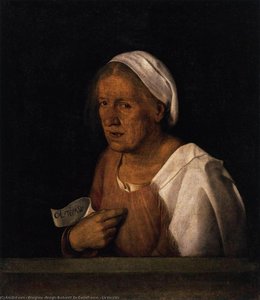
Other significant works highlight his range in both religious and secular themes. The Castelfranco Madonna (c. 1503/04) uses a high throne and landscape to bridge the gap between the divine and the earthly. His 1506 painting, The Old Woman, functions as an allegory of time, while his portraiture continues to emphasize psychological depth through careful composition. These works collectively prove that his impact was rooted in a specific, technical mastery of light and color.

Circle and Artistic Influence

Giorgione’s impact is measured by the lineage of painters who absorbed his approach to atmosphere and color. His most significant connection was his mentorship of Titian, who would eventually dominate the High Renaissance. This transition from Giorgione’s moody, poetic sensibility to Titian’s more robust style defined the trajectory of Venetian art. Beyond Titian, his direct teaching shaped the hands of several notable figures, including Dosso Dossi, Giovanni da Udine, Andrea Schiavone, and Francesco Torbido. These artists carried his specific methods into the next generation of Venetian production.

The reach of his style extended into the works of many others who did not necessarily study under him directly but operated within the stylistic wake he created. Palma Vecchio and Giovanni Cariani both utilized the tonal depth and light-driven compositions that Giorgione pioneered. Similarly, Sebastiano del Piombo integrated these Venetian qualities into his own practice. His influence was not a single, rigid school but a widespread shift in how painters handled the relationship between landscape and subject. This shift moved the focus away from strict line toward a more sensory, atmospheric execution.

Legacy and Historical Significance

Giorgione’s impact is measured by the fundamental shift he forced upon Venetian painting. He acted as the essential bridge between the established traditions of the early Venetian masters and the radical innovations later perfected by Titian. By moving away from the rigid, linear constraints of the Florentine school, he helped establish the foundations of the Venetian School of Italian Renaissance painting. His work prioritized the sensory experience of light and atmosphere over the mathematical precision of drawing. This shift changed how color was used to define form, moving the focus from the outline to the essence of the subject itself.

His influence stems from a refusal to adhere to strict narrative clarity. By emphasizing poetic mood and atmospheric effects, he opened doors for subsequent generations to explore art as a medium for emotion rather than just storytelling. This approach allowed for a new kind of visual language where the landscape and the subject exist in a state of shared, often ambiguous, tension. He remains a primary symbol of artistic freedom and innovation, proving that a painter could prioritize feeling and suggestion over literal accuracy.

Where to See His Works Today

To encounter the physical reality of Giorgione's impact, one must travel across Europe's major museum collections. His presence is felt most strongly in Vienna, where the Kunsthistorisches Museum houses several significant pieces, including the Portrait of Francesco Maria della Rovere. This collection provides a clear look at his ability to handle individual likenesses. In London, the National Gallery preserves The Adoration of the Kings, a work that demonstrates his early command of religious subject matter.

The landscape and mythological shifts he introduced are anchored in Paris and Dresden. The Louvre holds Pastoral Concert (Fête champêtre), a work central to understanding his departure from strict narrative. Meanwhile, the Gemäldegalerie Alte Meister in Dresden contains The Sleeping Venus, a painting that fundamentally altered the depiction of the female nude in Western art. These works are not mere relics; they are the primary evidence of his technical shifts.

Venice and St. Petersburg offer the most direct connections to his most debated and intense compositions. The Gallerie dell'Accademia in Venice holds The Tempest, a painting that remains a central point of study for its ambiguous atmosphere. In Russia, the Hermitage Museum preserves Judith, providing a rare look at his handling of dramatic, high-stakes subject matter. These specific locations hold the actual surfaces where his innovations in color and light were first realized.