Michelangelo Morlaiter პორტრეტი

Michelangelo Morlaiter-ის ნახატები: 35 ყველაზე ცნობილი ნამუშევარი, গალერეის თcraftით

განახლდა ნოემბერი 2026 · დალაგებულია ჩვენი პოპულარობის ქულების მიხედვით (ძიება, ნახვა და შეკვეთები თითოეული ნამუშწაროსთვის) · 93 ნამუშევარი Michelangelo Morlaiter ჩვენს კატალოგში

მოკლედ რომ ვთქვათ

გალერეის შეხედულებით, Michelangelo Morlaiter-ის ყველაზე ცნობილი ნამუშწაროა Pieta (1499), რომლის ორიგინალი სანქტ პეტრეს ბაზილიკა-ში, Roma-ში hangs. Study for Haman (1508) და Design for a statue of Henry II of France (1559) ქმნიან იმ ტრიოს, რომელიც ყველამ იცნობს. ჩვენს კატალოგში არსებული Michelangelo Morlaiter-ის 93 ნამუშწაროდან, გალერეა ქვემოთ წარმოგიდგენთ 35 ყველაზე ცნობილ მათგანს; თითოეული მათგანი არის ორიგინალი, რომლის აღწერა მოიცავს შემოქმედების წელს, მუზეუმს და იმ დეტალებს, რაც მას უნიკალურს ხდის.

High renaissance ყველაზე მეტი ნამشევრი: ბრიტანეთის მუზეუმი

გალერეის Michelangelo Morlaiter 10 საუკეთესო ნამი에도

1
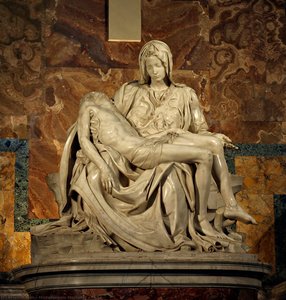
Pieta (1499) ავტორის: Michelangelo Morlaiter

Pieta

The composition centers on the intimate, physical connection between Mary and her son. In this close-up view, the focus remains entirely on the Virgin Mary as she cradles the body of Jesus in her arms. The arrangement of the figures emphasizes a quiet moment of maternal comfort, capturing the weight of the body against her form. This central grouping is elevated upon a pedestal, which provides a sense of prominence…

2
Study for Haman (1508) ავტორის: Michelangelo Morlaiter

Study for Haman

1508 · Drawing · ბრიტანეთის მუზეუმი, ლონდონი

To gaze upon this preparatory study is to step directly into the intense, focused crucible of artistic genius. It is not a finished narrative, but rather a profound meditation—a skeleton rendered in pigment—that speaks volumes about the mind wrestling with form and divine proportion. The subject matter itself, though titled Study for Haman, transcends any single story; it becomes an exhaustive exploration of the human vessel. Here, the artist has…

3
Design for a statue of Henry II of France (1559) ავტორის: Michelangelo Morlaiter

Design for a statue of Henry II of France

1559 · Ink On Paper · Rijksmuseum, ამსტერდამი

In this exquisite pen and ink drawing, we are transported back to the mid-16th century, witnessing a moment of profound artistic preparation. The work, titled Design for a statue of Henry II of France, serves as a meticulous blueprint for a monument intended to immortalize a monarch. At its heart lies an equestrian figure, a powerful composition of horse and rider that commands the viewer's attention through sheer anatomical precision.…

4
Battle of Cascina (Copy by Michelangelo's pupil Aristotele da Sangallo) (1506) ავტორის: Michelangelo Morlaiter

Battle of Cascina (Copy by Michelangelo's pupil Aristotele da Sangallo)

1506 · Oil On Canvas

In Battle of Cascina (Copy by Michelangelo's pupil Aristotele da Sangallo), Michelangelo Morlaiter presents a monochromatic scene defined by chaos and violent movement. The composition is densely packed with figures engaged in combat upon a rocky outcrop. This arrangement creates a shallow perspective that draws the viewer into the immediate struggle. The color palette is restricted to shades of gray, establishing a somber and intense atmosphere that emphasizes the gravity…

5
The Study of Adam (1508) ავტორის: Michelangelo Morlaiter

The Study of Adam

1508 · Chalk

The composition centers entirely upon the reclining male nude. He lies on his back, a solitary figure occupying the space. Minimal background elements exist, leaving the eye to rest solely on the weight of the body. Every line is an anatomical map, tracing the tension of muscle and the underlying architecture of bone. The focus remains fixed on this singular, organic presence.

6
Sistine Chapel Ceiling: God Dividing Land and Water (1512) ავტორის: Michelangelo Morlaiter

Sistine Chapel Ceiling: God Dividing Land and Water

1512 · Fresco

In Sistine Chapel Ceiling: God Dividing Land and Water by Michelangelo Morlaiter, a complex arrangement of figures unfolds in a state of constant, rhythmic motion. The central figure of God commands the entire scene, his presence heavy and absolute as he extends a hand to divide the primordial waters. This singular, decisive gesture sets the momentum for the entire composition. Below this divine action, the narrative continues with Noah and…

7
Male nude and arm of bearded man (1504) ავტორის: Michelangelo Morlaiter

Male nude and arm of bearded man

1504 · Charcoal · ლუვრი, პარიზი

A single male nude occupies the center of the page, caught in a moment of sudden, heavy movement. The figure is a study of tension, a collection of diagonal lines that pull the eye across the paper. Beside this form, the arm of a bearded man enters the frame, adding a layer of anatomical complexity to the composition. The charcoal is applied with a raw, gestural energy, leaving behind a…

8
Sistine Chapel Ceiling: God Dividing Light from Darkness (1512) ავტორის: Michelangelo Morlaiter

Sistine Chapel Ceiling: God Dividing Light from Darkness

1512 · Fresco

The composition is complex and crowded, presenting a dense arrangement where multiple figures overlap and interact within a shallow space. This layering creates a sense of immediate, kinetic energy. The color palette is dominated by warm hues of red, pink, and gold, which establish an intense atmosphere. These tones work in tandem with organic shapes that reflect the underlying human anatomy of the figures.

9
Sketch of a Nude Man (study for the "Battle of Cascina") (1503) ავტორის: Michelangelo Morlaiter

Sketch of a Nude Man (study for the "Battle of Cascina")

1503 · Graphite · ბრიტანეთის მუზეუმი, ლონდონი

The composition is vertically oriented, focusing the viewer's attention on the singular nude male figure. This arrangement emphasizes the verticality of the body and the specific contours of the anatomy. The figure is captured in a dynamic pose, suggesting a moment of physical exertion or movement. The perspective is limited to a close-up study, providing a detailed view of the subject while maintaining minimal background detail. This lack of environmental…

10
Sistine Chapel Ceiling (1512) ავტორის: Michelangelo Morlaiter

Sistine Chapel Ceiling

1512 · Fresco

The ceiling is a vast expanse of organized rows. Each panel holds a specific biblical narrative, a fragment of Genesis unfolding across the stone. The perspective remains largely flat, mirroring the gaze of a viewer looking directly upward into the vault. It is a complex architecture of stories, where the scale of the figures follows a strict hierarchy. Larger forms dominate the central scenes, anchoring the eye amidst the intricate…

Michelangelo Morlaiter-ის ნახატები, რეიტინგით 11-დან 35-მდე

11Sistine Chapel Ceiling: The Prophet Joel (1512) ავტორის: Michelangelo MorlaiterSistine Chapel Ceiling: The Prophet Joel1512 12The Ancestors of Christ: Asa (1509) ავტორის: Michelangelo MorlaiterThe Ancestors of Christ: Asa1509 13Moses (1515) ავტორის: Michelangelo MorlaiterMoses1515 · San Pietro in Vincoli 14Ideal head of a woman (1525) ავტორის: Michelangelo MorlaiterIdeal head of a woman1525 · ბრიტანეთის მუზეუმი 15Study for a risen Christ (1533) ავტორის: Michelangelo MorlaiterStudy for a risen Christ1533 · ბრიტანეთის მუზეუმი 16The Resurrection of Christ (1533) ავტორის: Michelangelo MorlaiterThe Resurrection of Christ1533 · ბრიტანეთის მუზეუმი 17Portrait of Andrea Quaratesi (1532) ავტორის: Michelangelo MorlaiterPortrait of Andrea Quaratesi1532 · Ashmolean Museum of Art and Archaeology 18The Fall of Phaeton (1533) ავტორის: Michelangelo MorlaiterThe Fall of Phaeton1533 · ბრიტანეთის მუზეუმი 19Design for Julius II tomb (first version) (1540) ავტორის: Michelangelo MorlaiterDesign for Julius II tomb (first version)1540 · უფიციების გალერეა 20Crucifixion (1540) ავტორის: Michelangelo MorlaiterCrucifixion1540 21Studies for a double tomb wall (1520) ავტორის: Michelangelo MorlaiterStudies for a double tomb wall1520 · ბრიტანეთის მუზეუმი 22The Entombment (1501) ავტორის: Michelangelo MorlaiterThe Entombment1501 · ნაციონალური გალერეა 23Sistine Chapel Ceiling: The Delphic Sibyl (1509) ავტორის: Michelangelo MorlaiterSistine Chapel Ceiling: The Delphic Sibyl1509 24Study to ^quot;Battle of Cascina^quot; (1504) ავტორის: Michelangelo MorlaiterStudy to ^quot;Battle of Cascina^quot;1504 25Sistine Chapel Ceiling: The Punishment of Haman (1512) ავტორის: Michelangelo MorlaiterSistine Chapel Ceiling: The Punishment of Haman1512 26Sistine Chapel Ceiling: David and Goliath (1509) ავტორის: Michelangelo MorlaiterSistine Chapel Ceiling: David and Goliath1509 27Sketch of fortifications of Porta del Prato in Florence (ground floor plan) (1525) ავტორის: Michelangelo MorlaiterSketch of fortifications of Porta del Prato in Florence (ground floor plan)1525 28Design for Laurentian library doors and an external window (1526) ავტორის: Michelangelo MorlaiterDesign for Laurentian library doors and an external window1526 · ბრიტანეთის მუზეუმი 29Studies for "Pieta" or "The Last Judgement" (1530) ავტორის: Michelangelo MorlaiterStudies for "Pieta" or "The Last Judgement"1530 30Study of ^quot;Christ on the Cross between the Virgin and St. John the Evangelist^quot; (1554) ავტორის: Michelangelo MorlaiterStudy of ^quot;Christ on the Cross between the Virgin and St. John the Evangelist^quot;1554 · ლუვრი 31Study of ^quot;Christ on the Cross between the Virgin and St. John the Evangelist^quot; (1556) ავტორის: Michelangelo MorlaiterStudy of ^quot;Christ on the Cross between the Virgin and St. John the Evangelist^quot;1556 · ბრიტანეთის მუზეუმი 32Decoration of the grand staircase (1766) ავტორის: Michelangelo MorlaiterDecoration of the grand staircase1766 · Palazzo Grassi 33Venetian Reception (detail) (1766) ავტორის: Michelangelo MorlaiterVenetian Reception (detail)1766 · Palazzo Grassi 34ქრისტიანობის სტიდი და შესწெმება (1533) ავტორის: Michelangelo Morlaiterქრისტიანობის სტიდი და შესწெმება1533 · ლუვრი 35მრავალ Estudos (1505) ავტორის: Michelangelo Morlaiterმრავალ Estudos1505 · ლუვრი

Michelangelo Morlaiter-ის ცნობილი სურათები, პერიოდების მიხედვით

სუბიექტები, რომლებმაც Michelangelo Morlaiter-ის ყურადღება მიიპყრო

ამ ორიგინალებში ყველაზე ხშირად განმეორებადი არის 네 თემა, რომელთაგან თითოეულს თავისი საუკეთესო ნიმუში წარმოგვიდგება.

მუზეუმები, სადაც Michelangelo Morlaiter-ის ორიგინალები ინახება

ამ გვერდზე წარმოდგენილი მხატვრობის შედეგების უმეტესობას 8 მუზეუმი ინახავს.

მუზეუმი ქალაქი Michelangelo Morlaiter შემოქმედებაలు ამ სიიდან მოპოვებული ნახატები
ბრიტანეთის მუზეუმი, ლონდონიბრიტანეთის მუზეუმი ლონდონი 9 Study for Haman, Sketch of a Nude Man (study for the "Battle of Cascina"), Ideal head of a woman
ლუვრი, პარიზილუვრი პარიზი 4 Male nude and arm of bearded man, Study of ^quot;Christ on the Cross between the Virgin and St. John the Evangelist^quot;, ქრისტიანობის სტიდი და შესწெმება
Palazzo Grassi, VenicePalazzo Grassi Venice 2 Decoration of the grand staircase, Venetian Reception (detail)
სანქტ პეტრეს ბაზილიკა, Romaსანქტ პეტრეს ბაზილიკა Roma 1 Pieta
Rijksmuseum, ამსტერდამიRijksmuseum ამსტერდამი 1 Design for a statue of Henry II of France
San Pietro in Vincoli, RomeSan Pietro in Vincoli Rome 1 Moses
Ashmolean Museum of Art and Archaeology, OxfordAshmolean Museum of Art and Archaeology Oxford 1 Portrait of Andrea Quaratesi
უფიციების გალერეა, ფლორენციაუფიციების გალერეა ფლორენცია 1 Design for Julius II tomb (first version)

Michelangelo Morlaiter, ერთი ავთენტური ნამუშწარები ათწლეულში

ნამუშევრები ათწლეულების მიხედვით

შეარჩიეთ ათწლეული, რათა ნახოთ ის ორიგინალი ნამუშევარი, რომელიც მას განსაზღვრავს.

Michelangelo Morlaiter-ის ნახატები: გალერეის პასუხები

რომელი Michelangelo Morlaiter ტილოა ყველაზე ცნობილი?გაამჟღავნეთ პასუხი

Pieta (1499), სანქტ პეტრეს ბაზილიკა, Roma. შემდეგ მოდიან Study for Haman (1508) და Design for a statue of Henry II of France (1559).

რომელია Michelangelo Morlaiter-ის 10 საუკეთესო ნამუშწარო?გაამჟღავნეთ პასუხი

Pieta, Study for Haman, Design for a statue of Henry II of France, Battle of Cascina (Copy by Michelangelo's pupil Aristotele da Sangallo), The Study of Adam, Sistine Chapel Ceiling: God Dividing Land and Water, Male nude and arm of bearded man, Sistine Chapel Ceiling: God Dividing Light from Darkness, Sketch of a Nude Man (study for the "Battle of Cascina") და Sistine Chapel Ceiling. ზემოთ მოცემული რეიტინგი ასახავს თითოეულის შემოქმედების წელსა და მუზეუმს.

რამდენიმე ნამუშწარები შექმნა Michelangelo Morlaiter-მა?გაამჟღავნეთ პასუხი

ჩვენს კატალოგში წარმოდგენილია 93 ნამუშწევრი Michelangelo Morlaiter-ისგან, დათარიღებული 1499-დან 1766-მდე.

სად hanging Michelangelo Morlaiter-ის ყველაზე ცნობილი ორიგინალები?გაამჟღავნეთ პასუხი

ძირითადად ბრიტანეთის მუზეუმი (ლონდონი), ლუვრი (პარიზი) და Palazzo Grassi (Venice)-ში. ზემოთ მოცემულ მუზეუმების ცხრილში ისინი ყველა listed.

როდის შექმნა Michelangelo Morlaiter-მა ყველაზე ცნობილი სურათები?გაამჟღავნეთ პასუხი

1500s-ში: ამ გვერდზე წარმოდგენილი 35 ნამუშწარwerksიდან 11 შეიქმნა მაშინ, მათგან Study for Haman.

რომლებიც Michelangelo Morlaiter-ის ყველაზე ადრეული და ბოლო ცნობილი ნამუშევრებია?გაამჟღავნეთ პასუხი

ამ გვერდზე ყველაზე ადრეული არის Pieta (1499), ხოლო ყველაზე გვიანდელი — Decoration of the grand staircase (1766).

რომელ თემებს მიმართავდა Michelangelo Morlaiter ყველაზე ხშირად?გაამჟღავნეთ პასუხი

Man (8), Figures (5) და People (3), ამ გვერდზე წარმოდგენილ 35 ნამუშწარეს შორის.

რა ტექნიკით მუშაობდა Michelangelo Morlaiter ყველაზე ხშირად?გაამჟღავნეთ პასუხი

Fresco, ამ გვერდზე არსებული 35 ნამუშწაროსგან 5 ცალიდან.

რომელ მიძღვნასთან არის დაკავშირებული Michelangelo Morlaiter?გაამჟღავნეთ პასუხი

High renaissance და Renaissance, ამ გვერდზე წარმოდგენილი ორიგინალების მიხედვით.

რომელი Michelangelo Morlaiter-ის ორიგინალები ინახავს ბრიტანეთის მუზეუმი?გაამჟღავნეთ პასუხი

Study for Haman, Sketch of a Nude Man (study for the "Battle of Cascina") და Ideal head of a woman: ბრიტანეთის მუზეუმი, ლონდონი-ში წარმოდგენილია ამ გვერდზე მოცემული ნამუშევრების 9 ცალი.

Michelangelo Morlaiter: მხატვარი

Michelangelo Morlaiter: Venetian Sculptor and Fresco Artist

Michelangelo Morlaiter (1766 – Present) stands as a testament to the enduring legacy of Venetian artistic tradition, particularly within the School of Athens. Born into a family steeped in sculpture—his father, Giovanni Maria Morlaiter, was himself a celebrated sculptor—Michelangelo inherited not only talent but also an unwavering dedication to mastering the craft of disegno, the foundational principles of Renaissance art. His formative years were spent absorbing the artistic atmosphere of Venice, a city renowned for its patronage of the arts and its commitment to preserving classical ideals.
  • Early Life & Training:
  • Giovanni Maria Morlaiter’s influence was paramount in shaping Michelangelo's early artistic sensibilities. He honed his skills under Giovanni Battista Falconetti, a master sculptor known for his meticulous attention to detail and anatomical accuracy. This rigorous training instilled in Morlaiter a profound understanding of sculptural technique—a skill he would later translate into breathtaking frescoes that adorn prominent Venetian churches.

The Accademia di Scoltura, Pittura, ed Architettura Civile: A Crucible of Artistic Innovation

Michelangelo Morlaiter’s contribution to Venetian art extends far beyond individual masterpieces. He was a founding member and professor at the Accademia di Scoltura, Pittura, ed Architettura Civile in Venice (established 1766), an institution dedicated to reviving classical artistic ideals and fostering excellence in sculpture, painting, and architecture. This academy served as a vital hub for disseminating knowledge and nurturing talent—producing generations of artists who would shape the visual landscape of Venice and beyond. Morlaiter’s role as educator ensured that Venetian artistic traditions continued to flourish into the 19th century.
  • Notable Commissions & Artistic Style:
  • Morlaiter gained renown for his monumental sculptures, notably ‘Ignudo,’ a stunning nude study reflecting the influence of Michelangelo Buonarroti and embodying the humanist spirit of the Renaissance. His frescoes within Chiesa dell'Angelo Raffaele—particularly “The Study of Adam”—demonstrate masterful fresco technique, characterized by layering pigments onto wet plaster to achieve luminous colors and unparalleled textural depth. These works exemplify Venetian Rococo art’s elegance and grace.

Influences & Artistic Legacy

Morlaiter's artistic vision was deeply rooted in the humanist ideals of the Renaissance, mirroring the broader cultural movement that championed reason, observation, and human dignity. He drew inspiration from Michelangelo Buonarroti’s sculptural achievements—particularly his David—and embraced the stylistic conventions of Venetian Rococo art, prioritizing decorative splendor and emotional expression alongside technical virtuosity. His enduring legacy resides in his contribution to Venetian artistic heritage and his role as a pivotal figure in shaping the aesthetic sensibilities of his time.
  • Major Achievements:
  • Morlaiter’s sculptures are celebrated for their anatomical precision and expressive dynamism, capturing the human form with remarkable realism. His frescoes—particularly “The Study of Adam”—are considered masterpieces of Venetian fresco painting, showcasing unparalleled color palettes and textural nuances. He cemented his place in art history as a champion of classical ideals and a pivotal voice within Venice’s artistic community.

Historical Significance

Michelangelo Morlaiter's work represents more than just aesthetic beauty; it embodies the spirit of Venetian Renaissance culture—a commitment to reviving classical art forms and upholding humanist values. His influence extended beyond his immediate circle, shaping artistic trends throughout Venice and contributing to the preservation of Venetian artistic traditions for centuries to come. He stands as a symbol of Venetian artistic excellence and a testament to the enduring power of disegno.