A Jewel of Polish History: The Soul of Wawel Royal Castle
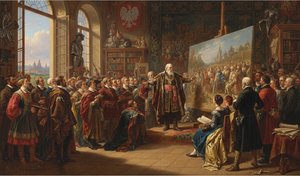
Perched majestically atop Wawel Hill overlooking the Vistula River in Kraków, stands a monument that is far more than a mere collection of stone and mortar; it is the beating heart of Polish statehood. For centuries, Wawel Royal Castle has served as the stage for royal coronations, political intrigue, and the profound ebb and flow of national identity. To visit Wawel is not simply to tour a historical relic, but to embark on an immersive journey through time where every corridor whispers tales of power, artistry, and resilience. As a UNESCO World Heritage site, the castle represents a universal significance that transcends borders, offering a sanctuary where the grandeur of the past meets the vibrant pulse of contemporary Polish culture.
The architectural evolution of the castle is a breathtaking narrative written in stone, reflecting nearly every major European style across the centuries. What began in the 14th century as a Romanesque stronghold under King Casimir III the Great gradually blossomed into an opulent royal residence of unparalleled beauty. The castle’s form embodies a fascinating dialogue between eras, from the sturdy Gothic influences found in the towering Wawel Cathedral to the elegant Renaissance splendor of the Arcaded Courtyard. This courtyard, a masterpiece of Polish Renaissance design, features delicate arcades that seem to float above the ground, creating an atmosphere of refined grace. Beneath this architectural elegance lies the legendary Dragon's Den, a subterranean cave steeped in folklore that reminds every visitor of the ancient myths intertwined with the castle’s very foundations.
A Treasure Trove of Artistic Mastery
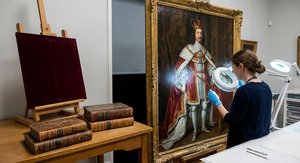
Stepping inside the castle walls is akin to entering a treasure trove of artistic mastery, making it an essential destination for art lovers and collectors alike. The collections housed within are remarkably diverse, reflecting the sophisticated tastes of Poland's most ambitious rulers. For the interior designer or the art enthusiast, Wawel stands as an eternal inspiration—a repository of cultural memory where various artistic disciplines converge to create an unforgettable legacy.
The museum’s holdings are characterized by their extraordinary breadth and depth, featuring:
- The Sigismund II Augustus Tapestry Collection: An astonishing series of 16th-century woven masterpieces that depict scenes from royal life with breathtaking detail and vibrant color, serving as a unique window into the opulence of the Polish court.
- Italian Renaissance Paintings: A prestigious collection showcasing works by renowned masters such as Raphael and Titian, which exemplify humanist ideals and technical virtuosity.
- Ottoman Tents: The largest collection of its kind in Europe, offering a fascinating glimpse into the diplomatic and artistic ties between Poland and the Middle East.
- Fine Ceramics and Goldsmithry: Significant holdings of Meissen porcelain alongside exquisite works of goldsmithing and arms and armor.
What truly distinguishes Wawel Royal Castle is its ability to seamlessly blend historical gravity with a dynamic engagement with the present. The castle does not merely preserve the past; it actively breathes life into it through temporary exhibitions that explore themes of innovation, culture, and historical reinterpretation. Whether wandering through restored royal apartments or attending a classical concert held within its historic halls, visitors experience a profound emotional resonance that connects the splendor of the Renaissance to the vibrant pulse of contemporary Polish life.