A Palace of Dialogue: Exploring the Ujazdowski Castle Centre for Contemporary Art
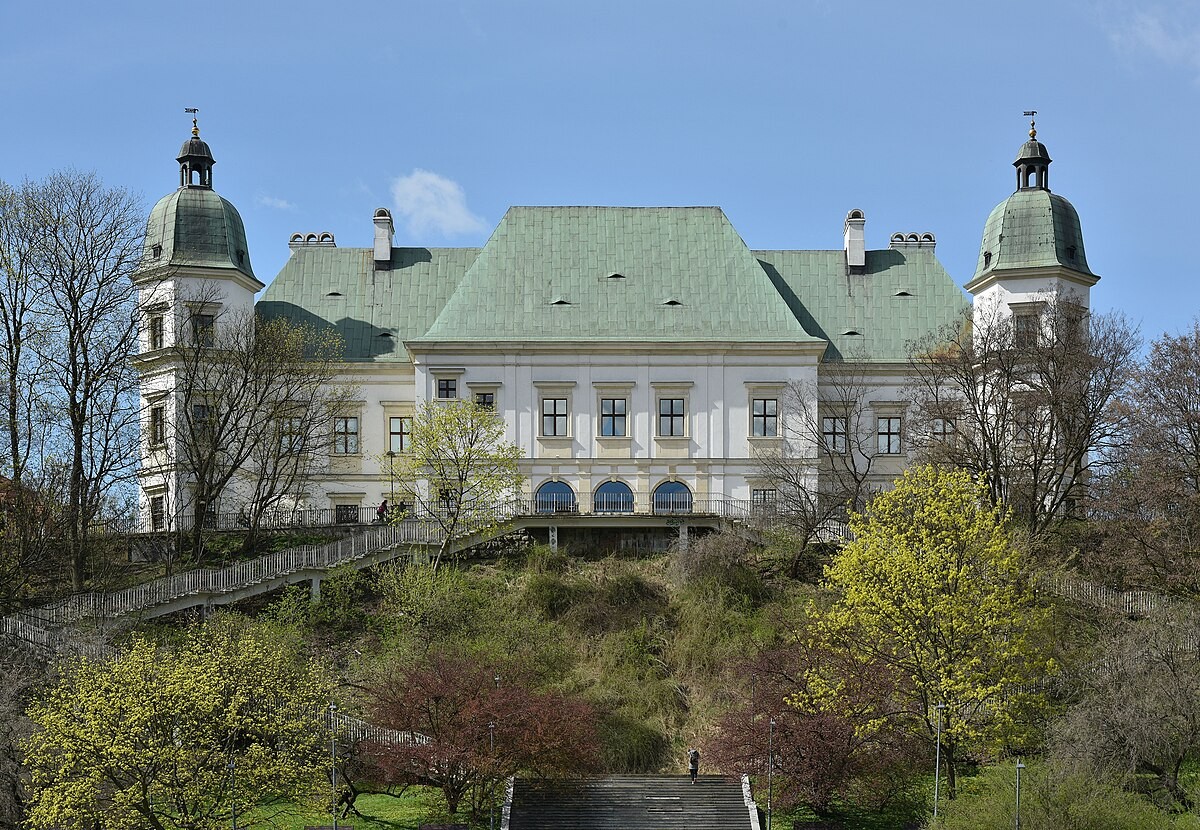
The Ujazdowski Castle Centre for Contemporary Art isn't merely a repository of artistic masterpieces; it’s an immersive experience—a journey through Polish history interwoven with the vibrant pulse of modern creativity. Situated within Warsaw’s meticulously planned Stanislavian Axis, this former royal residence now stands as a testament to resilience and reinvention, offering visitors a singular perspective on cultural evolution.
- Architectural Legacy: Originally erected in the 13th century by the Dukes of Masovia, the castle’s façade embodies centuries of transformation. From humble stronghold to opulent palace under Sigismund III Vasa and subsequent monarchs—particularly Stanisław II August—it has undergone significant architectural embellishments, culminating in its current Baroque grandeur thanks to contributions from Tylman of Gameren and Jakub Fontana.
- A Timeline of Transformation: The castle’s story mirrors Poland's tumultuous past. Bona Sforza initiated a wooden manor in the 16th century, followed by Władysław IV Vasa commissioning a fortified residence. However, its true rebirth arrived after World War II when painstaking reconstruction restored it to its former glory—a deliberate act of reclaiming cultural identity.
- Contemporary Expression: Unlike many institutions prioritizing preservation, ZOMA champions experimentation and dynamism. Exhibitions rotate regularly, showcasing innovative installations, multimedia artworks incorporating video and digital technologies, and tackling pressing social issues. This focus transcends visual arts; film screenings, performances, and artist residencies nurture emerging talent.
- The Juxtaposition of Eras: What distinguishes ZOMA is the captivating tension between its Baroque heritage and avant-garde art. Walking through rooms once graced by royalty now filled with challenging contemporary pieces creates a profoundly stimulating encounter—a reminder that artistic vision can illuminate historical context.
Collection Highlights: Echoes of Polish Identity
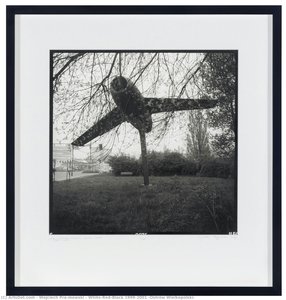
The castle’s collection showcases a remarkable breadth of artistic styles and mediums. Notably, “Soil and Friends” explores the intersection between art and ecology, reflecting ZOMA's commitment to fostering dialogue about environmental concerns. Furthermore, “Tara” delves into themes of memory and identity through captivating photographic portraits.
Notable Exhibitions: Shaping Perspectives
ZOMA’s exhibitions consistently push boundaries, prompting reflection on pressing societal issues. Recent showcases have tackled topics ranging from migration to social justice, demonstrating the centre's role as a catalyst for intellectual discourse.
A Sanctuary of Creativity: The Stanislavian Axis Setting
Surrounded by the tranquil Stanislaw Park and Royal Baths Park—a meticulously landscaped expanse designed to celebrate Warsaw’s splendor—ZOMA offers visitors an unparalleled environment for contemplation and artistic immersion. This setting reinforces ZOMA's mission as a beacon of creativity within Poland’s cultural landscape.
Exploring Artistic Dialogue: Beyond the Walls
Visiting ZOMA isn’t simply observing art; it’s engaging in a conversation across time—a dialogue between tradition and innovation that embodies the essence of Polish artistic heritage. The centre invites exploration, fostering understanding and inspiring new perspectives on both history and contemporary expression.