


A Sanctuary of Kentish Heritage
In the heart of Royal Tunbridge Wells, where the echoes of 18th-century elegance still linger in the air, lies a cultural sanctuary that breathes life into the storied past of Kent. The Tunbridge Wells Museum and Art Gallery, now an integral part of the magnificent The Amelia Scott, is far more than a mere repository for artifacts; it is a vibrant narrative woven from threads of local lore, geological wonder, and profound artistic expression. As one wanders through its halls, the history of the town unfolds—from its origins as a humble spa retreat to its transformation into a fashionable social epicenter under the legendary guidance of Beau Nash. The very architecture of the museum, a grand remnant of Victorian design originally conceived as a spa hotel in 1859, serves as a stately vessel for the treasures held within, offering an immersive journey through time that resonates with both the nostalgia of the past and the sophistication of the present.
The Watercolor Legacy and Landscape Mastery
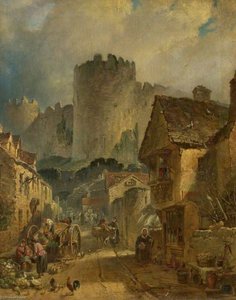
For the discerning art lover and collector, the museum offers a breathtaking encounter with the evolution of British artistic technique. At its core resides a remarkable assemblage of watercolour paintings, works that capture fleeting moments of light and atmosphere with an almost ethereal precision. These delicate pieces showcase a mastery of the Kentish landscape, where the soft textures of the English countryside are rendered with profound sensitivity. One cannot help but be moved by the dynamic energy found in John Bartlett’s “Cars and Chaos,” which provides a window into the bustling Victorian era, or the meticulous, quiet observation present in William Dufield’s still lifes. The collection also invites a deeper appreciation for the landscape tradition, exemplified by the works of Charles Tattershall Dodd I, whose oil on canvas depictions of Culverden Down transport the viewer to a serene, pastoral world of rolling hills and distant windmills. For those drawn to the influence of Impressionism, the legacy of artists like Charles Alexander Wells provides a bridge to the broader movements of the interwar years, bringing a sense of light-drenched realism that continues to captivate contemporary eyes.
The Intersection of Earth and Artistry
What truly distinguishes this institution is its ability to weave together the raw, geological foundations of the region with the refined hand of human craftsmanship. The museum celebrates the very bones of the High Weald Area of Outstanding Natural Beauty, presenting specimens of sandstone, limestone, and flint that bear witness to millennia of natural history. This geological narrative finds a beautiful parallel in the exquisite artistry of Tunbridge ware. This unique form of Kentish craftsmanship—an intricate mosaic of inlaid colored wood—reflects the aesthetic sensibilities of Victorian artisans who sought to capture idyllic landscapes and floral motifs in miniature. To walk through the museum is to witness a seamless dialogue between the earth and the artist, where the rugged textures of ancient stone meet the delicate, patterned elegance of decorative woodwork, creating an experience that is as intellectually stimulating as it is visually enchanting for any lover of fine design and historical heritage.





