

A Cornish Chronicle Within Stone: Exploring the Truro City Council Municipal Buildings
Nestled in the heart of Truro, Cornwall’s vibrant county town, the Truro City Council Municipal Buildings stand as a remarkable testament to civic pride and artistic legacy. More than just an administrative center, this imposing structure offers a captivating journey through centuries of Cornish history, from its ancient roots to its emergence as a significant commercial hub. A visit here is not merely a tour of buildings; it’s an immersion into the soul of Cornwall itself – a place where art, heritage, and community intertwine seamlessly.
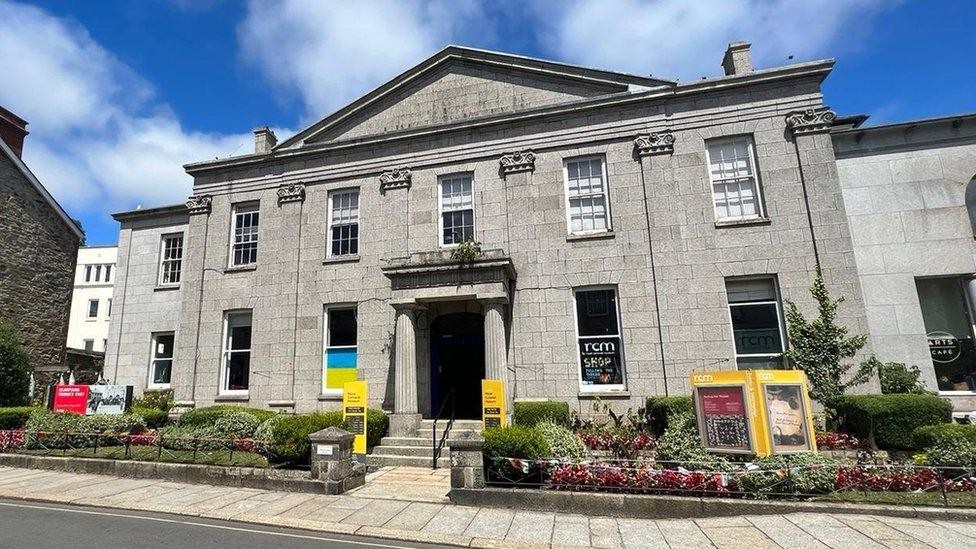
The building's architectural story begins in 1846 with the completion of its Italianate-style facade. Designed by Christopher Eales, the structure immediately commanded attention with its symmetrical design, featuring five grand bays facing Boscawen Street. The use of locally sourced granite ashlar stone creates a robust and enduring presence, while intricate detailing – rusticated ground floor elements, segmental pediments above the windows, and a heavily modillioned cornice crowning the building – speaks to the ambition and prosperity of Truro at that time. A clock tower, a gift from J. Moore & Sons in 1858, added a vital civic function, marking not just the hours but also the rhythm of daily life within the city.
Echoes of Cornish Artists: A Collection Rooted in Place
Within the Municipal Buildings’ walls resides a thoughtfully curated collection that celebrates the unique artistic landscape of Cornwall. The museum proudly showcases works by prominent local artists, offering visitors an intimate glimpse into the region's creative spirit. Joseph Sydney Willis Hodges (1828–1900), renowned for his evocative depictions of Cornish landscapes and people, holds a significant place within the collection. His paintings capture the rugged beauty of the coastline, the bustling activity of market days, and the dignity of the local population – all rendered with remarkable sensitivity and detail. Alongside Hodges’ work are pieces by Neville Burnard (1818–1878), whose landscapes similarly reflect a deep connection to the Cornish environment, and William Jones Chapman (1808–after 1870), known for his portraits of local dignitaries and scenes of everyday life.
Beyond these established names, the collection also includes works by S. Williams, Edward Opie, and Robert Whale, each contributing to a rich tapestry of artistic expression that reflects the diverse influences shaping Cornish art during the 19th century. The museum’s curators have meticulously assembled this collection, recognizing its importance in preserving and promoting Cornwall's artistic heritage.
A History Forged in Tin and Trade
The story of Truro is inextricably linked to the history of tin mining – an industry that profoundly shaped the city’s identity and prosperity. The Municipal Buildings themselves stand on a site with deep roots in this vital sector, reflecting the economic and social impact of tin mining throughout Cornwall's past. Originally established as a stannary town, Truro served as a crucial center for assaying and stamping tin ore, ensuring its quality and regulating its trade. Exhibits within the museum delve into the techniques, challenges, and ultimately, the transformative effects of this industry on Truro’s development – from its early days as a trading post to its rise as a key administrative and commercial center.
The building's evolution mirrors that of Truro itself, transitioning from a medieval castle site to a thriving market town and finally establishing itself as Cornwall’s only city in 1876. The founding of the Diocese of Truro further cemented its status as a significant administrative hub, contributing to the city’s growth and influence.
A Living Legacy: Civic Function and Cultural Display
What truly distinguishes the Truro City Council Municipal Buildings is their unique role as both a functional civic center and a dynamic cultural space. Unlike many museums that operate solely as repositories of artifacts, this building actively showcases and preserves local heritage for residents and visitors alike. The fact that it remains an operational council headquarters adds to its authenticity and provides a fascinating insight into the workings of local government. The museum’s exhibitions are thoughtfully integrated with the building's architecture, creating a seamless experience that celebrates Truro’s past while acknowledging its present-day vitality. It is a place where history isn’t simply displayed; it’s experienced – a living testament to Cornwall’s enduring spirit.