

A Sanctuary of Neoclassical Splendor
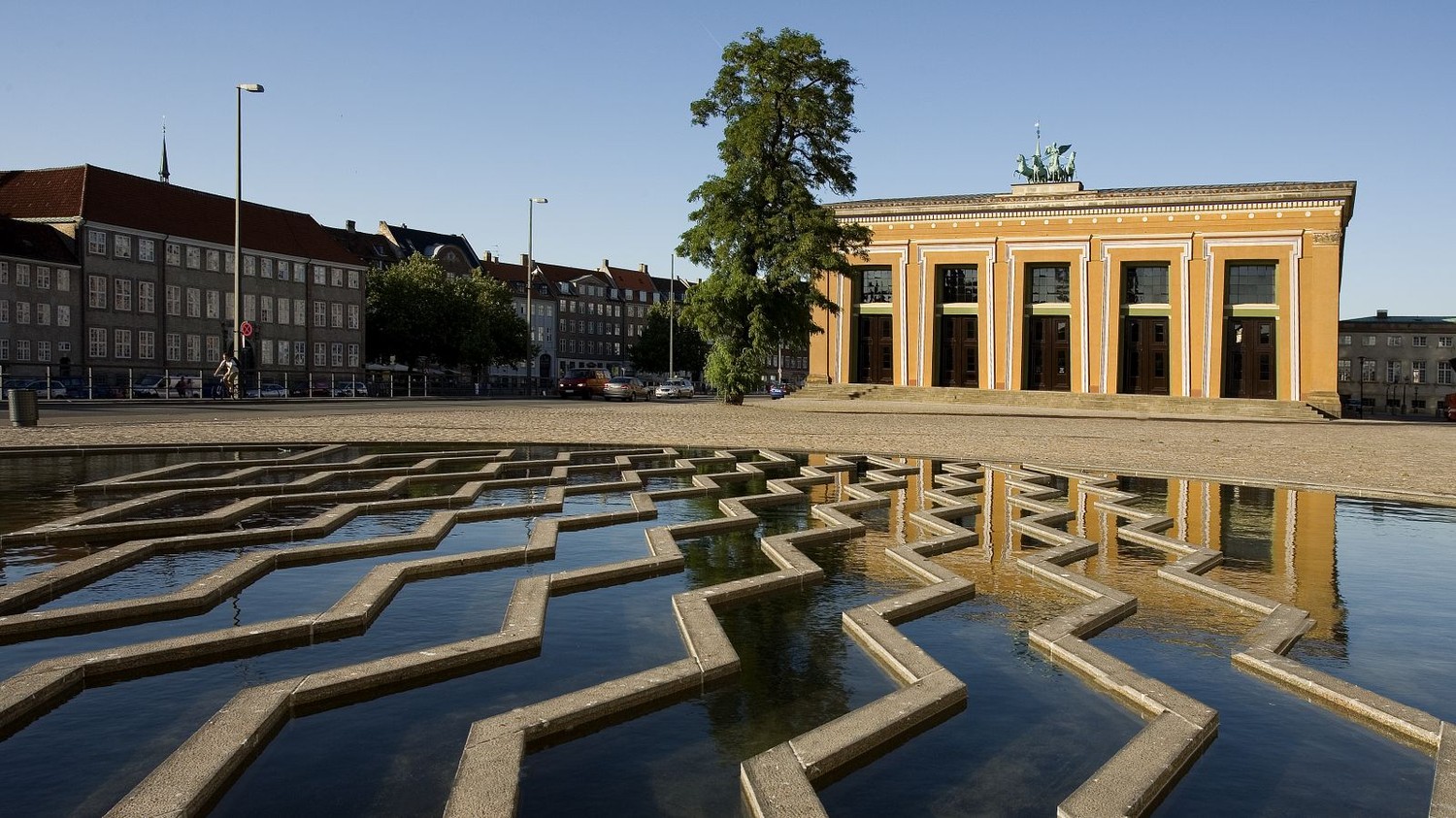
Nestled on the tranquil island of Slotsholmen in Copenhagen’s historic heart—a mere stone's throw from Christiansborg Palace—lies a museum that transcends the traditional boundaries of a gallery. The Thorvaldsen Museum is not merely a repository for sculpted stone; it is a meticulously crafted total environment, an architectural embodiment of the artistic vision of Bertel Thorvaldsen, Denmark’s most celebrated Neoclassical master. Founded in 1848 by his widow, Anna Maria von Uhden, the museum serves as a living testament to a singular dedication to reviving the sublime ideals of ancient Greece and Rome. To step through its monumental gates is to leave the modern bustle behind and enter a realm where marble breathes with the grace of antiquity.
The architecture itself, designed by Michael Gottlieb Bindesbøll, acts as a profound prelude to the art it houses. Completed between 1838 and 1848, the building’s façade is a striking study in austere grandeur, characterized by massive trapezoidal doorways and imposing Corinthian columns. A vibrant frieze wraps around the exterior, depicting Thorvaldsen's triumphant return from Rome, effectively narrating his life's journey before one even crosses the threshold. Inside, the experience becomes even more immersive; the ceilings are adorned in a sophisticated grotesque style, featuring whimsical figures and delicate floral motifs that create a playful yet intellectual atmosphere. For the interior designer or lover of classical aesthetics, the museum offers an unparalleled masterclass in how architecture and ornamentation can harmonize to create a cohesive, emotive space.
The Soul in Marble: Masterpieces and Antiquities
At the heart of the collection lies the monumental work of Thorvaldsen himself. The museum allows visitors to trace the sculptor's profound evolution, moving from delicate preparatory drawings and plaster models to the finished, breathtaking marble triumphs that defined an era. One cannot help but be moved by the sheer physical presence of his figures, such as the striking statues of Nicolaus Copernicus and Józef Poniatowski , which capture not only anatomical precision but a deep, intellectual resonance. Perhaps most awe-inspiring is his tomb monument for Pope Pius VII—a colossal achievement that remains the only non-Catholic sculpture housed within St. Peter's Basilica in Rome, standing as a global symbol of artistic ambition.
Yet, the museum’s treasures extend far beyond the sculptor's own hand. Thorvaldsen was an avid collector of the ancient world, and his personal passion for antiquity has left behind a remarkable assemblage of Greek, Roman, and Egyptian artifacts. Visitors can wander through galleries filled with exquisite vases, bronzes, and reliefs that served as the very wellspring of his inspiration. This collection is further enriched by an extensive array of medals, coins, and rare books, offering a multidimensional view of the Neoclassical movement. It is this blend of personal legacy and historical curation that makes the museum a unique destination for scholars and collectors alike, presenting the ancient world not as a relic of the past, but as a vibrant, breathing influence on the present.
A Living Legacy in a Modern World
While deeply rooted in the nineteenth century, the Thorvaldsen Museum remains a dynamic cultural force that continues to engage with the contemporary art scene. The institution has become a stage for dialogue between the old and the new, hosting notable exhibitions such as Bharti Kher – Mythologies , where modern sculptural interventions challenge and complement the classical surroundings. This ability to foster a conversation between different eras ensures that the museum never feels like a static mausoleum, but rather a vibrant, evolving sanctuary of creativity.
In an age increasingly focused on sustainability, the museum’s recent achievement of the Green Attraction certification reflects a modern commitment to responsible tourism and environmental stewardship. This dedication to preserving both art and the planet is a fitting tribute to Thorvaldsen, an artist who championed beauty, harmony, and the enduring strength of carefully crafted environments. For anyone seeking inspiration—be it through the lens of history, the pursuit of classical elegance, or the exploration of modern sculptural innovation—the Thorvaldsen Museum stands as an essential pilgrimage.


