

Quick Facts
- Featured artists:
- Katsushika Hokusai
- Tsukioka Yoshitoshi
- James Abbott McNeill Whistler
- Thomas Wilmer Dewing
- Studio Of Tawaraya Sōtatsu
- Location: Washington, D.C., United States of America
- Art types:
- other
- wallart
- Movements:
- aestheticism and symbolism
- barbizon school
- impressionistic portraiture
- japanese polychrome ceramics
- song dynasty
- More…
- Historical periods:
- 19th century
- late medieval
- Mediums:
- acrylic on canvas
- etching
- ink
- Works on APS: 18
Art Quiz
There is only one correct answer for each question.
Question 1:
What is the Smithsonian’s National Museum of Asian Art primarily dedicated to?
Question 2:
The museum’s architectural design incorporates elements of:
Question 3:
What distinguishes the Arthur M. Sackler Gallery from the Freer Gallery of Art?
Question 4:
The museum’s commitment to ethical stewardship includes:
Question 5:
Which of the following exhibitions exemplifies the museum’s dual approach to artistic exploration?
Exhibited Artists

Katsushika Hokusai
Discover Katsushika Hokusai (1760-1849), Japan's ukiyo-e master! Explore 'The Great Wave,' landscapes, manga & woodblock prints. Influenced Impressionism & more!

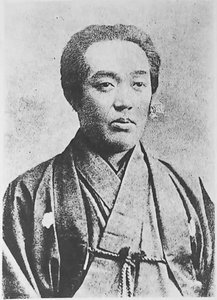
Tsukioka Yoshitoshi
Tsukioka Yoshitoshi (1839-1892): Last master of Ukiyo-e woodblock printing, famed for dramatic scenes & innovative artistry reflecting Japan's turbulent transition. Explore his warrior prints and legacy.

James Abbott McNeill Whistler
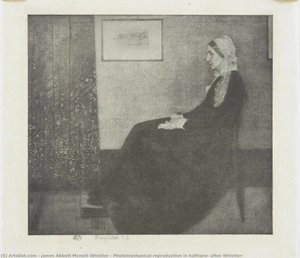
Explore James Abbott McNeill Whistler (1834-1903): American artist of Tonalism & Aestheticism. Discover 'Whistler's Mother,' nocturnes, portraits & his 'art for art's sake' philosophy.
Related Articles

Echoes of Heritage: Continuity & Innovation in Traditional Art Forms
Explore the rich history of cultural heritage & folk art traditions worldwide! Discover inspiring artists, preservation efforts, and museum collections. Find handmade oil paintings & expert insights at OriginalUniqueArt.

Gene Davis: Chromatic Explorations of Color Field Painting & the Washington Color School
Explore the vibrant world of Gene Davis and the Washington Color School. Discover his iconic stripe paintings, innovative techniques, and lasting impact on American abstract art. A deep dive for collectors & enthusiasts.
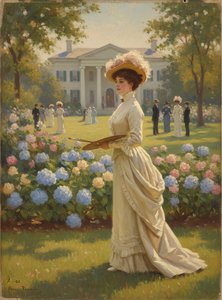
Alice Pike Barney: A Life Painted in Impressionism & Washington Society
Explore the life & art of Alice Pike Barney, a pioneering American Impressionist painter who defied convention and fostered Washington D.C.'s vibrant arts scene. Discover her unique style, portraits, and lasting legacy.
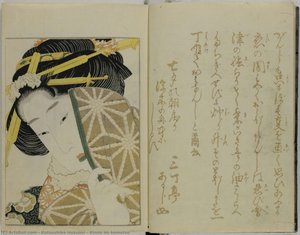
List of Artworks





Subscribe to Our Newsletter
Stay updated with the latest art news, exclusive offers, and decoration ideas.
Get 3 Free Art Suggestions
Tell us about your project and our art experts will provide you with 3 personalized art suggestions.
Not Sure Where to Start?
Let Us Curate 3 Options Just for You - Free!