



A Beacon Reborn: The Baltimore Museum of Art’s Enduring Legacy
Rising from the ashes of a devastating fire, the Baltimore Museum of Art stands not merely as a rebuilt institution but as a powerful testament to the resilience of art and community. Founded in 1914 amidst the spirit of renewal following the Great Baltimore Fire, the BMA was conceived with an ambitious vision—to transcend the role of a mere repository for beautiful objects and instead become a cornerstone of civic life, a vibrant space where creativity flourished and contemplation found its home. This foundational commitment to accessibility remains strikingly relevant today, embodied in its pioneering policy of free general admission, ensuring that art’s transformative power is available to all, regardless of background or circumstance. The museum's very existence speaks volumes about Baltimore’s forward-thinking vision—a desire for rebuilding that extended beyond commerce and into the realm of the human spirit.
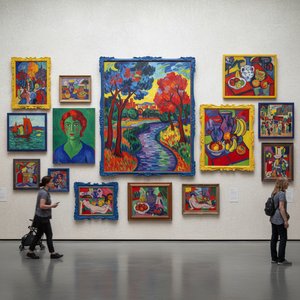
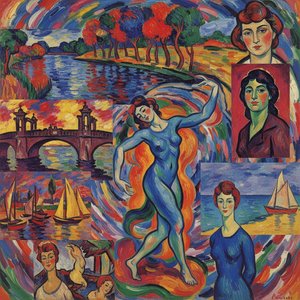
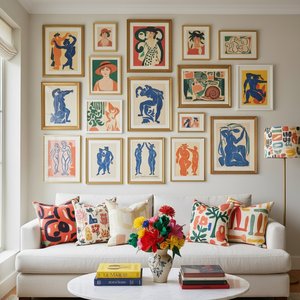
At the heart of the BMA’s renowned collection lies the extraordinary Cone Collection, a testament to the discerning taste and passionate dedication of sisters Claribel and Etta Cone. These were not passive collectors; they were active participants in the burgeoning art world of the late 19th and early 20th centuries, forging intimate relationships with artists themselves and possessing an uncanny ability to anticipate shifts in artistic expression. Their remarkable assemblage boasts over 1,000 works by Henri Matisse—arguably the largest public holding globally—a prescient recognition of his genius that continues to define the museum’s identity. Beyond Matisse, the Cone Collection reveals a deep appreciation for the breadth and depth of modern art, encompassing masterpieces by Picasso, Cézanne, Degas, Gauguin, and Van Gogh. The collection's evolution reflects the sisters’ unwavering belief in the power of living artists, a philosophy that shaped their acquisitions and cemented the BMA’s role as a champion of contemporary creativity.
Beyond its celebrated Matisse holdings, the BMA’s treasures extend far beyond the Cone Collection. The George A. Lucas Collection offers an immersive journey into French mid-19th-century art, revealing the nuances of this pivotal period through a stunning array of paintings, sculptures, and decorative arts. Equally captivating are the Ancient Antioch Mosaics—fragments of a lost Roman city that whisper tales of empire and faith through intricate patterns and vibrant colors. The museum’s dedication to diversity is further exemplified by its impressive holdings in African Art, showcasing the rich artistic traditions of diverse cultures across the continent, and contemporary works from both established and emerging artists, fostering a dynamic dialogue between past and present. The BMA's collection isn’t simply a chronological survey; it’s a vibrant tapestry woven with threads of global influence and individual vision.
A Symphony in Stone: The Architectural Harmony of the Building
The Baltimore Museum of Art is not merely a container for art; it is an artwork in its own right. Designed by the celebrated American architect John Russell Pope during the 1920s, the building embodies a harmonious blend of neoclassical grandeur and modern sensibility. Pope’s design wasn't simply about creating a beautiful exterior; he meticulously considered the relationship between the artwork and its surroundings, establishing a space where both could thrive in mutual appreciation. The stately façade, with its imposing columns and symmetrical proportions, evokes a sense of timeless elegance, while the grand galleries within provide an intimate setting for contemplation and discovery.
The building’s interior is equally impressive, featuring soaring ceilings, meticulously crafted details, and abundant natural light. Pope skillfully integrated elements of classical architecture—such as Corinthian columns and arched doorways—with modern design principles, creating a space that feels both familiar and innovative. The museum's two landscaped gardens, adorned with 20th-century sculpture, offer moments of respite and reflection, inviting visitors to connect with art in a serene and natural setting. These outdoor spaces are not merely decorative; they serve as extensions of the museum’s collection, providing a context for understanding the works on display.
A Living Institution: Exhibitions and Community Engagement
The Baltimore Museum of Art is far more than a static archive of masterpieces—it's a dynamic, evolving institution deeply committed to engaging with its community. Current exhibitions, such as “Black Earth Rising,” a poignant exploration of contemporary issues, and explorations into environmental themes like "Deconstructing Nature," demonstrate the museum’s dedication to addressing pressing concerns and fostering meaningful dialogue. The BMA actively seeks to connect with Baltimore residents through educational programs, outreach initiatives, and collaborations with local organizations, solidifying its role as a vital civic partner.
This commitment extends beyond the museum walls, with numerous community events and programs designed to make art accessible to all ages and backgrounds. From family-friendly workshops to lectures by renowned artists, the BMA offers a diverse range of activities that cater to a wide variety of interests. The museum’s dedication to inclusivity is reflected in its efforts to reach underserved communities and provide opportunities for artistic expression.
A Legacy of Innovation: Looking Forward
The Baltimore Museum of Art stands as a beacon of creativity, accessibility, and community engagement—a legacy forged from the ashes of adversity. With a collection that spans centuries and continents, an architectural masterpiece that inspires awe, and a commitment to fostering dialogue and understanding, the BMA continues to evolve and adapt to meet the needs of its community. As it looks toward the future, the museum remains dedicated to its founding vision—to make art accessible to all, and to serve as a vital cultural hub for Baltimore and beyond.