

Quick Facts
- Works on APS: 26
- Featured artists:
- donyu, the 3rd head of the raku family
- takizawa koryūsai ii
- fukagawa
- fukagawa seiji
- sawada shunzan
- Art types: wallart
- Movements:
- japanese modern
- japanese traditional craft
- meissen style / ko-imari
- raku ware
- traditional japanese ceramics
- More…
- Alternate names:
- Tachibana Museum
- Historical Museum Ohana
- Ohana Museum
- Yanagawa Museum
- Mediums: acrylic
- Location: Fukuoka, Japan
Art Quiz
There is only one correct answer for each question.
Question 1:
What is the primary focus of the Tachibana Museum’s collection?
Question 2:
The Ohana estate contributes to the museum experience by:
Question 3:
Which type of artwork is prominently featured in the museum’s collection and exemplifies exceptional craftsmanship?
Question 4:
What distinguishes the Tachibana Museum from other art institutions?
Question 5:
The Tachibana Museum’s collection includes items recognized as a national treasure, highlighting its importance in:
Exhibited Artists

donyu, the 3rd head of the raku family
Discover donyu, the 3rd Raku family head! Master Japanese ceramicist known for elegant raku ware & subtle beauty. Explore his iconic works like Menpeki jar.


takizawa koryūsai ii
Takizawa Koryūsai II (1756-1810) was a Japanese ukiyo-e artist known for delicate prints of beautiful women, kabuki actors & landscapes. A student of Katsukawa Shunshō, his works showcase mastery of woodblock printing and lacquer techniques. Explore

fukagawa
Koransha: A historic Japanese pottery company (1689) renowned for exquisite Arita porcelain & tableware. Tradition, craftsmanship & imperial lineage – discover timeless beauty.
Related Articles
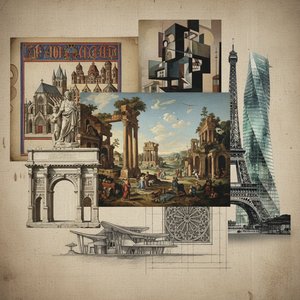
The Enduring Legacy of Architecture in Art: A Historical Survey of Representation & Meaning
Explore the rich history of architecture in art, from Renaissance theory to 19th-century reconstructions. Discover key artists & movements shaping visual representation – a guide for discerning collectors.
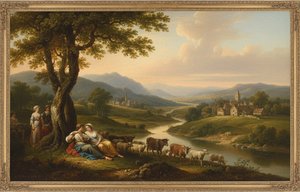
Idyllic Visions: Exploring the Pastoral Tradition in Western Art – Themes, Techniques & Enduring Appeal
Explore the rich history of pastoral art from classical Arcadia to contemporary interpretations. Discover key artists, themes & collecting tips at OriginalUniqueArt.
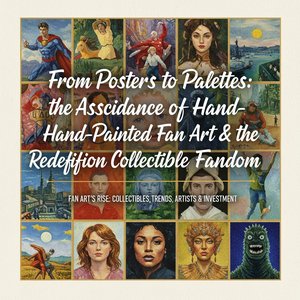
From Posters to Palettes: The Ascendance of Hand-Painted Fan Art & the Redefinition of Collectible Fandom
Explore the fascinating world of hand-painted fan art! Discover its rise as a collectible art form, market trends, artist collaborations & investment potential. Expert insights for discerning collectors.
List of Artworks




Subscribe to Our Newsletter
Stay updated with the latest art news, exclusive offers, and decoration ideas.
Get 3 Free Art Suggestions
Tell us about your project and our art experts will provide you with 3 personalized art suggestions.
Not Sure Where to Start?
Let Us Curate 3 Options Just for You - Free!