A Journey Through Augsburg’s Artistic Soul: The Städtische Kunstsammlungen
Nestled within the historic heart of Augsburg, Germany, the Städtische Kunstsammlungen – a complex encompassing the Schaezlerpalais and Glaspalast – offers an extraordinary immersion into centuries of artistic evolution. More than simply a museum, it’s a testament to the city's enduring legacy as a pivotal center for art production, particularly during the Baroque era, while simultaneously embracing contemporary voices. The collection isn’t merely displayed; it’s experienced—a carefully curated dialogue between past masters and present-day innovators, all housed within spaces that themselves are works of art.
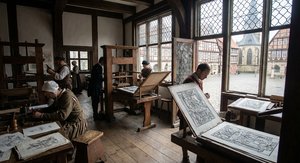
The museum's origins trace back to a deep-seated civic commitment to preserving Augsburg’s rich artistic heritage. Initially conceived as a repository for the city’s treasures, it has blossomed into a remarkably diverse institution, defying easy categorization. One can begin with the dramatic grandeur of the Baroque period, exemplified by an exceptional collection of paintings and sculptures reflecting Augsburg's prominence during that era – notably showcasing the work of Johann Heiß, a key figure in the region’s artistic landscape. Beyond this foundational strength, the Städtische Kunstsammlungen boasts a remarkable assembly of drawings from the 17th and 18th centuries, offering invaluable insights into the techniques and stylistic nuances of the period. These aren't simply static images; they reveal the meticulous process of creation, the artist’s hand shaping form and light with charcoal and ink.
However, to limit the museum’s scope to its historical roots would be a profound disservice. The collection extends far into more recent times, embracing modern and contemporary art in all its forms – from vibrant paintings and evocative photography to thought-provoking video installations. The Glaspalast, with its strikingly modern architecture, serves as a dynamic counterpoint to the Schaezlerpalais’s Baroque splendor, hosting temporary exhibitions that push boundaries and challenge conventional perspectives. The museum's commitment to showcasing diverse media is particularly noteworthy, reflecting a truly forward-thinking approach to art appreciation.
Architectural Treasures: Schaezlerpalais and Glaspalast
The physical spaces of the Städtische Kunstsammlungen are as captivating as the artworks they house. The Schaezlerpalais, a magnificent Baroque palace, immediately transports visitors to a world of opulent grandeur. Its soaring ceilings, intricate stucco work, and carefully preserved interiors provide a stunning backdrop for the collection’s masterpieces. The building itself is a testament to Augsburg's wealth and power during the Baroque period, embodying the era’s dramatic theatricality and lavish ornamentation.
In stark contrast, the Glaspalast presents a completely different aesthetic experience. Designed by Mies van der Rohe in 1930, this building is a landmark of modern architecture—a crystalline structure that embodies minimalist elegance and functional design. It’s a deliberate juxtaposition with the Schaezlerpalais, highlighting the museum's commitment to showcasing both historical grandeur and contemporary innovation. The Glaspalast’s flexible spaces are ideally suited for hosting temporary exhibitions, ensuring a constant stream of fresh perspectives and engaging experiences.
A Tapestry of Artistic Periods: Highlights and Treasures
The collection is rich with treasures spanning multiple periods. Beyond the Baroque highlights, visitors can delve into the Renaissance works by masters like Albrecht Dürer and Hans Holbein, gaining a crucial understanding of Augsburg’s early artistic development. The museum's holdings include impressive examples of armor – such as Armour for the Tilt Joust for Rudolph II – demonstrating Augsburg’s role as a significant center for military craftsmanship. Furthermore, the collection features exquisite goldsmith work by masters like Jörg Zürer, showcasing the city’s renowned tradition of precious metalwork.
The 1600-1780 drawings represent a particularly compelling area of exploration, offering intimate glimpses into the creative processes of artists from across Europe. And don't miss the opportunity to witness the dramatic ceiling fresco in the Aeneas Gallery within the Schaezlerpalais, a testament to the skill and artistry of Melchior Steidl. The museum’s commitment to preserving and presenting these diverse artistic voices is truly remarkable.
Beyond the Masterpieces: Exhibitions and Ongoing Evolution
The Städtische Kunstsammlungen isn't simply a static collection; it’s a dynamic institution that continually evolves through temporary exhibitions, research projects, and community engagement. The museum regularly hosts events that explore specific themes or artists, offering visitors new ways to connect with the collection. Look out for special exhibitions focusing on contemporary art, historical figures, and innovative artistic techniques.
Currently, the museum is actively involved in ongoing research into its holdings, particularly concerning the provenance of artworks – a crucial aspect of ensuring ethical collecting practices. The museum’s dedication to transparency and responsible stewardship further enhances its appeal as a leading cultural institution. The Maximilianmuseum, within the Schaezlerpalais, continues to showcase historical toys, while the Zentrum für Gegenwartskunst hosts cutting-edge contemporary installations. With its multifaceted approach to art history and its commitment to fostering dialogue between past and present, the Städtische Kunstsammlungen offers a truly unforgettable cultural experience for visitors of all ages.