


The Städel Museum: A Chronicle of Vision and Light
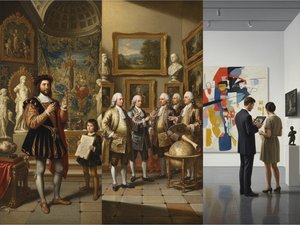
Nestled along Frankfurt’s vibrant Museumsufer – a riverside promenade brimming with artistic treasures – the Städel Museum stands as more than just a repository of art; it's a living testament to centuries of creative evolution. Founded in 1817 by Johann Friedrich Städel, a wealthy merchant and avid collector, the museum’s origins were rooted in a personal passion for assembling a collection that reflected the breadth and beauty of European artistic achievement. Initially conceived as a private gallery, it was meticulously curated with an eye toward showcasing both established masters and emerging talents, establishing a precedent for its enduring commitment to representing diverse artistic voices. Today, the Städel’s sprawling complex – a harmonious blend of historic architecture and modern design – houses a staggering collection spanning from the 14th century to the present day, offering visitors an unparalleled journey through the history of art.
- Old Masters Revelations: The museum's core strength lies in its remarkable assemblage of Old Master paintings. Here, you’ll encounter the luminous landscapes of Lucas Cranach the Elder – particularly his haunting “Melancholy,” a poignant meditation on human emotion and mortality – alongside the regal portraits of Hans Holbein the Younger and the dramatic narratives of Pieter Bruegel the Elder. The collection also boasts significant works by Sandro Botticelli, Rembrandt van Rijn, and Jan Vermeer, each offering a unique window into the artistic sensibilities of their respective eras.
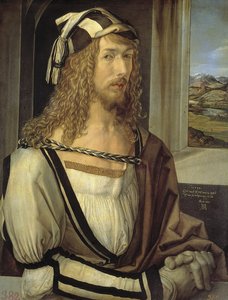
- A Renaissance of Prints: The Städel’s department of prints and drawings is globally renowned, housing an extraordinary array of etchings, engravings, and lithographs. From Dürer's meticulously rendered anatomical studies to works by Goya and Picasso, the collection provides a fascinating insight into the evolution of printmaking techniques and their profound influence on artistic expression.
- Modern Masters & Contemporary Voices: Beyond its historical treasures, the Städel Museum embraces the dynamism of modern art. The museum’s collection includes significant works by Claude Monet, Pablo Picasso, Max Beckmann, and Gerhard Richter, reflecting a commitment to showcasing both established masters and emerging contemporary artists.
Architectural Harmony: A Space for Art and Light
The Städel Museum's architectural design is as captivating as its collection. The building’s evolution reflects the museum’s own history – a testament to continuous expansion and adaptation. Originally conceived as a modest structure, it has undergone several significant transformations over the centuries, culminating in the stunning complex we see today. The most recent addition, completed in 2012, is a masterpiece of contemporary architecture by Herzog & de Meuron, seamlessly integrating into the existing fabric of the museum while providing state-of-the-art exhibition spaces. The building’s façade, clad in shimmering stainless steel panels, reflects the surrounding cityscape and creates an ever-changing interplay of light and shadow – a visual metaphor for the museum's own dynamic engagement with art history.
- The Museumsufer Setting: Situated along Frankfurt’s Museumsufer, the Städel benefits from its prime location on the banks of the Main River. The riverside promenade provides a stunning backdrop to the museum’s architecture and offers visitors a delightful opportunity to stroll through a vibrant cultural landscape.
- The Schaumainkai Rooftop: A highlight for many visitors is the rooftop terrace, offering panoramic views of Frankfurt's skyline and the river. This space serves as an informal gathering place and provides a unique vantage point for appreciating the museum’s architectural grandeur.
A Legacy of Innovation: Exhibitions and Programs
The Städel Museum is not merely a static collection; it’s a vibrant center for artistic engagement. Throughout the year, the museum hosts a diverse range of temporary exhibitions that explore specific themes, artists, or movements in art history. These exhibitions often feature loans from prestigious international museums, providing visitors with access to rarely seen works and offering fresh perspectives on familiar masterpieces. The Städel also offers a wide array of educational programs, including workshops, lectures, and guided tours, catering to audiences of all ages and interests. Notably, the museum’s commitment to contemporary art is exemplified by its “Close Up” program, which delves into specific themes within the collection, fostering deeper engagement with the artworks on display.
Beyond the Walls: Research and Community
The Städel Museum's influence extends far beyond its physical walls. The museum’s research department is actively involved in scholarly investigations of art history, contributing to a broader understanding of artistic creation and cultural context. Furthermore, the Städel fosters strong relationships with local schools and community organizations, promoting arts education and accessibility for all. Its library houses an impressive collection of books, periodicals, and archival materials, serving as a valuable resource for researchers and scholars worldwide. The museum’s dedication to preservation and conservation ensures that its remarkable collection will continue to inspire and educate generations to come.
A Unique Frankfurt Experience
Visiting the Städel Museum is more than just seeing art; it's immersing oneself in a rich cultural experience. The combination of historical architecture, world-class collections, innovative exhibitions, and a vibrant community makes the Städel Museum a truly unique destination in Frankfurt – a place where art transcends time and connects us to the creative spirit of humanity.