


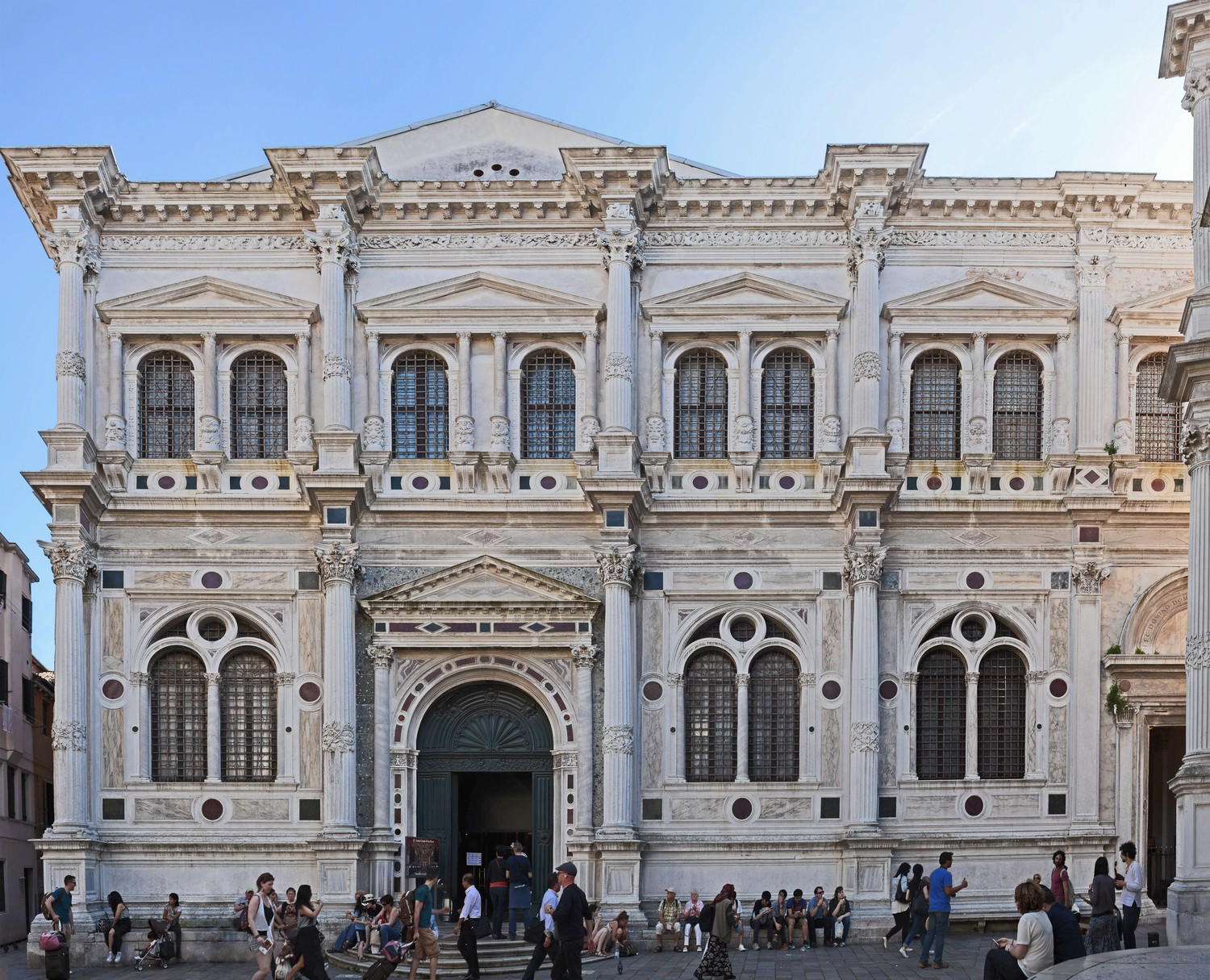
A Venetian Masterpiece: The Scuola Grande di San Rocco
Nestled within the labyrinthine heart of Venice, a city already steeped in artistic legend, lies the Scuola Grande di San Rocco – a place where faith, patronage, and the sheer brilliance of Jacopo Tintoretto converge to create an experience unlike any other. More than simply a religious confraternity hall, it’s a sprawling, immersive journey through biblical narratives rendered with an intensity that continues to resonate centuries later. Founded in 1478 by a group of wealthy Venetian citizens dedicated to the veneration of Saint Roch, the Scuola quickly evolved into one of Venice's most significant cultural institutions, inextricably linked to Tintoretto’s unparalleled vision. The building itself, a harmonious blend of Gothic and Renaissance styles – a deliberate reflection of Venice’s layered history – serves as a breathtaking backdrop for an extraordinary collection of paintings that transform the very walls into living stories.
The architectural design is nothing short of masterful. Constructed primarily between 1564 and 1587 under Tintoretto’s direction, the Scuola Grande is remarkable not just for its cohesive aesthetic but for its strategic use of space. The two distinct halls – the *Sala Terra* (lower hall) and the *Sala Superiore* (upper hall) – are connected by a grand staircase culminating in a soaring dome that floods the upper level with light. This carefully orchestrated illumination is crucial to Tintoretto’s dramatic compositions, amplifying their emotional impact and drawing the viewer into the heart of each biblical scene. The building's exterior, while imposing, subtly hints at the vibrant drama contained within, preparing visitors for an encounter with a truly transformative artistic experience.
Tintoretto’s Dramatic Narrative
At the core of the Scuola Grande’s enduring appeal lies its extraordinary collection of paintings by Tintoretto. He was commissioned to transform the building into a visual encyclopedia of the Bible, responding with an unprecedented scale and dynamism. Unlike many Renaissance artists who favored idealized figures and serene landscapes, Tintoretto embraced a more visceral approach, employing dramatic lighting, swirling compositions, and emotionally charged gestures to convey the intensity of religious events. The *Sala Terra* is dominated by scenes from Mary’s life – each imbued with a palpable sense of emotion and movement – while the *Sala Superiore* truly showcases Tintoretto’s genius: a sprawling panorama of Old Testament tales capturing not just the event itself but also the palpable tension and drama among the apostles.
Notable works include “The Crucifixion,” a brutally honest portrayal of Christ's suffering eschewing traditional iconography for raw emotional power; "The Flight into Egypt," rendered with an almost frenetic energy, depicting Mary’s desperate escape with the infant Jesus; and “The Last Supper,” where Tintoretto captures the event’s tension and drama among the apostles with remarkable realism and psychological insight. His use of color is particularly striking – deep reds, blues, and golds create a sense of grandeur and drama, while his masterful manipulation of light and shadow adds depth and dimension to each scene. The artist's signature style—often referred to as “Il Furioso”—is evident throughout, characterized by dynamic movement, loose brushstrokes, and an almost theatrical quality.
Iconic Works & Artistic Details
Among the most celebrated pieces are "The Adoration of the Shepherds," a vibrant depiction of angels presenting baby Jesus to shepherds, showcasing Tintoretto’s mastery of light and color; “The Ascent to Calvary,” a powerfully emotive scene depicting Christ carrying his cross, demonstrating his incredible ability to convey human suffering; and “The Miracle of St. Mark,” a complex narrative filled with action and symbolism. Beyond these iconic works, the collection includes numerous smaller panels and altarpieces that offer glimpses into Tintoretto’s diverse artistic interests and techniques. The artist's assistants, Domenico Tintoretto and his sons, further enriched the visual tapestry of the Scuola, contributing to the overall richness and complexity of the collection.
A closer examination reveals a remarkable attention to detail. Tintoretto employed innovative techniques, such as *sfumato* (a blurring effect) and *chiaroscuro* (the contrast between light and dark), to create a sense of depth and realism. He also experimented with unusual perspectives and compositional arrangements, challenging the conventions of traditional painting. The use of gold leaf in many of the paintings adds to their splendor and reinforces their religious significance.
Beyond Tintoretto: A Venetian Legacy
The Scuola Grande’s history extends far beyond its artistic treasures. It served as a vital center for Venetian society, hosting charitable events and supporting the city's poor. Giovanni Gabrieli, one of Venice’s most influential composers, served as organist at the Scuola during his formative years – a testament to the building’s role in fostering musical culture. The *Sala dell’Albergo*, housing a remarkable collection of allegorical panels depicting the various guilds of Venice, offers a fascinating glimpse into Venetian commerce and cultural life. These panels, painted by both Tintoretto and his associates, provide valuable insights into the city's economic and social structure during the 16th century.
Today, visitors can explore this extraordinary space and delve deeper into its rich history through guided tours and informative displays. The museum’s website provides detailed information about the collection, as well as resources for researchers and art enthusiasts. A visit to the Scuola Grande di San Rocco is more than just a sightseeing trip; it's an immersion in Venetian artistry, history, and spirituality – a truly unforgettable experience.


