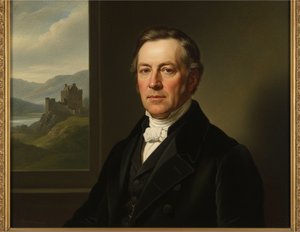
Scottish painter Alexander Nasmyth (1758-1840) bridged portraiture & landscape art. Friend of Robert Burns, his works showcase Scotland's beauty & influenced generations.
Sir Peter Lely (1618-1680) was the leading portrait painter in Restoration England. Known for his elegant Van Dyck-inspired style, he captured the aristocracy & court life with flair. Discover his Windsor Beauties & Flagmen series!
Scottish photographer Norman McBeath RSA creates evocative portraits & collaborations with writers. Royal Society of Arts member, featured in major galleries.
Edinburgh’s skyline is punctuated by architectural statements, but few possess the narrative weight and sheer romantic presence of the Scottish National Portrait Gallery. More than just a repository for painted faces, it's a meticulously crafted chronicle of a nation, housed within a Gothic Revival masterpiece that itself feels like an extension of Scotland’s storied past. Completed in 1890 to designs by Robert Rowand Anderson, the building is constructed from warm red sandstone, its façade teeming with intricate carvings and sculptural details—a deliberate evocation of medieval grandeur intended to lend gravitas to the collection within. The very stones seem to whisper tales of clans, kings, poets, and pioneers, setting the stage for an immersive journey through Scottish history as told through the faces of those who shaped it. It’s a remarkable fact that this gallery was the *first* building globally conceived specifically as a portrait gallery, a bold statement of intent in the late 19th century, establishing a precedent for institutions worldwide dedicated to celebrating national identity through artistic representation. The recent comprehensive refurbishment, completed in 2011, has breathed new life into the space, restoring original architectural features and improving accessibility with the addition of a modern glass lift—a thoughtful gesture ensuring that everyone can experience the gallery's wonders.
A Pioneering Vision:
Established in 1889, the Gallery stands apart as the world’s inaugural portrait institution, reflecting a profound belief in art’s capacity to encapsulate national heritage and identity.
Architectural Marvel:
Designed by Robert Rowand Anderson, the building embodies Gothic Revival aesthetics—a deliberate homage to Scotland's medieval past with its warm sandstone façade and elaborate sculptural ornamentation.
The Collection Highlights:
Featuring masterpieces spanning centuries, including portraits of Mary Queen of Scots, John Playfair, Archibald Skirving, and Henry Raeburn, the Gallery showcases exceptional artistic talent and historical significance.
Recent Refurbishment:
Completed in 2011, the refurbishment prioritized accessibility with a new glass lift and restored original architectural elements, enhancing visitor experience.
Faces of a Nation: Unveiling Scotland’s Story
Stepping inside is akin to entering a hall of ancestors. The Scottish National Portrait Gallery doesn’t merely display portraits; it presents an unfolding drama of Scottish life, from the regal composure of monarchs like Mary Queen of Scots to the intellectual intensity captured in portraits of figures such as John Playfair, brilliantly rendered by Henry Raeburn. The collection spans centuries, offering a visual lineage that connects medieval nobility with modern innovators. But the gallery’s strength lies not just in its depiction of the famous and powerful. It also embraces those whose contributions might otherwise be lost to time—scientists, writers, artists, and everyday individuals who collectively define the Scottish spirit. Archibald Skirving's pastel portraits offer a particularly intimate glimpse into 18th-century society, revealing nuances of character and social standing with delicate precision. Beyond painting, the gallery also boasts an impressive Scottish National Photography Collection, charting the evolution of this art form and its role in documenting Scottish life through different lenses. This blending of traditional portraiture with photographic realism creates a dynamic dialogue between past and present, offering multiple perspectives on what it means to be Scottish.
Diverse Artistic Expressions:
The Gallery’s collection encompasses painting, photography, and sculpture, reflecting Scotland's artistic heritage across various eras.
Psychological Depth:
Artists like Skirving skillfully capture the subtleties of human emotion and social context—demonstrating a profound understanding of portraiture as an art form.
Historical Documentation:
The Photography Collection chronicles Scottish life through visual records, providing invaluable insight into cultural traditions and societal changes.
A Legacy Forged in Philanthropy and Preservation
The story of the gallery is itself a compelling narrative. It began with the Society of Antiquaries of Scotland’s collecting efforts in the late 18th century, gradually amassing a treasure trove of historical artifacts and portraits. However, it was the generosity of John Ritchie Findlay, owner of *The Scotsman* newspaper, that truly brought the gallery to fruition. He donated the funds for the construction of the Queen Street building, recognizing the importance of preserving Scotland’s cultural heritage for future generations. This act of philanthropy underscores a deep-seated belief in the power of art to connect us to our past and shape our understanding of the present. The gallery stands as a testament to this vision, a place where history is not simply remembered but actively engaged with through the evocative power of portraiture.
Early Patronage:
The Society of Antiquaries’ initial collecting endeavors established the foundation for Scotland's national art collection—reflecting a commitment to scholarly pursuits and cultural preservation.
Philanthropic Support:
John Ritchie Findlay’s substantial donation ensured the Gallery’s architectural grandeur and cemented its role as a beacon of Scottish heritage.
Symbolic Significance:
The building's design embodies Gothic Revival principles—a deliberate homage to Scotland’s medieval past, symbolizing enduring values of tradition and artistic excellence.
Beyond the Canvas: A Hub for Art & History
The Scottish National Portrait Gallery is more than simply a static display of artworks; it’s a dynamic space that fosters engagement with art and history. Temporary exhibitions often explore specific themes or artists, offering fresh perspectives on the collection and showcasing contemporary works that resonate with Scotland's artistic landscape. The gallery also hosts events, talks, and workshops designed to appeal to diverse audiences, from seasoned art historians to curious newcomers. Its location in Edinburgh’s city center makes it easily accessible, inviting visitors to immerse themselves in Scottish culture and discover the stories behind the faces that have shaped a nation. For interior designers seeking inspiration, the gallery’s interiors—with their soaring ceilings, ornate details, and carefully curated displays—offer a wealth of ideas for creating spaces that are both elegant and evocative. The interplay of light and shadow, the rich textures of the building materials, and the compelling narratives conveyed through the artwork all contribute to an atmosphere of timeless beauty and intellectual stimulation. It is a space where history breathes, art inspires, and Scotland’s identity comes vividly to life.
Educational Outreach:
The Gallery actively promotes artistic appreciation through educational programs and workshops—connecting visitors with Scottish heritage and fostering creativity.
Cultural Engagement:
Events and talks bring together scholars and artists—stimulating dialogue about art history and enriching the visitor experience.
Spatial Inspiration:
The gallery’s architectural design serves as a model for interior spaces—demonstrating how grandeur, texture, and illumination can elevate aesthetic appeal.
Interior Design Considerations
The Gallery's soaring ceilings and intricate sculptural details provide invaluable inspiration for interior designers aiming to create spaces that embody elegance and intellectual stimulation. Consider incorporating warm hues reminiscent of the sandstone façade—such as ochre and terracotta—to reinforce the building’s historic character. Utilize textured fabrics and furnishings—like velvet upholstery and antique wooden panels—to complement the gallery's opulent aesthetic. Lighting plays a crucial role in highlighting artwork and enhancing ambiance; recessed spotlights combined with diffused ambient illumination can create an atmosphere of refined sophistication. Finally, explore incorporating elements of Scottish folklore and symbolism into decorative schemes—reflecting Scotland’s rich cultural heritage and enriching the visitor experience."
By the OriginalUniqueArt.com Editorial Team
Art Quiz
There is only one correct answer for each question.
Question 1:
What is the primary focus of the Scottish National Portrait Gallery?
Question 2:
In what year was the Scottish National Portrait Gallery established?
Question 3:
What architectural style is most prominently featured in the building of the Scottish National Portrait Gallery?
Question 4:
Which of the following best describes the building’s significance in its field?
Question 5:
The refurbishment of the gallery in 2011 primarily focused on:
Question 6:
What type of art does the gallery also showcase, in addition to portraits?
Question 7:
The Scottish National Portrait Gallery’s collection includes works by which notable artist?
Question 8:
What was John Ritchie Findlay’s primary contribution to the establishment of the gallery?
Question 9:
The gallery’s location in Edinburgh is significant because:
Question 10:
What does the gallery aim to achieve through its diverse collection and exhibitions?
Explore 25 iconic artworks from Washington DC's National Gallery of Art! Discover masterpieces by Cézanne, Matisse & Picasso. Find museum-quality art reproductions and elevate your home decor with timeless paintings. Explore the full collection online at OriginalUniqueArt.com.
Journey through the National Gallery London's 25 most iconic paintings! Explore Van Gogh, Monet, Rembrandt & more. Discover art history, techniques & find museum-quality reproductions for your home decor on OriginalUniqueArt.com.
Explore the life & work of Henry Raeburn, a master Scottish portraitist. Discover his innovative techniques, captivating portraits of the Enlightenment era, and lasting legacy in art history. Learn more at OriginalUniqueArt.