

A Sanctuary of Modern Vision: Exploring the Scottish National Gallery of Modern Art
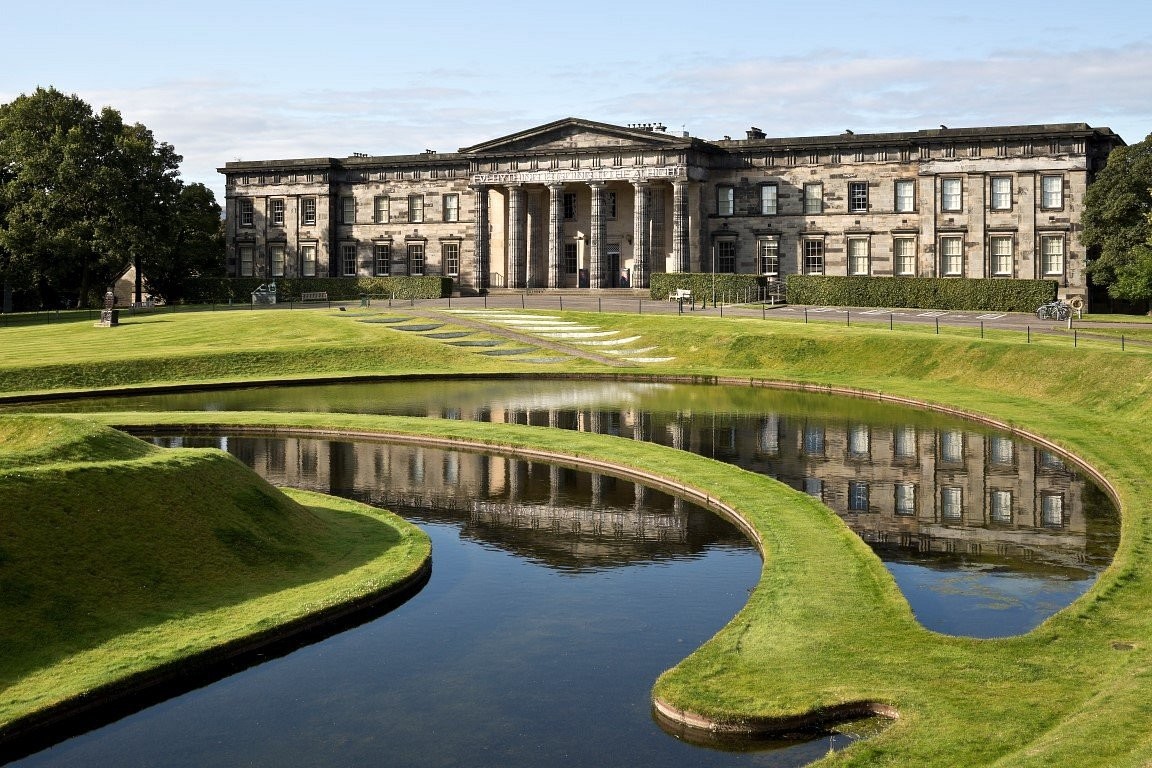
Nestled amidst the rolling hills overlooking Edinburgh, the Scottish National Gallery of Modern Art isn’t merely a repository of paintings; it's an immersive journey into the heart of 20th and 21st-century artistic expression. Housed within two distinct buildings – the imposing, neoclassical structure of Modern One and the vibrant, almost playfully chaotic space of Modern Two – the gallery offers a remarkably comprehensive exploration of modernism’s diverse currents. From the raw emotionality of early Expressionists to the provocative conceptual challenges of contemporary artists, SNGMA stands as a testament to Scotland's significant, yet often overlooked, contribution to the global art landscape. The buildings themselves are integral to the experience, each reflecting a different facet of the gallery’s ethos: Modern One exudes a dignified solidity, while Modern Two pulsates with an energy that mirrors the innovative spirit within.
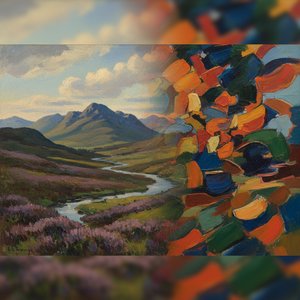
The story begins in 1960 with the opening of Modern One, conceived as a space for showcasing works by European masters who had largely been absent from Scottish collections. Early acquisitions included pieces by Henri Matisse and Pablo Picasso – artists whose bold color palettes and fractured forms immediately captivated visitors. However, it was the arrival of the Gallery’s collection of Scottish Colourists – Samuel John Peploe, John Duncan Fergusson, Francis Cadell, and Leslie Hunter – that truly cemented SNGMA's identity as a champion of homegrown talent. These artists, working in the early 20th century, developed a distinctive style characterized by luminous color, loose brushwork, and an evocative portrayal of Scottish landscapes and portraits. The gallery’s commitment to showcasing these masters remains a cornerstone of its collection. Key highlights within Modern One include Matisse's vibrant “Woman in a Hat,” Picasso’s emotionally charged self-portraits, and the powerful depictions of the Scottish Highlands by Peploe. The Henryk Gotlib Collection – a significant portion of the gallery devoted to the works of Polish painter Henryk Gotlib, whose evocative portraits and landscapes capture a profound sense of melancholy and longing – is particularly compelling, showcasing his distinctive style characterized by flattened perspectives and expressive brushwork.
The Eclectic Heart of Modern Two
A world away from the stately formality of Modern One, Modern Two is an explosion of color, texture, and experimentation. Opened in 1999 as part of a major expansion project, this building was designed to be a dynamic space for showcasing contemporary art, particularly works that challenge conventional notions of beauty and representation. The gallery’s layout – a labyrinthine network of corridors and rooms – mirrors the often-disorienting nature of modern artistic thought. Here, you'll encounter Surrealist masterpieces by Salvador Dalí and René Magritte, alongside sculptures by Alberto Giacometti and installations that push the boundaries of what constitutes art. The gallery’s permanent collection includes a remarkable assemblage of Dada and Surrealist works, largely thanks to the pioneering efforts of Gabrielle Keiller, a Scottish art dealer who played a pivotal role in introducing these movements to Britain. The library within Modern Two houses an unparalleled archive of materials related to Dadaism and Surrealism, offering researchers and enthusiasts a unique opportunity to delve into the history of these influential artistic currents. The building’s centerpiece, Eduardo Paolozzi's monumental sculpture “Vulcan,” dominates the café area, serving as a powerful reminder of the gallery’s commitment to showcasing innovative and challenging works.
A Building with a Story: Architecture and History
The architectural narrative of SNGMA is as compelling as its artistic holdings. Modern One, designed by William Henry Playfair – the same architect responsible for the National Gallery – is a magnificent example of neoclassical architecture, reflecting the grandeur and formality of the 19th century. Its imposing façade and symmetrical design evoke a sense of timelessness and stability. In contrast, Modern Two, conceived by Terry Farrell and Partners, is a strikingly modern structure that embraces asymmetry and fluidity. The building’s undulating walls and expansive windows create a dynamic interplay between interior and exterior space, reflecting the gallery’s commitment to showcasing contemporary art in an engaging and accessible manner. Both buildings share a common history, originally intended as spaces for artistic expression. Modern One was conceived as a home for Scottish art, while Modern Two was designed to accommodate a broader range of modern and contemporary works. The two buildings are connected by the Weston Link, an underground space that provides access between the galleries and facilitates visitor flow.
Beyond the Canvas: Exhibitions and Community Engagement
The Scottish National Gallery of Modern Art is far more than just a museum; it’s a vibrant cultural hub. The gallery hosts a diverse program of rotating exhibitions, showcasing both established artists and emerging talents. These exhibitions often explore topical themes and engage with contemporary social issues, fostering dialogue and critical reflection. Regular events, including artist talks, workshops, and family-friendly activities, are designed to make art accessible to all ages and backgrounds. The gallery’s Artist Rooms program brings together works by leading international artists, providing visitors with a chance to experience some of the most significant artworks of the 20th and 21st centuries. Community Programs: SNGMA actively engages with the local community through educational programs, outreach initiatives, and partnerships with schools and organizations.
Additional Research
- Useful Links:
-
Key Artists:
- Henryk Gotlib
- Samuel John Peploe
- John Duncan Fergusson
- Francis Cadell
- Leslie Hunter
- Salvador Dalí
- René Magritte
- Alberto Giacometti