A Glimpse into Imperial Grandeur: Schönbrunn Palace
Schönbrunn Palace in Vienna stands not merely as a building, but as a breathtaking echo of centuries past—a testament to the power, artistry, and enduring legacy of the Habsburg dynasty. Originally a modest hunting lodge purchased in 1569, it blossomed under Empress Maria Theresa in the mid-18th century into the magnificent Baroque palace we know today, a sprawling complex that embodies an entire era. To wander its halls is to step directly into the heart of imperial life, surrounded by opulence and steeped in history. The very name, “Schönbrunn,” meaning "beautiful spring," hints at the origins of this regal estate—a place initially cherished for its natural resources before becoming a symbol of dynastic ambition.
The palace’s architecture is a harmonious blend of Baroque grandeur and Neoclassical influences, reflecting the evolving artistic tastes across generations of Habsburg monarchs. Key architects like Johann Bernhard Fischer von Erlach and Nicolaus Pacassi masterfully shaped its design, creating a space that is both imposing and inviting. Within its 1,441 rooms—though only 45 are open to public view—one encounters an astonishing array of treasures. The Imperial State Rooms offer a captivating journey through time, each chamber adorned with exquisite furnishings and historical artifacts that whisper tales of courtly life. The Hall of Mirrors, shimmering with reflected light, is particularly evocative; it was here, as legend has it, that the young Mozart performed as a child prodigy, his music filling the very air that visitors breathe today. Maria Theresa’s Apartments provide an intimate glimpse into the private world of one of Austria's most influential rulers, while the Grand Gallery—once the setting for lavish balls and important diplomatic gatherings—continues to inspire awe with its sheer scale and splendor. The Imperial Carriage Museum, nestled within the palace grounds, offers a fascinating look at royal travel and ceremonial processions, showcasing carriages that are themselves works of art.
-
Architectural Significance:
A seamless blend of Baroque grandeur and Neoclassical influences.
-
Historical Context:
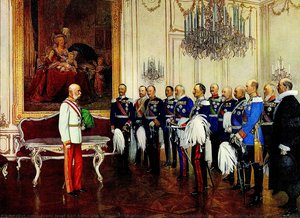
Witness to pivotal moments in history, including the birth and final residence of Emperor Franz Joseph I.
But Schönbrunn is far more than just a palace; it’s a *Gesamtkunstwerk*—a total work of art where architecture, gardens, and landscape design are seamlessly integrated. The meticulously landscaped gardens, stretching as far as the eye can see, are an integral part of the experience. Ascending to the Gloriette, a magnificent structure perched atop a hill overlooking the palace, rewards visitors with breathtaking panoramic views of Vienna. The Palm House, a stunning Victorian-era greenhouse, transports one to a tropical paradise, showcasing exotic plants from around the world. And remarkably, Schönbrunn is home to Tiergarten Schönbrunn, the oldest zoo in the world, established in 1752—a testament to the Habsburgs’ fascination with the natural world and their commitment to conservation. The palace's evolution mirrors Austria’s own historical trajectory, from a center of imperial power to a cherished national landmark.
Schönbrunn Palace has inspired numerous artists throughout history.
Gustav Klimt’s “Park of Schönbrunn” captures the serene beauty of the gardens, while Giovanni Antonio Canal's "Vienna Viewed from the Belvedere Palace" offers a glimpse into Vienna's Baroque cityscape. The palace continues to be a source of inspiration for contemporary artists and designers, its timeless elegance resonating across generations. The inclusion of a state-of-the-art virtual reality experience further enhances the visitor’s journey, bringing the palace and its inhabitants vividly to life—a testament to Schönbrunn's commitment to innovation while preserving its rich heritage. It is a place where history isn’t simply observed; it’s experienced, felt, and remembered long after one departs its gilded halls.