
A Legacy Etched in Stone and Canvas: Exploring the Royal Museum of Fine Arts Antwerp
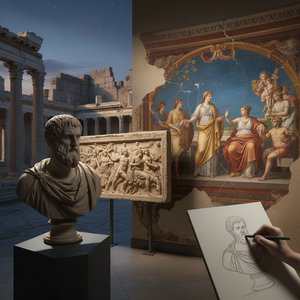
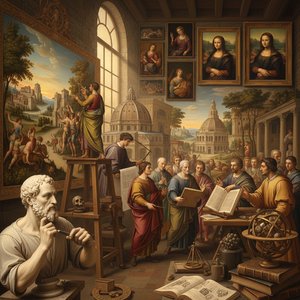
The Royal Museum of Fine Arts Antwerp (KMSKA), a beacon of Flemish artistic heritage, stands as a testament to centuries of creative brilliance. Reopened in 2022 after an extensive eleven-year renovation, the museum isn’t merely a repository of masterpieces; it's a vibrant dialogue between past and present, housed within a breathtaking architectural marvel in the heart of Antwerp’s Zuid district. To wander its halls is to embark on an immersive journey through art history, spanning from the evocative works of the Early Netherlandish masters to the bold experimentation of modern and contemporary artists. The story of KMSKA is inextricably linked to the city itself – born from the collections of the Guild of Saint Luke in the late 14th century, it evolved alongside Antwerp’s own dynamic cultural landscape. Even the stones of the building seem to whisper tales of artistic innovation and patronage, a legacy that continues to inspire awe today. The museum's very foundation rests on the shoulders of artisans and collectors who recognized the power of art to shape culture and reflect the human spirit.The Heart of Flanders: A Collection of Unparalleled Depth
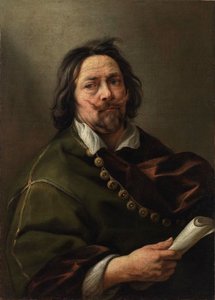
At the core of KMSKA’s allure lies its exceptional collection of Flemish art, a treasure trove that offers an unparalleled glimpse into the artistic soul of the region. To walk through these galleries is to encounter giants upon whose shoulders much of Western painting rests. The museum boasts an astounding assembly of works by Peter Paul Rubens, his dynamic compositions and masterful use of color dominating entire rooms. Here, one can lose themselves in the swirling energy of his mythological scenes – *The Descent from the Cross*, for example, a monumental work that embodies Baroque drama – and the intimate realism of his portraits. But the treasures don’t end with Rubens. Jan van Eyck's *Saint Barbara* and *Madonna at the Fountain* reveal a revolutionary approach to oil painting, rendered with an almost unsettling level of detail that would forever alter the course of art history. The meticulous precision, the luminous quality of light, and the symbolic richness embedded within these works are hallmarks of Van Eyck’s genius. Rogier van der Weyden’s poignant *Portrait of Philip de Croy* and the profoundly moving *Seven Sacraments Altarpiece* offer glimpses into the spiritual and emotional life of the 15th century, inviting contemplation on themes of faith, mortality, and redemption. Beyond these iconic works, the museum showcases a remarkable breadth of talent from artists like Hans Memling, Jacob Jordaens, and James Ensor, each contributing to the rich tapestry of Flemish artistic expression.An Architectural Poem in Stone
The building itself is an integral part of the KMSKA experience. Completed in 1894, designed by Jean-Jacques Winders and Frans Van Dijk, it’s a stunning example of neoclassical architecture, a deliberate evocation of classical ideals of beauty, harmony, and order. The façade is adorned with intricate sculptures and medallions honoring celebrated artists – a visual homage to the creative spirit that resides within. These aren't merely decorative elements; they are integral to the building’s narrative, celebrating the lineage of artistic achievement. The recent renovations have not only restored the building to its former glory but also expanded its spaces, including a dedicated hall for modern art, seamlessly integrating contemporary works into this historical setting. The museum is beautifully situated within gardens bounded by streets named after artistic disciplines – Schildersstraat (Painters’ Street), Beeldhouwersstraat (Sculptors’ Street) – further emphasizing the institution's dedication to the arts. The architecture isn’t simply a container for art; it actively participates in the dialogue, creating a harmonious environment that enhances the viewing experience.From Guild Treasures to Modern Visions
The history of KMSKA is a fascinating reflection of Antwerp’s own evolution. Beginning with the holdings of the Guild of Saint Luke, the collection grew through generous bequests and strategic acquisitions. The 19th century saw significant contributions from figures like Florent van Ertborn, whose donation of Early Netherlandish masterpieces solidified the museum's reputation. Throughout its existence, KMSKA has remained a dynamic cultural hub, adapting to changing artistic trends while remaining deeply rooted in its Flemish heritage. Today, it continues this tradition by hosting innovative exhibitions, educational programs, and events that engage audiences of all ages and backgrounds. The inclusion of works by 20th-century masters like René Magritte and Pierre Alechinsky demonstrates the museum’s commitment to showcasing the full spectrum of artistic expression, bridging the gap between historical traditions and contemporary innovation. KMSKA is not simply a place to view art; it's a space for dialogue, discovery, and inspiration—a testament to the enduring power of creativity to enrich our lives.- Unique Selling Point: KMSKA offers an unparalleled collection of Flemish masters within a stunningly renovated neoclassical building.
- For Collectors: A source of inspiration and historical context for understanding the evolution of art, particularly Flemish painting.
- For Interior Designers: Provides insights into color palettes, composition techniques, and artistic styles that can inform design projects.