

A Symphony of History: Exploring the Royal College of Music Museum
Nestled in the heart of South Kensington, London, the Royal College of Music Museum is far more than a mere repository of musical artifacts; it is a vibrant, breathing echo of five centuries of sonic artistry. Stepping through its doors feels akin to entering a time capsule where the whispers of composers past mingle seamlessly with the innovative spirit of contemporary musicians. The museum does not simply exist about music—it embodies it, offering an immersive experience that resonates deeply with seasoned connoisseur and those newly captivated by the power of sound. It is a place where the tactile history of performance meets the ethereal beauty of melody.
The architectural grandeur of the institution serves as the perfect overture to its collection. Designed by Sir Arthur Blomfield in a striking Flemish Mannerist style, the building features a commanding presence of red brick and buff-colored stone. This structural harmony allows the museum to stand as a testament to enduring artistry, blending seamlessly with the cultural vibrancy of Albertopolis—the prestigious district that houses the Royal Albert Hall and Imperial College. The very walls seem to vibrate with the legacy of George Grove, the visionary leader who established this institution in 1882 to elevate British music to international prominence through meticulous planning and unwavering dedication.
At the heart of the museum’s allure lies its extraordinary collection of historical instruments, which are treated not merely as objects, but as vessels that once channeled the creative energies of musical giants. To stand before the celebrated Stradivarius violins is to connect directly with the legacy of Antonio Stradivari himself. One cannot help but marvel at the intricate craftsmanship and acoustic engineering; the way the painstakingly applied layers of varnish protect the wood while enhancing its tonal qualities demonstrates a profound, Renaissance-era understanding of materials science. Alongside these stringed masterpieces, the evolution of the piano is on full display, tracing a technological journey from the delicate uprights of centuries past to the towering, resonant concert grands that define the modern era.
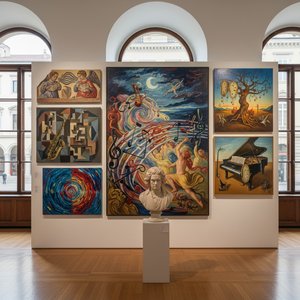
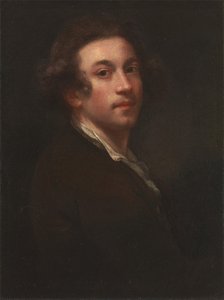
What truly distinguishes the Royal College of Music Museum, however, is its unique ability to bridge the gap between classical tradition and contemporary music culture. The curation achieves a breathtaking dialogue across generations, placing portraits of luminaries like Joseph Haydn in conversation with much more recent cultural icons. This sense of continuity is perhaps most strikingly realized in the inclusion of artifacts such as a guitar pick used by Kurt Cobain during his legendary MTV Unplugged performance. Such juxtapositions do not diminish the weight of history; rather, they illuminate how musical expression adapts to changing social landscapes, proving that innovation is a continuous, unbroken process. For the art lover and the designer alike, the museum offers a profound study in how heritage and modernity can coexist in a state of perfect, resonant balance.