

Table of Contents
Quick Facts
- Movements:
- academic classical realism
- academic realism
- contemporary realism
- fauvism
- futurist & cubist
- Mediums:
- acrylic on canvas
- oil
- oil on canvas
- painting
- Location: London, United Kingdom
- Works on APS: 55
- More…
- Alternate names:
- Royal Academy of Music
- RAM
- a music conservatoire based in London
- Royal Academy
- Art types:
- other
- wallart
- Historical periods:
- 19th century
- modern
- Featured artists:
- André Derain
- Frank O. Salisbury
- lourens alma tadema
- Reginald Grenville Eves
- Christopher Richard Wynne Nevinson
Art Quiz
There is only one correct answer for each question.
Question 1:
What year was the Royal Academy of Music founded?
Question 2:
Who championed the establishment of the Royal Academy of Music?
Question 3:
The Academy’s main building was designed by:
Question 4:
What architectural element exemplifies the Academy's blend of history and modernity?
Question 5:
Which composer’s original manuscripts are housed in the museum?
Exhibited Artists
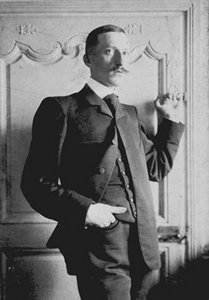
André Derain
André Derain (1880-1954): A key founder of Fauvism, celebrated for his bold colors & expressive style. Explore his iconic London paintings and evolution towards classicism.


Frank O. Salisbury
Frank O. Salisbury (1874-1962) was Britain's 'Painter Laureate,' capturing royalty, US presidents & society figures. Explore his portraits & historical murals!

lourens alma tadema
Discover Sir Lawrence Alma-Tadema (1836–1912), the Dutch Victorian painter famed for opulent Roman interiors & meticulous classical detail—a master of light & atmosphere! Explore his legacy.
Related Articles
The Enduring Legacy of Architecture in Art: A Historical Survey of Representation & Meaning
Explore the rich history of architecture in art, from Renaissance theory to 19th-century reconstructions. Discover key artists & movements shaping visual representation – a guide for discerning collectors.

The Shadow of Faith: Exploring Gothic Art's Spiritual Intensity & Architectural Innovation
Explore the spiritual intensity & architectural innovation of Gothic art! Discover the symbolism behind cathedrals, stained glass & master artists like Giotto and Monet. A deep dive into medieval history & artistic expression.

The Enduring Legacy of Architecture in Art: A Historical Survey of Representation & Aesthetic Influence
Explore the rich history of architecture's influence on art! Discover Renaissance perspective techniques, symbolism, & iconic masterpieces. Enhance your understanding with our expert analysis.
List of Artworks


Reginald Grenville Eves
Sir John Blackwood McEwen (1868–1948), FRAM, Principal of the Royal Academy of Music (1924–1936)



Subscribe to Our Newsletter
Stay updated with the latest art news, exclusive offers, and decoration ideas.
Get 3 Free Art Suggestions
Tell us about your project and our art experts will provide you with 3 personalized art suggestions.
Not Sure Where to Start?
Let Us Curate 3 Options Just for You - Free!