A Bastion of Governance: The Préfecture de l’Isère
Nestled within the heart of Grenoble, France, the Préfecture de l'Isère is far more than a mere administrative building; it stands as a powerful testament to regional identity, a silent observer of centuries of French political evolution, and an exquisite example of 19th-century architectural ambition. Completed in 1867 under the visionary direction of architect Charles Questel, this imposing structure commands attention not solely through its scale but through the elegant interplay of limestone facades, intricate detailing, and a profound connection to the land from which its materials were sourced. The building’s very placement on Place de Verdun—a square named in remembrance of the pivotal Battle of Verdun during World War I—infuses it with a palpable sense of national significance and enduring sacrifice.
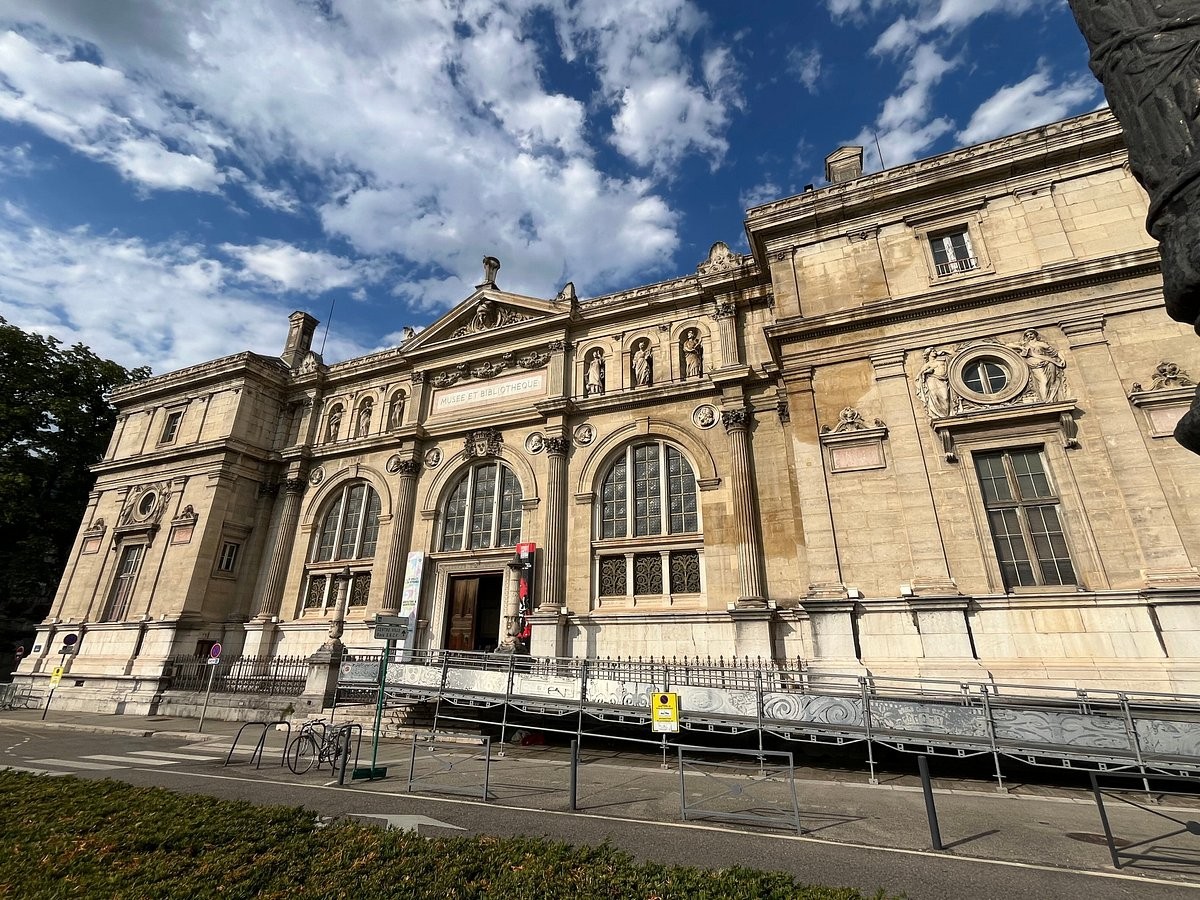
The design itself is a masterful synthesis of 17th-century influences, subtly refined by the technical prowess characteristic of the Second Empire. Questel’s intent was to create a building that projected stability and civic pride – a visual embodiment of Grenoble's historical role as the capital of the Dauphiné province. This ambition manifests in every carefully considered element. The façade is punctuated by a series of grand arches, framed by Corinthian pilasters, creating a sense of monumental grandeur while maintaining a dignified formality. But it’s not merely ornamentation; each sculpted detail—from the delicate cornices to the precisely carved capitals—seems imbued with meaning, reflecting the values and aspirations of the era.
The Language of Stone and Sculpture
Perhaps the most striking feature of the Préfecture is its second-story gallery, adorned with a remarkable collection of busts. These aren’t simply decorative additions; they are deliberate visual lineages, connecting the present administration to the rich tapestry of Grenoble's past. Each figure—Bayard, Lesdiguières, Condillac, Barnave, Mounier, Vaucanson—represents a significant chapter in the region’s story, subtly reminding those who pass by of the responsibilities inherent in governing such a historically important area. The choice of these particular individuals speaks to Questel's desire to celebrate Grenoble’s intellectual and political heritage, highlighting figures associated with law, diplomacy, philosophy, and scientific innovation.
Beyond the busts, the limestone itself is noteworthy. Sourced from quarries in the south of the Drôme region, it possesses a distinctive warm hue and a subtle texture that speaks to its local origins. This deliberate selection of materials wasn’t simply aesthetic; it was a symbolic gesture – an attempt to ground the building firmly within the regional character, forging a powerful connection between the administration and the land it serves. The careful craftsmanship evident in the stone carving further elevates the building's visual impact, demonstrating the skill and dedication of the artisans involved.
Place de Verdun: A Living Hub
The Préfecture’s significance extends far beyond its walls; it is inextricably linked to Place de Verdun, a vibrant public square that serves as Grenoble’s bustling social heart. This carefully designed space—featuring elegant fountains, strategically placed public art installations, and ample room for gatherings – creates a dynamic interplay between the formal authority represented by the Préfecture and the everyday energy of the city's inhabitants. The square is easily accessible via tram line A, with a dedicated stop named “Verdun – Préfecture,” making it a convenient destination for both locals and visitors alike.
The history of Place de Verdun itself adds another layer of resonance. Named to commemorate the Battle of Verdun during World War I, the square serves as a poignant reminder of national sacrifice and resilience. It’s a space where citizens gather, events are held, and memories are honored – a testament to Grenoble's enduring spirit.
A Legacy of Functionality and History
What truly distinguishes the Préfecture de l’Isère is its unique dual role: it remains a fully functional government building, actively serving the administrative needs of the Isère prefecture while simultaneously functioning as a powerful historical landmark. This seamless blend of past and present creates an atmosphere that feels both timeless and remarkably relevant. While public access inside the building itself is limited due to operational considerations, the exterior façade and surrounding square offer ample opportunity for appreciation – a chance to contemplate the building’s architectural beauty, delve into its rich history, and experience the pulse of Grenoble's civic life. A visit to Place de Verdun and contemplation of the Préfecture is an essential journey into the heart of regional governance and cultural identity.
Notable Exhibitions: The museum regularly hosts temporary exhibitions exploring themes related to Grenoble’s history, architecture, and art heritage. Keep an eye on their website for upcoming events!