A Venetian Labyrinth of Light and Textile: Exploring Palazzo Fortuny
Palazzo Fortuny isn’t merely a museum; it's an immersive journey into the artistic legacy of Mariano Fortuny y Madrazo, a Spanish polymath who found his creative epicenter in Venice. Approaching its façade evokes a sense of timeless grandeur—a Gothic palace reborn through the visionary spirit of a singular artist and his wife, Henriette Negrin. Originally conceived as a residence for the Pesaro family in the fifteenth century, the Palazzo itself stands as an enduring emblem of Venetian architectural prowess, adorned with arched windows that bathe interiors in diffused light and intricate stonework whispering tales of centuries past.
However, it was Fortuny’s arrival in 1902 that irrevocably transformed this stately building into a crucible where art, design, and invention coalesced. He didn't simply inhabit the Palazzo; he became its very soul—a restless explorer who championed experimentation alongside his artistic collaborator. Together, they established an atelier within its walls, attracting luminaries from across Europe eager to witness their groundbreaking techniques and acquire pieces that epitomized a new aesthetic sensibility. This space wasn’t merely where Fortuny crafted his masterpieces; it was the embodiment of his intellectual curiosity—a vibrant tapestry woven with influences from diverse cultures and historical periods.
The Atelier Preserved: A Window Into Fortuny’s Creative Process
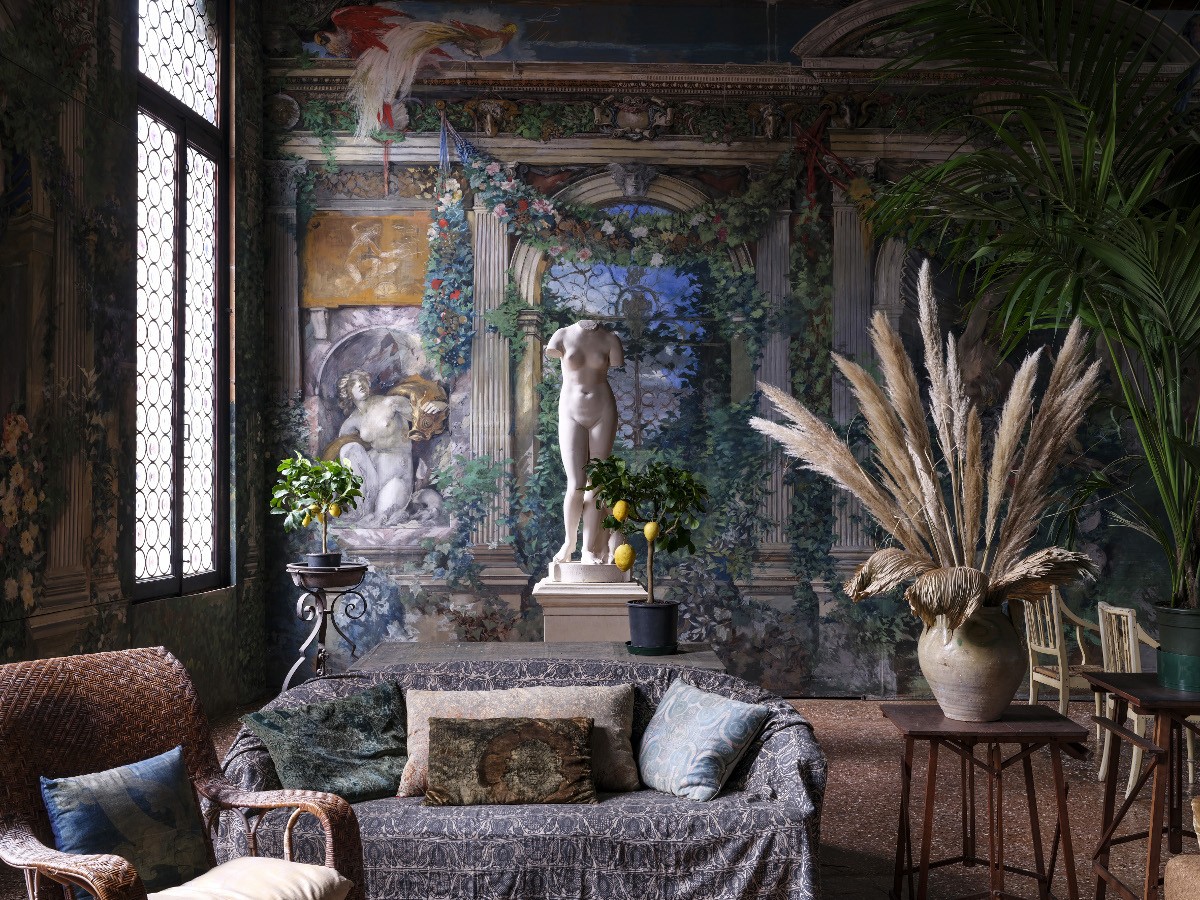
What distinguishes Palazzo Fortuny from conventional museums is its extraordinary preservation of Fortuny's studio-atelier. Unlike institutions that present finished artworks in sterile environments, visitors are granted access to the very space where creativity blossomed—a meticulously maintained facsimile of Fortuny’s original workshop. Imagine wandering amongst looms still threaded with silks of astonishing vibrancy, examining sketches pinned to walls bearing witness to his tireless pursuit of innovation, and encountering lamps casting their distinctive glow – all within the atmospheric embrace of the Palazzo's historic rooms.
This intimate glimpse into Fortuny’s working world transcends mere observation; it unveils *how* he conceived his art. He was a master of multiple disciplines—painting, sculpture, stage lighting, and, most notably, textile design—and his atelier reflects this multifaceted approach. The space itself feels like an extension of his mind: eclectic, layered, and brimming with inspiration drawn from Byzantine mosaics, Moorish patterns, and the burgeoning Impressionist movement.
Innovations in Fabric and Light
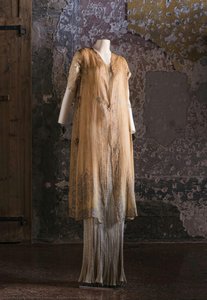
Mariano Fortuny’s indelible mark extends beyond visual art; he revolutionized textile design—creating fabrics that defied convention and redefined notions of texture and pattern. His patented pleating techniques, achieved through ingenious mechanical processes, resulted in dresses that flowed with an ethereal grace, liberating women from restrictive fashions of the early twentieth century. The museum’s collection showcases a breathtaking array of these iconic textiles—silks adorned with motifs inspired by ancient civilizations and Venetian history—a testament to Fortuny's unparalleled mastery.
Furthermore, Fortuny pioneered lighting design, recognizing that illumination could profoundly enhance artistic experience. His lamps weren’t merely functional objects; they were sculptural creations designed to sculpt light and atmosphere—capturing the subtle nuances of Venetian twilight and casting a warm glow upon interior spaces. These luminaries exemplify Fortuny's holistic vision – demonstrating how art can elevate everyday life.
A Gift To Venice: Ensuring A Lasting Legacy
The story of Palazzo Fortuny is inextricably linked to Henriette Negrin’s selfless decision to donate the Palazzo and its contents to the city of Venice in 1956—a gesture that secured Fortuny's artistic heritage for posterity. Officially inaugurated in 1975 under the stewardship of Fondazione Musei Civici di Venezia, Palazzo Fortuny continues to inspire visitors with exhibitions celebrating Fortuny’s oeuvre alongside contemporary artistic explorations.
Today, it stands as a beacon of Venetian creativity—a place where history meets innovation and where the legacy of Mariano Fortuny y Madrazo endures, reminding us that art possesses the power to transcend time and captivate generations to come.