A Beacon of Gothic Grace: The Church of Our Lady, Bruges
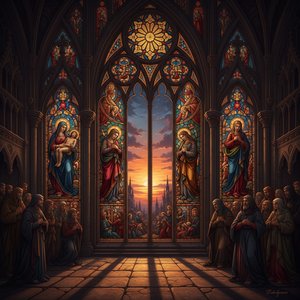
Rising majestically above the medieval cityscape of Bruges, the Onze-Lieve-Vrouwekerk – or Church of Our Lady – is not merely a house of worship but a testament to centuries of artistic devotion and architectural ambition. Its spire, soaring to an impressive 115.5 meters, claims the title of the second highest brick tower in the world, a breathtaking feat of engineering that has dominated the Bruges skyline since its completion in the 14th century. But the church’s grandeur extends far beyond its imposing height; it is within its walls that a remarkable collection of masterpieces awaits, offering a profound journey through the history of Flemish art and sculpture.
A Sanctuary of Sculptural Emotion: Michelangelo's Madonna and Child
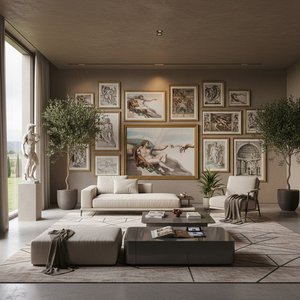
The interior of Onze-Lieve-Vrouwekerk holds treasures that draw visitors from across the globe, but none is more celebrated than Michelangelo’s exquisite marble sculpture, *Madonna and Child*. This isn’t a work born for Bruges; originally intended to adorn an altar in Siena Cathedral, Italy, it was acquired by the Moucron family – Bruges merchants with strong ties to Italy – and brought to this northern city. The sculpture's presence here feels almost serendipitous, a stroke of fortune that gifted Bruges with a Renaissance jewel. The delicate rendering of Mary’s face, imbued with both maternal tenderness and quiet contemplation, is captivating. The subtle musculature of the Christ Child, poised in youthful innocence, speaks to Michelangelo’s unparalleled mastery of anatomy and form. It's a work that transcends religious iconography, becoming a universal symbol of love, protection, and human connection.
Tombs of Power and Remembrance: Charles the Bold and Mary of Burgundy
Beyond Michelangelo’s masterpiece, the church serves as the final resting place for two pivotal figures in Burgundian history: Charles the Bold, Duke of Burgundy, and his daughter, Mary of Burgundy. Their mausoleums, though created decades after their deaths – Charles in 1563 and Mary shortly thereafter – are striking examples of Renaissance funerary art. Jacques Jonghelinck designed Charles’s tomb, a testament to the evolving artistic tastes of the 16th century. Mary's monument is equally compelling, depicting her lying in repose with loyal dogs at her feet—symbols of fidelity. The tombs aren’t simply memorials; they are powerful statements about lineage, power, and the enduring legacy of the Burgundian court. They offer a glimpse into the political ambitions and personal tragedies that shaped this influential dynasty.
Bernard van Orley's Passion Triptych: A Collaborative Vision
The sanctuary also showcases the magnificent *Passion Triptych*, a collaborative effort between Bernard van Orley, Margaret of Austria’s court painter, and Marcus Gheeraerts the Elder. Commissioned in 1532 for the chapel of Margaret of Austria and her husband Filibert II, Duke of Savoy, the altarpiece depicts scenes from Christ's Passion with remarkable detail and emotional depth. Van Orley initiated the project but passed away before its completion; Gheeraerts skillfully finished it, blending their distinct styles into a cohesive and moving narrative. The triptych’s transfer to the sanctuary upon the relocation of Charles the Bold’s remains underscores the church’s role as a central repository for significant artistic commissions and historical artifacts.
A Living Legacy: Architecture, Restoration, and Ongoing Discovery
The Onze-Lieve-Vrouwekerk is more than just a collection of individual artworks; it's an architectural marvel in its own right. Built primarily in brick Gothic style, the church’s structure reflects centuries of additions and modifications. Recent restorations have revealed hidden details and restored the interior to its former glory, allowing visitors to fully appreciate the intricate craftsmanship and artistic embellishments that adorn every surface. Today, the church continues to be a vibrant place of worship and a captivating destination for art enthusiasts, offering a unique blend of history, spirituality, and aesthetic beauty—a beacon of Gothic grace in the heart of Bruges.