A Chronicle Forged in Art and History
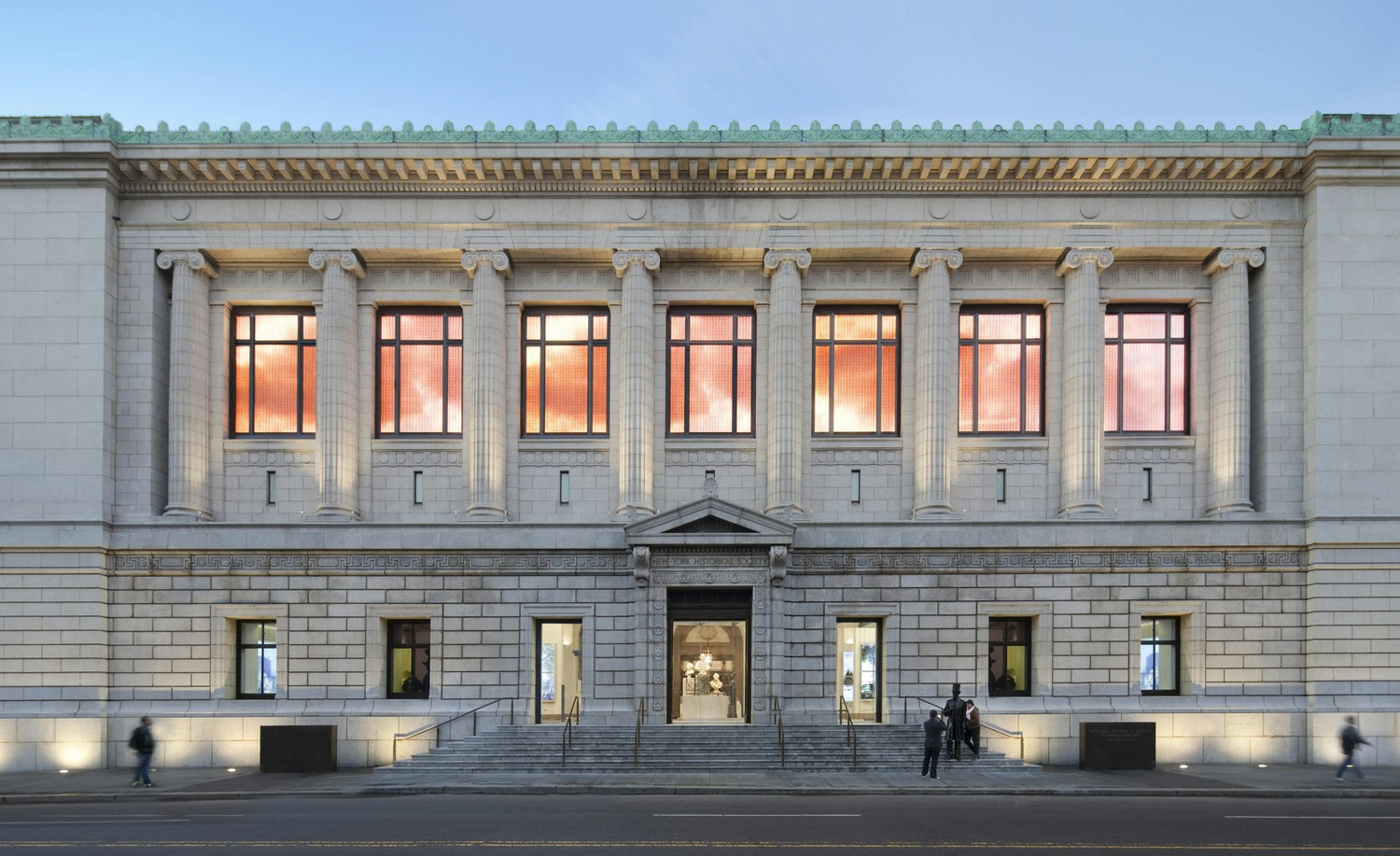
The New York Historical Society stands not merely as a repository of artifacts, but as a vibrant, breathing chronicle of New York City and the nation itself. Founded in 1804—predating even the Metropolitan Museum of Art by nearly seven decades—this institution began as a humble gathering of scholars dedicated to preserving the burgeoning history of a young America. Today, it’s an imposing landmark on Manhattan's Upper West Side, its granite facade designed in a classic Roman Eclectic style by York & Sawyer, exuding permanence and grandeur. Recent renovations have broadened accessibility, welcoming new generations into halls that whisper tales of revolution, innovation, and the everyday lives that shaped a nation. Stepping inside is akin to entering a meticulously curated time capsule, where each object holds a story waiting to be rediscovered.
-
Architectural Legacy:
Constructed in 1908, the building’s design embodies Beaux-Arts principles—a testament to New York's ambition during the Gilded Age. Its soaring granite walls and symmetrical proportions convey an aura of authority and intellectual prestige.
-
A Founding Vision:
Established by John Pintard and fueled by a desire to champion American culture, the Society quickly became a focal point for artistic discourse and historical scholarship.
Landscapes of the American Soul & The Allure of Gilded Light
Perhaps most renowned for its breathtaking collection of Hudson River School paintings, the New York Historical Society offers an immersive journey into 19th-century America’s profound relationship with nature. Masterpieces by Thomas Cole, Frederic Edwin Church, and their contemporaries capture not merely scenic vistas but a spiritual yearning for the sublime within the American landscape. These canvases aren't simply depictions of mountains and rivers; they are expressions of national identity, reflecting a burgeoning sense of Manifest Destiny and an awe-inspiring reverence for the untamed wilderness. Beyond these iconic landscapes, the museum’s holdings in American art extend to compelling genre scenes and insightful portraits by artists like Rembrandt Peale and Gilbert Stuart. These works offer intimate glimpses into societal values, individual character, and the evolving portraiture styles that defined each era. The Society’s collection includes over 1.6 million artworks spanning centuries of artistic innovation.
-
Hudson River School Icons:
Admire monumental canvases like “The Oxbow” by Cole and “Mount Marcy” by Church—works that exemplify the Hudson River School's masterful technique and profound philosophical underpinning.
-
Genre Scenes & Portraits:
Explore captivating depictions of daily life in America alongside portraits capturing the essence of prominent figures, showcasing artistic versatility and stylistic evolution.
Beyond Canvas & Stone: Stories Etched in Artifacts
The New York Historical distinguishes itself through its ability to connect abstract historical narratives with tangible, deeply personal artifacts. It’s one thing to read about George Washington's struggles during the Revolutionary War; it’s quite another to stand before his actual camp bed from Valley Forge, a silent witness to hardship and resilience. Similarly, the desk upon which Clement Clarke Moore penned “A Visit from Saint Nicholas”—better known as ‘Twas the Night Before Christmas—breathes life into a beloved holiday tradition. These objects aren't merely relics of the past; they are conduits to empathy, allowing visitors to forge a visceral connection with those who came before. The Society’s holdings encompass an extraordinary collection of John James Audubon’s preparatory watercolors for *The Birds of America*, offering a rare and intimate glimpse into the artist’s meticulous process and his passionate celebration of North American avian life. Each feather is rendered with such precision, such devotion, that one feels transported to the very forests and marshes Audubon so lovingly documented.
-
Valley Forge Bed:
Examine George Washington’s camp bed—a poignant reminder of the sacrifices endured during the Revolutionary War and a symbol of American perseverance.
-
Saint Nicholas Desk:
Contemplate Clement Clarke Moore's desk—the birthplace of “Twas the Night Before Christmas,” encapsulating the spirit of festive tradition and literary creativity.
-
Audubon Watercolor Studies:
Marvel at Audubon’s preparatory watercolors—a testament to artistic dedication and scientific observation, revealing the artist’s meticulous process in documenting North American birds.
Confronting Complexities & Shaping Contemporary Dialogue
What truly sets the New York Historical apart is its willingness to grapple with challenging and often uncomfortable truths. The groundbreaking two-year exhibition, “Slavery in New York,” for example, confronted a previously underrepresented aspect of the state’s history, sparking crucial conversations about race, justice, and the enduring legacy of slavery. This commitment to social history extends to explorations of immigration patterns, labor movements, and urban development—themes that resonate deeply with contemporary issues. The museum doesn't shy away from complexity; instead, it embraces nuance, fostering a space for critical thinking and informed dialogue. By connecting historical events with present-day concerns, the New York Historical transcends its role as a passive archive and becomes an active participant in shaping our understanding of the world around us. It’s a place where the past isn't simply preserved; it’s interrogated, reinterpreted, and ultimately, used to illuminate the path forward—a beacon of historical consciousness in a rapidly changing world.
-
“Slavery in New York” Exhibit:
Reflect on the exhibition’s courageous exploration of slavery's impact on New York City—a pivotal moment in American history that continues to inspire discussions about social justice and equality.
-
Ongoing Research Initiatives:
The Society actively pursues scholarly research into diverse historical subjects, furthering knowledge and promoting engagement with complex narratives.
### Additional Resources
Website:
https://www.nyhistory.org/
Address:
170 Central Park West, New York, NY 10024
Phone:
(212) 873-7890