A Symphony of Baroque Grandeur and Rococo Delight
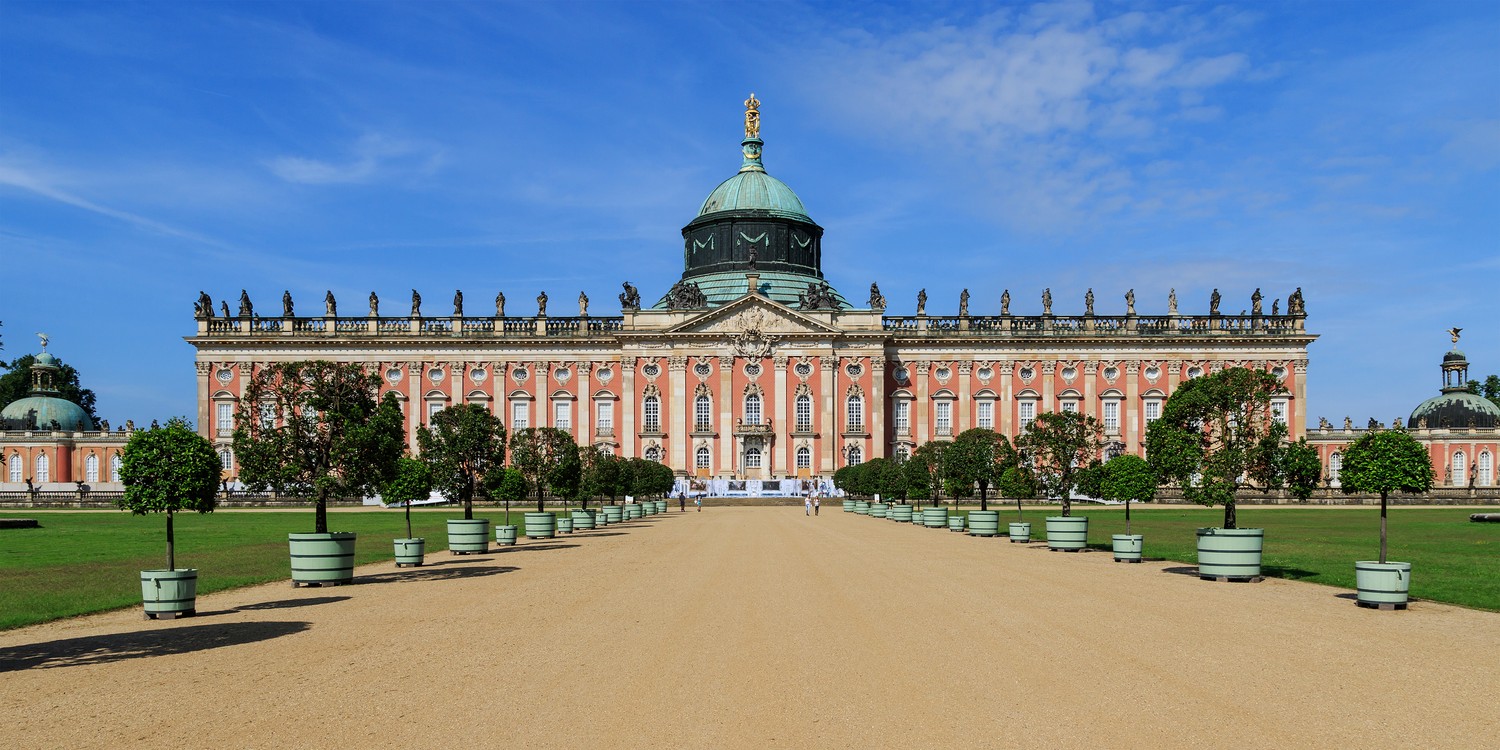
The Neues Palais stands as a breathtaking beacon of Prussian artistic ambition, representing a final, magnificent flourish of Baroque elegance before the European aesthetic shifted toward the lighter, more whimsical sensibilities of the Rococo. Situated within the UNESCO World Heritage site of Sanssouci Park in Potsdam, this palace is far more than a mere architectural monument; it is an immersive journey into the opulent reign of Frederick II, known to history as Frederick the Great. Commissioned in 1763 following the conclusion of the Seven Years' War, the structure was conceived as a deliberate statement of power and resurgence. Its massive scale and imposing symmetry, designed by Johann Gottfried Büring, were intended to command respect on the international stage, signaling that Prussia had emerged from conflict not only intact but revitalized with unparalleled cultural wealth.
Stepping through its monumental gates, one experiences a profound transformation from the formidable exterior to an interior wonderland of delicate ornamentation. While the architecture retains the grand formalism of the Baroque, the heart of the palace beats with the rhythmic grace of the Rococo. Elaborate stucco work cascades across ceilings like frozen lace, adorned with gilded cherubs and intricate floral motifs that create an ethereal, celestial atmosphere. The high tambour dome dominates the skyline, acting as a vertical bridge between the earthly splendor of the court and the Enlightenment ideals of astronomical discovery and reason that Frederick II so deeply cherished. For the interior designer or lover of classical aesthetics, the palace offers a masterclass in how monumental scale can coexist with intimate, breathtaking detail.
Treasures of the Prussian Court
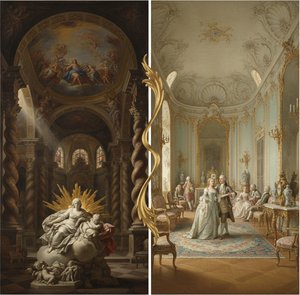
The collection housed within these walls serves as a curated window into the sophisticated tastes and intellectual aspirations of the 18th-century Prussian court. The galleries are home to masterpieces that exemplify the era's preoccupation with morality, grace, and the human form. Among the most celebrated highlights is William Hogarth’s “Moses Brought to Pharaoh’s Daughter,” a poignant work that utilizes moral allegory to underscore the virtues of piety—a theme central to the Enlightenment thought of the period. In stark contrast to such gravity, one finds the luminous charm of Antoine Pesne’s “The Dancer Barbara Campanini.” This oil on canvas captures the fluid grace and theatrical beauty of the Rococo era, showcasing a level of technical mastery in light and movement that continues to captivate modern collectors.
Beyond the canvases, the palace is an ensemble of exquisite craftsmanship. The rooms are furnished with ornate giltwood chairs and tables featuring intricate carvings that reflect the unparalleled skill of contemporary artisans. Every corner of the Neues Palais tells a story of luxury and prestige, where the fine arts and decorative arts merge into a single, cohesive experience of royal splendor. This seamless integration of painting, sculpture, and furniture makes the palace a unique destination for those seeking inspiration in the historical roots of European luxury and the enduring power of aesthetic harmony.
A Legacy of Transformation and Resilience
The history of the Neues Palais is one of continuous evolution, reflecting the changing tides of German identity and technological progress. While its foundations are rooted in the 18th century, subsequent monarchs sought to adapt the space to the needs of a modernizing era. Kaiser Wilhelm II, for instance, introduced modern conveniences such as electric lighting and even installed elevators, demonstrating a bold desire to marry Prussian tradition with the comforts of the new age. This layer of modernization adds a fascinating dimension to the palace, revealing it not as a static relic of the past, but as a living monument that has breathed alongside the progress of civilization.
Today, through the meticulous preservation efforts of the Stiftung Preußische Schlösser und Gärten Berlin-Brandenburg, the Neues Palais remains a pristine sanctuary of history. It stands as a testament to Frederick II’s vision of Sanssouci Park as a bastion of reason and artistic excellence. For the contemporary visitor, exploring these halls offers more than just a lesson in art history; it provides a profound connection to an era where architecture, politics, and art were inextricably linked in a grand pursuit of cultural immortality.