
A Window into Western Masterpieces: The National Museum of Western Art
Nestled within the serene expanse of Ueno Park in Tokyo, the National Museum of Western Art (NMWA) stands as a singular jewel—a testament to Japan’s evolving engagement with European art and a stunning architectural achievement. Established in 1959, largely through the visionary collection of Kōjirō Matsukata, the museum wasn't simply conceived as a repository for artworks; it was envisioned as a living embodiment of his belief that Western art should be accessible to all, fostering a deeper understanding of its cultural and historical significance. Today, the NMWA offers an immersive journey through centuries of artistic expression, from the Renaissance’s opulent grandeur to the vibrant experimentation of the early 20th century – a remarkable feat considering Japan's relatively late entry into the Western art world.
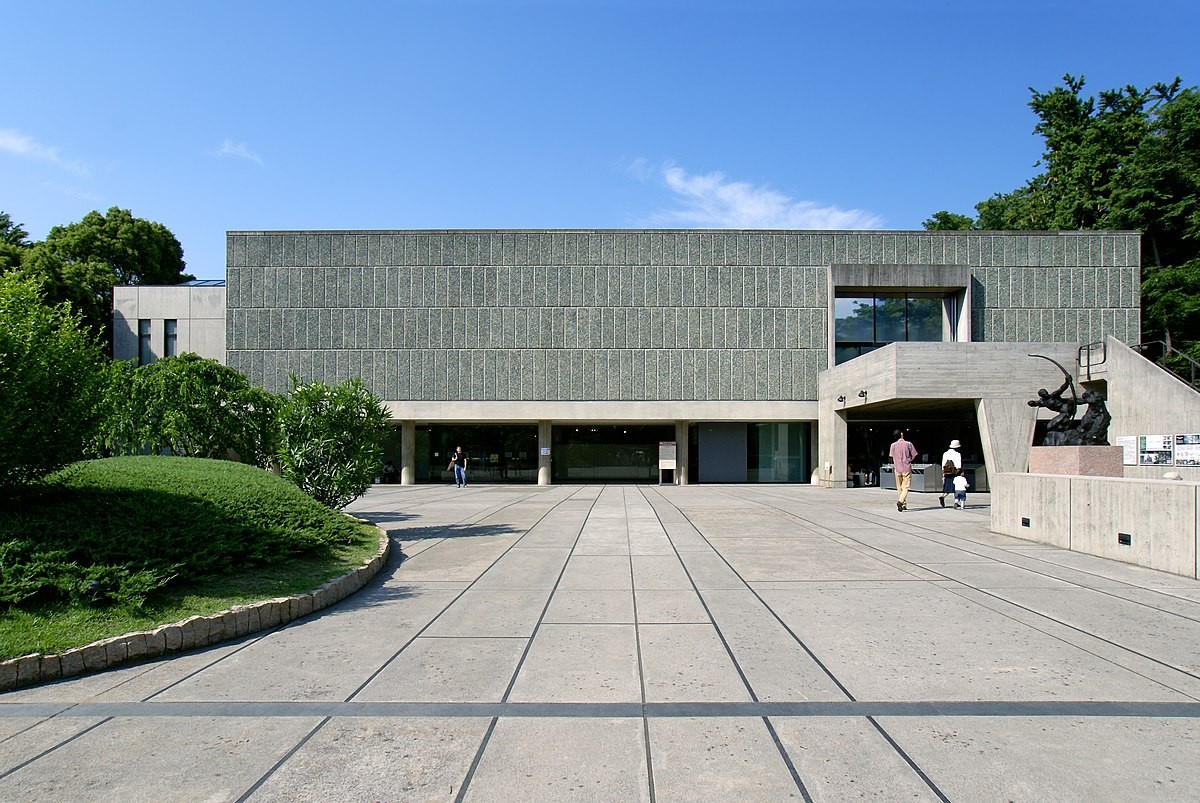
The museum’s very structure is a captivating prologue. Designed by the legendary Swiss-French architect Le Corbusier, it’s an arresting example of modernist design, a bold statement against the traditional Japanese aesthetic. The building itself—a soaring, concrete masterpiece with its distinctive cantilevered roof and expansive windows—is considered one of Le Corbusier's few works in Asia. Its unconventional form immediately draws the eye, symbolizing a deliberate departure from established norms and reflecting the museum’s commitment to showcasing art that transcends geographical boundaries. The building’s design isn’t merely decorative; it’s integral to the experience, creating an atmosphere of spaciousness and light that perfectly complements the artworks within.
A Collection Shaped by Vision
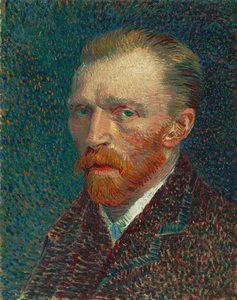
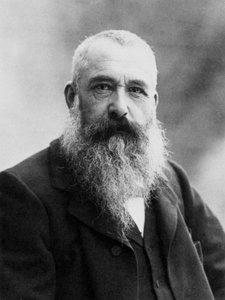
The NMWA's collection is a carefully curated narrative, built upon Matsukata’s initial focus on Impressionism and subsequently expanded through strategic acquisitions. The museum boasts approximately 6,000 works, representing a rich tapestry of European art from the 14th to early 20th centuries. Highlights include an impressive array of Renaissance masterpieces – Veronese's dramatic compositions, Rubens’ dynamic energy, and Brueghel’s captivating landscapes—offering a glimpse into the religious fervor and humanist ideals of that era. The museum’s collection also shines with French masters like Delacroix, Courbet, and Monet, whose revolutionary techniques and subject matter profoundly influenced subsequent generations of artists. Notably, the NMWA holds one of the most significant collections of Van Gogh's works outside of the Netherlands, including the iconic “Sunflowers,” a testament to the artist’s enduring appeal.
Moments in Time: Notable Exhibitions and Artistic Dialogue
Beyond its permanent collection, the NMWA is renowned for its dynamic exhibition program. Throughout the year, the museum hosts special exhibitions that often bring together works from prestigious international institutions, fostering a global dialogue between artists and audiences. In 1963, the NMWA captivated the art world with an unprecedented retrospective of Marc Chagall’s oeuvre, uniting pieces from fifteen countries—a bold undertaking that cemented the museum's reputation as a leading center for Western art. More recently, in January 2019, the museum welcomed over sixty paintings from the National Gallery, London, including Vincent van Gogh’s “Sunflowers,” marking a significant moment in Japanese art history and offering visitors an unparalleled opportunity to experience these masterpieces firsthand. These exhibitions aren't merely displays; they are carefully constructed narratives designed to illuminate artistic movements, explore thematic connections, and spark critical engagement.
Beyond the Brushstrokes: Architecture and Legacy
The NMWA’s significance extends beyond its collection and exhibitions. As one of the 20th-century architectural landmarks recognized by UNESCO as part of Le Corbusier's Architectural Work, the museum stands as a symbol of Japan’s post-war reconstruction and its embrace of international cultural exchange. The building itself is a work of art—a testament to Le Corbusier’s innovative approach to design and his belief in the power of architecture to shape human experience. The NMWA continues to evolve, adapting to contemporary needs while remaining true to its founding principles: to promote understanding, appreciation, and critical engagement with Western art for generations to come. It remains a vital institution, not just for art lovers but also as a bridge between cultures and a beacon of artistic innovation.