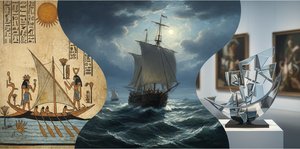
A Beacon of Maritime Heritage: Exploring South Korea’s National Maritime Museum
The National Maritime Museum of Korea stands as a testament to Korea’s enduring connection with the sea—a relationship woven through millennia of history, innovation, and cultural exchange. Located in Busan, a vibrant port city brimming with modern dynamism yet rooted in ancient traditions, this institution isn't merely a repository of artifacts; it’s an immersive journey into the soul of Korean naval prowess and artistic expression. Inaugurated in 2012, its sleek architectural design—echoing the fluidity of ocean currents—serves as a striking counterpoint to the profound narratives housed within its walls.
-
Collection Highlights:
The museum’s centerpiece is undoubtedly the half-sized replica of a Joseon Missional Ship – a breathtaking feat of shipbuilding that transports visitors back to an era when Korea actively pursued diplomatic relations with East Asian nations. Examining the intricate details of its construction reveals not only the ingenuity of Joseon artisans but also the logistical challenges inherent in traversing vast oceanic distances. Beyond this iconic vessel, the museum boasts an impressive array of treasures: ancient navigational instruments like globes and celestial globes demonstrate Korea’s early grasp of astronomy; meticulously crafted maps such as the Hamgyeong-do Coastal Map illuminate the strategic importance of coastal regions for trade and defense; and a captivating selection of ceramics and textiles reflecting maritime influences across Korean history.
-
Architectural Reflection:
The museum's design is deliberately conceived to mirror the sea’s dynamism, utilizing expansive exhibition halls bathed in natural light—a deliberate choice that elevates the experience beyond mere observation, fostering a sense of wonder as visitors traverse its thoughtfully curated spaces. This architectural aesthetic underscores the museum’s commitment to presenting history with respect and immediacy.
-
Historical Context:
Busan's maritime heritage stretches back centuries, shaped by nomadic tribes who navigated Korean waters and established trade routes. The Johaengilrok—historical records documenting Joseon expeditions—provide invaluable insight into Korea’s seafaring ambitions and its engagement with global cultures. These documents illuminate the motivations behind exploration, diplomacy, and the pursuit of knowledge beyond Korea's borders.
-
Interactive Engagement:
Recognizing that learning thrives on active participation, the museum eschews static displays in favor of interactive exhibits—allowing visitors to engage directly with maritime stories through multimedia presentations and hands-on activities. These initiatives cater to audiences of all ages, fostering a deeper appreciation for Korean maritime history and its lasting impact on artistic traditions.
-
International Collaboration:
The National Maritime Museum plays a pivotal role in fostering global dialogue concerning maritime research—collaborating with institutions worldwide to advance understanding of oceanic environments and human interactions with the sea. This commitment extends beyond showcasing Korea’s past; it seeks to contextualize it within a broader narrative of cultural exchange and scientific discovery.
A visit to Busan's National Maritime Museum is more than just sightseeing—it’s an invitation to delve into Korea’s maritime legacy, a voyage that resonates with the timeless beauty and enduring mystery of the ocean itself. Its location in this thriving coastal metropolis ensures accessibility and ease of travel for enthusiasts from around the globe. For those captivated by art and design seeking inspiration for interior spaces incorporating nautical themes—a subtle nod to Busan's rich maritime heritage—this museum offers a singular opportunity to connect with Korea’s artistic past and envision its future alongside the sea.