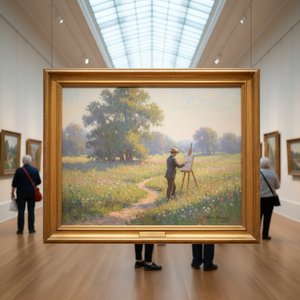
Ancient Echoes: Boats as Vessels of Myth and Ritual
Marine art or maritime art is a form of figurative art (that is, painting, drawing, printmaking and sculpture) that portrays or draws its main inspiration from the sea. Maritime painting is a genre that depicts ships and the sea—a genre particularly...
From the earliest cave paintings depicting reed boats on the waters of Azerbaijan’s Gobustan Petroglyph Reserve – dating back 12,000 BCE – to the elaborate barques carrying deities in ancient Egyptian art, the boat has held a profound symbolic weight. These weren't merely modes of transport; they were conduits between worlds, vehicles for spiritual journeys and representations of life’s precarious passage. The Nile riverboats of Egypt, often constructed from costly cedar wood reserved for pharaohs, embodied power and divine connection. Even in Greek mythology, vessels like Jason’s Argo represented heroic quests and the overcoming of formidable obstacles. These early depictions, though rudimentary in artistic execution by modern standards, establish a foundational link between humanity, water, and the symbolic potential of the boat itself – a theme that would resonate through millennia of art.
The Roman mosaics, often showcasing views across calm waters, hint at an emerging appreciation for landscape but still primarily used boats as elements within broader narratives. It wasn’t until later periods, however, that the boat truly began to emerge as a subject worthy of dedicated artistic exploration, moving beyond its purely functional or allegorical role.
The Dutch Golden Age: Mastery of Maritime Realism
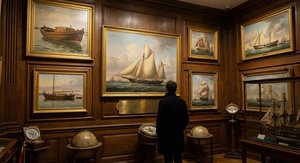 Navigating Symbolism & Style: A Comprehensive Exploration of Boats in Art History
Explore the rich history of boats in art! From ancient symbolism to Impressionist masterpieces & modern visions, discover renowned artists & collecting tips at OriginalUniqueArt.
The 17th-century Dutch Republic witnessed an unprecedented flourishing of maritime painting. This wasn’t accidental; the Netherlands was a burgeoning naval power and a global trading hub, and art reflected this reality. Artists like Isaac Willaerts captured the bustling energy of coastal landscapes, depicting ships laden with goods and scenes of everyday life on the water. What distinguished Dutch marine painting was its commitment to realism – a meticulous attention to detail in portraying vessels, waves, and atmospheric conditions. This wasn’t simply about accurate representation; it was about celebrating national pride, economic prosperity, and the sheer skill required to navigate the treacherous seas.
The genre evolved into specialized “ship portraits,” capturing individual vessels with remarkable precision. These paintings weren't just records of ships but also symbols of wealth, status, and adventure. The textured impasto technique, used to convey the play of light on water and the solidity of hulls, became a hallmark of the period, lending a tangible quality to these scenes.
Impressionism & Beyond: Capturing Light, Movement, and Emotion at Sea
 Fishing Boats (study)
Admire 'Fishing Boats (study)' by Claude Monet! This Post-Impressionist masterpiece captures a bustling harbor scene with thick brushstrokes & vibrant colors. Explore Monet's legacy!
The 19th century brought a radical shift in artistic perspective with the rise of Impressionism. Artists like Claude Monet moved away from meticulous detail towards capturing the fleeting effects of light and atmosphere. His “Fishing Boats (study)” exemplifies this approach – thick brushstrokes and vibrant colors evoke the bustling energy of a harbor scene, prioritizing sensation over precise representation. The sea became less about accurate depiction and more about conveying an emotional experience.
Arthur Bowen Davies’ “Boats at Night” further illustrates this shift, employing hazy pastels to capture maritime tranquility and the ethereal quality of light reflecting on water. This exploration of Symbolism within early American Modern Art demonstrates a move towards subjective interpretation and the evocative power of color and form. The Impressionists weren't simply painting what they *saw*; they were painting how it *felt* to be in their presence.
Victorian Visions: Sentimentality and the Pastoral Ideal in Boat Paintings
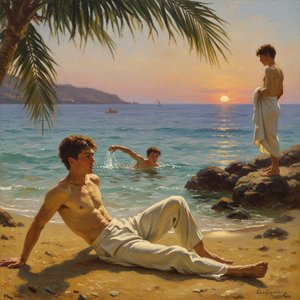 Henry Scott Tuke: Sunlit Masculinity & the Pastoral Ideal in Victorian Painting
Explore the captivating world of Henry Scott Tuke's paintings – a master of British Impressionism renowned for his intimate depictions of youth and sunlit maritime scenes. Discover his legacy & aesthetic influence.
Henry Scott Tuke, a master of British Impressionism, captured a different facet of maritime life during the Victorian era. His paintings often depicted young men bathing or sailing – intimate scenes imbued with a sense of sunlit masculinity and pastoral idealism. Tuke’s work wasn't about grand naval battles or dramatic storms; it was about capturing moments of quiet beauty and youthful innocence. These depictions, while seemingly idyllic, also reflect the social conventions and artistic sensibilities of the time.
The Victorian fascination with morality and idealized representations often softened the harsh realities of life at sea, focusing instead on romanticized notions of leisure and tranquility. Artists like Maurice Randall continued to depict ships and coastal scenes, reflecting a significant art movement focused on realism but also imbued with a sense of nostalgia.
Modern Interpretations: Boats as Symbols of Isolation and Transformation
The 20th century saw artists increasingly use boats as symbols of isolation, alienation, and the human condition. While not directly represented in our featured collection, this shift is important to acknowledge. Alfred Wallis’ “Ship, People & Animals,” with its expressive Post-Impressionism and folk art aesthetic, hints at a more introspective approach. The textured impasto and symbolic depth of his work suggest a deeper emotional resonance beyond simple representation.
Boats became metaphors for journeys – both physical and psychological – representing the challenges and uncertainties of life. The vessel itself could embody vulnerability, resilience, or the search for meaning in an increasingly complex world. This evolution reflects a broader artistic trend towards abstraction and subjective expression.
Collecting Maritime Art: A Guide for Enthusiasts
For those drawn to the captivating allure of maritime art, building a collection can be a deeply rewarding experience. Consider your personal preferences – are you drawn to the realism of the Dutch Masters, the Impressionistic light of Monet and Davies, or the Victorian sentimentality of Tuke? Understanding the historical context and artistic techniques is crucial.
- Provenance: Research the history of a painting before purchasing – knowing its origins adds value and authenticity.
- Condition: Assess the condition carefully, looking for signs of restoration or damage.
- Artist Style: Focus on artists whose style resonates with you, creating a cohesive collection.
- Reputable Sources: Purchase from established galleries and auction houses to ensure authenticity.
At OriginalUniqueArt.com, we offer museum-quality reproductions of iconic boat paintings, allowing you to bring the beauty and history of maritime art into your home. Whether you’re seeking a classic masterpiece or a custom reproduction of a cherished photograph, our skilled artists and personalized service ensure a truly unique experience. Explore our extensive collection today and embark on your own artistic journey.