The Ancient Mariner: Early Depictions of Boats & Their Symbolic Weight
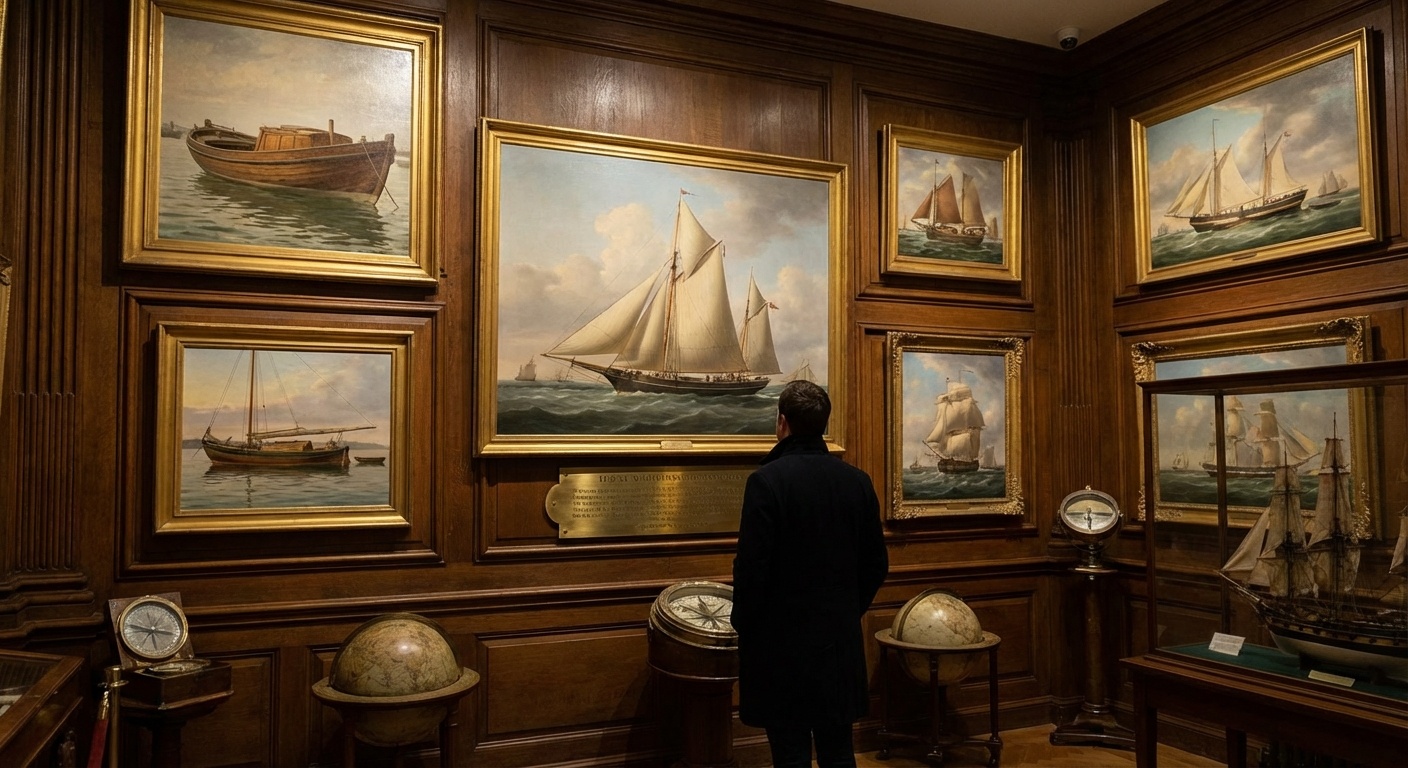
Marine art or maritime art is a form of figurative art (that is, painting, drawing, printmaking and sculpture) that portrays or draws its main inspiration from the sea. Maritime painting is a genre that depicts ships and the sea—a genre particularly...
From the earliest cave paintings to the grand frescoes of ancient Egypt, the boat has held a profound symbolic resonance for humankind. More than mere vessels for transport, these early depictions reveal a deep connection between humanity and the sea – a source of both sustenance and peril, mystery and opportunity. The petroglyphs discovered in the Gobustan Petroglyph Reserve in Azerbaijan, dating back 12,000 BCE, offer tantalizing glimpses into the lives of those who first navigated waterways, their reed boats representing not just a means of survival but also a nascent understanding of control over the natural world. Egyptian art further elaborates this relationship; the elaborate funerary barges accompanying pharaohs to the afterlife weren’t simply representations of power, but embodiments of the journey itself – a passage into eternity. These early images, though rudimentary in form, establish a foundational narrative: the boat as a conduit between worlds, a symbol of transition and exploration.
Dutch Masters & Maritime Power: The Golden Age of Ship Painting
 isaac willaerts
Discover Isaac Willaerts' stunning coastal landscapes & biblical scenes! Explore the Dutch Golden Age painter’s masterful works depicting maritime life & religious themes.
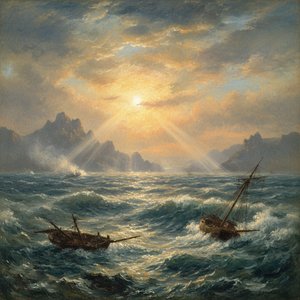
The 17th-century Dutch Republic witnessed an unprecedented flourishing of maritime art, inextricably linked to its burgeoning naval power and global trade. This wasn’t merely decorative painting; it was a visual celebration of national identity and economic prosperity. Artists like Isaac Willaerts pioneered the genre, meticulously documenting the bustling harbors, powerful warships, and dramatic coastal scenes that defined Dutch life. Unlike earlier depictions often focused on mythological narratives, these paintings embraced realism – capturing the precise details of rigging, hull construction, and the ever-changing moods of the sea. The textured impasto technique employed by many artists brought a palpable sense of movement to the canvases, conveying the energy and dynamism of maritime commerce. Ships became symbols of wealth, ambition, and national pride, their presence dominating the artistic landscape.
Impressionism's Embrace of the Sea: Capturing Light and Atmosphere
 Fishing Boats (study)
Admire 'Fishing Boats (study)' by Claude Monet! This Post-Impressionist masterpiece captures a bustling harbor scene with thick brushstrokes & vibrant colors. Explore Monet's legacy!
The 19th century saw a radical shift in how artists approached the depiction of water. The Impressionists, rejecting the rigid conventions of academic painting, turned to the sea as a source of endless fascination. Claude Monet, perhaps more than any other artist, epitomized this new approach. His “Fishing Boats (study)” exemplifies the movement’s focus on capturing fleeting moments and the ephemeral effects of light. Thick brushstrokes, vibrant colors, and an emphasis on atmosphere replaced precise detail, creating paintings that prioritized sensation over representation. Arthur Bowen Davies' "Boats at Night" further illustrates this shift – a hazy pastel drawing evoking tranquility and the subtle interplay of light on water. The Impressionists weren’t simply painting boats; they were capturing the *experience* of being by the sea, the shifting colors, the play of shadows, and the overall mood of a particular moment in time.
Beyond Realism: Symbolism and Narrative in 19th-Century Marine Art
 Ship, People and Animals
Explore Alfred Wallis’ ‘Ship, People & Animals’! A monochrome oil painting showcasing expressive Post-Impressionism & folk art. Discover its textured impasto & symbolic depth.
While Impressionism focused on visual sensation, other artists continued to imbue maritime scenes with deeper symbolic meaning. Alfred Wallis’s “Ship, People & Animals,” though seemingly naive in style, reveals a profound connection between the sea, community, and personal experience. His expressive post-Impressionist approach, characterized by textured surfaces and simplified forms, invites contemplation of the lives intertwined with the ocean. The late 19th century also saw artists exploring themes of isolation, adventure, and the power of nature through their depictions of boats. These works often served as metaphors for the human condition – journeys of self-discovery, struggles against adversity, and the enduring allure of the unknown.
Modern Visions of Vessels: From Randall to Davies and Beyond
 maurice randall
Explore Maurice Randall's maritime paintings & seascapes! Capturing ships & coastal scenes from the early 20th century, reflecting a significant art movement.
The early 20th century witnessed a continuation of these themes, albeit with a distinctly modern sensibility. Maurice Randall’s maritime paintings captured the essence of coastal life, reflecting a significant art movement that sought to portray the beauty and tranquility of the sea. His work often focused on the interplay between light and shadow, creating evocative scenes that resonated with a sense of nostalgia and longing. Davies continued to explore the symbolic potential of boats, moving beyond Impressionistic representations towards more abstract forms. These artists, while building upon established traditions, pushed the boundaries of marine art, experimenting with new techniques and perspectives.
Collecting Maritime Art: A Guide for Enthusiasts
For those drawn to the captivating world of maritime art, building a collection can be an immensely rewarding experience. Consider your personal interests – are you captivated by the realism of Dutch Masters, the atmospheric effects of Impressionism, or the symbolic depth of later works? Understanding the historical context and artistic techniques employed is crucial. Provenance, or the documented history of ownership, adds value and authenticity to a piece. Condition is also paramount; assess the painting for any signs of damage or restoration. Whether you seek grand oil paintings or smaller watercolors, exploring galleries, auctions, and online resources like OriginalUniqueArt offers a wealth of opportunities to discover your own treasures. The enduring appeal of maritime art lies in its ability to transport us to another time and place – a testament to the timeless connection between humanity and the sea.