A Bastion of Polish Spirit
In the heart of Warsaw, where the pulse of modern life meets the echoes of a resilient past, stands the Muzeum Narodowe . More than just a repository for relics, this institution serves as a living testament to Poland’s enduring cultural identity. The building itself, a modernist masterpiece designed by Tadeusz Tolwiński and inaugurated in 1938, commands attention on Jerusalem Avenue. Its architecture reflects a sense of permanence and strength, standing as a silent witness to the wartime devastation and the subsequent meticulous reconstruction that mirrors the very spirit of the Polish people.
To step through its doors is to embark on a journey across millennia. The museum’s collection is an astonishing panorama of human creativity, beginning with the profound whispers of antiquity. In the Ancient Art Galleries, visitors encounter approximately 11,000 pieces from Egyptian, Greek, and Roman civilizations. Here, the heavy presence of stone statues depicting pharaohs and gods creates a sacred atmosphere, while vibrant frescoes offer a window into the mythological narratives that once governed the ancient world. A particularly breathtaking highlight is the Faras Gallery, which houses Europe’s largest collection of Nubian Christian art. The delicate murals and exquisite Byzantine-era icons found here provide an intimate glimpse into a lost era of faith and artistic innovation, bridging the gap between distant African traditions and European spiritual history.
Masterpieces of National and Global Heritage
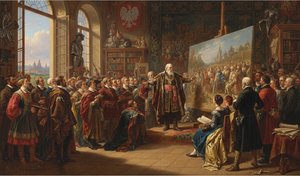
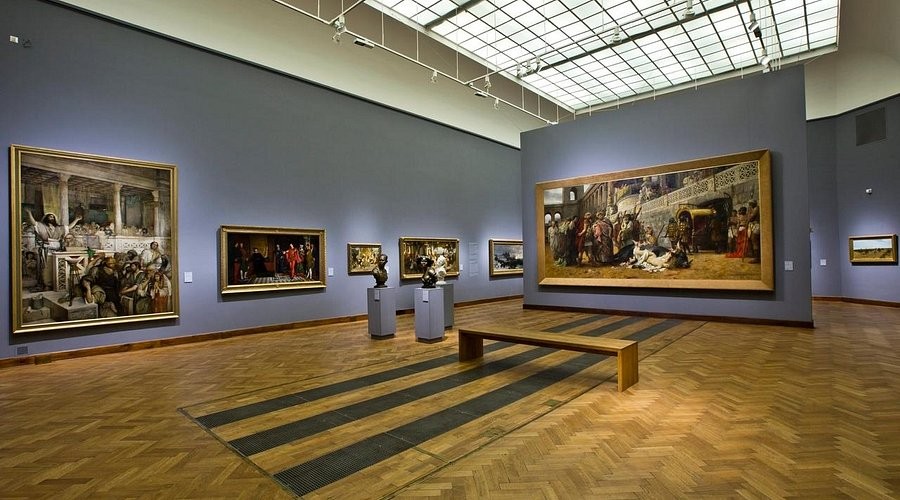
The soul of the museum resides within its expansive galleries of Polish painting, where the canvas becomes a stage for national drama. The collection spans from the 16th century to the contemporary era, showcasing a stylistic evolution that mirrors Poland's turbulent political landscape. One cannot wander these halls without being arrested by the monumental works of Jan Matejko. His masterpiece, Stanczyk , serves as a profound psychological study of royal melancholy and historical foresight, capturing the weight of destiny within the Polish monarchy. This grandeur is balanced by the evocative landscapes and genre scenes of artists like Józef Chełmoński and Aleksander Dobelli, whose works capture the light, texture, and raw emotion of the Polish countryside.
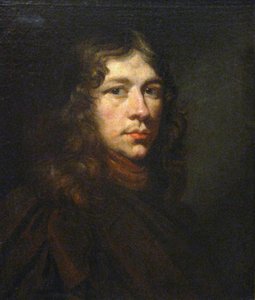
Beyond the borders of Poland, the museum offers a sophisticated dialogue with the wider European tradition. The collection is enriched by an impressive assemblage of foreign masters, including:
- The chiaroscuro mastery of Rembrandt
- The fleshy vitality of Rubens
- The serene landscapes of Claude Lorrain
- Works ranging from Botticelli to Picasso
This international dimension is further complicated and enriched by history itself; the museum holds canvases that were once part of Adolf Hitler’s private collection, works that were returned to Poland following the Second World War as a symbol of reclaimed sovereignty. This intersection of global art history and local tragedy makes the Muzeum Narodowe a unique site of intellectual and emotional reflection.
A Living Institution of Contemporary Expression
Today, the museum continues to push the boundaries of the traditional gallery experience. It is an institution that refuses to remain static, frequently hosting groundbreaking exhibitions that challenge conventional perspectives—ranging from the exploration of contemporary social issues to the celebrated 2010 showcase of homoerotic art. Whether one is drawn by the tactile beauty of decorative arts, the precision of photography, or the bold experimentation of modern sculpture, the museum offers an immersive encounter with the sublime.
For the collector or designer, these works offer a profound sense of narrative depth and classical elegance. The institution also extends its reach through various branches, including the Poster Museum at Wilanów and the Xawery Dunikowski Museum of Sculpture at the Królikarnia Palace. It remains a vital destination for those seeking not just to view art, but to experience the profound continuity of human expression.