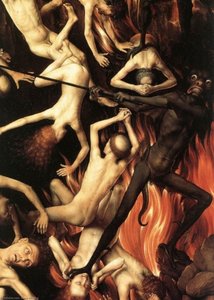
Discover Hans Memling’s stunning Early Netherlandish paintings in Bruges! Explore religious scenes & portraits at the Memling Museum, a Flemish Primitive masterpiece.
A Bastion of Polish Identity: The National Museum in Gdańsk
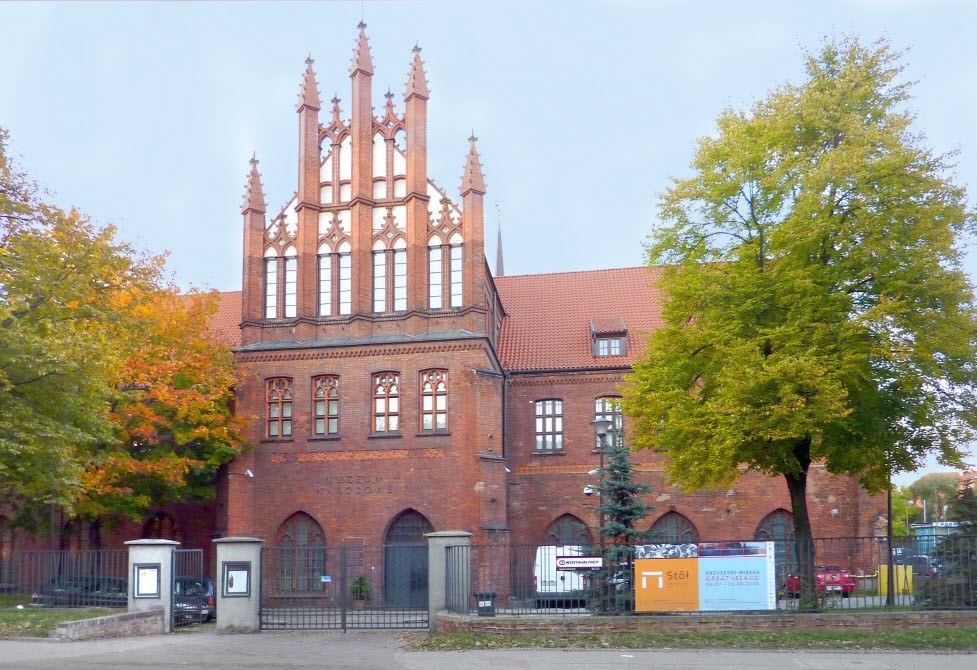
The National Museum in Gdańsk stands as a powerful testament to Poland’s rich artistic heritage, a beacon of cultural preservation nestled within the historic heart of this Hanseatic city. More than just a repository of artworks, it is a living narrative woven through centuries of turbulent history and profound creative expression. Founded in 1972 through the amalgamation of the Museum of Gdańsk History and the Museum of Art, the institution’s roots reach deep into the medieval past, mirroring the very foundations of the city itself. The museum's location—housed within a beautifully restored Franciscan monastery complex—immediately establishes a sense of reverence and connection to the spiritual and artistic traditions that have shaped this region for generations. The architecture alone is captivating; the brick Gothic structures, with their soaring arches and tranquil courtyards, provide an evocative backdrop for the treasures contained within.
From Medieval Masters to Modern Visions
The collection at the National Museum in Gdańsk is remarkably diverse, spanning a vast chronological range and encompassing a multitude of artistic styles. Perhaps most celebrated are its holdings of medieval art, particularly paintings and sculptures from the Hanseatic period. These works offer a fascinating glimpse into the religious devotion and burgeoning mercantile spirit that defined Gdańsk during its golden age. The museum boasts an exceptional collection of works by artists associated with the Brotherhood of Saint Luke, a guild that played a pivotal role in fostering artistic talent within the city. Beyond medieval masterpieces, visitors will encounter significant examples of 17th-century Dutch and Flemish paintings, reflecting Gdańsk’s extensive trade connections and cosmopolitan character. The museum doesn't shy away from later periods either; its collection of Polish modernism is particularly strong, showcasing the innovative spirit of artists who sought to forge a new visual language in the wake of national upheaval.
Highlights include works by Jan Henryk Rosen, known for his evocative cityscapes and portraits,
and paintings that capture the dramatic beauty of the Baltic coastline.
A Symbolism Rooted in Place
The National Museum in Gdańsk is not simply about displaying beautiful objects; it’s about understanding the stories they tell—stories inextricably linked to the history of Poland and the unique identity of its people. The museum actively seeks to contextualize its collection, exploring the social, political, and economic forces that shaped artistic production throughout the centuries.
The symbolism embedded within many of the artworks is particularly compelling.
For example, religious iconography often served as a subtle form of national resistance during periods of foreign occupation, while portraits frequently reflect the aspirations and anxieties of Gdańsk’s powerful merchant families. The museum's curatorial approach emphasizes these layers of meaning, inviting visitors to engage with the art on a deeper intellectual and emotional level.
Notable Exhibitions & Ongoing Dialogue
The National Museum in Gdańsk is committed to dynamic programming that extends beyond its permanent collection. Recent exhibitions have explored themes ranging from the impact of maritime trade on Polish art to the role of women artists in shaping the nation’s cultural landscape. The museum also actively collaborates with other institutions both domestically and internationally, fostering a vibrant exchange of ideas and perspectives.
Temporary exhibits often focus on lesser-known aspects of Polish art history,
Educational programs cater to diverse audiences,
The museum regularly hosts lectures, workshops, and guided tours.
This commitment to accessibility and engagement ensures that the National Museum in Gdańsk remains a vital cultural hub for both local residents and international visitors.
A Unique Perspective on Polish Art
What truly sets the National Museum in Gdańsk apart is its unwavering focus on the art of this specific region—a region that has historically served as a crossroads between East and West, a place where diverse cultures have collided and converged. The museum’s collection offers a unique perspective on Polish art history, one that acknowledges the complexities and contradictions inherent in the nation’s past. It is a space for reflection, dialogue, and ultimately, a deeper appreciation of the enduring power of artistic expression to shape our understanding of ourselves and the world around us. For collectors seeking pieces with historical resonance and emotional depth, or interior designers looking to infuse spaces with authentic Polish character, the National Museum in Gdańsk provides an unparalleled source of inspiration and discovery.
By the OriginalUniqueArt.com Editorial Team
Art Quiz
There is only one correct answer for each question.
Question 1:
Як називається Музей Нардонов?
Question 2:
Де знаходиться Музей Нардонов?
Question 3:
Який стиль архітектури характерний для будівлі Музею Нардонов?
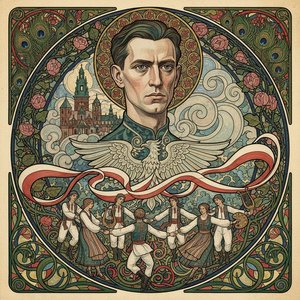
Explore the life & work of Stanisław Wyspiański, a pivotal figure in Polish Symbolism and the Young Poland movement. Discover his iconic paintings, dramas, and stained glass designs reflecting national identity & artistic innovation.
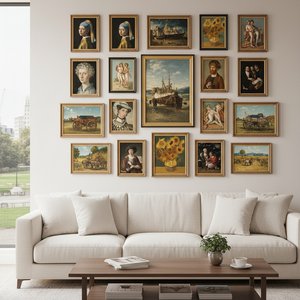
Journey through the National Gallery London's 25 most iconic paintings! Explore Van Gogh, Monet, Rembrandt & more. Discover art history, techniques & find museum-quality reproductions for your home decor on OriginalUniqueArt.com.
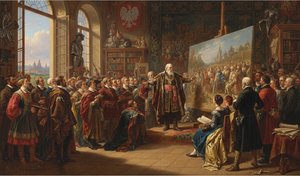
Explore the powerful historical paintings of Jan Matejko, Poland's national artist. Discover his iconic works & learn how he shaped Polish identity in the 19th century. High-quality reproductions available.