A Symphony of Art Nouveau and Artistic Vision
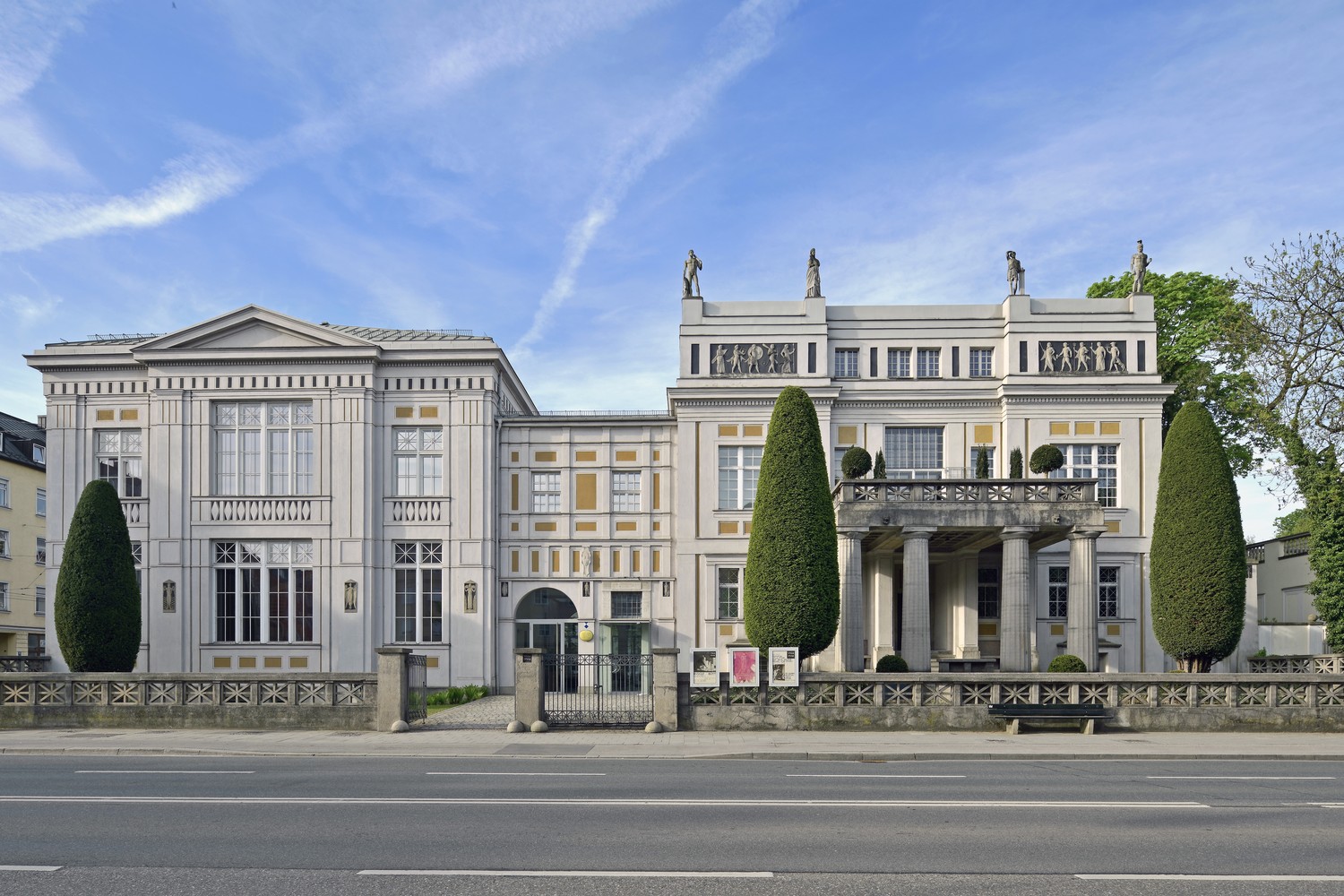
Villa Stuck stands as a singular beacon in Munich’s cultural landscape—a museum dedicated not merely to displaying art, but to embodying it. Established in 1992, this historic house transports visitors back to the opulent era of Franz von Stuck, arguably Germany's most celebrated artist of the Belle Époque. It offers an unparalleled opportunity to immerse oneself in his creative universe and the artistic fervor that defined Munich at the turn of the century. Built in 1898 by architect Wilhelm von Poschmann, the villa exemplifies the profound German concept of Gesamtkunstwerk —a holistic approach to art where architecture, interior design, and decorative arts converge seamlessly to create a unified, breathtaking aesthetic experience.
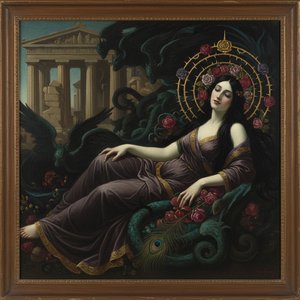
The very façade of the villa presents a striking juxtaposition between classical grandeur and intricate ornamentation, foreshadowing the lavish interiors that await exploration. At its core lies a remarkable collection showcasing Stuck’s prolific output—paintings, sketches, sculptures, and decorative arts—primarily rooted in Art Nouveau and Art Deco styles. These artworks illuminate his artistic evolution, reflecting deep influences from Symbolism and Japonisme, demonstrating a masterful command of color, texture, and composition that continues to captivate modern collectors and designers alike.
The Immersive World of the Master
To step inside Villa Stuck is to enter a realm where the walls themselves breathe with narrative power. The villa’s interior serves as a testament to Stuck's vision for creating an environment that stimulates the senses and conveys profound philosophical ideas. Walls are adorned with vibrant murals depicting mythological scenes and allegorical figures, a deliberate choice intended to elevate the viewer's consciousness. This immersive atmosphere is further enriched by furniture crafted from exotic woods and embellished with shimmering fabrics, mirroring the opulent artistic trends of the period.
The collection offers a deep dive into the psychological intensity of the era. One might find themselves captivated by “Dissonance” by Stuck himself, which embodies the Symbolist preoccupation with emotional depth and internal struggle. The museum also provides a window into the broader movements of the time, featuring works such as “The Seesaw,” a mesmerizing piece that explores evocative imagery through a Symbolist lens, and the dynamic “Dance around the Golden Calf” by Emil Nolde, which showcases a masterful blend of color and form characteristic of the era's expressive spirit.
A Legacy of Intellectual Curiosity
What truly distinguishes Villa Stuck from other institutions is its status as one of the few museums globally devoted entirely to the life and work of a single artist. This courageous undertaking allows for an exhaustive examination of Stuck’s legacy, his influences, and his monumental achievements. Beyond the permanent collection, the museum regularly hosts temporary exhibitions that delve into specific themes, such as recent explorations of connections between Stuck’s oeuvre and contemporary Symbolist painters like Edvard Munch, fostering a vital dialogue across generations.
For the art historian and the casual visitor alike, the museum provides invaluable insight into the intellectual currents shaping European art during the late 19th century. Its educational programs encourage deep contemplation on concepts such as myth, religion, and psychology—elements that were central to Stuck’s artistic philosophy. Villa Stuck remains more than just a museum; it is a living embodiment of artistic ambition and intellectual curiosity, serving as a poignant reminder of a bygone era when art served not merely as decoration, but as a powerful vehicle for the human soul.