
About the Museum of Oriental Art, Turin
Discover a captivating world of Asian art at the Museum of Oriental Art (MOA) in Turin, Italy. This hidden gem offers an extraordinary journey through diverse artistic traditions spanning millennia and continents.
Specializations & Collections
- Broad Scope: The museum boasts a collection of over 2,300 works representing the cultural and artistic heritage of Asia, from Neolithic China to the Islamic world.
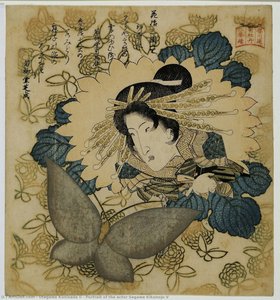
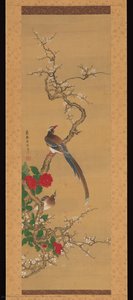
- Key Areas: Specializations include Chinese art (neolithic pottery, ritual bronzes, lacquers, funerary art), Japanese art (statues, paintings, lacquers), Himalayan Buddhist art (Bhutan, Nepal, Tibet), and Islamic art (Turkey, Iran, Iraq, Arabian Peninsula).
- Archaeological Finds: Beyond artworks, the museum houses over 1,400 archaeological finds from excavations in Seleucia and Coche (Iraq), dating back to pre-Islamic periods.
- Collection Highlights: Expect to encounter exquisite ceramics, intricate paintings, stunning sculptures, and textiles reflecting the rich diversity of Asian artistic expression.
History & Establishment
The MOA opened on December 5, 2008, through a merger of the Asian collection previously held at Turin’s City Museum of Ancient Art (Palazzo Madama) and contributions from various foundations and the city itself. Architect Andrea Bruno oversaw the meticulous restoration of Palazzo Mazzonis to create a fitting home for this remarkable collection.
Architecture & Setting
The museum is housed within a beautifully restored 17th-century palazzo, offering an elegant backdrop to its treasures. A unique feature includes two serene Japanese rock gardens located in the courtyard, providing moments of contemplation and tranquility. The building itself blends historical charm with modern exhibition spaces.
What Makes it Unique?
- Comprehensive Asian Representation: Unlike museums focusing on a single region, MOA provides a broad overview of artistic traditions across the entire Asian continent.
- Archaeological Depth: The inclusion of archaeological finds adds another layer to understanding the historical context of the artworks.
- Hidden Gem Status: Often overlooked by mainstream tourist routes, MOA offers a more intimate and immersive experience for art enthusiasts.
- Cultural Bridge: The museum serves as an important cultural bridge between Italy and Asia, fostering appreciation and understanding of diverse artistic heritages.
Whether you are a seasoned art connoisseur or simply curious about Asian cultures, the Museum of Oriental Art in Turin promises a rewarding and unforgettable experience.