

Quick Facts
- Historical periods: 19th century
- Location: Barcelona, Spain
- Art types:
- photo
- wallart
- Movements:
- contemporary realism
- romanticism
- symbolist modernism
- More…
- Works on APS: 63
- Mediums:
- acrylic
- acrylic on canvas
- black and white photography
- manuscript
- photography
- Featured artists:
- Francisco José de Goya y Lucientes
- adrià gual i queralt
- enrique granados campiña
- Santiago Rusiñol
- apel·les mestres i oñós
Art Quiz
There is only one correct answer for each question.
Question 1:
What is the Museu de la Música de Barcelona primarily known for?
Question 2:
The Museu de la Música’s architectural design features:
Question 3:
Who is considered a central figure in Catalonia's musical heritage celebrated at the museum?
Question 4:
What distinguishes the Museu de la Música from other museums regarding visitor engagement?
Question 5:
The Museu de la Música houses instruments representing which musical traditions?
Exhibited Artists

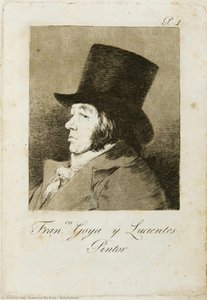
Francisco José de Goya y Lucientes
Francisco Goya (1746-1828): Explore the life & work of Spain's Romantic master. Known for portraits, dark satire & 'Disasters of War'. A pivotal figure in art history.


adrià gual i queralt
Discover Adrià Gual i Queralt (1872-1943), a Catalan Modernist artist & playwright. Explore his symbolist paintings, theatrical designs, and pioneering role in Barcelona's art scene. Founder of the Escola Catalana d'Art Dramàtic.

enrique granados campiña
Enrique Granados (1867-1916) was a leading Spanish composer & pianist, celebrated for blending traditional Spanish music with Romantic styles. Discover his iconic works like 'Goyescas' and 'Spanish Dances', pivotal in the rise of musical nationalism.
Related Articles

Cézanne's Masterpieces: 25 Iconic Artworks to Transform Your Space
Journey through 25 iconic artworks by Paul Cézanne – a master of Impressionism and Post-Impressionism. Explore his landscapes, still lifes, and the stories behind these timeless masterpieces. Discover museum-quality reproductions & curated decor at OriginalUniqueArt.com.

Hokusai's Masterpieces: 25 Iconic Prints & Paintings for Art Lovers | OriginalUniqueArt
Journey through Katsushika Hokusai’s 25 most iconic artworks, including *The Great Wave*. Explore the ukiyo-e master's history, style & timeless Japanese woodblock prints. Find museum-quality reproductions for your home at OriginalUniqueArt.com.

Monet's Masterpieces: 25 Iconic Artworks to Transform Your Home
Journey through 25 iconic Claude Monet masterpieces! Explore Impressionism’s beauty, from Water Lilies to Rouen Cathedral. Discover stunning art reproductions & curated decor ideas – explore the full collection online at OriginalUniqueArt.com.
List of Artworks




Subscribe to Our Newsletter
Stay updated with the latest art news, exclusive offers, and decoration ideas.
Get 3 Free Art Suggestions
Tell us about your project and our art experts will provide you with 3 personalized art suggestions.
Not Sure Where to Start?
Let Us Curate 3 Options Just for You - Free!