Menu

Museu Nacional D'arte de Catalunya

Quick Facts

  • Historical periods:
    • 19th century
    • renaissance
  • Alternate names:
    • Museu Nacional dArt de Catalunya
    • MNAC
    • National Art Museum of Catalonia
    • Museu Nacional Darte de Catalunya
    • Museu dArt de Catalunya
  • Mediums:
    • acrylic on canvas
    • oil on canvas
  • Featured artists:
    • Thomas Gainsborough
    • Joaquim Mir
    • Ramon Casas i Carbó
    • juan de la abadia
    • ramon marti alsina
  • More…
  • Works on APS: 10
  • Art types: wallart
  • Movements:
    • catalan modernisme
    • early modernisme
    • impressionism
    • impressionistic modernisme
    • international gothic
  • Location: Barcelona, Spain
Museu Nacional D'arte de Catalunya

A Chronicle Etched in Stone and Light: The Museu Nacional d'Art de Catalunya

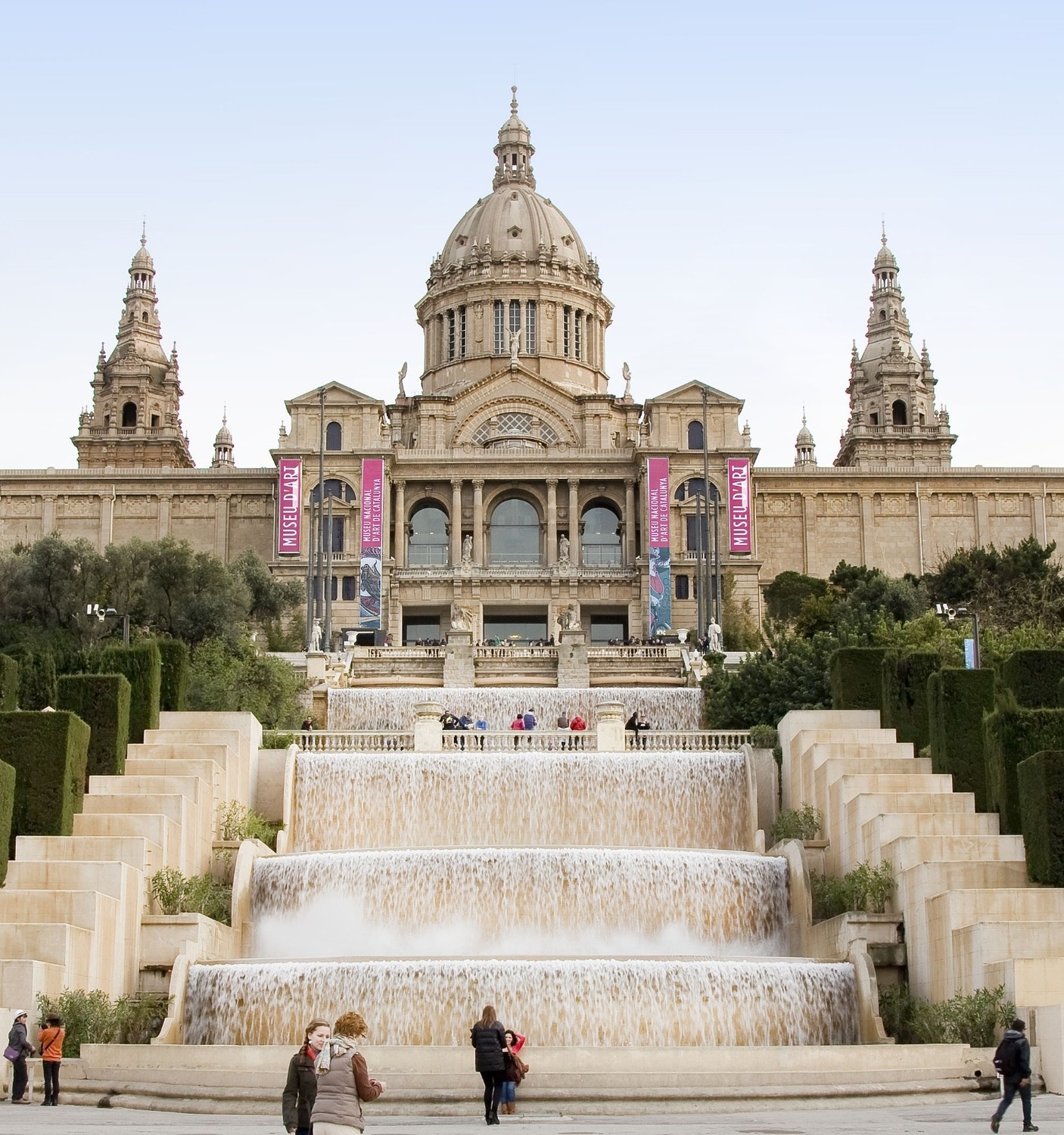
Perched majestically on Montjuïc Hill overlooking Barcelona, the Museu Nacional d’Art de Catalunya – MNAC – is more than a repository of artistic treasures; it’s a powerful statement of Catalan identity, a chronicle etched in stone and light. The very building itself speaks volumes, rising as a monumental neoclassical palace originally conceived for the 1929 International Exposition. Architect Eugeni Cendoya envisioned a grand stage to showcase Catalonia's burgeoning artistry, but fate intervened, transforming the Palau Nacional into a sanctuary for artworks threatened by the turmoil of the Spanish Civil War. This act of preservation became its destiny, evolving into the museum we know today – a testament not only to artistic brilliance but also to resilience and cultural safeguarding. To wander through its halls is to embark on a journey spanning over a millennium, witnessing the evolution of Catalan art from its medieval roots to the audacious experimentation of the early 20th century. The panoramic views offered from the palace’s vantage point are themselves inspiring, framing the vibrant city below as a living canvas mirroring the creativity within.

Romanesque Reverie: Whispers From Medieval Catalonia

The heart of MNAC's renown lies in its unparalleled collection of Romanesque art. Stepping into this section is akin to entering a world suspended in time, where fragments of forgotten churches whisper tales of faith and artistry. These aren’t merely paintings; they are frescoes – entire walls torn from their original contexts and meticulously reconstructed within the museum. The sheer scale and vibrancy of these murals are breathtaking. Scenes from biblical stories unfold with an astonishing level of detail, revealing a sophisticated understanding of narrative and symbolism. Consider the *Pantocrator* figures, radiating divine authority, or the intricate depictions of everyday life interwoven with religious themes. These anonymous artists weren’t simply illustrating scripture; they were creating immersive visual experiences designed to inspire awe and devotion. The rich colors, preserved through centuries, seem to glow from within, a testament to the enduring power of medieval craftsmanship. It's a collection that redefines our understanding of Romanesque art, elevating it beyond its often-perceived austerity into a realm of profound beauty and emotional depth.

The Dawn of Modernisme: A Catalan Renaissance

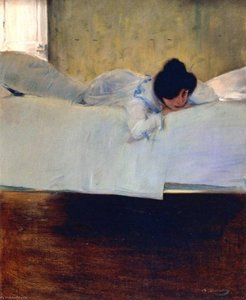
As one progresses through MNAC’s galleries, the artistic landscape shifts dramatically with the arrival of the Modernisme collection. This period, blossoming in the late 19th and early 20th centuries, represents a radical departure from tradition, fueled by a desire for innovation and self-expression. Artists like Isidro Nonell y Monturiol and Joaquim Mir y Trinxet spearheaded this movement, pushing boundaries with their bold brushstrokes, vibrant palettes, and unconventional subject matter. The influence of Art Nouveau is palpable, yet Catalan Modernisme possesses a unique character – an organic sensibility deeply rooted in local themes and traditions. It’s a celebration of Catalan identity, expressed through swirling forms, intricate details, and a profound connection to the natural world. The collection showcases not only paintings but also sculptures, decorative arts, and architectural designs, offering a holistic view of this transformative period. The spirit of experimentation is infectious, inviting viewers to appreciate the courage and vision of these pioneering artists.

Beyond the Icons: A Tapestry of Catalan Art

While the Romanesque frescoes and Modernisme masterpieces rightfully command attention, MNAC’s collection extends far beyond these celebrated highlights. The museum thoughtfully presents works from the Renaissance and Baroque periods, illustrating the evolving dialogue between Catalan art and broader European influences. Here, one encounters the dramatic chiaroscuro of Jusepe de Ribera, a Spanish master who spent much of his career in Catalonia, alongside pieces by local artists like Pablo Rigalt y Fargas and Joan Borell i Nicolau. The 20th-century collection continues this exploration, showcasing the challenges and opportunities faced by Catalan art during a period of profound social and political change. MNAC doesn’t simply present isolated masterpieces; it weaves them into a cohesive narrative, revealing the interconnectedness of artistic movements and the enduring spirit of Catalan creativity. It is a museum that rewards repeated visits, offering new discoveries with each exploration.

A Living Legacy: Preserving Catalonia's Soul

The Museu Nacional d’Art de Catalunya stands as more than just an art institution; it is a vital guardian of Catalan cultural identity. Its comprehensive collection, housed within the magnificent Palau Nacional, serves as a powerful reminder of the region’s rich artistic heritage and its enduring contribution to European culture. Whether you are a seasoned art enthusiast, a history buff, or simply seeking an inspiring experience, a visit to MNAC is guaranteed to be both enriching and unforgettable – a journey into the heart and soul of Catalonia. It's a place where the past comes alive, inviting us to contemplate the power of art to shape our understanding of ourselves and the world around us.

Art Quiz

There is only one correct answer for each question.

Question 1:
In which city is the Museu Nacional d'Art de Catalunya (MNAC) located?
Question 2:
On what hill is the MNAC situated, offering views of Barcelona?
Question 3:
The Palau Nacional, which houses the MNAC, was originally built for what event?
Question 4:
What is a particularly notable collection within the MNAC, considered among the finest examples of its kind in Europe?
Question 5:
The artistic period 'Modernisme' at MNAC is most closely related to which broader art movement?
Question 6:
Besides Romanesque and Modernisme, what other periods of Catalan art are represented in the MNAC's collections?
Question 7:
What role did the Palau Nacional serve during the Spanish Civil War?
Question 8:
What is a key characteristic of Catalan Modernisme, as showcased in the MNAC's collection?
Question 9:
The MNAC is dedicated to preserving what?
Question 10:
Who are some of the artists featured in MNAC's Modernisme collection?