

A Sanctuary of Flemish Mastery: Discovering the Ghent Museum of Fine Arts
Nestled within the medieval heart of Ghent, Belgium, stands a cultural beacon—the Ghent Museum of Fine Arts (MSK). To merely call it a repository of artistic treasures is to vastly underestimate its profound significance. The MSK is, rather, a living chronicle spanning centuries of Flemish artistry and aesthetic evolution. Its very foundations resonate with narratives of preservation and innovation. Stepping across the threshold feels less like entering a museum and more like embarking on an immersive journey through European art history, where medieval grandeur merges seamlessly with modern expression. The experience transcends mere observation; it is a dialogue between epochs, sparked by brushstrokes and sculptural forms that echo through time.
The very soul of the museum resides in its unwavering dedication to Flemish art. Here, paintings are not simply viewed; they are perceived as windows into the very mindset of masters such as Jan van Eyck and Hieronymus Bosch. One cannot help but be captivated by the breathtaking realism of Van Eyck, his almost alchemical ability to capture light and texture with astonishing precision, a brilliance beautifully exemplified in fragments of the iconic Ghent Altarpiece—undoubtedly its most prized possession. Standing before these panels is not just witnessing an art historical moment; it is experiencing a crescendo—the dawn of the Renaissance unfolding in exquisite detail. The way he renders textiles, the luminosity captured in skin tones, the sheer presence of his figures, transcends mere looking and enters the realm of awe.
Contrast this meticulous realism with the visionary depths of Bosch, who invites us into a world teeming with fantastic creatures and moral allegory. His works are rich with symbolism that continues to fascinate and challenge. His art is not merely bizarre or unsettling; it is a profound exploration of the human condition—a darkly humorous commentary on temptation, sin, and redemption. The MSK does more than display these masterpieces; it contextualizes them, allowing visitors to grasp their place within the broader cultural landscape of the fifteenth and sixteenth centuries—an era marked by immense artistic innovation and social upheaval.
An Architectural Embrace: Where History Meets Modernity
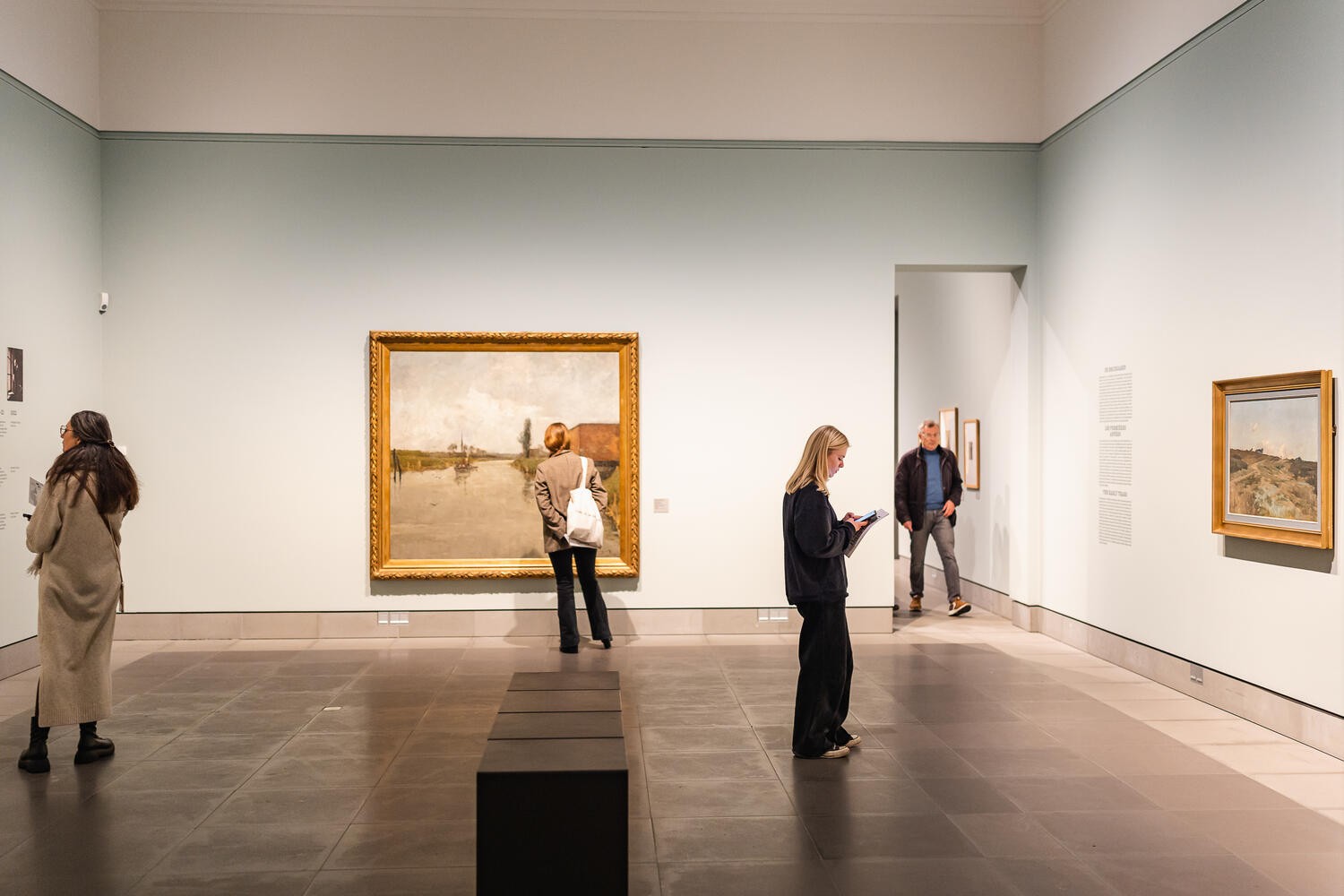
The building itself is a work of art, a refined embodiment of early twentieth-century architecture, conceived around 1900 by the city architect Charles van Rysselberghe. It presents a harmonious blend of imposing grandeur and functional design—a structure that feels simultaneously monumental and welcoming. The meticulous restoration completed in 2007 breathed new life into its historic spaces while integrating modern comforts to enhance the visitor's journey. Entering is like stepping into a sanctuary dedicated to beauty; light filters through expansive windows, illuminating not only the artworks but also the decorative details of the building itself. This considered design cultivates an atmosphere that is both solemn and inviting, fostering contemplation and appreciation. The high ceilings, polished floors, and careful arrangement of every piece contribute to a sense of wonder—a space that does not merely house art but elevates it.
Beyond Flanders: A European Panorama
While Flemish art forms the bedrock of its collection, the MSK extends its gaze far beyond national borders. The museum boasts a significant representation of paintings, sculptures, and drawings from across Europe, spanning from the Middle Ages right up to the twentieth century, with a particular emphasis on French and Flemish schools. Visitors can trace the evolution of artistic styles through the ages, observing the interplay between different movements and the lasting influence of singular artists. From the Baroque splendor of Rubens to the luminous touch of Monet and Renoir, the MSK offers a comprehensive survey of European artistic achievements. The collection remains dynamic; temporary exhibitions regularly introduce fresh perspectives, presenting contemporary works that ensure the museum stays at the forefront of artistic innovation.
A Commitment to Sharing Beauty
The Ghent Museum of Fine Arts is more than an exhibition venue; it actively participates in Belgian cultural life. As part of the Flemish Art Collection—a strategic partnership with other leading museums in Flanders—the MSK is deeply involved in joint initiatives promoting research, conservation, and public engagement. This commitment to preservation ensures that these invaluable works will continue to inspire future generations. The museum also recognizes the importance of accessibility, offering programs for families, educational workshops, and tailored guided tours designed for a diverse audience. Whether you are an established art connoisseur or a curious traveler, the MSK in Ghent promises an enriching experience filled with beauty, history, and cultural discovery—a place where the past comes alive and the future of art is celebrated.