Menu
FREE ART CONSULTATION

Museo de Arte de Ponce

Quick Facts

  • Featured artists:
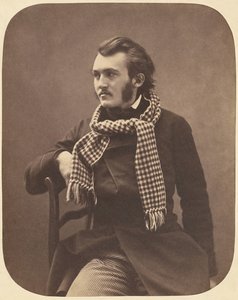
    • Paul Gustave Doré
    • Jusepe de Ribera
    • Francisco José de Goya y Lucientes
    • Sir Anthony van Dyck
    • Sir Joshua Reynolds
  • Works on APS: 57
  • Art types:
    • other
    • sculpture
    • wallart
  • Historical periods:
    • 19th century
    • early modern
    • renaissance
  • More…
  • Mediums:
    • acrylic
    • acrylic on canvas
    • bronze
    • oil
    • oil on canvas
  • Movements:
    • academic painting
    • academic realism
    • art nouveau
    • baroque
    • baroque mannerism
  • Location: Ponce, United States of America

Art Quiz

There is only one correct answer for each question.

Question 1:
What was the primary motivation behind Luis A. Ferré's initial vision for the Museo de Arte de Ponce?
Question 2:
Which architectural feature is most prominently associated with the Museo de Arte de Ponce?
Question 3:
The museum is particularly renowned for its collection of:
Question 4:
In what year did the Museo de Arte de Ponce officially open its doors to the public?
Question 5:
What significant expansion project occurred in 2010, enhancing the museum's capabilities?

A Caribbean Sanctuary of Art: Unveiling the Museo de Arte de Ponce

Nestled within the vibrant heart of Ponce, Puerto Rico, the Museo de Arte de Ponce (MAP) stands as a testament to vision and a beacon for artistic expression – a place where European grandeur meets Caribbean soul. Founded in 1959 by industrialist Luis A. Ferré, initially fueled by his own passionate travels across Europe, the museum’s journey began humbly within a private residence before blossoming into the architectural marvel it is today. More than simply a repository of art, MAP embodies Ferré's enduring dream: to cultivate a cultural landmark enriching the lives of islanders and beyond, a space where beauty transcends borders and inspires contemplation. The building itself, designed by the renowned Edward Durell Stone, isn’t merely a container for masterpieces; it’s an artwork in its own right – a hexagonal symphony of light and space that elevates every viewing experience.

A Pre-Raphaelite Jewel & Puerto Rican Identity

The Museo de Arte de Ponce is globally celebrated for its unparalleled collection of Pre-Raphaelite paintings, holding one of the most significant assemblies of this romantic movement outside of England. Within the Western Hemisphere, MAP’s holdings represent a truly singular concentration, boasting over 4,500 works spanning centuries and continents – from the ninth century to the present day. Iconic pieces like John Everett Millais' haunting *Last Sleep of Avalon* and Frederic Leighton’s sensuous *Flaming June* transport viewers into worlds of myth, beauty, and intricate symbolism, showcasing the Pre-Raphaelites’ meticulous detail and evocative storytelling. However, MAP is far more than a shrine to European artistic heritage. A deep commitment to preserving and celebrating Puerto Rican and Caribbean art forms ensures a rich dialogue between traditions. The museum proudly displays paintings, sculptures, and media reflecting the island's unique cultural identity, offering a powerful narrative of its history, people, and vibrant spirit. The collection’s diversity is further enriched by works from Latin American artists, creating a dynamic tapestry of artistic expression.

Architectural Harmony & European Grandeur

Stepping into MAP is an immersive experience – a deliberate departure from the traditional museum model. The building's most striking feature lies in its hexagonal galleries, a conscious design choice meticulously crafted to flood each space with natural light. This thoughtful integration of architecture and illumination isn’t merely aesthetic; it elevates the art itself, creating a serene and contemplative atmosphere where every brushstroke and sculpted form can truly breathe. The museum’s layout encourages a slow, deliberate appreciation of each piece, fostering a deeper connection between viewer and artwork. The original design by Edward Durell Stone incorporated elements that prioritized natural light and spaciousness, reflecting the values of the Pre-Raphaelite movement itself – an emphasis on beauty, nature, and spiritual contemplation. The building’s grandeur is further enhanced by its carefully considered use of materials, blending seamlessly with the surrounding landscape.

A Living Legacy & Ongoing Evolution

The Museo de Arte de Ponce isn't a static monument to the past; it’s a vibrant, evolving institution dedicated to engaging its community and advancing art scholarship. The 2010 expansion wasn’t simply about increasing space – it was about enhancing the museum’s ability to serve as a vital cultural hub. New facilities include an educational space fostering creativity in future generations, a specialized library for art history research, the Don Luis A. Ferré Archives preserving the founder's legacy, and state-of-the-art conservation laboratories ensuring the longevity of these invaluable works. Even during its current period of renovation – focused on restoring the building’s original design while incorporating modern amenities – MAP continues to thrive through digital initiatives and offsite exhibitions, demonstrating an unwavering commitment to accessibility. The museum's story is one of continuous growth and adaptation, reflecting a deep-seated belief in the power of art to enrich lives and connect communities.

Notable Exhibitions & Future Horizons

Currently, the museum galleries are closed for renovation, but its legacy continues through special exhibitions like “Ars liberalis: The Art of the Academy,” exploring the historical context of art academies and their role in shaping artistic thought. Future plans include a renewed focus on contemporary Caribbean artists and expanded digital resources to reach a wider audience. The Museo de Arte de Ponce remains a vital cultural force, not just for Ponce and Puerto Rico, but for art lovers worldwide – a place where history, beauty, and culture converge in a truly unforgettable experience.