
Introduction
Step into a world where the elegance of the Spanish court meets the raw, unfiltered shadows of the human soul. To explore the works of Francisco José de Goya y Lucientes is to embark on a profound emotional journey, one that begins in the sun-drenched, lively scenes of tapestry designs and descends into the haunting, introspective depths of a master who saw more than anyone else of his era. Goya was not merely a painter; he was a witness to history, a chronicler of both royal splendor and the terrifying echoes of war and madness.
Born in the humble village of Fuendetodos, Goya’s evolution is one of art history’s most captivating transformations. His early years were defined by the grace of the Rococo style, capturing the lighthearted joys of everyday Spanish life with a delicate, masterful touch. Yet, as life brought him profound personal tragedy—including a sudden, life-altering deafness—his palette shifted. The bright, courtly colors began to give way to deeper tones, more turbulent brushstrokes, and an unflinching gaze that peered into the very heart of human vulnerability, fear, and resilience.
Why does Goya continue to captivate us in our modern homes and galleries? Because his work feels startlingly contemporary. In an age of uncertainty, his ability to capture psychological truth—the subtle anxiety in a portrait or the visceral intensity of a nightmare—resonates with our own complexities. His paintings do not just sit on a wall; they breathe, they challenge, and they invite us to confront the duality of light and shadow that exists within all of us.
In this curated collection, we invite you to wander through twenty-five of his most transformative masterpieces. From the luminous portraits that defined the Spanish aristocracy to the dark, evocative visions that paved the way for modern expressionism, each piece tells a story of a man who refused to look away from the truth. Prepare to be moved by the legacy of a true visionary.
The Third of May, 1808 The Execution of the Defenders of Madrid - Francisco José de Goya y Lucientes
 The Third of May, 1808 The Execution of the Defenders of Madrid - Francisco José de Goya y Lucientes
To stand before a masterpiece is to witness history breathing through pigment. In The Third of May, 1808, The Execution of the Defenders of Madrid by Francisco José de Goya y Lucientes , we are not merely observing a scene from the Peninsular War; we are pulled into a visceral moment of human defiance. Goya abandons the polished grace of his earlier court portraits to embrace a raw, revolutionary Romanticism. The canvas is alive with chiaroscuro , where the stark, lantern-lit glow strikes the brilliant white shirt of a central figure, making his outstretched arms a haunting symbol of martyrdom against the dark, faceless line of soldiers.
The texture of the oil paint is thick and urgent, with expressive, impasto brushstrokes that capture the chaos and blood-soaked earth of the Madrid uprising. This work earns its place among the top 25 artworks of Francisco José de Goya y Lucientes because it transcends mere documentation to become a timeless cry against injustice. Bringing such a powerful piece into your home does more than decorate a wall; it invites a profound, contemplative energy that transforms any room into a space for deep reflection and soul-stirring discovery.
Saturn Devouring His Son - Francisco José de Goya y Lucientes
 Saturn Devouring His Son - Francisco José de Goya y Lucientes
In Saturn Devouring His Son by Francisco José de Goya y Lucientes, a profound and heavy ebony darkness dominates the canvas, setting a mood of visceral terror and existential dread. This masterpiece, part of Goya’s haunting Black Paintings series, earns its place among the top 25 artworks of Francisco José de Goya y Lucientes through its revolutionary use of a somber, restricted palette. The artist masterfully employs deep ochres, muddy browns, and stark whites to highlight the raw, frenzied movement of Saturn’s distorted form against an impenetrable void.
For the modern decorator, this painting offers a powerful way to anchor a room with dramatic intensity . Integrating such a profound work into a study or a moody dining room allows you to curate a space defined by chiaroscuro —the striking interplay of shadow and light. The painting’s heavy textures and primal energy can serve as a sophisticated focal point, inviting deep reflection and adding a layer of historical gravity to a contemporary, sophisticated interior design.
La maja desnuda. . Madrid, Museo del Prado. - Francisco José de Goya y Lucientes
 La maja desnuda. . Madrid, Museo del Prado. - Francisco José de Goya y Lucientes
In the quiet shadows of history, La maja desnuda by Francisco José de Goya y Lucientes remains a breathtaking moment of light and skin frozen in time. As one of the most iconic pieces in our collection of the top 25 artworks by Goya, this masterpiece captures a profound tension between vulnerability and bold confidence. The painting breathes with a soft, directional light that sculpts the figure’s form against a deep, velvety void, using masterful chiaroscuro to create an almost tactile three-dimensionality.
Goya’s brushwork whispers of elegance, with organic lines and muted earthy tones that evoke a sense of intimate, quiet repose. For the modern decorator, this piece offers more than just historical significance; it brings a sophisticated, dramatic soul to a contemporary room. Whether placed in a sunlit lounge or a moody study, its balance of classical beauty and Romantic intensity inspires a sense of timeless luxury and deep contemplation, making it a cornerstone for any meaningful art collection.
Witches' sabbath - Francisco José de Goya y Lucientes
 Witches' sabbath - Francisco José de Goya y Lucientes
There is a haunting energy in Witches' Sabbath by Francisco José de Goya y Lucientes that lingers long after you look away—not with judgment, but with a profound, unsettling understanding of the human shadow. As one of the most powerful entries in our collection of the top 25 artworks of Francisco José de Goya y Lucientes, this piece acts less like a painting and more like a mirror , reflecting the chaotic, mysterious depths of the subconscious.
Part of his visceral Black Paintings series, the work plunges you into a swirling, claustrophobic ritual. Goya uses dramatic chiaroscuro to pull figures from the darkness, where thick, impastoed brushstrokes and heavy shadows create an atmosphere of pure Dark Romanticism. You can almost feel the tension in the crowded composition, from the man clutching a bird to the kneeling child lost in the gloom. Imagine this masterpiece in your own home; it doesn't just decorate a wall, it reminds you that you are part of a much larger, more mysterious story. It is a breathtaking focal point for any collector seeking art that sparks deep contemplation and conversation.
Asmodea - Francisco José de Goya y Lucientes
 Asmodea - Francisco José de Goya y Lucientes
To encounter Asmodea is to step directly into the shadows of Goya’s most profound psychological era. Part of his haunting Black Paintings series, this masterpiece transcends mere canvas; it is a visceral window into the artist's soul during his years at the Quinta del Sordo. The painting captures a breathtaking moment of celestial chaos, where two airborne figures hover above a landscape fractured by the violence of the Peninsular War.
Goya utilizes a somber, earthy palette—deep ochres, murky browns, and heavy grays—to ground the scene in tragedy, yet he pierces this gloom with a striking, vibrant red robe that draws the eye to the central figures' distress. The brushwork is remarkably expressive, almost impastoed in its urgency, mirroring the frantic energy of flight and the jagged terror of the soldiers below. In Asmodea , Goya masterfully balances the ethereal with the brutal, creating a legacy of emotional depth that allows you to bring a piece of art history’s most powerful romanticism into your own home.
The Colossus - Francisco José de Goya y Lucientes
 The Colossus - Francisco José de Goya y Lucientes
In The Colossus by Francisco José de Goya y Lucientes, the composition is anchored by a monumental, muscular geometry that commands the viewer's immediate attention. The massive, rounded forms of the giant emerge from a swirling, atmospheric chaos, creating a structural tension between the heavy, earth-bound weight of the figure and the ethereal, turbulent sky. This balance of overwhelming scale against a fractured landscape creates a sense of timeless perfection, making it a standout among the top 25 artworks of Francisco José de Goya y Lucientes .
While the subject is deeply Romantic and dramatic, there is an underlying structural clarity in how Goya uses light and shadow to define space. This interplay of dark, brooding tones and sudden, warm highlights mirrors the principles of modern minimalist design, where a single, powerful focal point can ground a contemporary room. The painting’s ability to balance raw, visceral emotion with a centered, imposing presence allows it to serve as a profound anchor in any sophisticated interior, inviting quiet introspection amidst its stormy, mythic grandeur.
St Isabel of Portugal treating the wounds of an injured - Francisco José de Goya y Lucientes
 St Isabel of Portugal treating the wounds of an injured - Francisco José de Goya y Lucientes
In the profound depths of Francisco José de Goya y Lucientes’s 1799 masterpiece, "St Isabel of Portugal Treating The Wounds of an Injured," we encounter more than a mere historical tableau; we enter a visceral sanctuary of human empathy. Within this somber, dimly lit room, Goya does not merely paint light—he composes it, using a masterful command of chiaroscuro to sculpt emotion from the darkness. The way the light catches the gentle, focused hands of St. Isabel as she tends to the wounded figure creates a sense of immediacy that feels almost tactile.
The muted palette of deep ochres, earth tones, and somber blues envelops the scene in a heavy, contemplative atmosphere, turning the canvas into a portal of spiritual tenderness. As you gaze upon the textures of fabric and skin, you feel the weight of the Romantic movement—a moment where the boundaries between the sacred and the earthly dissolve. This painting is a cornerstone of Goya's legacy, inviting the light of compassion to spill from the shadows and into our own modern spaces.
Time and the Old Women - Francisco José de Goya y Lucientes
 Time and the Old Women - Francisco José de Goya y Lucientes
In the quiet corners of our lives, we often find ourselves reflecting on the fleeting nature of youth and the inevitable rhythm of the seasons. This profound sense of introspection is captured perfectly in Time and the Old Women by Francisco José de Goya y Lucientes . Painted in 1810 amidst the shadows of the Napoleonic Wars, this masterpiece stands as a cornerstone of Goya's legacy, earning its place among the top 25 artworks of the Spanish master.
The scene unfolds with a hauntingly beautiful use of chiaroscuro ; luminous creams and golds of the women's elegant dresses emerge sharply from an abyssal black background. As you gaze upon the seated figure lost in her book, contrasted by the watchful presence of her companions and a celestial, angelic light above, you feel the weight of mortality and the grace of spiritual transcendence. Goya’s masterful brushwork creates a tactile depth that invites us to contemplate our own journey. Bringing such a piece into your home does more than decorate a wall; it introduces a soulful, historical dialogue that transforms any room into a space of deep, quiet thought.
Portrait of the Matador Pedro Romero - Francisco José de Goya y Lucientes
 Portrait of the Matador Pedro Romero - Francisco José de Goya y Lucientes
In the Portrait of the Matador Pedro Romero , Goya captures more than just a celebrated figure of the bullring; he freezes a moment of profound Spanish dignity and poise. As one of the most essential pieces in our exploration of the top 25 artworks of Francisco José de Goya y Lucientes, this 1795 masterpiece serves as a bridge between the refined elegance of the Rococo era and the psychological depth that would later define Goya’s darker, more introspective works. The vibrant red of the matador's jacket and the luminous white of his shirt are rendered with a breathtaking wet-on-wet technique, creating a tactile richness that feels almost alive under the gallery lights.
This portrait invites us to reflect on the intersection of bravery and grace, reminding us how true character shines through even in moments of stillness. For those looking to bring a sense of historical prestige and soulful energy into a modern home, this painting offers an unparalleled connection to the Spanish Golden Age. It is not merely decor; it is a timeless conversation about courage that breathes life into any curated collection.
The Water Carrier ( - Francisco José de Goya y Lucientes
 The Water Carrier ( - Francisco José de Goya y Lucientes
In the quiet strength of The Water Carrier , Francisco José de Goya y Lucientes captures a moment where the heavy rhythm of daily toil meets an eternal, dignified grace. This masterpiece stands among the top 25 artworks of Goya because it transcends mere genre painting; it is a visceral study of resilience. Through a masterful use of impasto , Goya breathes life into the rugged textures of the earthenware jug and the coarse fabric of the woman's clothing, making the physical weight of her task almost palpable to the viewer.
The palette is a soulful symphony of earthy ochres, deep browns, and muted yellows, creating a grounded atmosphere that feels both historical and strikingly modern. The soft, diffused light illuminates the subject with a gentle glow, eschewing harsh shadows for a sense of atmospheric depth. For the contemporary collector, this piece brings a sophisticated, organic warmth to a room. Its harmonious blend of somber tones and expressive brushwork offers a sense of stability and profound emotional depth, making it an inspiring focal point for any thoughtfully curated interior.
Josefa de Castilla Portugal y van Asbrock de Garcini (1775–about 1850) - Francisco José de Goya y Lucientes
 Josefa de Castilla Portugal y van Asbrock de Garcini (1775–about 1850) - Francisco José de Goya y Lucientes
In the 1804 portrait of Josefa de Castilla Portugal y van Asbrock de Garcini , Francisco José de Goya y Lucientes captures a breathtaking moment of quiet intimacy that feels remarkably modern. This masterpiece stands as a vital entry in our collection of the top 25 artworks of Francisco José de Goya y Lucientes because it breaks away from rigid courtly traditions to embrace a deeply human, naturalistic vulnerability. Goya utilizes a masterful interplay of light and shadow—reminiscent of Rembrandt’s psychological depth—to illuminate Josefa as she rests with a book, her presence softened by a luminous, muted palette.
For the contemporary decorator, this piece offers an unparalleled sense of calm and sophisticated introspection. The dramatic contrast between the dark, atmospheric background and the soft white of her dress creates a focal point that brings a soulful, museum-grade elegance to any room. Whether you are looking to add a touch of Spanish Romanticism to a minimalist study or seeking a conversation piece that embodies timeless grace, this portrait serves as a beautiful bridge between historical grandeur and modern interior serenity.
Majas on a Balcony - Francisco José de Goya y Lucientes
 Majas on a Balcony - Francisco José de Goya y Lucientes
What story does the quiet, shadowed corner of Majas on a Balcony by Francisco José de Goya y Lucientes tell us about the hidden lives of 19th-century Spain? Painted during the turbulent Napoleonic era, this masterpiece captures a moment of suspended animation, where three women sit perched upon a balcony rail, their presence a delicate balance of elegance and unspoken tension. As one of the top 25 artworks of Francisco José de Goya y Lucientes, this piece broke ground by moving away from rigid Neoclassicism toward the raw, psychological truth of the Romantic movement.
For those looking to curate a sense of escape in a modern home, this painting offers an unparalleled atmosphere of sophisticated mystery. The interplay of light and shadow across the intricate lace mantillas and heavy, embroidered gowns creates a tactile richness that invites the eye to linger. Bringing this work into your space provides more than just decor; it introduces a window into a private world of Spanish intimacy, perfect for adding a layer of quiet prestige and historical depth to any room.
Portrait of a Lady (María Martínez de Puga?) - Francisco José de Goya y Lucientes
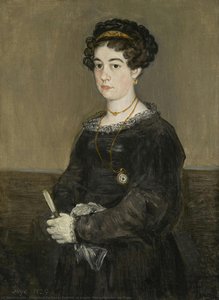 Portrait of a Lady (María Martínez de Puga?) - Francisco José de Goya y Lucientes
In the Portrait of a Lady (María Martínez de Puga?) , Francisco José de Goya y Lucientes invites us into a silent, hauntingly intimate encounter. The subject emerges from a sea of deep, enveloping shadows, her presence defined by an intense, unwavering gaze that seems to pierce through the centuries. This is not merely a likeness; it is a profound psychological study where aristocratic dignity meets a simmering, hidden vulnerability. Goya’s masterful use of chiaroscuro —the dramatic interplay of light and dark—bathes her features in an ethereal glow, creating a tension that captures the very essence of the human condition.
As one of the most captivating entries in our collection of the top 25 artworks of Francisco José de Goya y Lucientes, this piece offers more than visual beauty. The visible, textured brushstrokes and rich, somber tones provide a sense of historical weight and emotional depth. Bringing this masterpiece into your home can transform a personal sanctuary into a space for profound reflection, offering a quiet, powerful focal point that encourages calm and intellectual curiosity within any modern interior.
Queen María Luisa Wearing a Mantilla - Francisco José de Goya y Lucientes
 Queen María Luisa Wearing a Mantilla - Francisco José de Goya y Lucientes
In Queen María Luisa Wearing a Mantilla , Goya demonstrates his unparalleled mastery of light to create a moment of profound, quiet drama. The illumination focuses intensely on the Queen’s face and the delicate textures of her black lace mantilla, using a subtle chiaroscuro that pulls her figure forward from the soft, hazy background. This play of light does more than just reveal her regal features; it captures the tension between her outward composure and an underlying, soulful melancholy. As one of the top 25 artworks of Francisco José de Goya y Lucientes , this piece stands out for how Goya uses shadow to lend weight to the Spanish crown's dignity.
For those looking to bring a sense of historical luxury into a modern home, a high-quality reproduction of this work offers incredible depth. The way the light catches the folds of the black silk and the intricate lace patterns can add a sophisticated, moody layer to a contemporary room. Whether placed in a dimly lit study or a bright hallway, the dramatic contrast of this masterpiece provides an instant focal point that feels both timeless and deeply emotive.
Tubercio Pérez Cuervo - Francisco José de Goya y Lucientes
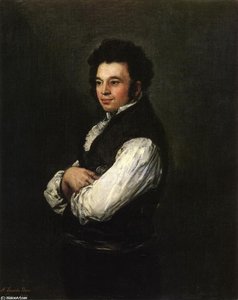 Tubercio Pérez Cuervo - Francisco José de Goya y Lucientes
In the quiet presence of Tubercio Pérez Cuervo , we encounter more than just a portrait; we feel the profound warmth of a lifelong friendship captured in a single, soulful gaze. Goya moves away from the grandiosity of his royal commissions to offer us something deeply intimate. Through dramatic, directional lighting that sculpts the face from deep, velvety shadows, he reveals the psychological depth and contemplative spirit of his friend, the architect Pérez.
This masterpiece earns its place among the top 25 artworks of Francisco José de Goya y Lucientes because it perfectly balances neoclassical precision with a raw, expressive realism that feels incredibly modern. The muted palette of rich browns and blacks, punctuated by luminous creamy whites, creates a somber yet dignified atmosphere that resonates through the centuries. At OriginalUniqueArt.com, we believe such emotional depth should be accessible to every home. Our hand-painted oil reproductions are meticulously crafted to preserve these visible brushstrokes and the dramatic interplay of light, allowing you to bring Goya’s transformative vision and the quiet prestige of Spanish history into your own living space.
Interieur de Prison - Francisco José de Goya y Lucientes
 Interieur de Prison - Francisco José de Goya y Lucientes
Step into a world of profound shadows and heavy silence with Interieur de Prison . As you approach this haunting masterpiece by Francisco José de Goya y Lucientes, the air seems to thicken with the weight of confinement. Painted during a period of intense personal crisis—following an illness that left Goya profoundly deaf—this work captures a descent into psychological desolation. The scene unfolds in a stark, monochrome cell where prisoners lie slumped and bound, their vulnerability amplified by Goya’s masterful use of chiaroscuro .
This piece earns its place among the top 25 artworks of Francisco José de Goya y Lucientes because it transcends mere historical documentation; it is a raw, visceral exploration of human suffering and the rejection of Enlightenment optimism. While the subject matter is somber, there is a transformative power in witnessing such unflinching honesty. Bringing a work of this emotional depth into your home allows for a moment of deep reflection, inviting a sense of historical gravity and soulful meaning into your modern living space.
Here comes the bogey-man - Francisco José de Goya y Lucientes
 Here comes the bogey-man - Francisco José de Goya y Lucientes
In Here comes the bogey-man by Francisco José de Goya y Lucientes, the mastery of light is not used to illuminate, but to haunt. The composition relies on a chilling use of chiaroscuro, where deep, velvety shadows swallow the corners of the room, leaving only fragments of the scene—the terrified faces and the looming, masked figure—to emerge from the gloom. This dramatic interplay between sudden highlights and impenetrable darkness creates a visceral sense of dread, capturing the exact moment childhood nightmares bleed into reality.
As one of the most profound entries in our collection of the top 25 artworks of Francisco José de Goya y Lucientes , this piece demonstrates how light can sculpt psychological tension. When choosing a high-quality reproduction for your home, this sophisticated use of shadow adds an incredible layer of mystery and intellectual depth to a gallery wall. The way the light catches the textures of the etching technique brings a luxurious, museum-grade atmosphere to a contemporary room, inviting guests to linger in the shadows and contemplate the beautiful, unsettling complexity of the human spirit.
The Duke of Wellington - Francisco José de Goya y Lucientes
 The Duke of Wellington - Francisco José de Goya y Lucientes
In The Duke of Wellington , Goya demonstrates his unparalleled command of chiaroscuro , using a dramatic interplay of light and shadow to breathe life into the portrait of Arthur Wellesley. The light source strikes the subject with an unsettling directness, illuminating the crisp textures of the military uniform while allowing deep, velvety shadows to pool around the edges of the composition. This masterful use of illumination does more than just define form; it captures the psychological weight of a leader standing amidst the turbulent aftermath of the Napoleonic Wars.
As one of the top 25 artworks of Francisco José de Goya y Lucientes , this piece earns its place through its profound emotional depth and historical gravity. When brought into a modern home as a high-quality oil reproduction, the painting’s rich tonal range and dramatic shadows add an immediate sense of luxury and intellectual intrigue. The way the light dances across the canvas creates a captivating focal point, offering a sophisticated layer of texture that transforms a contemporary wall into a space of quiet reflection and timeless elegance.
Ferdinand VII (1784–1833), When Prince of Asturias - Francisco José de Goya y Lucientes
 Ferdinand VII (1784–1833), When Prince of Asturias - Francisco José de Goya y Lucientes
There is a profound, quiet magic in witnessing the transition from youth to responsibility, a feeling captured exquisitely in Ferdinand VII (1784–1833), When Prince of Asturias by Francisco José de Goya y Lucientes. In this intimate work, we glimpse a sixteen-year-old prince poised on the edge of destiny, his gaze carrying both the bright promise of his lineage and an underlying, soulful gravity. It is a moment of pure, unvarnished humanity caught within the rigid structures of royalty.
This piece earns its place among the top 25 artworks of Francisco José de Goya y Lucientes because it transcends its origins as a preparatory sketch. Goya’s masterful use of tonal modulation and his decision to leave certain elements unfinished allow the psychological depth of the sitter to shine, prioritizing character over mere costume. At OriginalUniqueArt.com, we believe such emotional resonance should be accessible to every home. Our hand-painted oil reproductions are meticulously crafted to preserve these very nuances—the delicate light on the face and the visible, expressive brushstrokes—allowing you to invite Goya’s transformative spirit into your own living space with authentic, museum-quality texture.
Manner of Flying, plate 13 in - Francisco José de Goya y Lucientes
 Manner of Flying, plate 13 in - Francisco José de Goya y Lucientes
Owning Manner of Flying by Francisco José de Goya y Lucientes is more than an acquisition; it is a profound investment in the legacy of Spanish Romanticism and a testament to a collector's sophisticated palate. As plate 13 from the legendary Los Caprichos series, this work stands as a cornerstone of Goya’s mastery over the psychological landscape. Its position among the top 25 artworks of Goya is cemented by its revolutionary use of aquatint, which creates a haunting, velvety darkness that few other masters could achieve. The visceral tension of the man clinging to the colossal, bat-like creature evokes a sense of vertigo and existential dread that continues to captivate the global art market.
For those curating modern luxury interiors, this piece serves as a powerful dramatic anchor. Whether rendered as a large-scale handmade oil reproduction or a fine museum-quality print, the stark interplay of light and shadow brings an unparalleled aesthetic authority to a room. It transforms a contemporary space into a gallery of deep emotion, offering a window into the sublime shadows of history.
Crucified Christ - Francisco José de Goya y Lucientes
 Crucified Christ - Francisco José de Goya y Lucientes
To encounter “Crucified Christ” is to stand at the threshold of a profound psychological mystery. Painted in 1780, this work captures Goya even before his later descent into darkness, yet it already pulses with an unmistakable, heavy stillness. There is no divine triumph here; instead, we feel the visceral weight of mortality. Goya utilizes a masterful chiaroscuro , pulling the figure from an impenetrable, brooding shadow into a stark, unforgiving light that emphasizes the slumped shoulders and the quiet resignation of the flesh.
As you trace the subtle sfumato around the edges of the composition, the atmosphere feels thick with emotion, bridging the gap between classical tradition and the raw energy of Romanticism. Owning such a piece from the top 25 artworks of Francisco José de Goya y Lucientes isn’t merely a purchase; it is an inheritance of taste. It brings a lineage of prestige into your home, allowing you to live alongside a masterpiece that transforms a simple wall into a gallery of human depth and enduring soul.
King Carlos IV in Hunting Costume - Francisco José de Goya y Lucientes
 King Carlos IV in Hunting Costume - Francisco José de Goya y Lucientes
Step into the royal hunting grounds of 1799 with King Carlos IV in Hunting Costume , a masterpiece that captures the very pulse of Spanish nobility. In this breathtaking work, Goya does not merely paint a monarch; he composes a symphony of light and texture. Notice how the illumination dances across the King’s velvet attire, not as simple reflection, but as a deliberate language used to evoke both regal splendor and a haunting sense of vulnerability.
As you gaze upon the central figure, the loose, expressive brushstrokes characteristic of the Romantic movement bring the rugged landscape to life, making the atmosphere feel almost palpable. The presence of the loyal hunting dog at his feet adds a layer of psychological depth, grounding the royal grandeur in a moment of raw, natural reality. This painting is a cornerstone of Goya’s legendary ability to blend formal portraiture with profound emotional truth. Bringing a reproduction of this scale into your space does more than decorate a wall; it invites a portal of historical inspiration and dramatic light into your home.
Two Young People Laughing at a Man - Francisco José de Goya y Lucientes
 Two Young People Laughing at a Man - Francisco José de Goya y Lucientes
In Two Young People Laughing at a Man , the raw, gestural brushwork of Francisco José de Goya y Lucientes takes center stage, inviting you to feel the very pulse of his psychological drama. The texture is thick and visceral; Goya uses loose, almost frantic strokes to render the women's clothing and the pale, luminous skin of their faces against a void of deep, murky shadows. This technique—a hallmark of his later, more expressive period—creates a sense of movement that makes the mocking laughter feel almost audible.
This painting is a vital inclusion in our collection of the top 25 artworks of Francisco José de Goya y Lucientes because it captures the transition from classical mastery to modern emotional depth. At OriginalUniqueArt.com, we believe such profound works deserve more than a flat print. Our handmade oil reproductions are meticulously crafted to preserve this tactile, three-dimensional quality , ensuring that every visible brushstroke and dramatic impasto peak is recreated on cotton canvas. We bring the haunting, textured soul of Goya’s shadows directly into your home, allowing you to experience the weight and mystery of his genius.
Out hunting for teeth - Francisco José de Goya y Lucientes
 Out hunting for teeth - Francisco José de Goya y Lucientes
Step into the shadows of 1799 with Out Hunting for Teeth , a hauntingly cinematic moment from Francisco José de Goya y Lucientes. In this gripping scene, the air feels heavy with the scent of damp earth and the tension of a moonless night. As you gaze upon the struggle between two figures caught in a desperate, primal embrace, the stark contrast of light and deep, velvety darkness pulls you into Goya’s turbulent psyche. The man’s forceful grasp and the woman’s defensive posture create a visceral rhythm that is both unsettling and deeply captivating.
Part of his legendary Los Caprichos series, this work serves as a biting satire on superstition and societal vice. While the subject matter is intense, bringing a high-quality reproduction of this masterpiece into your home offers a profound opportunity for reflection. Its dramatic chiaroscuro and historical weight provide a sophisticated focal point, perfect for an office or a study where you seek to spark deep conversation and a sense of intellectual mystery. It is more than just art; it is a window into the raw, unvarnished human experience.
Les Jeunes or the Young Ones - Francisco José de Goya y Lucientes
 Les Jeunes or the Young Ones - Francisco José de Goya y Lucientes
In Les Jeunes (or The Young Ones ), Francisco José de Goya y Lucientes invites us into a quiet, cinematic moment of urban life. This masterful etching captures two women strolling through a bustling square, sheltered by an umbrella—a delicate symbol of companionship and protection amidst the anonymity of the crowd. As one of the most evocative pieces in our collection of the top 25 artworks of Francisco José de Goya y Lucientes, it showcases his unparalleled ability to find profound drama within the everyday.
The artwork’s monochromatic beauty relies on a sophisticated play of light and shadow. Through meticulous hatching and cross-hatching, Goya creates a textured, atmospheric world where figures emerge from soft, diffused light. For the modern decorator, this piece offers a timeless elegance; its neutral tones and melancholic, contemplative mood make it a perfect anchor for a minimalist or classic interior. It brings a sense of historical depth and soulful storytelling to any room, proving that even a fleeting glance in a town square can hold the weight of the human experience.
Conclusion
As we draw the curtain on this journey through Goya’s profound visual legacy, we are left with more than just a list of masterpieces; we carry with us the echoes of a soul that dared to look into both the light of the Spanish court and the deepest shadows of the human condition. To stand before these works—whether in the hallowed halls of a museum or within the intimate sanctuary of your own home—is to participate in a timeless conversation that spans centuries. Goya’s brushstrokes do not merely depict history; they pulse with a living presence, bridging the gap between his turbulent era and our modern lives, reminding us that the complexities of fear, joy, resilience, and truth remain eternally unchanged.
Every textured impasto stroke and every dramatic play of chiaroscuro serves as a bridge between the artist’s hand and the admirer’s heart. Bringing these works into your space is an invitation to surround yourself with stories that move, challenge, and inspire. Whether you are drawn to the vibrant grace of his early tapestries or the haunting psychological depth of his later portraits, each piece offers a unique opportunity to anchor your interior with meaning and soul. We invite you to continue your own discovery and find the piece that speaks to your personal narrative by exploring our full collection . May these shadows and lights continue to illuminate your world, long after the museum lights have dimmed.


